
Container Gardens
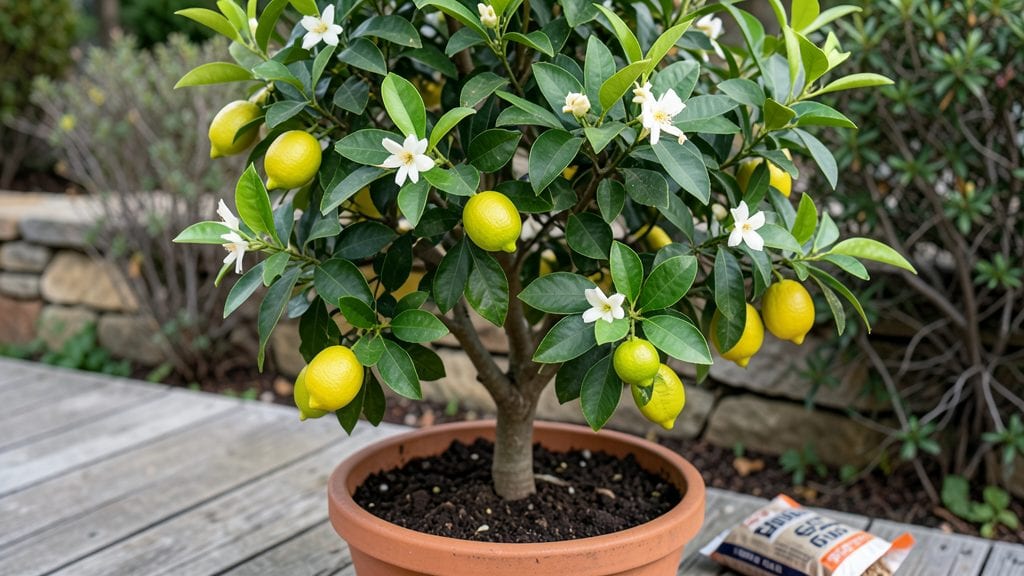
A Meyer lemon tree potted can bring sunshine to your patio, balcony, or kitchen—even if you've never kept a citrus tree alive before. I learned the hard way that these trees aren't just pretty; they're surprisingly forgiving once you meet their basic needs.
The key is matching the right container, soil, and light to their tropical roots.
You'll need a container at least 18 inches wide (bigger is better for fruit production), drainage holes, and a well-draining potting mix—no heavy garden soil. Place it where it gets 6-8 hours of sunlight daily (south-facing windows or sunny patios work best).
Water when the top inch of soil feels dry, and keep the air humid with a pebble tray or occasional misting.
With proper care, you'll see glossy new leaves within months, and by year two, those fragrant blooms and tiny lemons will appear. The first harvest might be small, but each year brings more fruit—imagine fresh lemons for tea, baking, or garnishes, all grown on your own sunny windowsill.
Indoor growers need bright light (supplement with a grow bulb if needed), while outdoor trees handle cooler nights better. The trick to container success? Consistent care and patience—these trees reward loyalty with sweet, fragrant fruit for years. Let's get yours thriving!
📚 In This Guide
- What you need
- Instructions
- Tips and common mistakes
- Wrapping up and next steps
What you need
- ● Pot: A container at least 12–18 inches in diameter and depth (larger pots = better stability and root growth). Ensure it has drainage holes (or drill them yourself!). Pro tip: Terracotta pots help regulate moisture, but glazed ceramic or high-quality plastic works too!
- ● Well-draining potting mix: A blend of 50% citrus-specific mix (or cactus/succulent mix) and 50% perlite or pumice for aeration. Avoid garden soil—it compacts and suffocates roots! 🌡️
- ○ Meyer lemon tree: Purchase a healthy 1–3 year-old potted tree from a nursery (look for plump leaves and no signs of pests). Optional: Grafted trees mature faster!
- ● Fertilizer: Balanced citrus fertilizer (e.g., 6-6-6 NPK ratio) for early growth.
- ● Citrus-specific slow-release granules (like Osmocote) for long-term feeding.
- ● Support: A small trellis or bamboo stake (for young trees) to prevent toppling as it grows.
- ● Saucer or tray: To catch drainage and prevent messes (especially indoors!).
- ● Mulch: A layer of orchid bark or shredded pine needles to retain moisture (skip if using a self-watering pot).
- ● Humidity tray: A pebble tray with water to boost humidity (great for indoor growers!).
- ● Pruning shears: Sharp, clean shears for shaping and harvesting.
- ● pH testing kit: To monitor soil acidity (ideal range: 6.0–7.0 for Meyer lemons).
- ● Grow lights: If indoors, a full-spectrum LED grow light (12–16 hours/day) for winter sun deprivation.
Step-by-step guide to growing a thriving potted Meyer lemon tree
Here's how to nurture a fragrant, fruit-bearing Meyer lemon tree indoors or on your patio.
🪴 Step 1: Choose the Right Container and Soil Mix
Start with a 5-gallon pot or larger—Meyer lemons need room for roots to spread. Ensure it has drainage holes at the bottom, or drill them yourself. I always use a well-draining citrus potting mix (never garden soil) blended with 20% perlite or pumice to prevent compaction. This mix stays loose enough for roots to breathe while holding just enough moisture.
Fill the pot one-third full with the prepared mix, then place the tree in its new home. Tap the pot gently on the table to settle the soil around the roots. Leave 1-2 inches of space between the soil surface and the pot’s rim—this prevents overflow when watering and allows for mulch later. If you’re repotting an established tree, water it lightly the day before to reduce transplant shock.
☀️ Step 2: Position for Maximum Sunlight and Warmth
Meyer lemons crave 6-8 hours of direct sunlight daily. Place your potted tree near a south-facing window or under grow lights if natural light is limited. If outdoors, move it to a sheltered spot (like a patio or balcony) during warm months, protecting it from harsh winds or temperatures below 40°F. You’ll notice leaves yellowing or dropping if it’s too cold—bring it indoors immediately.
Rotate the pot a quarter turn weekly so the tree grows evenly toward the light. Leggy growth (long, weak stems) means it’s reaching for more sun—adjust the position within 4-6 inches of the light source. In winter, supplement with 12-14 hours of grow light to maintain vigor. Avoid drafts, like near doors or AC vents, which stress the tree.
💧 Step 3: Water Deeply and Maintain Consistent Moisture
Water when the top 1-2 inches of soil feel dry—stick your finger in to check. Pour water until it drains freely from the bottom holes, then empty the saucer after 10 minutes to prevent root rot. Overwatering is the #1 killer of potted citrus; yellowing leaves or mushy stems are red flags. I water every 5-7 days in summer and every 10-14 days in winter, adjusting for humidity and light.
Mist the leaves weekly to mimic humidity in their native Mediterranean climate. A pebble tray under the pot adds extra moisture without soggy soil. Fertilize monthly with a balanced citrus fertilizer (like 6-6-6) during spring and summer. Reduce feeding in fall and winter—these are the tree’s dormant months. If leaves drop suddenly, it’s often a sign of overwatering or fertilizer burn.
✂️ Step 4: Prune for Shape and Encourage Fruit Production
Prune in late winter or early spring before new growth starts. Remove dead, crossing, or crowded branches first—these compete for nutrients. Cut just above a leaf node (the bump where leaves attach) to encourage new growth. Thin out overly long branches to improve air circulation, which reduces pests and disease. I never prune more than one-third of the tree in a single session.
Pinch back new growth tips in summer to promote bushier growth and more flowers (which lead to fruit). You’ll see small white blossoms appear in spring and fall—these are your future lemons! If the tree flowers but doesn’t fruit, it may need more sunlight or a cooler nighttime temperature (around 55-60°F). Avoid heavy pruning after mid-summer, as new growth won’t harden off before winter.
🌿 Step 5: Protect and Overwinter for Long-Term Success
As temperatures drop below 50°F, move your Meyer lemon indoors near a bright window or under grow lights. Reduce watering to every 2-3 weeks and stop fertilizing until spring. Watch for spider mites or scale insects—common in dry indoor air. Wipe leaves with a mild soapy water solution if you spot pests. A hose spray outside in warm months keeps pests at bay naturally.
In late winter, check for root-bound conditions—if roots circle the pot or poke out of drainage holes, it’s time to repot into a larger container (up to 2 sizes bigger). This jumpstarts growth for the new season. Resume regular watering and fertilizing in March, and you’ll see fresh leaves and blossoms by spring. Patience is key—Meyer lemons can take 2-3 years to bear fruit, but the fragrant blooms are worth the wait!
Tips & tricks for perfectly potted Meyer lemon trees
Here's what I've learned from years of growing my own Meyer lemon trees—these tricks make all the difference between a struggling plant and a thriving, fruit-bearing beauty.
Soil Mix Secrets: When mixing your citrus potting soil with 20% perlite or pumice, sift the dry ingredients first to eliminate clumps. This ensures your well-draining mix stays loose and aerated exactly as specified. I also add a handful of worm castings to the mix—it gives the tree a gentle nutrient boost while improving soil structure. The key is maintaining that perfect balance between moisture retention and drainage that Meyer lemons crave.
Light Positioning: For that critical 6-8 hours of direct sunlight, position your tree within 4-6 inches of the window—closer than you might think. I've found that moving it slightly closer during winter months (when sunlight is weaker) can make a dramatic difference in leaf health. If you notice new growth stretching toward the light, it's definitely time to adjust. The weekly quarter-turn rotation isn't just about even growth—it's also a great way to spot any early signs of pest activity on the undersides of leaves.
Watering Wisdom: That 10-minute drainage time after watering is non-negotiable for preventing root rot, but here's what nobody tells you—check the saucer after 5 minutes. If water has already drained completely, you can stop early. The top 1-2 inches dry test works, but I also watch for the pot's weight: when it feels noticeably lighter, that's your cue. In winter, I reduce watering to every 14-21 days because the tree's metabolic rate slows dramatically, even if the soil feels dry at the surface.
Pruning Pro Tips: When pruning in late winter, look for branches that cross each other—these compete for sunlight and nutrients. Cut just above a leaf node at a 45-degree angle to prevent water from pooling on the cut. For summer pinching, focus on the tips of new growth that are longer than 3-4 inches. This encourages bushier growth and more flower production. I've found that trees pruned this way develop stronger branches that support fruit better as they mature.
Pro Tips for Meyer Lemon Tree Potted
- Here's what I've learned from years of growing my own Meyer lemon trees—these tricks make all the difference between a struggling plant and a thriving, fruit-bearing beauty.
- Soil Mix Secrets: When mixing your citrus potting soil with 20% perlite or pumice, sift the dry ingredients first to eliminate clumps.
- Light Positioning: For that critical 6-8 hours of direct sunlight, position your tree within 4-6 inches of the window—closer than you might think.
Frequently asked questions
Got questions about keeping your Meyer lemon tree thriving in pots? You’re not alone! Here are answers to the most common concerns—from pruning to pests and beyond.
How big should the pot be for a Meyer lemon tree?
A Meyer lemon tree needs at least 15–20 gallons of soil when mature. Start with a 5-gallon pot for young trees, then upgrade to 10–15 gallons as it grows. Ensure the pot has drainage holes to prevent root rot. Pro tip: Wider pots encourage root spread, but avoid oversizing—too much empty soil stays wet too long.
How often should I repot a potted Meyer lemon tree?
Repot every 2–3 years or when roots circle the pot. Spring is ideal! Choose a pot 2–4 inches larger in diameter and refresh the soil with a well-draining citrus mix. Watch for: Yellowing leaves or roots growing out of drainage holes—signs it’s time to upgrade!
Why aren’t my Meyer lemon tree’s leaves turning yellow?
Yellow leaves often signal overwatering, nutrient deficiency, or poor drainage. Check soil moisture (top 1–2 inches should dry between waterings) and ensure the pot drains well. Lack of nitrogen? Feed with a citrus fertilizer every 4–6 weeks in growing season. Bonus: Yellow edges? It could be chlorosis—test soil pH (ideal: 6.0–7.0) or add iron supplements.
What pests commonly attack potted Meyer lemon trees?
Keep an eye out for scale, aphids, and spider mites. Wipe leaves with neem oil or insecticidal soap for mild infestations. For stubborn pests, introduce ladybugs or lacewings (natural predators). Preventative tip: Inspect new plants before bringing them indoors and avoid overcrowding pots.
Can I keep a Meyer lemon tree in a pot indoors year-round?
Yes! Meyer lemons thrive indoors with 6+ hours of sunlight daily (south-facing window or grow lights). Keep temps between 60–85°F and maintain humidity (pebble trays or a humidifier help). Winter warning: Avoid drafts near AC/heaters—sudden temp drops stress the tree.
How do I harvest and store Meyer lemons from a potted tree?
Harvest when lemons are yellow with a slight green tint (they won’t ripen further off the tree!). Gently twist or cut stems. Store at room temp for 1–2 weeks or refrigerate for up to 3 months. Fun fact: Potted lemons are sweeter and thinner-skinned than grocery store varieties!
Wrapping up and next steps
Growing a Meyer lemon tree in a pot is a rewarding journey that brings vibrant citrus to your space—no backyard required! 🌿 With the right container, sunlight, and care, you’ll enjoy fragrant blooms and sweet lemons year-round.
Whether you’re a beginner or seasoned gardener, this sun-kissed citrus companion is ready to thrive in your home.
Ready to take the next step? Pick your pot, plant your seedling, and watch your little lemon tree grow! 🍋✨ Start today and savor the fruits of your labor—literally!