
Landscaping
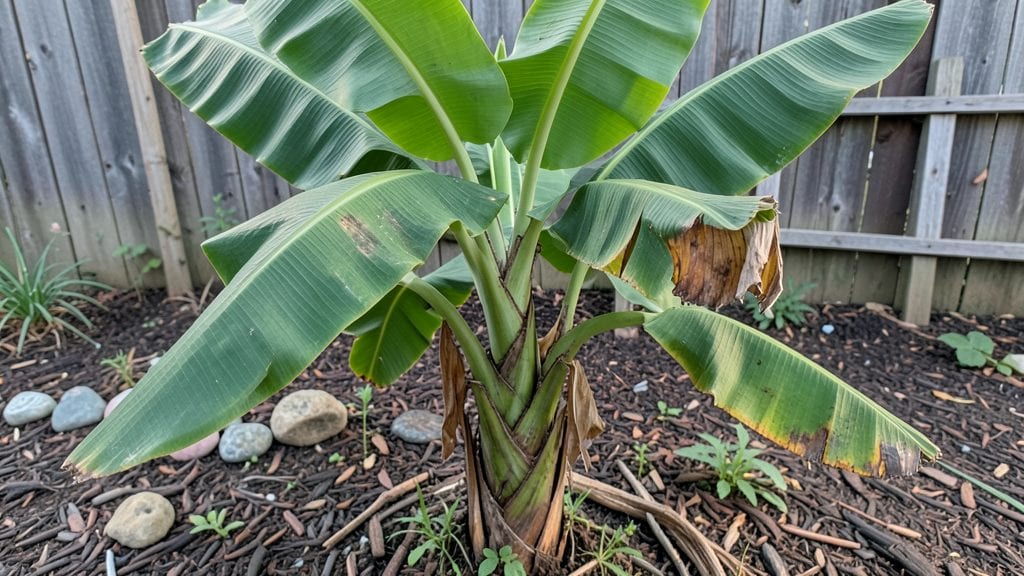
Some banana tree landscaping ideas can turn your yard into a sun-drenched paradise—these towering beauties don’t just produce fruit but become the centerpiece of your landscape, offering lush foliage and dramatic height. 🌿 My first banana tree arrived as a 6-foot sapling, and within a year, it became the statement piece of my backyard, casting dappled shade and attracting hummingbirds.
The key is choosing the right spot—banana trees thrive in full sun and warm climates but can be grown in containers for cooler zones. Pair them with palms, hibiscus, or bird-of-paradise for a cohesive tropical vibe, or use them as a privacy screen along fences.
In smaller spaces, dwarf varieties like ‘Dwarf Cavendish’ work beautifully in large pots, bringing the tropics to patios and balconies.
You’ll love the way they soften hard edges with their broad, glossy leaves and create a cool, shaded retreat during summer afternoons. With proper care, they grow 10-20 feet tall, providing year-round interest even when not in fruit.
The best part? Their edible fruit is a bonus—imagine plucking bananas straight from your garden!
Whether you’re designing a full tropical garden or just adding one statement plant, banana trees deliver dramatic impact with minimal effort. Let’s explore how to make them thrive in your space—no green thumb required!
📚 In This Guide
- What you need
- Instructions
- Tips and common mistakes
- Wrapping up and next steps
What you need
- ● Banana tree plants: 1–5 mature or young trees (depending on desired size; dwarf varieties like Musa acuminata 'Dwarf Cavendish' work well for small spaces).
- ● High-quality potting mix or well-draining soil: 5–10 cubic yards (mix in compost or coconut coir for moisture retention).
- ● Organic mulch: Wood chips or straw (2–3 inches thick) to retain moisture and regulate soil temperature.
- ● Fertilizer: Balanced 10-10-10 or citrus-specific fertilizer (follow package rates for application).
- ○ Slow-release granules: Optional but helpful for steady nutrient supply (e.g., Osmocote).
- ● Shovel and spade: 1 medium-sized shovel for digging and a spade for precision.
- ● Garden fork: 1 to loosen compacted soil.
- ● Pruning shears or loppers: For trimming dead fronds or shaping the tree.
- ● Wheelbarrow: 1 to transport soil, mulch, or tools.
- ● Garden hose with adjustable nozzle: For deep watering (or a drip irrigation system for efficiency).
- ● Measuring tape: To mark planting spots and spacing (banana trees need 10–15 feet apart for full growth).
- ● Gloves and knee pads: For comfort during planting and maintenance.
- ● Climate check: Banana trees thrive in USDA zones 10–11. In cooler climates, grow them in containers for winter protection or choose cold-hardy varieties like Musa basjoo.
- ● Sunlight: Full sun (6+ hours daily) is ideal; partial shade in hotter regions prevents stress.
- ● Water access: A reliable water source for deep, regular watering (especially in the first year).
- ○ Support structure (optional):strong> For heavy fruit-bearing trees, a stake or trellis may help stabilize them.
- ● Permits (if applicable): Check local regulations if planting near property lines or in HOAs.
How to design a stunning banana tree canopy in your landscape
Banana trees bring drama and tropical flair to any yard—here’s how to integrate them as a year-round focal point.
🌿 Step 1: Choose the Right Variety for Your Climate
Not all banana trees thrive in every zone. For cooler climates, opt for Musa basjoo or Dwarf Cavendish, which tolerate temperatures down to 15°F with proper protection. In warmer regions, Ice Cream Banana or Red Dacca deliver bold foliage and edible fruit. I always check the mature height—some varieties reach 15-20 feet, while dwarf types stay under 8 feet.
Plant near a south-facing wall or fence in colder areas to capture reflected heat. In frost-prone zones, mulch heavily around the base with 6 inches of organic mulch to insulate roots. The key is matching the tree’s hardiness to your last frost date—plant too early, and cold snaps will damage emerging shoots.
☀️ Step 2: Select the Perfect Planting Location
Banana trees crave full sun (6+ hours daily), but they also appreciate afternoon shade in scorching climates. I position mine where they get morning sun and afternoon dappled light—this prevents leaf scorch while maintaining energy production. Avoid low-lying areas where cold air pools, as even cold-hardy varieties struggle with prolonged temperatures below 30°F.
For a dramatic canopy effect, plant 3-5 trees in a staggered row, spacing them 10-15 feet apart to allow mature fronds to arch naturally. In smaller yards, use a single specimen tree as a centerpiece near patios or entryways, where the towering leaves create instant tropical ambiance. The goal is to mimic their natural understory habitat—partial shade at the base with open sky above.
🪴 Step 3: Create a Tropical Microclimate for Year-Round Growth
Banana trees thrive in rich, well-draining soil with a slightly acidic pH (5.5-6.5). Amend heavy clay with compost and coarse sand to improve drainage, and mix in a balanced 10-10-10 fertilizer at planting to kickstart growth. I always dig a hole twice as wide as the root ball to encourage outward root spread—banana trees hate root-bound conditions.
Mulch with 3-4 inches of wood chips or straw to retain moisture and regulate soil temperature. In containers, use a mix of 60% potting soil, 20% perlite, and 20% compost for optimal drainage. The secret to year-round success? Consistent moisture—banana trees wilt quickly when stressed, so water deeply 2-3 times per week during dry spells, keeping the soil 2-3 inches deep consistently damp.
✂️ Step 4: Prune Strategically for Shape and Health
Remove dead or damaged fronds at the base to redirect energy to new growth. I prune oldest leaves first, cutting them back to the pseudo-stem (the trunk-like structure) when they turn brown. Never prune more than 30% of the foliage at once, or the tree may struggle to recover. The best time to prune is early spring, just as new shoots emerge.
For a lush canopy, encourage multiple suckers (offshoots) by leaving 2-3 of the strongest near the base. Thin out weaker ones to prevent overcrowding. In colder climates, cut back fronds to 6 inches above ground before winter, then cover the base with burlap and straw for insulation. The goal is to maintain a balanced silhouette—tall, upright, and full of vibrant green leaves.
💧 Step 5: Protect and Maintain Through Seasons
In frost-prone areas, wrap the pseudo-stem with burlap or frost cloth once temperatures drop below 35°F. I also place a clear plastic dome over the crown to trap heat without suffocating the plant. In containers, move pots to a sheltered garage or basement during winter, keeping them in 50-60°F conditions. The key is preventing freeze damage to the growing point.
Fertilize lightly every 4-6 weeks during the growing season with a low-nitrogen, high-potassium blend to encourage fruiting and robust foliage. Watch for pests like spider mites or aphids, which thrive on stressed plants. A strong jet of water usually dislodges them, but severe infestations may require neem oil. With proper care, your banana trees will reward you with year-round tropical drama and occasional edible fruit.
Tips & tricks for perfect banana tree canopy design
Creating a tropical oasis with banana trees takes thoughtful planning—here’s how to elevate your landscape game.
Variety Matters: When selecting your Musa basjoo or Dwarf Cavendish for cooler climates, consider their growth habits. The 15-20 feet mature height of some varieties makes them perfect for creating dramatic focal points, while dwarf types under 8 feet work beautifully in smaller spaces. I’ve found that planting 3-5 trees in staggered rows (as mentioned in Step 2) creates that lush, layered canopy effect that looks professionally designed.
Microclimate Mastery: The 5.5-6.5 pH soil requirement is non-negotiable, but don’t stop there. For containers, that 60% potting soil, 20% perlite, 20% compost mix is your secret weapon. I’ve seen banana trees in containers thrive when the mix is slightly more porous than garden soil—this prevents those dreaded root rot issues. And remember, the 2-3 inches deep consistently damp soil guideline? Use a moisture meter to verify—banana trees are finicky about both overwatering and drought stress.
Pruning Precision: That 30% foliage maximum pruning rule in Step 4 is crucial, but here’s the trick: prune in stages. Remove 10% of the oldest leaves every 2-3 weeks during growing season. This gradual approach maintains photosynthesis while encouraging new growth. And when winterizing in colder climates, cutting back to 6 inches isn’t just about protection—it’s about forcing energy back into the root system for next year’s growth spurt.
Seasonal Strategy: The 35°F threshold for frost protection is your guide, but I’ve added an extra layer: install a frost-free spigot near your banana trees. This lets you water deeply before hard freezes, creating an insulating ice layer around the roots. For container trees, that 50-60°F winter storage range is ideal, but I’ve found adding a heating mat under pots extends the growing season by several weeks in marginal climates.
Pro Tips for Banana Tree Landscaping Ideas
- Creating a tropical oasis with banana trees takes thoughtful planning—here’s how to elevate your landscape game.
- Variety Matters: When selecting your Musa basjoo or Dwarf Cavendish for cooler climates, consider their growth habits.
- Microclimate Mastery: The 5.5-6.5 pH soil requirement is non-negotiable, but don’t stop there.
Frequently asked questions
Got questions about transforming your space with banana trees? Here are some of the most common ones—plus quick answers to help you get started!
Can banana trees survive in cold climates?
Most banana trees thrive in USDA Zones 10–12, where winters stay above 30°F (-1°C). For colder areas, opt for Musa acuminata varieties like the Dwarf Cavendish or grow them in containers for winter protection. Mulch heavily and wrap the trunk in burlap to shield it from frost. Pro tip: Plant near a south-facing wall to absorb extra heat!
How long does it take for a banana tree to grow big enough for landscaping?
Expect a banana tree to reach 6–10 feet tall in 1–2 years with proper care, but full maturity (and that iconic tropical look) can take 3–5 years. Dwarf varieties like the Red Dwarf grow faster (3–4 feet in a year), making them ideal for quicker landscaping impact. Patience pays off—just keep them well-watered and fertilized!
Are banana trees low-maintenance, or do they need constant care?
Banana trees are moderate-maintenance—they love regular watering (1–2 inches per week) and monthly feeding with a balanced fertilizer. They also need well-draining soil to avoid root rot. Prune dead fronds promptly, but avoid over-trimming. Once established, they’re resilient and reward you with lush foliage year-round! Quick fix: Use a drip irrigation system to save time.
Can I grow banana trees in containers, or do they need to be planted in the ground?
Dwarf varieties like the Ice Cream or Lady Finger banana thrive in large containers (15+ gallons) with drainage holes. Just use a lightweight potting mix and move pots indoors if temps drop below 50°F (10°C). Containers also let you rotate designs seasonally—perfect for renters or small spaces! Bonus: Elevate pots to prevent waterlogging.
What pests or diseases should I watch for with banana trees?
Common issues include:
- Spider mites (yellowing leaves) – Spray with neem oil.
- Banana weevils (wilted fronds) – Use systemic insecticides.
- Fungal diseases (black spots) – Improve airflow and avoid overhead watering.
Prevention tip: Inspect leaves weekly and remove damaged foliage immediately. Healthy soil = happy trees!
Wrapping up and next steps
Transforming your outdoor space with a banana tree isn’t just about aesthetics—it’s about creating a lush, tropical retreat that thrives year-round. From choosing the right variety to designing eye-catching focal points, these ideas bring warmth, texture, and even edible rewards to your landscape.
Whether you’re a seasoned gardener or just starting, the key is to start small, plan boldly, and let nature do the rest!
Ready to bring your vision to life? Pick one idea from this guide and sketch a simple layout—then grab your tools and watch your tropical oasis grow! 🌿✨