
Trees
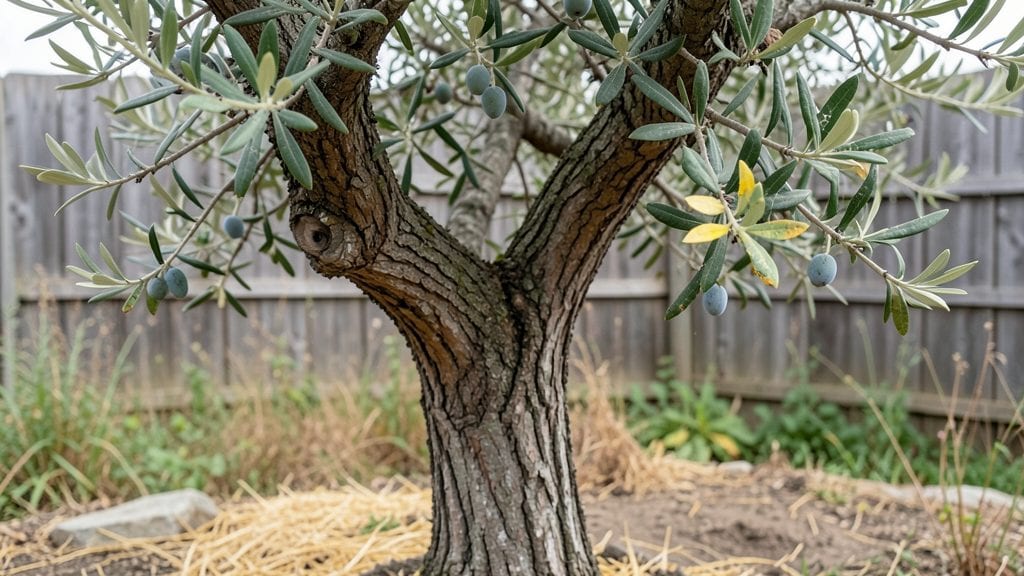
Caring for mature olive trees means unlocking years of silvery-green canopies and bountiful harvests—if you know their secrets. 🌿 These ancient trees thrive with the right pruning rhythm, soil balance, and pest watchfulness, especially in Mediterranean climates where they’ve flourished for centuries.
My first mature olive tree taught me that patience and precision pay off: proper care turns a struggling specimen into a productive powerhouse.
The key lies in seasonal timing: prune in late winter to shape growth, fertilize lightly in early spring, and watch for olive fruit fly or root rot—common threats that sneak up on mature trees.
I’ve seen neglected olives drop fruit prematurely, but with consistent care, they yield 5-10 years of reliable harvests. The soil needs good drainage and occasional calcium boosts to prevent bitter fruit, while mulching keeps roots cool in summer.
Harvesting comes down to timing: pick olives when they’re dark purple for table use or leave them on the tree to ripen for oil. My harvests doubled after I learned to thin clusters early in the season—now the fruit stays plump and flavorful.
The payoff? Trees that look majestic year-round and produce fruit that’s worth the effort.
Whether you’re tending a backyard specimen or managing a small orchard, these techniques adapt easily. The Mediterranean climate gives you an edge, but even cooler regions can grow olives with the right adjustments. Let’s get your trees thriving for decades to come.
📚 In This Guide
- What you need
- Instructions
- Tips and common mistakes
- Wrapping up and next steps
What you need
- ● Olive tree saplings: 1–3 mature (5+ years old) or young (1–2 years old) trees, certified disease-free. Choose varieties like Arbequina, Kalamata, or Manzanillo for optimal fruit.
- ● Well-draining soil: 5–10 cubic yards of a mix of loamy soil, sand, and compost (pH 6.0–8.0). Test soil before planting!
- ● Fertilizer: Balanced 10-10-10 fertilizer (10 lbs) for young trees.
- ● Low-nitrogen 6-6-6 or organic compost (5 lbs) for mature trees.
- ● Mulch: 3–5 cubic yards of wood chips or straw to retain moisture and regulate temperature.
- ○ Drip irrigation system: 10–20 ft of soaker hose or micro-sprinklers with a timer (optional but highly recommended).
- ● Pruning tools: 1 bypass pruners (for small branches).
- ● 1 pruning saw (for thick branches).
- ● 1 disinfectant spray (to prevent disease).
- ● Support stakes: 2–4 wooden or metal stakes (4–6 ft tall) + twine or straps for young trees.
- ● Pest control: Neem oil (16 oz) or horticultural oil for organic protection.
- ● Soil amendments: Gypsum (5 lbs) or lime (if soil is acidic).
- ● Tree guards: 1–2 metal or plastic tree collars to protect trunks from pests.
- ● Weather monitoring: A thermometer/hygrometer to track Mediterranean climate conditions.
- ● Harvesting tools: Olive picking rake or long-handled shears for fruit collection.
- ● Shade cloth: 30% shade fabric (10x10 ft) for young trees in hot climates.
Step-by-Step guide to caring for mature olive trees in Mediterranean climates
Here’s how to coax abundant fruit from established olive trees using proven techniques.
💧 Step 1: Master Watering for Deep Root Development
Olives thrive on infrequent, deep watering—never let the soil stay soggy. In summer heat, water once every 10-14 days at the tree’s drip line, delivering 15-20 gallons per watering to encourage roots to grow downward. You’ll know you’ve hit the right depth when the top 6 inches of soil feel dry—stick your finger in to check.
Real talk: Overwatering is the fastest way to kill an olive tree. If the soil stays damp for more than 48 hours after watering, you’re doing it wrong. Drip irrigation is ideal—it delivers water slowly at the roots where it matters most, avoiding fungal issues on leaves.
☀️ Step 2: Optimize Sunlight and Prune for Airflow
Mature olive trees demand full sun—at least 8 hours daily—but they’ll tolerate brief afternoon shade in extreme heat. If your tree’s leaves start yellowing or dropping prematurely, it’s either too hot or not enough airflow. Prune in late winter or early spring to open the canopy: remove dead, crossing, or inward-growing branches first, then thin out 1/3 of the oldest wood to stimulate new growth.
Here’s the thing—olives produce best when they’re slightly stressed. If you see excessive leaf drop in summer, it’s not necessarily a problem. Just ensure the tree gets consistent moisture during dry spells. Avoid heavy pruning after June 1st—new growth won’t harden off before winter.
✂️ Step 3: Fertilize Strategically for Fruit Production
Olives are light feeders, but balanced fertilization in early spring (before buds swell) boosts fruit set. Use a 10-10-10 or 8-3-9 fertilizer—the key is low nitrogen to prevent leafy growth at the expense of olives. Apply ½ pound per year of tree age (max 2 pounds for mature trees) and water it in immediately. Avoid fertilizing after July 1st, or you’ll risk tender new growth that won’t survive frost.
Watch for tiny white flies or black sooty mold on leaves after fertilizing—these signal overfeeding. If you see them, flush the soil with 2 gallons of water and reduce next year’s fertilizer by 25%. Organic options like composted manure (applied in fall) work too, but test soil first—olives hate soggy, nutrient-rich soil.
🌿 Step 4: Protect Against Pests and Diseases Year-Round
Olive trees face two main threats: scale insects and verticillium wilt. For scale, spray neem oil (1 tablespoon per gallon of water) every 2 weeks in summer until infestations clear. Verticillium wilt shows as yellowing leaves and dieback—once a tree contracts it, there’s no cure. Prevent it by removing infected branches immediately and avoiding overhead watering (which splashes spores onto leaves).
Here’s where it gets fun—olives actually benefit from occasional stress. If you notice leaf curl or minor defoliation in late summer, it’s often the tree adjusting to heat. Just ensure the soil isn’t bone-dry. The goal is minimal intervention: healthy olives develop thick, leathery leaves that shrug off pests naturally.
Tips & tricks for perfect mature olive tree care
These proven strategies will help you nurture a thriving olive tree that produces abundant fruit year after year.
Watering Wisdom: The 10-14 day watering schedule in Step 1 is non-negotiable, but timing matters just as much. Always water in the early morning to allow foliage to dry completely before nightfall, preventing fungal diseases. I've seen olive trees develop root rot simply because owners watered in the evening—moisture lingers overnight, creating the perfect breeding ground for pathogens. Use a moisture meter to verify when the top 6 inches of soil are truly dry before watering again.
Pruning Precision: When you're thinning out that 1/3 of oldest wood in Step 2, focus on branches that are thicker than a pencil—these are the ones stealing energy from fruit production. I learned this the hard way after pruning too many thin branches and ending up with a bushy tree full of leaves but no olives. Make your cuts just outside the branch collar (that swollen area where the branch meets the trunk) to prevent infection. And always sterilize your pruners with rubbing alcohol between cuts to avoid spreading disease.
Fertilizer Strategy: That ½ pound per year of tree age guideline in Step 3 is perfect, but here's what nobody tells you—olives actually absorb nutrients best when applied to moist soil. After spreading your 10-10-10 or 8-3-9 fertilizer, give the tree a thorough watering (about 10 gallons) to activate the nutrients. I've noticed a significant difference in fruit set when I follow this practice versus just sprinkling and walking away. Also, consider a soil test before fertilizing—many Mediterranean soils are naturally nutrient-poor, and you might not need as much as the guidelines suggest.
Pest Prevention: For those scale insect sprays in Step 4, I've found that adding a few drops of dish soap (1 teaspoon per gallon) to your neem oil mixture significantly improves adhesion to the leaves. The soap creates a slight film that helps the neem oil stick better, especially on the waxy olive leaves. Apply in the early morning when humidity is high for maximum effectiveness. And don't forget to treat the undersides of leaves—this is where scale insects often hide and multiply undetected.
Pro Tips for Mature Olive Trees
- These proven strategies will help you nurture a thriving olive tree that produces abundant fruit year after year.
- Watering Wisdom: The 10-14 day watering schedule in Step 1 is non-negotiable, but timing matters just as much.
- Pruning Precision: When you're thinning out that 1/3 of oldest wood in Step 2, focus on branches that are thicker than a pencil—these are the ones stealing energy from fruit production.
Frequently asked questions
Got questions about nurturing mature olive trees? You’re not alone! Here are answers to the most common queries—from pruning puzzles to pest problems—so you can keep your grove thriving like a Mediterranean pro.
How often should I prune mature olive trees?
Prune mature olive trees lightly in late winter or early spring (just before buds swell) to shape the canopy and encourage fruit production. Avoid heavy pruning—olives are slow to recover. Focus on removing dead wood, crossing branches, and thinning to improve airflow. Pro tip: Never prune more than 25% of the tree’s foliage at once!
What pests or diseases threaten mature olive trees?
Watch for olive fruit fly (a major nuisance), scale insects, and verticillium wilt (a fungal disease). Prevent fruit fly infestations with yellow sticky traps and kaolin clay sprays. For scale, blast off colonies with water or use horticultural oil. If you spot wilting leaves or dark streaks in wood, act fast—remove infected branches and sterilize pruners.
How long does it take for mature olive trees to bear fruit?
Patience is key! While young trees (3–5 years old) may produce a few olives, full fruit production typically starts at 5–10 years for grafted varieties. Dwarf or semi-dwarf trees may bear sooner (3–5 years). Boost yields by ensuring full sun (6+ hours/day), well-draining soil, and consistent watering—especially during dry spells.
Can mature olive trees survive drought?
Olive trees are drought-tolerant once established (after 2–3 years), thanks to their deep roots. However, younger trees need regular watering (deep soak 1–2x/week in dry climates). Mature trees thrive with minimal irrigation—just water during prolonged dry spells (no rain for 4+ weeks). Overwatering is worse than drought!
Are there olive tree alternatives for non-Mediterranean climates?
If your climate isn’t Mediterranean, consider cold-hardy varieties like ‘Arbequina’ (zones 7–10) or ‘Frantoio’ (zones 8–10). For cooler areas, grow ornamental olives (e.g., Olea europaea ‘Gallina’) or opt for container gardening—move pots indoors in winter. Alternatively, try pomegranates or figs, which share similar care needs but adapt better to heat or humidity.
How do I revive a struggling mature olive tree?
Start with a soil test—olives hate soggy roots! Improve drainage by amending soil with sand or gravel, and mulch (2–3 inches) to retain moisture. Fertilize lightly in early spring with low-nitrogen, high-phosphorus fertilizer (e.g., 6-12-12). Prune dead branches and inspect for pests. If leaves yellow, it may need iron or zinc—use a chelated supplement. Persistent issues? Consult a local arborist.
Wrapping up and next steps
Growing mature olive trees is a rewarding journey that blends patience, care, and a deep appreciation for the Mediterranean climate. With the right soil, pruning techniques, and a touch of sunshine, you’ll soon enjoy the rich harvests and timeless beauty these trees bring.
Whether you’re a seasoned gardener or just starting, every step you take brings you closer to that golden, fruity payoff! 🌿✨
Ready to take the next step? Start by observing your tree’s progress—note its growth patterns, prune strategically, and protect it from pests. Soon, you’ll be savoring homemade olive oil or fresh olives straight from your backyard. Happy growing! 🍃