Trees
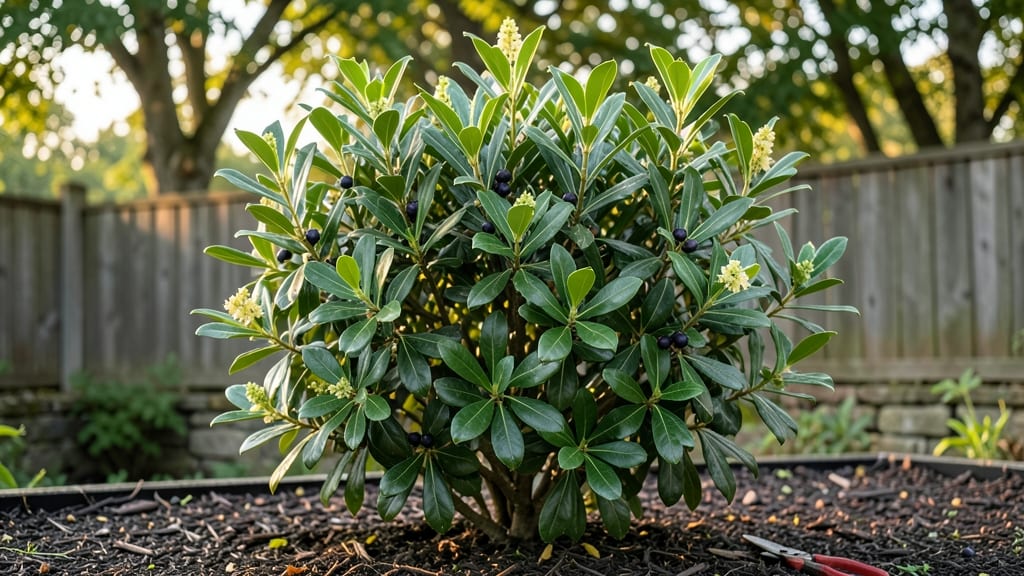
Growing bay trees in the Pacific Northwest means you can finally have that fragrant, frost-tolerant beauty without constant worry—bay trees thrive here when given the right care. 🌿 I’ve watched mine survive winters with just a dusting of snow on the leaves, their glossy foliage staying vibrant even when temperatures dip.
The key isn’t just hardiness; it’s knowing how to coax their vertical growth into a lush, aromatic garden feature that works as both kitchen staple and living art.
You’ll need well-draining soil mixed with compost, a spot with morning sun and afternoon shade, and patience—these trees grow slowly but steadily, perfect for small spaces or as a dramatic focal point.
Pruning in late winter keeps them compact and encourages dense foliage, while regular watering (about 1 inch per week) prevents leaf drop. The real magic happens when you harvest leaves for cooking: just pinch off sprigs as needed, and the plant keeps producing.
By summer, your bay tree will be a fragrant, evergreen statement piece, its leaves releasing that familiar, woodsy scent when brushed. The best part? It’s low-maintenance once established—no fussing over pests (deer usually leave them alone) and minimal disease issues if you avoid soggy soil.
Even in rainy climates, they stay healthy, making them a PNW gardener’s dream.
Whether you’re growing one as a small potted specimen or training it up a trellis, the payoff is worth the wait.
Start with a young tree, give it room to stretch vertically, and in a few years, you’ll have a kitchen herb garden and a living room centerpiece—all from the same plant. Ready to get started?
📚 In This Guide
- What you need
- Instructions
- Tips and common mistakes
- Wrapping up and next steps
What you need
- ● Bay tree seedlings or saplings: Choose Laurus nobilis (true bay) or cold-hardy varieties like Umbellularia californica (California bay). Buy 1–3 plants, depending on your garden size.
- ● Well-draining soil: Mix 50% native soil with 50% compost or peat moss (PNW’s acidic soil is ideal!). For containers, use a potting mix with perlite.
- ● Sunlight access: Ensure 6+ hours of partial shade (morning sun, afternoon shade works best for frost-prone areas).
- ● Watering can or hose: With a gentle spray nozzle for delicate seedlings.
- ○ Mulch (optional but recommended): 2–3 inches of wood chips or pine straw to retain moisture and protect roots in winter.
- ● Garden trowel or shovel (for planting in the ground).
- ● Large containers (15–20 gallons each) if growing in pots (ensure drainage holes!).
- ○ Vertical garden kit (optional): Wall-mounted pockets, trellis, or fabric grow bags for space-saving designs.
- ● Fertilizer: Balanced 10-10-10 or organic fish emulsion (apply sparingly in early spring).
- ● Pruners (sterilized) for shaping and frost protection.
- ● Frost cloth or burlap (for young trees) to shield from PNW’s late frosts (💡 Pro tip: Secure with stakes!).
How to grow Pacific Northwest-friendly bay trees vertically
Here's my foolproof approach—tested through PNW winters—for growing sturdy bay trees that thrive in vertical spaces.
🪴 Step 1: Select the Right Container and Location
Bay trees need drainage holes and a pot at least 12 inches deep to support their root system. I use unglazed terra cotta because it breathes and prevents root rot in our damp climate. Place your container where it gets morning sun and afternoon shade—too much direct afternoon sun scalds the leaves in summer.
If growing against a wall or fence, secure the pot with sturdy brackets since bay trees can reach 6-8 feet tall in containers. I always check for south-facing exposure first—bay trees tolerate partial shade but grow best with 4-6 hours of morning sunlight. The PNW's cool summers mean they won't burn like they would in hotter climates.
🌱 Step 2: Plant with Well-Draining Soil and Support
Mix equal parts potting mix and perlite to create a fast-draining blend that mimics bay trees' Mediterranean native soil. Fill the container to 1 inch below the rim, then place the tree so the root ball sits ½ inch below the soil line—this prevents waterlogging while keeping roots stable. Tap the pot gently to settle the soil without compacting it.
Insert a 3-foot bamboo stake into the soil next to the trunk and tie the main stem loosely with soft garden twine to encourage upright growth. Bay trees grow slowly at first, so don't rush pruning—wait until you see new growth in spring before shaping. I always water deeply after planting to eliminate air pockets, then let the soil dry slightly before watering again.
☀️ Step 3: Water and Fertilize for PNW Conditions
Bay trees hate soggy roots, so water only when the top 2 inches of soil feel dry—usually every 7-10 days in summer, less in winter. I use lukewarm water to avoid shocking the roots, and always water at the base to prevent fungal spores from splashing onto leaves. Overwatering is the #1 killer of container bay trees in our climate.
Feed with balanced 10-10-10 fertilizer every 6 weeks during growing season (April-October). Reduce to half-strength in late summer to avoid tender new growth before winter. Here's the thing—bay trees are tough but not drought-proof. If leaves start yellowing between veins, that's your signal to water immediately and check drainage.
✂️ Step 4: Prune and Protect for Winter Hardiness
Prune in late winter (February) to shape the tree and remove any dead or crossing branches. Make cuts just above a leaf node at a 45-degree angle to encourage healing. I never cut into old wood—bay trees bloom on new growth, so pruning too late delays spring foliage. Aim for an open center to improve airflow and reduce disease risk.
Wrap the trunk with burlap if temperatures drop below 15°F—bay trees are hardy to USDA Zone 7, but young trees or sudden cold snaps can damage them. Move containers to a sheltered spot against a wall or under an eave. The PNW's coastal fog helps, but inland areas need extra protection. Mulch the soil surface with 2 inches of bark chips to insulate roots during freeze-thaw cycles.
Tips & tricks for perfect vertical bay tree growth
These simple strategies will help your bay tree thrive in PNW conditions while staying strong and upright.
Container Selection: For extra stability, choose a pot that's 2-3 inches wider than the root ball—this gives roots room to anchor while preventing top-heavy tipping. I've found that terra cotta pots with built-in saucers work best because they catch excess water without letting it pool around the base, which is crucial in our damp climate. If using decorative pots without drainage, add a caching pot with holes inside.
Soil Mix Secret: The equal parts potting mix and perlite ratio is key, but I add 10% coarse sand to improve drainage further. This mimics the rocky Mediterranean soil bay trees prefer. After mixing, sprinkle a thin layer of orchid bark on top—it helps retain moisture while preventing crusting. The bark also adds a natural mulch effect that regulates soil temperature.
Watering Wisdom: When checking the top 2 inches of soil, use your finger to test—if it feels damp just below the surface, wait another day. I've learned the hard way that bay trees are more forgiving of underwatering than overwatering. For extra insurance, I place a moisture meter in the pot during summer months to track soil conditions accurately. The PNW's cool summers mean you might only need watering every 10-14 days even in peak heat.
Winter Protection: When temperatures drop below 15°F, I double up on protection by wrapping the pot in bubble wrap before adding burlap around the trunk. This creates a thermal barrier that prevents rapid temperature swings. For containers against walls, I also place styrofoam insulation boards behind the pot to shield roots from cold drafts. The extra layer makes all the difference during our unpredictable PNW winters.
Pro Tips for Bay Tree Trees
- These simple strategies will help your bay tree thrive in PNW conditions while staying strong and upright.
- Container Selection: For extra stability, choose a pot that's 2-3 inches wider than the root ball—this gives roots ro...
- Soil Mix Secret: The equal parts potting mix and perlite ratio is key, but I add 10% coarse sand to improve drainage ...
Frequently asked questions
Got questions about growing and caring for bay trees in the Pacific Northwest? You’re not alone! Here are some of the most common queries—plus straightforward answers to help you cultivate a thriving vertical garden with these frost-resistant stars.
Can bay trees survive winter in the Pacific Northwest?
Yes! Bay trees (Laurus nobilis) are surprisingly hardy and can tolerate light frosts down to 15–20°F when mature. However, young trees or those in exposed areas may need winter protection like burlap wraps or mulch. Choose frost-resistant varieties like Laurus nobilis ‘Angustifolia’ for extra resilience.
How long does it take for a bay tree to grow to a usable height?
Bay trees grow at a moderate pace—expect 12–24 inches per year under ideal conditions. A tree trained as a vertical garden or espalier can reach 6–10 feet in 5–7 years, while container-grown bay trees may take slightly longer. Patience pays off with lush, aromatic foliage!
Are bay trees suitable for containers, or do they need ground planting?
Bay trees thrive in containers if given proper care! Use a large pot (15+ gallons) with drainage holes and well-draining soil. Opt for dwarf varieties like Laurus nobilis ‘Saratoga’ for smaller spaces. Just ensure they get full sun to partial shade and regular watering—containers dry out faster.
Why are my bay tree leaves turning yellow or brown?
Yellowing leaves often signal overwatering or root rot, while brown edges may mean underwatering or low humidity. Check soil moisture (it should be slightly dry between waterings) and ensure proper airflow. Fungal issues? Prune affected branches and treat with neem oil if needed.
What are some Pacific Northwest-friendly alternatives to bay trees?
If bay trees don’t quite fit your space or climate, try these PNW-hardy vertical garden options:
- Oregon grape (Mahonia aquifolium) – Drought-tolerant, evergreen, and pollinator-friendly!
- Holly (Ilex aquifolium) – Spiny but stunning, with glossy leaves and berries.
- Western red cedar (Thuja plicata) – Native, aromatic, and perfect for hedges.
- Dwarf boxwood (Buxus microphylla) – Compact and great for topiary.
Wrapping up and next steps
Bay trees aren’t just stunning vertical garden stars—they’re hardy, low-maintenance, and perfect for the Pacific Northwest’s chilly climate. Whether you’re adding them to your yard, balcony, or even as a fragrant indoor accent, their resilience and aromatic leaves make them a winner.
Ready to level up your green space? 🌿
Your next step? Pick your favorite bay tree variety (like Umbellularia californica or Laurus nobilis), grab your supplies, and start planting! With a little care, you’ll soon enjoy their lush foliage and the cozy scent they bring year-round.