
Pruning
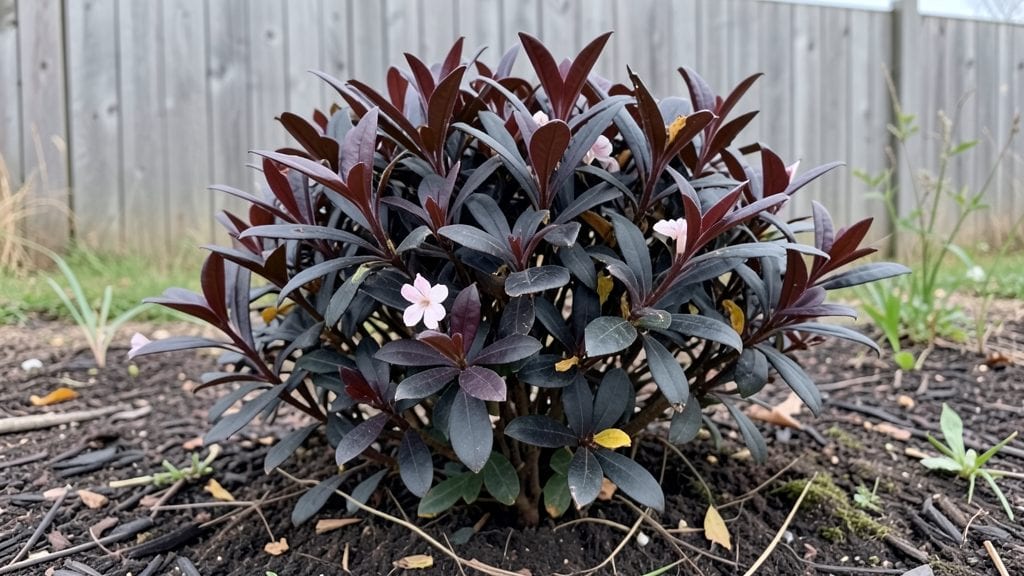
Pruning your black tea tree (Leptospermum petersonii) isn't just about shaping—it's about reviving what frost can't destroy. 🌱 After years of watching my own tea tree struggle through harsh winters, I discovered the strategic cuts that turn brittle branches into lush, productive growth by spring.
The key? Timing, technique, and knowing which stems hold the most promise.
This isn't complicated—just intentional. You'll need sharp pruners, a clear day (no frost warnings), and about 30 minutes for a mature tree. The goal is to remove dead wood first, then thin out crowded branches to let sunlight and air circulate.
I learned the hard way that aggressive pruning after a freeze can stress the plant, so we'll focus on gentle revival cuts that encourage new shoots without shocking the tree.
What you'll end up with is a tea tree that bounces back stronger every year—thicker stems, more vibrant foliage, and those signature white flowers that attract pollinators. The best part?
You'll harvest more leaves for tea-making or simply enjoy the ornamental beauty of a tree that looks like it just woke up from a long nap. Let's get those pruners ready.
This method works for tea trees in zones 8-11, whether you're pruning for tea production or landscape shape. The same principles apply to container-grown tea trees, just scaled down. Here's exactly how to do it without turning your tree into a winter casualty.
📚 In This Guide
- What you need
- Instructions
- Tips and common mistakes
- Wrapping up and next steps
What you need
- ● Pruning shears: Bypass pruners (for clean cuts on small branches) or anvil pruners (for thicker stems). Look for sharp, rust-resistant blades (e.g., Felco or Fiskars).
- ● Loppers: 1 pair (for branches ½"–2" in diameter). Opt for extendable handles for reach.
- ● Hand saw: 1 small pruning saw (for branches >2" thick). Choose a curved blade for precision.
- ● Disinfectant: 70% isopropyl alcohol or a 10% bleach solution (1 part bleach to 9 parts water). Prevents disease spread between cuts.
- ● Gloves: 1 pair of heavy-duty gardening gloves (to protect from thorns and sap).
- ○ Pruning sealant (optional): Wound dressing (e.g., Tanglefoot Tree Wound Pruning Seal) for large cuts.
- ● Timing: Prune in late winter or early spring (before new growth) or after flowering (if your tree blooms). Avoid pruning during frost or extreme cold.
- ● Weather: Choose a dry, cloudy day to minimize stress on the tree.
- ● Safety gear: Safety glasses (to shield from debris) and long sleeves/pants (for protection).
- ● Cleanup supplies: Heavy-duty trash bags (for debris) and a rake (for clearing fallen leaves/branches).
Step-by-Step guide to pruning your frost-resistant black tea tree
Reviving your black tea tree through smart cuts keeps it lush and frost-tough.
✂️ Step 1: Time Your Pruning for Best Results
Prune your black tea tree in early spring, just as new growth begins—typically 2-3 weeks before last frost. This timing ensures you remove damaged winter growth while leaving enough time for fresh shoots to harden before cold snaps. Avoid pruning in fall; new growth won’t have time to mature before winter, making it vulnerable to frost damage.
Watch for tender new buds along the branches—these signal the tree’s readiness to regrow. If you prune too early, you risk cutting healthy growth. If you wait too late, you’ll remove next year’s flowers and leaves. I like to prune on a warm, dry day when the soil is thawed but the air isn’t yet scorching—usually mid-March in most climates.
✂️ Step 2: Assess and Remove Dead or Damaged Branches
Start by examining the tree for dead, broken, or frost-blackened branches. These will be brittle, snap easily when bent, or show no green underneath the bark. Use clean, sharp pruning shears to cut these back to the main trunk or a healthy outward-facing bud. Never leave stubs—this invites disease and weakens the tree’s structure.
Next, look for crossing branches or those growing inward toward the center. These compete for sunlight and air circulation, making the tree more susceptible to pests and disease. Remove the weaker of the two branches at its base. You’ll know you’ve made the right call when the remaining branches spread outward naturally, creating an open, airy canopy.
🌿 Step 3: Thin Out for Airflow and Light Penetration
Black tea trees thrive when they get good airflow and sunlight—this prevents fungal issues and encourages strong growth. Step back and look at the tree’s shape. Aim to remove about 20-30% of the foliage, focusing on branches that are too dense or block light from reaching the center. Start at the outer edges and work inward.
Use your shears to trim back branches that are growing too close together. Cut just above a leaf bud or side branch that’s growing outward. Avoid cutting into the center of the tree unless absolutely necessary—this can create a "dead zone" where light and air don’t reach. You’ll see the difference immediately: the tree will look more open and inviting, with sunlight streaming through to the inner branches.
✂️ Step 4: Shape for Balance and Frost Resistance
Now it’s time to refine the tree’s shape. Black tea trees respond well to natural, rounded forms—this helps them shed snow and ice more easily in winter. Use your shears to trim back any branches that are growing too long or uneven. Cut just above a bud that’s facing outward to encourage new growth in the right direction.
Pay special attention to the top of the tree. If it’s too heavy or top-heavy, it’s more likely to snap under snow or ice. Trim back the very top slightly to lighten the load and improve stability. You’ll know you’ve got the balance right when the tree looks evenly proportioned from all sides, with no single branch dominating the shape.
💧 Step 5: Clean Up and Protect the Tree
After pruning, remove all clippings from the base of the tree to prevent disease and pests. You can compost them, but don’t leave them piled near the tree—this creates a moist, dark environment where fungi and insects thrive. Sterilize your shears with rubbing alcohol between cuts to avoid spreading any potential infections.
Once you’re done, give the tree a deep watering to help it recover from the stress of pruning. Focus on the root zone, watering slowly until the soil is moist 6 inches down. This encourages strong root growth, which is especially important if your tree has been damaged by frost. Mulch around the base with 2-3 inches of organic mulch to retain moisture and protect roots from future temperature swings.
Tips & tricks for perfect black tea tree pruning
Here's what nobody tells you about pruning your frost-resistant black tea tree—these tricks will keep it thriving for years.
Timing is Everything: That 2-3 weeks before last frost window is critical because it gives new growth time to harden before winter. I learned this the hard way after pruning too late one spring—my tree struggled through that winter. Check your local frost dates online or use a weather app to pinpoint the perfect time. A warm, dry day in mid-March usually works for most climates, but verify with your specific last frost date.
Visual Cues for Healthy Cuts: When removing branches in Step 2, look for these telltale signs: healthy branches should bend slightly without snapping, and the bark underneath should be green. For crossing branches, remove the weaker one by cutting at its base—this creates that open canopy we want. If you're unsure which branch to remove, look for the one with more vibrant green leaves or thicker growth. Remember, you're creating space for sunlight and air to circulate.
Pruning Technique for Frost Resistance: In Step 4, focus on creating that natural rounded shape by cutting just above outward-facing buds. This isn't just about looks—it helps the tree shed snow and ice more easily during winter storms. For the top of the tree, aim to lighten the load by trimming back any branches that make it top-heavy. You'll know you've got the balance right when you can't see the trunk from directly below—it should be hidden by the foliage.
Post-Pruning Care: After you've finished cutting, don't forget the deep watering in Step 5. Focus on getting that moisture down to 6 inches—this helps the roots recover from the stress of pruning. I've found that mulching with 2-3 inches of organic material right after watering makes a huge difference in protecting those roots from temperature swings. Just make sure to keep the mulch a few inches away from the trunk to prevent rot.
Pro Tips for Black Tea Tree
- Here's what nobody tells you about pruning your frost-resistant black tea tree—these tricks will keep it thriving for years.
- Timing is Everything: That 2-3 weeks before last frost window is critical because it gives new growth time to harden before winter.
- Visual Cues for Healthy Cuts: When removing branches in Step 2, look for these telltale signs: healthy branches should bend slightly without snapping, and the bark underneath should be green.
Frequently asked questions
When is the best time to prune a black tea tree to survive frost?
Prune your black tea tree after the last frost in late winter or early spring (typically March–April in most climates). This gives it time to harden off before cold snaps. Avoid heavy pruning in fall—new growth is vulnerable to frost damage. Pro tip: If frost hits unexpectedly, wait until spring to trim damaged branches to avoid stressing the plant further.
How do I know if my black tea tree has frost damage?
Look for brown, crispy leaves, blackened stems, or branches that snap easily when bent. If the damage is only on the tips or outer leaves, the tree may recover. For severe damage (e.g., split bark or dead wood), prune only the affected areas—never remove more than 25% of the plant at once. Pro tip: Check for green buds under damaged foliage; if they’re alive, the tree can regrow!
Can I prune a black tea tree in winter for frost protection?
Light shaping or removing dead branches in dormant season (late winter) is fine, but avoid heavy pruning. Winter cuts can expose tender wood to cold, increasing frost risk. If you must prune in winter, do it on a mild day (above 40°F) and seal larger cuts with pruning sealant. Pro tip: Focus on airflow—thin out dense areas to reduce frost pockets.
What’s the difference between pruning for frost resistance vs. general maintenance?
| Frost-Resistant Pruning | General Maintenance |
|---|---|
|
|
Pro tip:
Combine both approaches in spring—start with frost prep, then refine the shape!
My black tea tree leaves turned yellow after pruning—what went wrong?
Yellowing leaves often signal over-pruning or stress. If it happened right after trimming, you may have cut too aggressively (e.g., removing >30% of foliage). For mild cases, water deeply and fertilize lightly with a balanced formula. Severe stress? Trim back only the new growth and monitor for pests (like spider mites, which thrive on stressed plants). Pro tip: Prune in early morning to reduce shock—tools and cuts are cooler, and the tree recovers faster.
Wrapping up and next steps
Pruning your black tea tree isn’t just about shaping—it’s a revival strategy that boosts frost resistance, health, and beauty! 🌿 With the right tools, timing, and techniques, you can transform a struggling shrub into a thriving centerpiece. Remember: patience and precision are key—each cut is a step toward long-term success.
Ready to take action? Start by observing your tree this season, then grab your pruners and get cutting! Whether you’re a beginner or a green thumb, every snip brings you closer to a resilient, stunning black tea tree. Happy pruning! ✂️🌟