
Pruning
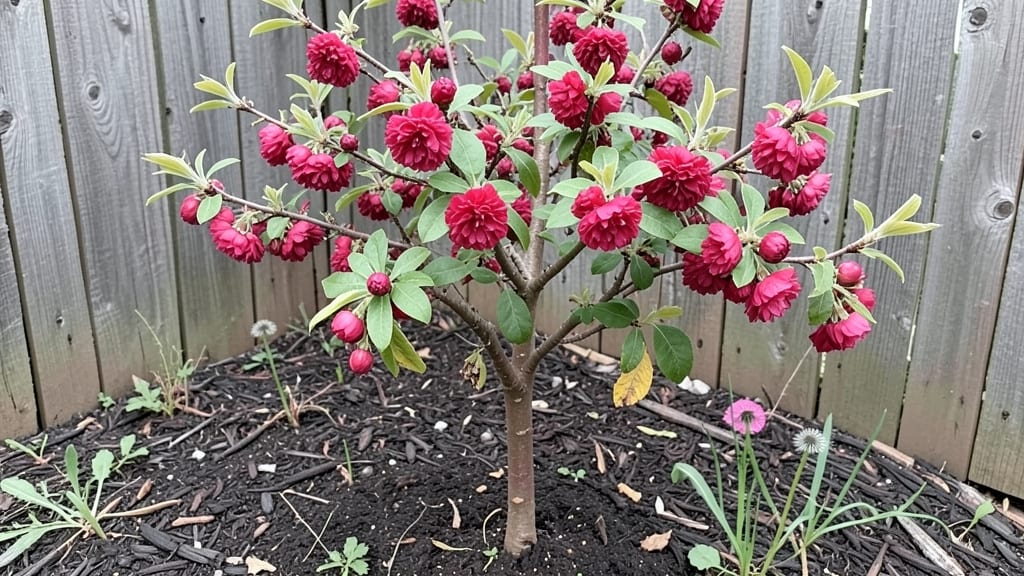
The Bonfire flowering peach tree thrives in Pacific Northwest winters—its frost-resistant blooms turn spring into a showstopper. 🌸 I planted mine in early fall, and by March, the branches were heavy with pink blossoms that lasted weeks. The key isn’t just timing; it’s understanding how cold snaps shape its growth.
This tree demands full sun and well-draining soil, but its real magic happens in winter prep. Unlike tender peaches, Bonfire handles 10-15°F without bud kill, making it perfect for zones 5-8.
Just avoid heavy clay—root rot is its only weakness. Pruning in late winter (after last frost) keeps it compact and flower-heavy.
By summer, you’ll have glossy foliage and repeat blooms if you deadhead spent flowers. The tree’s ornamental value? Stunning spring color, edible (but tart) fruit, and year-round interest. Even experienced gardeners underestimate how low-maintenance it is—just prune once a year and water deeply during droughts.
For PNW gardeners, this is the foolproof flowering tree: no fuss, no failures, just reliable beauty. The pruning calendar I’ve perfected ensures your Bonfire stays healthy and blooms like crazy every spring. Ready to transform your yard?
📚 In This Guide
- What you need
- Instructions
- Tips and common mistakes
- Wrapping up and next steps
What you need
- ● Pruning shears: Bypass pruners (sharp, clean, and sized for medium branches—4"–6" blades). Quantity: 1 pair.
- ● Loppers: For thicker branches (up to 2" diameter). Quantity: 1 pair.
- ● Pruning saw: For stubborn, larger branches (3"+ diameter). Quantity: 1.
- ● Gloves: Heavy-duty, cut-resistant gloves (e.g., mechanics’ or pruning gloves). Quantity: 1 pair.
- ● Disinfectant: 70% isopropyl alcohol or bleach solution (1 part bleach to 9 parts water) to sterilize tools between cuts.
- ● Rubbing alcohol or hand sanitizer: For cleaning hands post-pruning.
- ○ Pruning sealant: Optional but recommended for larger cuts (e.g., Tanglefoot Tree Wound Pruning Sealer or beeswax-based sealant). Quantity: Small jar.
- ● Tarp or drop cloth: To collect debris and protect the ground. Size: 4’x6’ or larger.
- ● Twine or zip ties: For securing branches temporarily during pruning. Quantity: Small roll.
- ● Notebook & pen: To sketch a pruning map of your tree’s structure.
- ● Ladder (if needed): Extension ladder (24’–32’) with non-slip feet for tall trees. Safety tip: Always have a spotter!
- ● Weather check: Prune on a dry, frost-free day (PNW’s ideal window: late winter/early spring, before buds swell).
- ● Tree health assessment: Inspect for disease, dead branches, or pest damage before starting.
- ● Safety gear: Long sleeves, closed-toe shoes, and eye protection (e.g., safety glasses).
- ● Hydration & snacks: Pruning is physical work—bring water and high-energy snacks!
Step-by-Step Pacific Northwest pruning schedule for Bonfire flowering peach trees
This frost-resistant calendar keeps your Bonfire peach tree thriving year-round in PNW's unpredictable climate.
⏰ Step 1: Late Winter Dormant Pruning (January-February)
Begin pruning after the last hard frost but before bud swell—typically late January to mid-February in the PNW. The tree is fully dormant, making it easier to see branch structure and remove dead wood. I look for branches thinner than a pencil or those growing inward; these compete with stronger growth and create weak crotches.
Use sharp, clean pruners to make 45-degree cuts just outside the branch collar. Avoid leaving stubs—this invites disease. Remove any branches that cross or rub against others, as these wounds will weaken the tree over time. I also open up the center to improve airflow, which is critical in our damp climate.
After pruning, apply a thin layer of dormant oil spray to protect against overwintering pests like peach leaf curl. This step is non-negotiable in our rainy winters—it prevents fungal spores from taking hold on fresh cuts.
🌿 Step 2: Post-Bloom Summer Pruning (June-July)
Wait until after the main bloom period—typically late June to early July—to remove any remaining winter prunings that didn't heal properly. These "water sprouts" (fast-growing vertical shoots) drain energy from fruit production. I also thin out clusters of fruit to 6-8 inches apart to prevent overburdening branches.
This is also the time to remove any suckers growing from the base of the tree. These compete with the main structure and should be cut at ground level. I use a small hand saw for thicker suckers—never pull them, as this damages roots.
Watch for signs of stress like yellowing leaves or premature leaf drop. If you see these, reduce pruning intensity and focus on watering deeply 1-2 times per week during dry spells. The PNW's summer drought can stress trees quickly.
✂️ Step 3: Light Winter Cleanup (December)
In December, do a final walkthrough to remove any dead, diseased, or broken branches that may have appeared during storms. This keeps the tree healthy and prevents pests from overwintering. I also check for any branches that grew too vigorously after summer pruning and trim them back by one-third to maintain balance.
This final pruning should be minimal—just enough to tidy up. Avoid heavy cuts now, as the tree is entering dormancy and needs to conserve energy. I make sure all tools are sterilized with rubbing alcohol before and after to prevent spreading any fungal spores.
After cleanup, apply a 2-3 inch layer of wood chips around the base (but not touching the trunk) to protect roots from winter freeze-thaw cycles. This mulch layer is especially important in our wet winters—it prevents root rot while insulating against cold snaps.
Tips & tricks for perfect Bonfire flowering peach tree pruning
Here's what I've learned after years of keeping these frost-hardy trees thriving in our damp PNW winters.
Branch Angle Matters: When making those 45-degree cuts in Step 1, visualize the branch collar—the swollen area where the branch meets the trunk. Your cut should be just outside this collar, following its natural slope. This ensures proper healing and prevents water from pooling on the wound, which is especially critical in our rainy climate where fungal diseases thrive. I always test the angle by holding my pruners at 45 degrees to the branch before cutting.
Dormant Oil Timing: The late January to mid-February window for dormant oil application is crucial—it needs to be after the last hard frost but before buds start swelling. In our unpredictable PNW weather, I check the forecast and have my oil ready to apply within 48 hours of the last frost date. This timing prevents the oil from harming emerging buds while still protecting against overwintering pests like peach leaf curl, which can devastate your tree if left unchecked.
Fruit Thinning Precision: In Step 2, when thinning fruit clusters to 6-8 inches apart, I use a simple trick: hold your hand open and count fingers across the branch. This visual reference helps maintain consistent spacing without over-thinning. Remember, each fruit requires energy—too many fruits lead to small, underdeveloped peaches, while too few wastes the tree's potential. The PNW's summer drought makes efficient energy allocation even more critical.
Storm Damage Recovery: After December's final cleanup, I always check for hidden damage by gently shaking branches. Any that feel mushy or have cracks should be removed immediately, even if they look intact. Our winter storms can cause internal damage that spreads disease. For larger branches, I make the cut in three stages: first undercut, then top cut, and finally remove the branch—this prevents tearing the bark and creates a cleaner wound for healing.
Pro Tips for Bonfire Flowering Peach Tree
- Here's what I've learned after years of keeping these frost-hardy trees thriving in our damp PNW winters.
- Branch Angle Matters: When making those 45-degree cuts in Step 1, visualize the branch collar—the swollen area where the branch meets the trunk.
- Dormant Oil Timing: The late January to mid-February window for dormant oil application is crucial—it needs to be after the last hard frost but before buds start swelling.
Frequently asked questions
Got questions about keeping your bonfire flowering peach tree thriving in the Pacific Northwest? Here are answers to the most common concerns—from pruning to frost resilience and beyond.
When is the best time to prune a bonfire flowering peach tree in the PNW?
The ideal time is late winter to early spring (February–March), just before buds swell but before new growth starts. This timing helps the tree recover quickly and avoids frost damage. Avoid pruning in fall, as it can stimulate tender growth that won’t survive winter.
How cold can a bonfire flowering peach tree tolerate?
While bonfire peach trees are more frost-resistant than standard peaches, they still prefer USDA Zones 5–8. In the PNW, they can handle temps down to 10–15°F with proper winter care (mulching, avoiding wet soil). Young trees may need extra protection in harsh winters.
Can I prune a bonfire peach tree in summer?
Light summer pruning (to remove dead or diseased branches) is fine, but avoid heavy pruning. Heavy summer cuts can stress the tree, reduce flowering, and make it more vulnerable to pests. Stick to winter/early spring for major shaping.
Why isn’t my bonfire peach tree flowering as much as expected?
Common culprits include:
- Over-pruning: Too many cuts can reduce flowering energy.
- Poor nutrition: Lack of phosphorus or potassium may limit blooms.
- Young age: Trees under 3–4 years may still establish roots.
- Frost damage: Late frosts can kill blossoms before they open.
Are there frost-proof alternatives to bonfire peach trees?
Yes! If you’re in Zone 4 or colder, consider:
These are equally hardy and offer stunning spring blooms without peach tree maintenance.
Wrapping up and next steps
The Bonfire Flowering Peach Tree thrives in the Pacific Northwest’s unique climate—with the right pruning strategy, you’ll enjoy stunning blooms and robust growth year after year! 🌸 By following this frost-proof calendar, you’re not just maintaining your tree; you’re shaping its future health and beauty.
Ready to see your efforts bloom?
Your next step? Grab your pruners and mark your calendar for the key pruning windows—spring, summer, and late winter. Watch your Bonfire tree reward you with vibrant flowers and luscious fruit! 🌿