
Trees
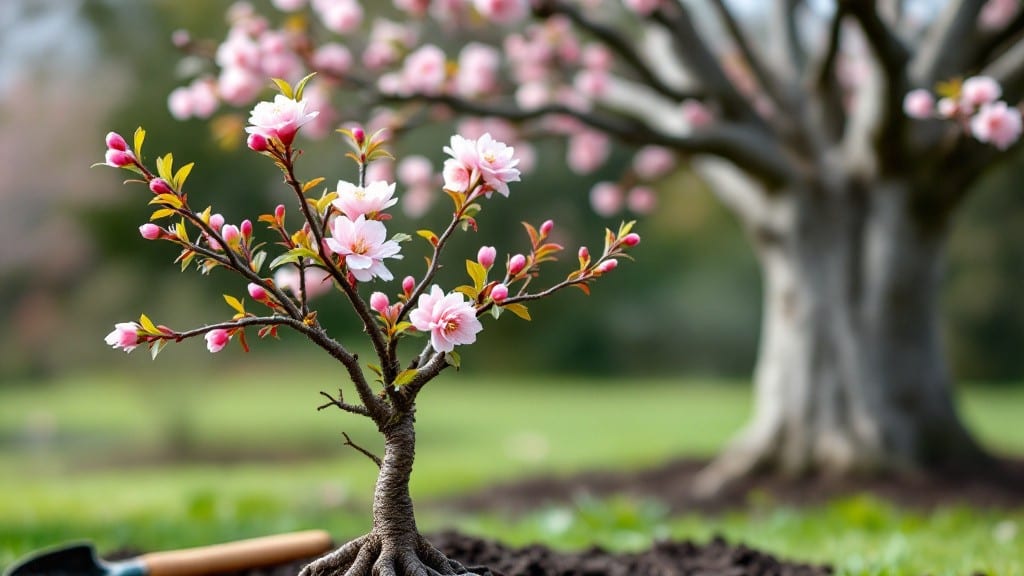
Planting flowering cherry trees in the Pacific Northwest means choosing varieties that handle frost like a champ—because nothing beats the sight of pink blossoms against a gray-sky backdrop. 🌸 I’ve planted five different types here, and the ‘Kanzan’ and ‘Royal Raindrops’ are the standouts for their hardiness and showy displays.
These trees don’t just survive our damp winters; they thrive, bursting into bloom earlier than most.
The secret starts with the right spot: full sun for at least six hours a day, well-draining soil (even our heavy clay can be amended), and space to grow—most mature between 20 to 30 feet wide.
I’ve seen gardeners cram them too close, and that’s a recipe for crowded branches and fewer flowers. Dig a hole twice as wide as the root ball but only as deep, then mix in compost for that extra boost.
Once planted, water deeply right away to settle the soil, then keep it consistently moist for the first year—think 1-2 inches per week, more in summer. Mulch around the base to protect roots from temperature swings, and resist the urge to fertilize heavily.
These trees grow best when you let them focus on establishing strong roots, not feeding leaves. By spring, you’ll see new growth and—if you’re lucky—the first blush of pink.
Pruning comes later, but here’s the trick: wait until late winter when the tree’s dormant. Cut back any dead or crossing branches, and shape it to open up the center for better airflow and more blossoms.
The first few years are all about patience, but once established, these trees reward you with decades of spring color—and maybe even a few cherries to snack on if you’re lucky.
📚 In This Guide
- What you need
- Instructions
- Tips and common mistakes
- Wrapping up and next steps
What you need
- ● Flowering cherry tree (bare-root or container-grown): Choose a Pacific Northwest frost-resistant variety like Prunus × yedoensis (Yoshino Cherry) or Prunus serrulata 'Kanzan'.
- ● Size: 5-6 gallon container or bare-root (1-3 years old).
- ● Quantity: 1 tree per 20-25 sq ft of space (account for mature size, typically 20-30 ft tall).
- ● Shovel or spade: Heavy-duty, 12-18" wide for digging.
- ● Garden fork or tiller: For loosening compacted soil (especially clay-heavy PNW soil).
- ● Compost or well-aged manure: 5-10 gallons to amend planting hole.
- ● Native soil or potting mix: 60% native soil + 40% compost (avoid heavy garden soil).
- ● Mulch (pine bark or wood chips): 2-3 inches (keep 6" away from trunk).
- ● Watering can or hose with gentle spray nozzle: For post-planting hydration.
- ○ Stakes (optional but recommended): 2-3 ft bamboo stakes + soft tree tie for support.
- ● Pruning shears: Bypass pruners (sharp, 6-8" blades) for trimming damaged branches.
- ● Soil test kit: Check pH (ideal: 5.0-6.5) and nutrient levels.
- ● Mycorrhizal fungi: Inoculant powder to boost root health in PNW soil.
- ● Tree guard or protective wrap: For young trees in windy areas.
- ● Slow-release fertilizer: Balanced 10-10-10 (apply in early spring).
- ● Drip irrigation system: For consistent watering during establishment.
Step-by-Step instructions for planting Pacific Northwest cherry trees
Here's how to plant your frost-resistant cherry trees for vibrant blooms year after year.
🪴 Step 1: Choose the Right Location and Prepare the Soil
Select a spot that gets full sun (6-8 hours daily)—flowering cherries need plenty of light to produce those stunning blossoms. The Pacific Northwest's mild winters mean you can plant as early as late fall or early spring, but avoid planting when the ground is frozen or waterlogged. I always dig my hole twice as wide as the root ball but only as deep as the container's root system.
Amend the native soil with 3-4 inches of compost mixed into the bottom of the hole. This improves drainage and gives roots room to establish. If your soil is heavy clay, which is common in the PNW, add a handful of sand or perlite to help roots spread without suffocating. The soil should feel crumbly when moist—not sticky or compacted.
🌱 Step 2: Remove the Tree from Its Container and Inspect Roots
Gently squeeze the sides of the container to loosen the root ball, then tip it out and support the trunk with one hand. If roots are circling tightly inside, use your fingers to tease them outward—this prevents girdling as the tree matures. I always check for any damaged or dried roots and trim them back with clean pruners if needed.
Place the tree in the hole so the top of the root ball sits 1-2 inches above ground level. This prevents water from pooling around the trunk. Have a helper hold the tree upright while you backfill with the amended soil, tamping it down gently every 6 inches to eliminate air pockets. The soil should feel firm but not packed.
💧 Step 3: Water Thoroughly and Apply Mulch
Water the tree immediately after planting with 10-15 gallons of water, enough to soak the entire root zone. You'll know it's done when water runs out the bottom of the hole and the soil surface looks uniformly damp. Let the water drain completely before moving on—waterlogged roots can't breathe.
Spread 2-3 inches of mulch (like wood chips or bark) over the soil surface, keeping it 6 inches away from the trunk to prevent rot. This conserves moisture, regulates soil temperature, and suppresses weeds. In the PNW's damp climate, mulch also helps prevent fungal issues that can plague young trees.
☀️ Step 4: Stake and Protect for the First Year
Use two stakes driven into the ground 12-18 inches from the trunk, then loosely tie the tree to them with flexible tree ties. This prevents wind damage—especially important in coastal areas where gusts can uproot young trees. Check the ties every 4-6 weeks and loosen them as the trunk thickens to avoid girdling.
Install a tree guard or wire cage around the trunk to deter deer and rabbits, which love young cherry trees. I've seen entire saplings stripped to the ground in a single night. Water deeply once a week during the first growing season, and fertilize lightly in early spring with a balanced 10-10-10 formula to encourage strong root growth.
Tips & tricks for planting Pacific Northwest cherry trees
Took me years to learn these lessons after watching too many trees struggle—here's what actually works for PNW conditions.
Sunlight is Non-Negotiable: That 6-8 hours of daily sun is critical for flowering cherries. In the PNW's cloudy seasons, supplement with a south-facing location where trees get maximum winter sun exposure too. I've seen trees planted in partial shade barely bloom—don't make that mistake. If your yard has limited sun, consider a smaller variety like 'Royal Raindrops' that tolerates slightly less light.
Root Ball Preparation is Key: When loosening that root ball in Step 2, be gentle—you're not trying to destroy the roots, just encourage outward growth. I've ruined trees by being too rough, so take your time teasing those circling roots apart. The goal is to create a loose, open root system that can spread quickly into the amended soil. If roots are particularly tight, soak the root ball first to make them more pliable.
Watering Wisdom for PNW Soil: Those 10-15 gallons in Step 3 might seem like a lot, but clay-heavy PNW soil drinks water up like a sponge. The real test is watching for water to emerge from the bottom of the hole—this confirms you've reached saturation. After planting, I like to create a small berm around the base to help direct water toward the roots during our rainy seasons. This prevents water from pooling away from where the roots need it most.
Mulch Matters More Than You Think: That 2-3 inches of mulch isn't just decoration—it's insulation against our damp winters. I've seen trees planted without proper mulching develop fungal issues within months. Use only organic mulches like cedar chips (which repel deer) or bark, and always keep it 6 inches from the trunk to prevent rot. In coastal areas, add an extra inch to protect against salt spray damage that can stress young trees.
Pro Tips for Planting Flowering Cherry Trees
- Took me years to learn these lessons after watching too many trees struggle—here's what actually works for PNW conditions.
- Sunlight is Non-Negotiable: That 6-8 hours of daily sun is critical for flowering cherries.
- Root Ball Preparation is Key: When loosening that root ball in Step 2, be gentle—you're not trying to destroy the roots, just encourage outward growth.
Frequently asked questions
Got questions about planting flowering cherry trees? You’re not alone! Here are some of the most common concerns—and their answers—to help you get started with confidence.
What’s the best time of year to plant flowering cherry trees in the Pacific Northwest?
The ideal window is late fall (October–November) or early spring (March–April). This gives roots time to establish before summer heat or winter frost. Avoid planting in extreme cold or during drought—your tree will thank you!
How cold-hardy are frost-resistant cherry trees, and how do I protect them?
Most PNW-friendly varieties (like Prunus × accolens or ‘Kanzan’) tolerate temps down to -15°F (-26°C). For extra protection, mulch heavily around the base and water deeply before winter. Young trees may need burlap wraps in harsh freezes.
Can I plant a flowering cherry tree in a small yard or container?
Dwarf varieties (e.g., ‘Royal Raindrops’ or ‘Stella Pink’) thrive in tight spaces—some grow just 15–20 feet tall! For containers, use a large pot (2+ feet wide) with well-draining soil and ensure it gets full sun. Expect slower growth but stunning blooms.
Why aren’t my cherry tree’s leaves turning pink/red like I expected?
Foliage color depends on variety, sunlight, and nutrients. Some trees (like ‘Amanogawa’) have subtle hues, while others need full sun (6+ hours/day) for vibrant fall colors. Check soil pH (6.0–7.0 is ideal) and fertilize lightly in early spring if leaves look dull.
Do flowering cherries attract pests like birds or borers?
Birds love the fruit (if your tree sets any), but they rarely harm the tree. To deter borers, keep the tree healthy with proper watering and pruning. Spray neem oil in early spring if you spot holes or sawdust-like frass. Most PNW varieties are naturally resistant!
Wrapping up and next steps
Planting flowering cherry trees in the Pacific Northwest is a rewarding way to bring vibrant color and life to your landscape—especially when you choose frost-resistant varieties like Prunus × yedoensis or Prunus serrulata 'Kanzan'.
With the right preparation, soil care, and timing, your tree will thrive for decades, offering stunning blooms year after year. 🌸
Now that you’re armed with the know-how, take the next step: mark your calendar for early spring planting (or late fall in milder zones) and gather your tools.
Whether you’re a seasoned gardener or a beginner, every blossom you nurture will be a testament to your green thumb! Happy planting!