
Pruning
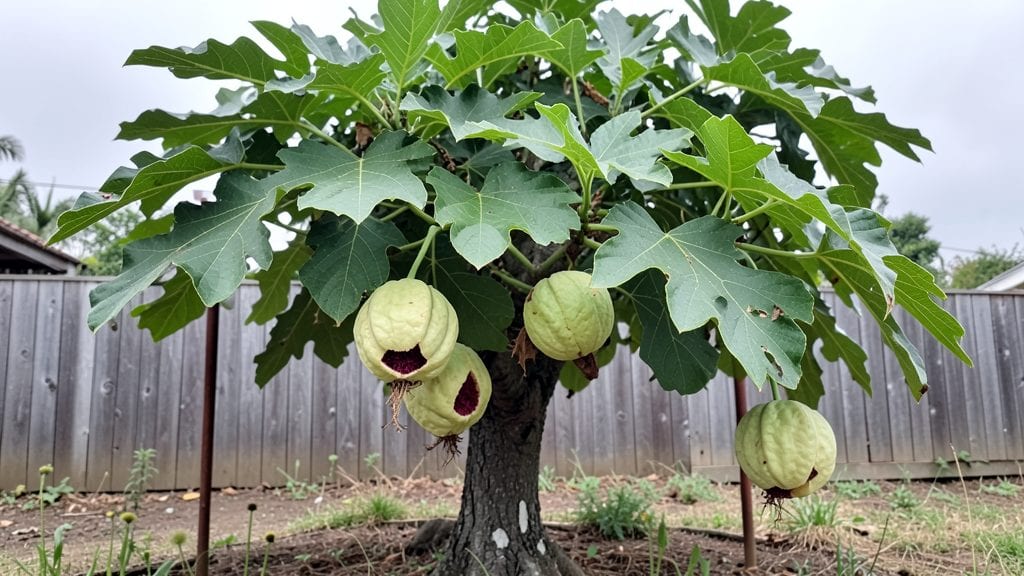
Growing the cannonball tree (Couroupita guianensis) means adding a tropical showstopper to your landscape—one that stays striking year-round with almost no pruning. 🌿 I fell for this tree the first time I saw its massive, fragrant white blooms, followed by those bizarre, spiky cannonball fruits.
It’s not just a plant; it’s a conversation piece.
This tropical beauty thrives in full sun to partial shade and well-draining soil, making it perfect for warm climates (USDA zones 10-11). If you’re in a cooler area, treat it as a container plant and bring it indoors during winter.
The key to minimal pruning is letting it grow naturally—just remove dead branches or shape it lightly after flowering to keep it tidy.
You’ll love how it transforms any space with its bold, glossy leaves and dramatic blooms that smell like jasmine. The fruits, while not the tastiest (they’re edible but seedy), add a quirky charm. Plus, it’s drought-tolerant once established, so watering becomes a low-maintenance task.
Fair warning: It’s sensitive to cold—even a light frost can damage it. But with the right care, this tree becomes a low-fuss, high-impact centerpiece that rewards patience with jaw-dropping seasonal displays. Ready to grow one?
📚 In This Guide
- What you need
- Instructions
- Tips and common mistakes
- Wrapping up and next steps
What you need
- ● Cannon Ball Tree: 1 seedling (1–3 years old, ~3–6 ft tall) or
- ● 1 mature seed (fresh, within 6 months of harvest)
- ● Well-draining soil: 60% high-quality potting mix (e.g., Miracle-Gro Potting Mix)
- ● 30% perlite or coarse sand (for aeration)
- ● 10% compost or worm castings (for nutrients)
- ● Container or planting site: For containers: 1 large pot (18–24" diameter) with drainage holes
- ● For outdoor planting: Full-sun location (6+ hours/day) with 6+ ft spacing for mature growth
- ● Basic tools: 1 trowel or shovel (for transplanting)
- ● 1 pair of pruning shears (sterilized)
- ● 1 watering can or hose with gentle spray nozzle
- ○ Fertilizer (optional but recommended): Balanced, slow-release fertilizer (e.g., 10-10-10 NPK) or organic options like fish emulsion
- ● Mulch (2–3 inches of wood chips or bark to retain moisture)
- ● Tree support stake (if planting in windy areas)
- ● Soil moisture meter (to monitor watering needs)
- ● Fungicide (e.g., copper fungicide) for prevention of root rot
- ● Garden gloves (to protect hands from sap or thorns)
Step-by-Step instructions for cultivating a cannon ball tree
Here's how to establish a sturdy, long-lived specimen with minimal fuss—ideal for structured landscapes.
🌱 Step 1: Select and Prepare the Planting Site
The cannon ball tree thrives in full sun with well-draining soil—this is non-negotiable. Choose a location that receives at least 6-8 hours of direct sunlight daily, as insufficient light leads to weak, leggy growth and poor flowering. If your site has heavy clay soil, amend it with 25% coarse sand or perlite to improve drainage before planting.
Dig a hole twice as wide as the root ball but no deeper—planting too deep suffocates the roots and invites rot. Loosen the sides of the hole with a shovel to encourage root spread. Here's the thing—this tree hates soggy feet. If your area has poor drainage, consider planting on a slight mound or installing a French drain nearby.
☀️ Step 2: Plant at the Right Depth and Stake for Stability
Position the tree so the top of the root ball sits 1-2 inches below soil level—this prevents stem rot while allowing roots to expand. Gently remove the plant from its container and tease the roots outward if they're circling. Place it in the hole and backfill with native soil, tamping lightly every 6 inches to eliminate air pockets.
Stake the tree only if necessary—young specimens benefit from two 2-inch diameter stakes placed 6 inches from the trunk on opposite sides, tied with soft fabric strips (never wire). The goal is to provide temporary support without girdling the trunk. Water deeply after planting to settle the soil around the roots, and you'll see the first sign of stability when the tree stops wobbling in the wind.
💧 Step 3: Establish a Watering Routine for the First Year
Water deeply once a week during the first growing season, delivering 1-1.5 gallons of water per 12 inches of trunk diameter. The key is to soak the root zone thoroughly—surface watering encourages shallow roots. You'll know you've watered enough when the soil 12 inches down feels moist (use a trowel to check).
After the first year, the cannon ball tree becomes remarkably drought-tolerant, but don't skip watering entirely. During prolonged dry spells, water every 2-3 weeks to maintain soil moisture. Mulch with 2-3 inches of wood chips around the base (but keep it 6 inches away from the trunk) to retain moisture and regulate soil temperature.
✂️ Step 4: Prune Strategically for Structure and Health
Minimal pruning is the name of the game with this tree. Remove only dead, diseased, or crossing branches in late winter or early spring before new growth begins. Use clean, sharp pruners to make cuts just above a bud or lateral branch, angled slightly downward to prevent water pooling. Avoid heavy pruning—this tree responds poorly to aggressive cuts and may produce fewer flowers.
If you notice leggy growth reaching toward the sun, prune back by one-third of the longest branches to encourage bushier growth. Here's where it gets fun—watch how the tree naturally fills in over time. The cannon ball tree's dense, rounded habit develops organically with minimal intervention, making it a low-maintenance star in any landscape.
🪴 Step 5: Fertilize Sparingly for Long-Term Vigor
Apply a balanced, slow-release fertilizer (10-10-10) in early spring at half the recommended rate—this tree doesn't need heavy feeding. Over-fertilizing leads to excessive leaf growth at the expense of flowers and structural integrity. Work the fertilizer into the top 6 inches of soil around the drip line, then water deeply to activate the nutrients.
Skip fertilization in the second year unless the tree shows signs of stress, like yellowing leaves or stunted growth. Real talk: The cannon ball tree is a slow grower, and rushing its development with too much fertilizer can backfire. Instead, focus on well-timed watering and occasional pruning—that's all it needs to thrive for decades.
Tips & tricks for perfect cannon ball tree cultivation
Between us, these simple strategies will help your cannon ball tree establish itself like a pro—without the guesswork. The devil's in the details, and I'm about to reveal the ones that make all the difference.
Soil Preparation Secret: When amending heavy clay soil with 25% coarse sand or perlite in Step 1, mix it thoroughly into the bottom and sides of the hole—not just the top layer. This creates a well-draining root zone from day one, preventing that dreaded stem rot from improper drainage. I've seen too many trees fail because the amending was superficial.
Staking Strategy: If you're staking your young tree in Step 2, use the "wiggle test" to check stability after planting: Gently push the trunk side to side. If it moves more than an inch, tighten the ties slightly. The goal is just enough support so the tree can focus on root establishment—not so tight it restricts growth. And for heaven's sake, never use wire ties that can cut into the bark.
Watering Wisdom: That 1-1.5 gallons per 12 inches of trunk diameter in Step 3 is a guideline, but here's the real trick: Use a moisture meter to verify soil moisture at 12 inches deep. Many gardeners overwater because they're checking surface moisture, which can lead to root suffocation. The tree's natural drought tolerance kicks in after year one, but proper watering in those early months sets the foundation for decades of growth.
Pruning Precision: When pruning leggy growth in Step 4, make your cuts just above a leaf bud that faces outward from the branch. This encourages new growth in the right direction and maintains that perfect rounded shape. I've seen people cut too close to the trunk or at awkward angles, which creates unsightly stubs and weak growth points. A little extra attention here pays off in a beautifully proportioned tree.
Pro Tips for Cannon Ball Tree
- Between us, these simple strategies will help your cannon ball tree establish itself like a pro—without the guesswork.
- Soil Preparation Secret: When amending heavy clay soil with 25% coarse sand or perlite in Step 1, mix it thoroughly into the bottom and sides of the hole—not just the top layer.
- Staking Strategy: If you're staking your young tree in Step 2, use the "wiggle test" to check stability after planting: Gently push the trunk side to side.
Frequently asked questions
How fast does a Cannon Ball Tree grow, and how big will it get?
The Cannon Ball Tree grows at a moderate to fast pace, adding 12–24 inches per year under ideal conditions. Mature trees can reach 40–60 feet tall with a sprawling, rounded canopy up to 50 feet wide. In containers, growth slows significantly—expect 6–12 inches per year if pruned regularly. Pro tip: Plant in full sun and well-draining soil to maximize growth!
Do I really need to prune it often, or can I leave it alone?
While the Cannon Ball Tree thrives with minimal pruning, light shaping (1–2 times per year) helps maintain its iconic round shape and remove dead/diseased branches. Focus on thinning out crowded growth in spring and light trimming after flowering (if needed). Warning: Avoid heavy pruning—this tree hates aggressive cuts and may struggle to recover.
Is the Cannon Ball Tree cold-hardy, or do I need to protect it in winter?
Native to tropical regions, this tree is not cold-hardy—it dies back to the ground in temperatures below 25°F (-4°C). In colder climates, grow it in containers and move indoors or cover it with burlap and mulch during winter. Pro tip: If outdoor planting, choose a microclimate (e.g., near a south-facing wall) for extra warmth!
Are the flowers or fruits toxic to pets or humans?
While the Cannon Ball Tree isn’t highly toxic, its large, spiky seed pods and milky sap can cause mild stomach upset if ingested in large amounts. Pets may chew the bark, leading to irritation—keep an eye on curious pups! Humans can safely enjoy the fragrant flowers, but avoid eating the fruit or sap. Caution: If ingestion occurs, monitor for vomiting or diarrhea and contact a vet if symptoms persist.
Can I grow a Cannon Ball Tree in a pot, or does it need to be planted in the ground?
Yes! Potted growth is totally doable
—just use a large container (2+ feet wide) with drainage holes and well-draining soil (e.g., cactus mix). Repot every 2–3 years and fertilize lightly in spring/summer. But be warned: Potted trees won’t reach their full size and may need winter protection in cold zones. Outdoor planting is ideal for long-term growth!
Wrapping up and next steps
The cannon ball tree is a stunning, low-maintenance addition to any landscape—its bold, spherical blooms and year-round structure make it a standout! With minimal pruning and the right care, you can enjoy its unique beauty for decades.
Whether you're a seasoned gardener or just starting, this tree rewards patience with show-stopping results.
Ready to grow your own? Start by selecting a healthy sapling and follow the steps above to give it the best foundation. Before you know it, you’ll be admiring its iconic cannonball flowers—your future garden’s centerpiece awaits! 🌿✨