
Pruning
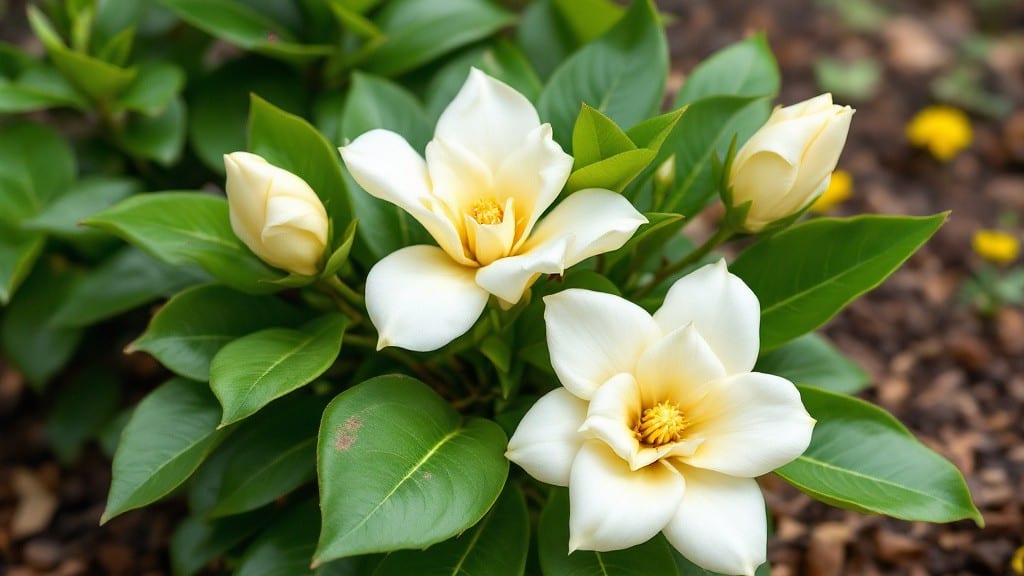
Growing a gardenia tree in Florida means waking up to air thick with its intoxicating perfume every morning. 🌸 The key to those legendary blooms isn't just Florida's humidity—it's knowing exactly when and how to prune to encourage more flowers while keeping your tree healthy through our steamy summers.
I've learned that timing is everything, and a few simple cuts can transform a struggling gardenia into a fragrant showstopper.
Florida's heat and humidity create the perfect conditions for gardenias, but they need the right care to thrive. Start with well-draining soil and morning sun, then water deeply but infrequently—these trees hate soggy roots.
The pruning magic happens in late winter or early spring, just as new growth begins, which is when you'll see those glossy leaves and buds forming. Most gardeners over-prune, so focus on removing dead wood and shaping lightly—think "less is more" for maximum blooms.
What you end up with is a tree covered in creamy-white flowers that smell like a tropical vacation. The fragrance alone makes it worth the effort, but the lush, dark-green foliage adds year-round beauty to your landscape.
With the right pruning schedule, you'll get continuous blooms from spring through fall, even in Florida's toughest summers. That first whiff of those flowers after pruning? Pure reward.
This method works for both container gardenias and in-ground plantings, whether you're dealing with a mature tree or a young sapling. The same principles apply whether your gardenia is in full sun or partial shade—just adjust watering slightly. Here's how to make it happen without the guesswork.
📚 In This Guide
- What you need
- Instructions
- Tips and common mistakes
- Wrapping up and next steps
What you need
- ● Gardenia plant: Choose a healthy, disease-free Gardenia jasminoides (dwarf or standard varieties work well in Florida). Buy from a local nursery or online supplier.
- ● Well-draining soil: 5–10 bags of peat moss or pine bark mix (1 cubic yard total for planting). Florida’s sandy soil benefits from organic amendments like compost.
- ● Pruning tools: 1 pair of bypass pruners (sharp, sterilized for clean cuts).
- ● 1 pair of long-handled loppers (for thicker branches).
- ● 1 pruning saw (for stubborn, woody stems).
- ● Mulch: 2–3 bags of pine straw or shredded bark mulch (3–4 inches deep) to retain moisture and regulate soil temperature.
- ● Fertilizer: 1 bag of acid-loving plant fertilizer (e.g., 8-3-9 with micronutrients) or citrus-specific granules.
- ● Watering can or hose: With a spray nozzle for gentle hydration (gardenias hate soggy roots!).
- ● Soil pH test kit: To confirm acidic soil (ideal pH: 5.0–6.5). Adjust with sulfur if needed.
- ● Epsom salt: 1–2 lbs for magnesium boost (helps with vibrant blooms).
- ● Shade cloth: 30% coverage for young plants to prevent sunburn in Florida’s intense rays.
- ● Gloves: Heavy-duty gardening gloves to protect from thorns and sap.
- ● Plant support: 1–2 bamboo stakes or cages if growing a standard-sized gardenia.
How to prune a Florida gardenia for abundant, fragrant blooms
Florida's humidity is perfect for gardenias—but pruning wrong can kill those sweet-scented blooms. Here's how to shape yours for maximum fragrance.
🌿 Step 1: Time Your Pruning for Peak Growth
Prune your gardenia right after flowering, when new growth begins to sprout. This is usually in late spring or early summer, right after those iconic white blooms fade. Never prune in fall or winter—you'll cut off next year's flower buds before they form. Look for fresh, bright green leaves pushing from the stems; that's your cue to start.
Use clean, sharp pruning shears to make cuts at a 45-degree angle, about ¼ inch above a leaf node. This angled cut helps water run off instead of pooling on the stem. If you're unsure where to cut, imagine where a leaf would grow—just above that spot. I always sanitize my shears with rubbing alcohol between cuts to prevent disease spread, especially in Florida's damp air.
✂️ Step 2: Shape for Airflow and Light
Gardenias need good airflow to prevent fungal diseases like powdery mildew. Start by removing any dead, diseased, or crossing branches first—these are the easiest to spot. Look for branches that rub against each other or grow inward; these create shaded spots where humidity lingers and fungus thrives.
Next, thin out about 20-30% of the foliage to let light penetrate to the center of the plant. You'll see where the plant naturally wants to grow—follow those dominant branches. Avoid cutting back more than ⅓ of the plant's height in one season; gardenias are sensitive to heavy pruning. If you're unsure, less is always better—you can always prune more next year.
💧 Step 3: Encourage New Growth with Strategic Cuts
To stimulate fresh blooms, focus on cutting back last year's growth by about half its length. This might sound drastic, but gardenias respond well to this technique. Make your cuts just above a set of leaves or a bud—this is where new growth will emerge. You'll notice the plant looks a bit bare at first, but within 4-6 weeks, you'll see plump, new shoots forming.
Here's the thing—gardenias bloom on new wood, meaning they need fresh growth to produce flowers. If you skip this step, you might end up with fewer blooms next season. After pruning, give your plant a light application of balanced fertilizer (like 6-6-6) to support the new growth. Water deeply right after pruning to help the plant recover from the stress.
☀️ Step 4: Position for Florida's Humidity and Sun
After pruning, move your gardenia to a spot that gets morning sun and afternoon shade. Florida's intense afternoon sun can scorch leaves, especially after a fresh pruning. Look for a location with dappled light—like under a tall palm or near a building with partial shade. Gardenias thrive in 60-75°F temperatures and high humidity, so a sheltered spot near a fountain or in a shaded patio works perfectly.
Keep the soil evenly moist but not soggy—Florida's humidity means the air is already moist, so you don't need to water as often as you might think. Stick your finger 1 inch into the soil; if it feels dry, water deeply. Mulch around the base with 2-3 inches of organic mulch to retain moisture and keep roots cool. Avoid letting mulch touch the trunk, though—this can cause rot in the humid climate.
Tips & tricks for pruning Florida gardenias
Here's what I've learned after years of keeping gardenias thriving in Florida's unique climate—these little details make all the difference for those fragrant blooms.
Timing is Everything: The late spring/early summer window for pruning is non-negotiable. I've seen gardenias stressed after winter pruning—those buds were already forming but got cut off before they could open. Look for those fresh green leaves pushing out after blooms fade; that's your exact cue. The 4-6 week recovery time mentioned is critical—this is when the plant redirects energy to new growth rather than struggling to heal wounds.
Cutting Technique Matters: That 45-degree angle and ¼-inch above the leaf node isn't just technical advice—it's about survival. The angled cut prevents water pooling that leads to rot in Florida's humidity, while cutting above the node ensures new growth emerges from there. I keep a small bottle of rubbing alcohol handy to wipe shears between cuts; in our climate, fungal spores are everywhere waiting for an opening.
Florida-Specific Airflow Strategy: The 20-30% thinning recommendation is perfect for our state. Too many gardeners go overboard trying to "open up" the plant, but remember—gardenias are sensitive. I focus on removing only the crossing branches first, then just enough foliage to let light reach the center. The key is creating airflow without shocking the plant; think of it like giving your gardenia a gentle breeze rather than a hurricane.
Post-Pruning Care for Humid Climates: After cutting back last year's growth by half, I always give my plants a deep watering followed by that balanced fertilizer. The 60-75°F range is ideal for recovery—any hotter and the plant gets stressed. I've found that mulching with 2-3 inches of organic material helps regulate soil temperature in Florida's heat, but I always keep it clear of the trunk to prevent rot. The 1-inch soil check is my go-to for watering; Florida's humidity means we often overwater by instinct.
Pro Tips for Gardenia Tree Florida
- Here's what I've learned after years of keeping gardenias thriving in Florida's unique climate—these little details make all the difference for those fragrant blooms.
- Timing is Everything: The late spring/early summer window for pruning is non-negotiable.
- Cutting Technique Matters: That 45-degree angle and ¼-inch above the leaf node isn't just technical advice—it's about survival.
Frequently asked questions
about growing and pruning Gardenia trees in Florida’s humid climate—here’s what you need to know!When is the best time to prune a gardenia tree in Florida?
Prune your gardenia tree right after flowering (late spring to early summer) to encourage new growth and blooms. Avoid heavy pruning in fall or winter, as it can stress the plant. Light shaping can be done year-round, but never prune during frost or extreme heat.
Why aren’t my gardenia leaves staying green, and how can I fix it?
Yellowing or dropping leaves often signal overwatering, poor drainage, or nutrient deficiency. Ensure your gardenia gets well-draining soil and water only when the top 1–2 inches of soil are dry. Pro tip: Add acidic fertilizer (like iron or chelated iron) every 2–3 months to keep foliage vibrant.
Can I prune a gardenia tree too much? What are the signs?
Yes! Over-pruning can stunt blooms, weaken the plant, or invite pests. Signs include bare branches, sparse foliage, or no flowers. Stick to no more than 1/3 of the plant’s growth per year, and always use sterilized tools to prevent disease.
Do gardenia trees need full sun in Florida’s heat?
While gardenias love bright light, Florida’s intense sun can scorch leaves. Aim for morning sun + afternoon shade (especially in inland areas). Coastal regions with mild breezes can handle partial sun, but avoid deep shade, which reduces flowering.
What pests commonly attack gardenia trees, and how do I treat them?
Watch for scale insects, spider mites, or whiteflies, which thrive in Florida’s humidity. Treat with neem oil or insecticidal soap for mild infestations. For severe cases, consult a local nursery for systemic pesticides. Prevention tip: Prune regularly to improve airflow and reduce hiding spots.
Can I grow a gardenia tree in a pot in Florida?
Potted gardenias thrive in Florida’s climate if you use a large container (15+ gallons) with drainage holes and acidic, well-draining potting mix. Move pots to partial shade in peak summer and fertilize monthly during growing season. Just remember: container-grown gardenias may bloom less than in-ground plants.
Wrapping up and next steps
Growing a gardenia tree in Florida is a rewarding journey—one that fills your space with intoxicating fragrance and lush greenery! 🌿✨ With the right pruning techniques, humidity-friendly care, and a dash of patience, your gardenia will thrive and bloom beautifully for years.
Whether you're a seasoned gardener or a beginner, the key is consistency and attention to its needs.
Now that you’re armed with the knowledge, why not take the next step? Start pruning your gardenia today—trim those leggy branches, shape it to your liking, and watch as it rewards you with vibrant, fragrant blooms. Happy gardening! 🌸💚