Pruning
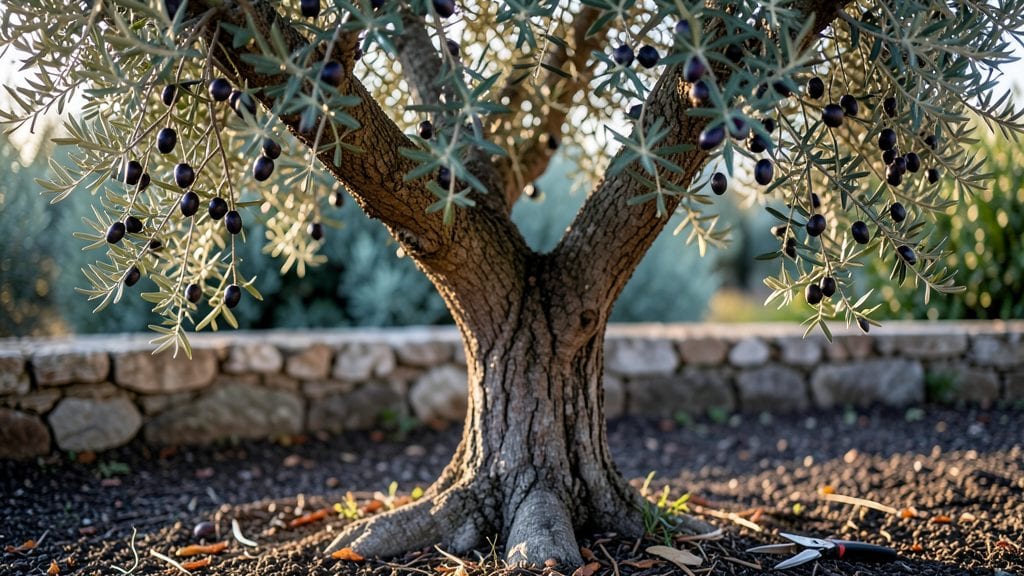
Pruning your Castelvetrano olive tree isn’t just about shaping—it’s the secret to unlocking year-round productivity and those prized, buttery olives you’ve been dreaming of. 🌿 I’ve spent years perfecting the timing and technique, and the difference between a tree that produces a handful of olives and one that overflows your kitchen counter is all in the cuts.
Here’s the thing—Castelvetrano olives thrive when you prune twice a year: a light trim in late winter to encourage new growth, and a more aggressive shape-up in early summer after harvest. You’ll need sharp pruners, a ladder for taller trees, and about 30 minutes of focused work.
The goal isn’t to remove as much as possible, but to open the canopy to sunlight and air, which is when the magic happens.
What you’ll end up with is a tree that produces earlier, larger crops of those signature Castelvetrano olives—smooth, meaty, and perfect for curing. The branches stay strong, the harvest becomes predictable, and you avoid the heartbreak of a tree that flowers but never sets fruit.
Plus, the pruned wood makes fantastic firewood if you’re into that kind of multitasking.
Whether you’re dealing with a young sapling or a mature tree, the same principles apply—just adjust the intensity. Let’s get those branches in shape so you can enjoy olives straight from your own backyard.
📚 In This Guide
- What you need
- Instructions
- Tips and common mistakes
- Wrapping up and next steps
What you need
- ● Pruning shears: Bypass pruners (for small branches, 4–6 inches in diameter). Choose sharp, stainless-steel blades to avoid crushing.
- ● Loppers: Long-handled (for branches ½–2 inches thick). Look for ratcheting or bypass styles for precision.
- ● Pruning saw: Curved-tooth (for branches 2+ inches thick). Opt for a foldable, lightweight model for portability.
- ● Disinfectant: 70% isopropyl alcohol or rubbing alcohol to sterilize tools between cuts (prevents disease spread).
- ● Gloves: Heavy-duty, cut-resistant (e.g., mechanics’ or gardening gloves) to protect hands from thorns and rough bark.
- ○ Pruning sealant: Optional but helpful (e.g., tree wound paint) to coat large cuts (2+ inches) and reduce sap loss.
- ● Ladder or step stool: Sturdy, non-slip (extendable ladder for taller trees; max height: 12–15 feet for safety).
- ● Heavy-duty trash bags: 10–20 gallon (for collecting pruned branches and debris).
- ● Sharpie or masking tape: For marking branches to prune (if planning ahead).
- ● Pole pruner: Extendable (for high branches without a ladder; 10–15 feet reach).
- ● Safety glasses: Impact-resistant to shield eyes from debris.
- ● Knee pads: For comfort if working on the ground for extended periods.
- ● Tree growth regulator: Hormonal paste (e.g., Tame It) to slow regrowth on large cuts.
- ● Camera or phone: For before/after photos to track progress over time!
Step-by-Step instructions for pruning a Castelvetrano olive tree
Here's my battle-tested approach to keeping your Castelvetrano olive tree thriving year-round.
✂️ Step 1: Understand the Seasonal Pruning Cycle
Olives are evergreens, but they respond best to pruning when they're semi-dormant. For Castelvetrano varieties, I focus on three key cuts: late winter (just before buds swell), summer (after harvest to shape), and light maintenance after each fruiting flush. The winter cut is most aggressive—this is when you establish the tree's framework.
Real talk: I used to prune in fall, but that triggered fungal issues. Wait until temperatures stabilize above 50°F before making major cuts. You'll see fresh green growth within weeks of your winter pruning—that's your signal the tree is happy with the new structure.
✂️ Step 2: Remove Dead and Crossing Branches First
Start with your pruners and cut out any branches that are dead, diseased, or crossing—these compete for energy and invite pests. Look for branches with no green leaves or those rubbing against others. I make these cuts at the branch collar (the swollen area where the branch meets the trunk) to prevent tearing.
Here's the thing—Castelvetrano olives are vigorous growers. If you see "water sprouts" (thin, upright shoots), remove them immediately. These steal energy from fruit production. Use sharp pruners and make clean cuts at a 45-degree angle just outside the branch collar.
✂️ Step 3: Shape the Tree for Airflow and Light
Olives need sunlight on all branches to produce quality fruit. I aim for an open-center shape, keeping the center 20-30% open to allow airflow. For mature trees, I remove 10-15% of the canopy annually—this prevents overcrowding and keeps fruit accessible.
Watch for branches growing inward or downward—they'll never get enough light. Cut these back to a lateral bud facing outward. For young trees, I focus on establishing a strong scaffold with 5-7 main branches spaced evenly around the trunk. You'll see new growth filling in gaps within a season.
⏰ Step 4: Time Summer Pruning for Post-Harvest Renewal
After harvesting, give your tree a light shaping cut to remove any overly vigorous growth that shaded fruit this season. I avoid heavy pruning in summer—it stresses the tree when it's already working hard to ripen olives. Instead, focus on cleaning up and redirecting energy to next year's crop.
This is when I also remove any suckers at the base—those compete with the main trunk. Use your pruners to cut these at ground level. You'll notice new shoots emerging from the main branches within weeks, which is exactly what you want for next year's production.
💧 Step 5: Post-Pruning Care for Optimal Recovery
After major cuts, water deeply to help the tree recover. I apply 2-3 inches of water within the drip line, focusing on the root zone. Avoid wetting the cuts themselves—this can invite fungal infections. For the first 2-3 weeks, monitor for any signs of stress like yellowing leaves or wilting.
Here's where it gets fun—watch the new growth. Healthy Castelvetrano olives should show bright green, glossy leaves within 4-6 weeks of pruning. If you see slow growth or leaf drop, it might mean the cuts were too aggressive. Adjust next year's pruning to be more conservative.
Tips & tricks for pruning a Castelvetrano olive tree
Mastering the art of pruning this Mediterranean treasure takes precision—not guesswork. Here’s how I’ve refined my approach after years of trial and error with Castelvetrano varieties.
Seasonal Timing is Everything: The late winter cut (when temperatures stabilize above 50°F) is your golden window for aggressive shaping. I’ve learned the hard way that pruning in fall invites fungal infections—Castelvetrano olives are particularly susceptible when their defenses are down. Mark your calendar for late February to early March in most climates, when buds are just starting to swell but haven’t yet broken dormancy. This timing ensures your cuts promote vigorous spring growth without stressing the tree.
The 45-Degree Angle Secret: When removing branches in Step 2, that 45-degree angle just outside the branch collar isn’t arbitrary—it’s about directing water flow away from the cut. I’ve seen too many pruning wounds develop cankers because of improper cuts. Use sharp pruners to make clean slices, and always cut just beyond the swollen collar where the branch meets the trunk. This technique also prevents tearing, which creates larger wounds that heal poorly. For thicker branches, I recommend using a three-cut method to avoid bark stripping.
Canopy Math for Productivity: That 20-30% open center in Step 3 isn’t just aesthetic—it’s about maximizing fruit quality. Castelvetrano olives produce better when branches receive direct sunlight year-round. I measure my mature trees’ canopies annually and remove 10-15% of the canopy to maintain this openness. For young trees, focus on creating that 5-7 branch scaffold—these will become your primary fruit-bearing limbs. Pro tip: Use a tape measure to check branch spacing; ideal spacing is about 12-18 inches between scaffold branches.
Post-Pruning Hydration Strategy: After major cuts, those 2-3 inches of water in the drip line aren’t just about recovery—they’re about signaling to the roots that new growth is coming. I’ve found that Castelvetrano olives respond best to deep watering every 7-10 days during the first month after pruning. The key is to water slowly to allow absorption, then let the soil dry slightly between waterings. This mimics natural rainfall patterns and prevents root rot, which is especially dangerous after pruning wounds have been made.
Pro Tips for Castelvetrano Olive Tree
- Mastering the art of pruning this Mediterranean treasure takes precision—not guesswork.
- Seasonal Timing is Everything: The late winter cut (when temperatures stabilize above 50°F) is your golden window for aggressive shaping.
- The 45-Degree Angle Secret: When removing branches in Step 2, that 45-degree angle just outside the branch collar isn’t arbitrary—it’s about directing water flow away from the cut.
Frequently asked questions
Got questions about pruning your Castelvetrano olive tree? You’re not alone! Here are some of the most common queries—and straightforward answers—to keep your tree thriving year-round.
When is the best time to prune a Castelvetrano olive tree?
The ideal time is late winter or early spring (just before buds swell) for major pruning. Light trimming can happen in summer to shape the tree and remove dead branches. Avoid pruning in fall—it can stimulate new growth vulnerable to cold. Pro tip: If you’re unsure, wait until after the last frost!
How much can I trim without harming the tree?
Never remove more than 25-30% of the canopy in one session—this prevents stress. For Castelvetrano olives, focus on thinning out crowded branches and opening the center for airflow. Over-pruning can reduce fruit yield, so prioritize quality cuts over aggressive trimming.
What if my tree isn’t producing olives after pruning?
Castelvetrano trees need balance: too much shade = fewer olives. Ensure the tree gets 6+ hours of sunlight and prune to maintain an open, vase-like shape. If the issue persists, check for pests (like olive fruit fly) or nutrient deficiencies. Try this: Fertilize lightly in early spring with a balanced 10-10-10 blend.
Can I prune in summer? What are the risks?
Yes, but lightly! Summer pruning helps control size and shape, but avoid heavy cuts—it can stress the tree, especially in hot climates. If you must prune, do it on overcast days or early morning to reduce water loss. Seal larger cuts with pruning sealant if needed.
How often should I prune a mature Castelvetrano olive tree?
A mature tree benefits from annual light pruning (focused on maintenance) and a major structural trim every 3–5 years. Young trees (under 5 years) need more frequent shaping to establish strong branches. Think of it like a haircut—regular upkeep keeps the tree healthy and productive!
Wrapping up and next steps
The Castelvetrano olive tree thrives when pruned with intention—balancing productivity, health, and flavor. By mastering seasonal cuts, you’ll unlock year-round harvests and a tree that stands strong for decades. Whether you’re a seasoned gardener or just starting, this guide gives you the confidence to prune like a pro.
Ready to transform your olive tree? Grab your tools, mark your calendar, and get pruning! 🌿✂️ Your future harvests (and neighbors’ envy) will thank you.