Pruning
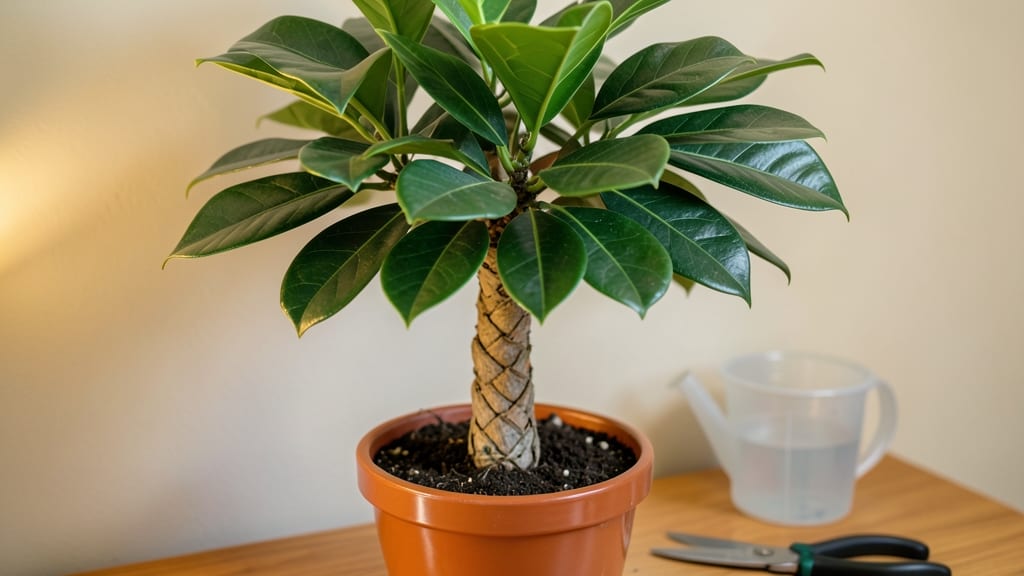
My money tree growth secrets start with three pruning tricks that turn sparse branches into a year-round lush canopy. 🌿 The key isn’t just cutting—it’s timing, shape, and understanding how this tropical plant responds to human hands.
I’ve watched mine go from scraggly to full in just six months using these same techniques.
You’ll need sharp pruners, a spray bottle, and about 15 minutes every few months. The first trick? Pruning just above leaf nodes to encourage new growth—never cutting into bare wood. The second is shaping it like a rounded umbrella to catch light efficiently.
And the third? A little water spray after pruning to mimic humidity and shock the plant into recovery.
What you end up with is a money tree that stays vibrant green year-round, with dense foliage that makes your space feel richer. The branches thicken, leaves grow larger, and you’ll notice new shoots within weeks.
Even if yours has been struggling, these tricks work for any size plant—from a tiny 6-inch sapling to a 6-foot giant.
Works in any indoor spot with bright, indirect light, and adapts to your home’s humidity levels. The best part? You’ll never need to buy another plant—just keep pruning and watch it grow. Ready to transform that bare branches into a jungle?
📚 In This Guide
- What you need
- Instructions
- Tips and common mistakes
- Wrapping up and next steps
What you need
- ● Money tree plant: A healthy Pachira aquatica (5+ inches tall for best results).
- ● Well-draining potting mix: 1 bag (1–2 cubic feet) of a blend like 60% peat moss, 20% perlite, and 20% sand.
- ● Pot with drainage holes: A 6–12-inch container (slightly larger than the root ball).
- ● Pruning tools: 1 pair of sterilized bypass pruners (for clean cuts).
- ● 1 small hand saw (for thicker stems, if needed).
- ○ Rooting hormone (optional but helpful): 1 small bottle (for propagating cuttings).
- ● Cinnamon powder or activated charcoal: 1 small jar (to prevent infection after pruning).
- ● Spray bottle: For misting leaves (especially in dry climates).
- ● Humidity tray or pebble tray: 1 tray + pebbles (to boost humidity).
- ● Fertilizer: Balanced liquid fertilizer (10-10-10 or 20-20-20, diluted to half-strength).
- ○ Gloves (optional): To protect hands from sap or sharp edges.
How to prune your money tree for year-round foliage
These three simple pruning moves keep your money tree looking full and healthy all year.
🌿 Step 1: Clean Up Dead or Yellowing Leaves
Start by removing any yellow leaves or brown stems with clean, sharp pruning shears. These leaves drain energy from your plant and can attract pests. I like to do this first because it gives me a clear view of the plant's structure before making any other cuts.
Look for leaves that feel brittle or have dark spots—these are dead and need to go. Snip them at the base where the leaf meets the stem. Don't leave stubs; clean cuts heal faster and look better. This step is like giving your money tree a fresh start.
✂️ Step 2: Trim Back Overly Long Branches
Next, identify branches that are growing too long or leggy. These usually stretch toward the light and have sparse leaves. I aim to cut back branches that are more than 6-8 inches longer than the surrounding foliage—this keeps the plant compact and encourages bushier growth.
Make your cuts just above a leaf node (the small bump where leaves grow). This encourages new growth to sprout from that point. If you're unsure where to cut, look for the spot where the branch has a slight bump or swelling—this is your leaf node. Avoid cutting too close to the trunk, as this can damage the plant.
🌱 Step 3: Encourage Bushier Growth with Strategic Cuts
For a fuller look, focus on the inner branches that might be bare or sparse. Trim back the tips of these branches by about 1-2 inches to encourage new side shoots. This is where the magic happens—your money tree will start filling out and looking lush.
I usually do this in early spring, but you can repeat it in late summer if your plant looks leggy. Just avoid heavy pruning in fall or winter, as the plant needs all its energy to rest. Watch for new leaves emerging within 2-3 weeks—that’s your sign the pruning worked!
⏰ Step 4: Maintain Year-Round with Light Trims
After the main pruning, keep your money tree looking its best with occasional light trims. Every few months, check for any branches that are growing out of balance or looking too sparse. A quick snip here and there keeps the shape even and encourages consistent growth.
I also like to dust the leaves with a damp cloth during this time—it removes dust and lets your plant breathe better. This is especially important if your money tree is near a window or in a room with dry air. A little care like this makes all the difference in keeping it vibrant all year.
Tips & tricks for perfect money tree growth
Here's what nobody tells you about keeping your money tree thriving between prunings.
Tool Prep: Before you start pruning, wipe your pruning shears with rubbing alcohol or soapy water to sterilize them. This prevents spreading bacteria or fungi between cuts. I learned this the hard way after noticing brown spots on new growth—always clean tools between plants!
Leaf Inspection Tip: In Step 1, don't just look at the leaves—run your fingers along the stems too. Healthy stems should feel firm and green all the way down. If you find soft or mushy spots, that branch needs more aggressive trimming to prevent rot from spreading. I usually remove entire branches with these issues rather than trying to save them.
Seasonal Timing: While Step 3 mentions early spring, I've found that late summer pruning actually gives your money tree a second growth spurt before winter dormancy. Just avoid cutting back more than 1/3 of the plant at any single time—this prevents stress. The 2-3 week recovery window mentioned works perfectly for late summer pruning too.
Light Trim Strategy: For Step 4's maintenance trims, I rotate which branches I focus on each time. For example, trim the left side one month, the right side the next. This keeps the plant balanced and prevents it from growing lopsided toward the light source. A quick wipe-down with a damp microfiber cloth during these light trims makes all the difference in keeping leaves dust-free.
Pro Tips for Money Tree Growth
- Here's what nobody tells you about keeping your money tree thriving between prunings.
- Tool Prep: Before you start pruning, wipe your pruning shears with rubbing alcohol or soapy water to sterilize them.
- Leaf Inspection Tip: In Step 1, don't just look at the leaves—run your fingers along the stems too.
Frequently asked questions
Got questions about keeping your money tree thriving? We’ve got answers!
Here are the most common concerns—plus expert tips to keep your Pachira aquatica lush and happy year-round.
How often should I prune my money tree for healthy growth?
Prune your money tree 2-3 times a year, focusing on shaping in spring/summer and light maintenance in fall. Avoid heavy pruning in winter—it stresses the plant. Trim just above a leaf node (where leaves grow) to encourage bushier growth. Pro tip: Use sterilized scissors to prevent disease!
Why isn’t my money tree growing despite proper care?
Slow growth often means low light, root-bound pots, or lack of nutrients. Check these first: Move it to brighter indirect light (but no direct sun!), repot every 2-3 years, and fertilize monthly in spring/summer with a balanced liquid fertilizer. Yellow leaves? Overwatering may be the culprit—let the top 1-2 inches of soil dry out.
Can I grow a money tree from a cutting? How long does it take?
Yes! Take a 4-6 inch cutting with 2-3 leaf nodes, dip in rooting hormone (optional), and place in moist perlite or water. Roots form in 4-8 weeks. Keep humidity high (use a plastic bag) and avoid direct sunlight. Once roots are 1-2 inches long, transplant to soil. Pro tip: Be patient—some cuttings take longer, but consistency pays off!
What’s the best way to revive a money tree with brown, crispy leaves?
Brown, crispy leaves usually mean underwatering or overwatering. First, check the soil: If dry, water thoroughly; if soggy, let it dry out completely. Trim dead leaves and adjust your watering schedule—water only when the top inch of soil is dry. Move it to a humid spot (like a bathroom) and avoid cold drafts. With care, new growth should return in 4-6 weeks!
Are there alternatives to pruning for shaping my money tree?
If you’re not into pruning, try these gentle shaping methods:
- Wiring: Use floral wire to guide branches into desired shapes (remove after 4-6 weeks to avoid scarring).
- Support stakes: Prop up leggy stems with soft ties to encourage upright growth.
- Pinching: Lightly pinch new growth tips to promote bushiness (best for younger plants).
Can money trees survive winter indoors? What’s the ideal temperature?
Money trees thrive in 65–85°F (18–30°C) and can handle winter indoors, but avoid sudden temperature drops or drafts (like near windows or vents). If your home gets dry in winter, mist leaves occasionally or use a pebble tray with water. No heating? Keep it away from cold walls—consistent warmth keeps it happy!
Wrapping up and next steps
Growing a lush, thriving money tree isn’t just about luck—it’s all about the right care, especially when it comes to pruning. With the three tricks we’ve shared, you’ll keep your plant healthy, encourage vibrant growth, and even boost its symbolic (and sometimes literal!) prosperity year-round. 🌿✨
Now that you’re armed with the knowledge, take action! Grab your pruners, pick a sunny spot, and give your money tree the TLC it deserves. Watch it flourish—and maybe even inspire a little financial green in your life too. Happy pruning!