Trees
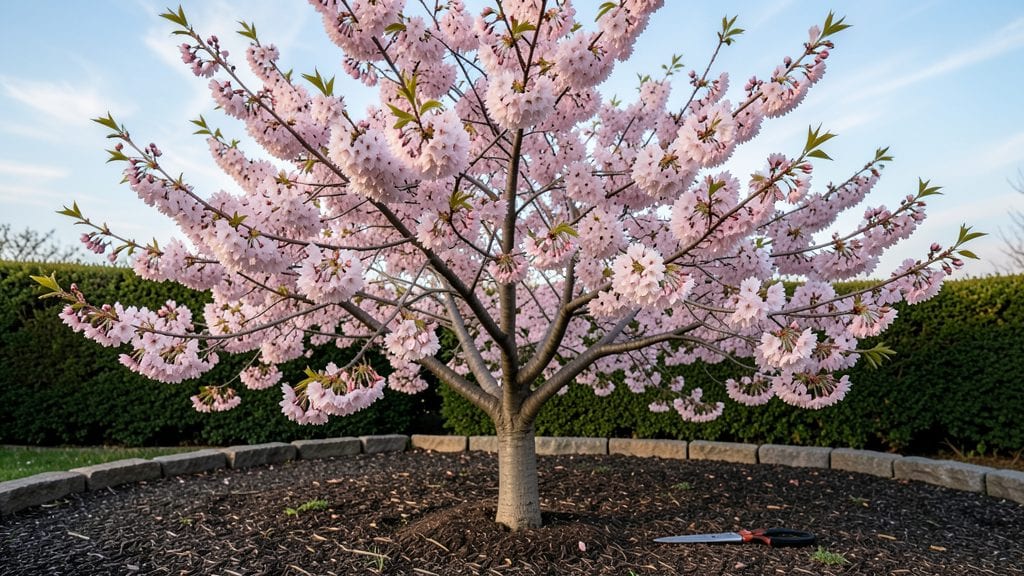
There’s nothing like a cherry blossom ornamental tree turning your yard into a Pacific Northwest dream—pink starbursts that hummingbirds can’t resist. 🌸 I planted mine last spring, and now it’s the centerpiece of my garden, drawing bees, butterflies, and curious neighbors alike.
These trees aren’t just pretty—they’re seasonal showstoppers. Spring brings those iconic blossoms, summer offers lush green foliage, and fall delivers fiery red leaves. Pair it with hostas for shade, lavender for fragrance, or a pebble path to highlight its graceful branches.
The key? Plant it where it gets morning sun and afternoon shade—just like in its native forests.
Imagine your front yard transformed: soft pink blooms in April, a canopy of green through summer, and golden hues in fall. It’s not just a tree—it’s a year-round conversation starter, especially when hummingbirds hover around the flowers.
The best part? You can choose from dwarf varieties for small spaces or full-sized giants for dramatic impact.
Start with placement—near a patio or walkway so you can enjoy the show from every angle. Add mulch to protect roots and water deeply once a week. Within three years, you’ll have that magical, hummingbird-friendly centerpiece everyone admires.
📚 In This Guide
- What you need
- Instructions
- Tips and common mistakes
- Wrapping up and next steps
What you need
- ● Cherry blossom ornamental tree (1-2 plants, depending on desired size and spacing—Prunus serrulata varieties like ‘Kanzan’ or ‘Shirotae’ work beautifully).
- ● High-quality potting soil or native soil mix (50 lbs for planting; amend with compost for nutrient-rich growth).
- ● Organic mulch (3-4 inches, such as wood chips or straw, to retain moisture and regulate soil temperature).
- ● Balanced, slow-release fertilizer (10-10-10 or organic options like fish emulsion for early growth).
- ● Watering can or hose with a gentle spray nozzle (for deep, thorough watering without disturbing roots).
- ● Shovel or spade (for digging planting holes—6 inches wider and deeper than the root ball).
- ● Garden trowel (for loosening soil and adjusting roots).
- ● Pruning shears (sterilized, for trimming dead or overgrown branches post-planting).
- ● Garden gloves (to protect your hands from thorns and rough bark).
- ● Measuring tape (to ensure proper spacing—15-25 feet between trees for mature growth).
- ● Tree stake and ties (for young trees in windy areas).
- ● Drip irrigation system (to automate watering during dry spells).
- ● Hummingbird-friendly companion plants (e.g., salvia, bee balm, or fuchsia to attract pollinators).
- ● Soil pH tester (ideal pH for cherry blossoms: 6.0-7.0; amend with lime or sulfur if needed).
Step-by-step guide for planting and caring for a cherry blossom ornamental tree
Here's how to establish a showstopping cherry blossom that thrives in Pacific Northwest climates.
🌱 Step 1: Choose and Prepare the Planting Site
Select a location with full sun exposure—at least 6 hours of direct sunlight daily. Cherry blossoms adore well-drained soil with a slightly acidic to neutral pH (6.0-7.0). If your soil is heavy clay, amend it with 2-3 inches of compost mixed into the top 12 inches of soil to improve drainage and fertility.
Dig a hole twice as wide and just as deep as the tree's root ball. This gives roots room to spread without circling, which restricts growth. Loosen the sides of the hole with a shovel to encourage root penetration into surrounding soil. I always water the hole thoroughly 24 hours before planting—this helps settle the soil and prevents air pockets around the roots.
🪴 Step 2: Plant with Proper Spacing and Support
Gently remove the tree from its container and loosen any circling roots with your fingers. Position the tree in the hole so the top of the root ball sits 1-2 inches above ground level—this prevents water from pooling around the trunk and causing rot. The hole should accommodate 4-6 feet of space between trees if planting multiple specimens, ensuring they have room to grow without competing.
Backfill the hole with native soil, tamping down gently in 2-inch layers to eliminate air pockets. Water deeply as you fill, letting the soil settle naturally. Install a stake and tie system immediately if your tree is over 6 feet tall—cherry blossoms can get top-heavy during spring blooms. I use soft tree ties to avoid girdling the trunk as it thickens.
☀️ Step 3: Establish Watering and Mulching Routines
Water deeply 2-3 times per week for the first 3 months after planting, providing about 10-15 gallons per watering session. New trees need consistent moisture to develop strong roots, but avoid waterlogging—soil should feel damp 6 inches down but not soggy. You'll know you're doing it right when the top 2 inches of soil dry out between waterings.
Apply a 3-inch layer of organic mulch (like shredded bark) around the base, keeping it 6 inches away from the trunk to prevent rot. Replenish mulch annually in early spring—this conserves moisture, regulates soil temperature, and slowly releases nutrients. I always water the mulch after applying it to help it settle and start breaking down.
✂️ Step 4: Prune for Health and Bloom Optimization
Prune your cherry blossom in late winter or early spring (before buds swell) to remove dead, crossing, or weak branches. Use clean, sharp pruners to make cuts just outside the branch collar—this promotes faster healing. I never remove more than 25% of the tree's canopy in a single season, as this stresses the plant and reduces flowering.
Shape the tree lightly to open the center for better airflow and light penetration. This prevents fungal diseases and encourages vibrant blooms. Watch for suckers at the base—remove them promptly, as they divert energy from the main trunk. The goal is to create a balanced silhouette that supports both the weight of blossoms and future fruit (if your variety bears them).
Tips & tricks for perfect cherry blossom planting and care
Took me a while to figure these out, so here goes—your cherry blossom will thank you.
Sunlight Secret: That 6 hours of direct sunlight is non-negotiable for Pacific Northwest climates. I've seen trees struggle in partial shade—even just an hour less can weaken blooms. If your yard has afternoon shade, consider a south-facing location where the tree gets morning sun. Trust me, the pink starbursts won't appear without it.
Soil Prep Pro Tip: The 24 hours before planting watering trick is gold. It helps compact the soil naturally, preventing air pockets that strangle roots. I've seen new trees wilt because of trapped air—this simple step prevents that. For clay-heavy soil, mix in 2-3 inches of compost into the top 12 inches to create a sponge-like texture that holds moisture without drowning roots.
Staking Strategy: If your tree's over 6 feet tall, don't skip the stake and tie system. I've watched blossoms get weighed down so much they snapped during spring rains. Use soft tree ties and check them monthly—they can tighten as the trunk grows. And remember, the root ball should sit 1-2 inches above ground level to prevent rot from water pooling.
Watering Wisdom: Those 10-15 gallons per watering session might seem like a lot, but it's crucial for the first 3 months. I use a soaker hose to deliver water slowly, ensuring it penetrates 6 inches deep. Let the top 2 inches dry between waterings—that's your signal the roots are developing properly. Overwatering is just as damaging as underwatering.
Pro Tips for Cherry Blossom Ornamental Tree
- Took me a while to figure these out, so here goes—your cherry blossom will thank you.
- Sunlight Secret: That 6 hours of direct sunlight is non-negotiable for Pacific Northwest climates.
- Soil Prep Pro Tip: The 24 hours before planting watering trick is gold.
Frequently asked questions
Got questions about growing and enjoying your cherry blossom ornamental tree? You’re not alone! Here are some of the most common queries from gardeners in the Pacific Northwest—and beyond.
When is the best time to plant a cherry blossom tree?
Plant your cherry blossom tree in early spring or fall when temperatures are mild (40–60°F). This gives roots time to establish before summer heat or winter frost. Avoid planting during extreme weather—root shock is a real risk!
Why aren’t hummingbirds visiting my tree?
Hummingbirds love cherry blossoms, but they need both flowers and nectar sources. If your tree isn’t blooming yet, add native flowers like red columbine or salal nearby. Also, ensure your tree is healthy—stressed trees produce fewer flowers. Patience helps too; peak bloom (and hummer activity) often aligns with late spring!
How do I protect my cherry blossom tree from rain or wind damage?
Cherry blossoms are delicate! Stake young trees in windy areas and prune branches to improve airflow. After heavy rain, gently shake off excess water to prevent fungal issues. Mulch around the base to stabilize soil and retain moisture. If branches break, prune at a 45-degree angle just above a bud for best regrowth.
Can I grow a cherry blossom tree in a container?
Yes, but it’s tricky! Dwarf varieties like ‘Akebono’ or ‘Shirotae’ work best in large containers (15+ gallons). Use well-draining soil and repot every 2–3 years. Move containers indoors or to a sheltered spot during winter (below 20°F). Container trees may bloom less vigorously than ground-planted ones, but they’re a great option for patios or small yards!
What pests should I watch for on cherry blossom trees?
Keep an eye out for aphids, spider mites, and scale insects, which thrive on new growth. Blast off aphids with water or use insecticidal soap. For scale, prune infested branches and apply horticultural oil in late winter. Birds and ladybugs are natural predators—encourage them with nearby plants! If leaves yellow or curl, check for cherry leaf spot (a fungal disease) and treat with fungicide if needed.