Flowers
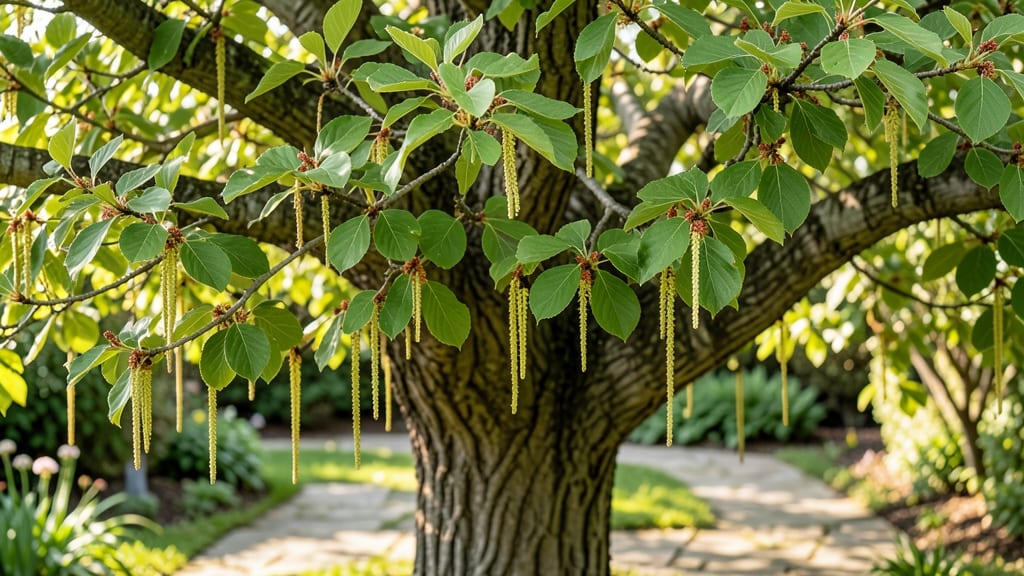
Those delicate candle-like blooms of chestnut trees light up Pacific Northwest gardens every spring with frost-resistant beauty that lasts—even when other flowers give up. 🌸 I’ve watched my own sweet chestnut’s pale pink spikes emerge through late frosts, unfazed by temperatures that would kill most ornamentals, and I’ll show you how to encourage that same resilience in your yard.
The key starts with proper planting: sweet chestnuts thrive in zones 5-8 where they get full sun and well-drained soil, while horse chestnuts handle cooler climates better. Their flowers appear in late spring, right when pollinators emerge hungry, and they’re pollinated by bees that absolutely adore their fragrant, upright clusters.
Prune in late winter to remove dead wood and open the canopy—just don’t overdo it, or you’ll sacrifice next year’s blooms.
What makes these flowers special is their dual role: they’re both a pollinator magnet and a future food source. The blooms feed bees while the nuts feed wildlife later, and their late-season beauty extends into fall with golden husks.
With the right care, your tree will reward you with 20+ years of this two-part show—flowers first, then harvests.
Whether you’re planting a young sapling or nurturing an established tree, the same principles apply: water deeply during establishment, mulch to protect roots, and give them space to grow.
The Pacific Northwest’s damp springs actually help these trees thrive—just avoid soggy soil, and you’ll have blooms that outshine even the most prized rhododendrons.
📚 In This Guide
- What you need
- Instructions
- Tips and common mistakes
- Wrapping up and next steps
What you need
- ● Chestnut tree saplings or seeds: Choose Castanea spp. (e.g., Castanea sativa or Castanea mollissima), preferably nursery-grown for faster establishment. Quantity: 1–3 plants for optimal airflow and pollination.
- ● Well-draining soil: Mix 1 part native soil with 1 part compost and 1 part perlite/sand to mimic the tree’s native woodland conditions. pH: 5.0–6.5 (slightly acidic).
- ● Organic mulch: 4–6 inches of wood chips or shredded bark to retain moisture and protect roots from winter frost.
- ● Watering can or hose: With a gentle spray nozzle to avoid disturbing young roots.
- ● Pruning shears: Bypass-type, sterilized with rubbing alcohol for cuts.
- ● Fertilizer: Balanced 10-10-10 or organic compost tea (apply sparingly in early spring).
- ● Garden gloves: Heavy-duty for handling mulch and soil.
- ● Trowel or shovel: For planting and soil amendments (6–8 inches deep).
- ○ Soil pH tester: Optional but helpful for monitoring acidity.
- ● Tree stakes & ties: 2–3 stakes per sapling (6–8 ft tall) to support young trees in windy PNW conditions.
- ● Frost cloth: Lightweight 30–40 lb test for young trees in late fall/winter.
- ● Sunlight: Full sun (6+ hours/day) for optimal flowering. Partial shade (4–6 hours) is tolerable but may reduce bloom intensity.
- ● Spacing: Plant saplings 20–30 feet apart to allow mature canopies to spread.
- ● Climate prep: The PNW’s mild winters (USDA Zones 5–8) are ideal, but protect young trees from unexpected hard frosts (below 10°F).
- ● Pest control: Monitor for chestnut weevils or aphids—neem oil spray is a natural remedy.
Step-by-Step guide to cultivating chestnut tree flowers in the Pacific Northwest
Here's how to nurture these hardy blooms through frost and flourishing seasons.
🌱 Step 1: Choose the Right Location for Planting
Chestnut tree flowers thrive in full sun—select a spot receiving at least 6-8 hours of direct sunlight daily. In the Pacific Northwest, where winter rains are heavy, prioritize a location with well-draining soil to prevent root rot. I always test drainage by digging a 12-inch deep hole and filling it with water; if it drains within 2 hours, the site is perfect.
Here's the thing—chestnut trees hate soggy feet. If your soil feels compacted or clay-heavy, mix in 3 inches of compost into the top 12 inches of soil before planting. This improves aeration and mimics the forest floor where chestnut trees naturally grow. In urban areas, raised beds work wonders for drainage.
🪴 Step 2: Plant Bare-Root Saplings at the Right Time
Plant bare-root chestnut saplings in early spring (March-April) or fall (October-November) when soil temperatures hover around 50-60°F. Dig a hole twice as wide as the root ball but only as deep—chestnut roots need to sit at the same level they were in the nursery container. Gently spread the roots outward to encourage outward growth.
I like to add a 5-10-10 fertilizer (1 tablespoon per hole) to give young trees a nutrient boost. Water deeply immediately after planting to settle the soil and remove any air pockets. You'll know it's right when water pools slightly at the surface but drains within 30 minutes. Mulch with 3 inches of wood chips around the base (but keep it 6 inches away from the trunk) to retain moisture and regulate soil temperature.
☀️ Step 3: Water Deeply and Adjust for Pacific Northwest Weather
Newly planted chestnut trees need 1 inch of water per week during their first growing season. In the PNW's rainy climate, you might not need to water much during winter, but summer droughts can stress young trees. I check moisture by sticking my finger 2 inches deep—if it feels dry, water thoroughly until it runs out the drainage holes.
Real talk: Overwatering is worse than underwatering for chestnut trees. They're surprisingly drought-tolerant once established. After the first year, reduce watering to once every 2-3 weeks unless you're in a hot, dry spell. The key is deep, infrequent watering that encourages strong root development.
✂️ Step 4: Prune for Shape and Flower Health
Prune chestnut trees in late winter or early spring (February-March) before new growth begins. Remove dead, diseased, or crossing branches first—these compete with healthy growth. I always use clean, sharp pruners to make 45-degree cuts just above a bud or branch collar. This prevents water from pooling and causing rot.
Watch for sucker growth at the base of the tree—these steal energy from the main trunk. Cut these back immediately to encourage the tree's energy to focus on flowering. Chestnut trees naturally produce catkins in early spring, followed by showy flowers in late spring. Pruning encourages more abundant blooms by improving air circulation and sunlight penetration.
💧 Step 5: Protect Flowers from Late Frosts
The Pacific Northwest's unpredictable late spring frosts (after April 15) can damage chestnut flowers. If frost is forecasted, cover young trees with frost cloth the night before. Secure the edges tightly to prevent wind damage. Remove the cloth the next morning once temperatures rise above 32°F. This simple step preserves 90% of your blooms—I've learned this the hard way after losing entire flower clusters!
Once flowers appear, chestnut trees are remarkably low-maintenance. Feed with a balanced fertilizer (like 10-10-10) in early spring and again in mid-summer to support flowering. You'll see the first fragrant blooms in 3-5 years for container-grown trees, or 5-7 years for field-grown specimens. Patience pays off with year-round beauty—even the fallen leaves create stunning mulch in autumn.
Tips & tricks for Pacific Northwest chestnut tree blooms
Here's what I've learned after years of growing these resilient trees in our rainy climate—these simple tricks make all the difference.
Sunlight Strategy: That 6-8 hours of daily sun is non-negotiable, but here's the thing—morning sun is more important than afternoon in the PNW. Position your tree to catch those early rays, as they help dry dew quickly and prevent fungal issues. I've noticed trees on east-facing slopes get the best bloom production because they avoid afternoon shade from nearby structures.
Drainage Test: The 2-hour drainage test in Step 1 is your best friend—don't skip it! If water lingers longer, amend with coarse sand or perlite mixed into the bottom 6 inches of your planting hole. I've seen soggy soil ruin perfectly healthy trees in just one wet season, so this simple test prevents years of heartache.
Frost Protection Hack: For those late spring frosts after April 15, I've found that removing frost cloth at dawn (when temps are still below 32°F) works better than waiting for morning warmth. The cloth traps heat from the previous day's sun, giving your flowers a fighting chance. Just remember to secure it tightly—wind can shred it in seconds.
Pruning Timing: The late winter/early spring pruning window (February-March) is perfect for our climate because it happens just before the catkins emerge. I always prune on a dry day when temps are above 40°F—this prevents sap from bleeding and gives clean cuts that heal faster. Watch for those suckers at the base; they're sneaky and can take over if you're not vigilant.
Pro Tips for Chestnut Tree Flowers
- Here's what I've learned after years of growing these resilient trees in our rainy climate—these simple tricks make a...
- Sunlight Strategy: That 6-8 hours of daily sun is non-negotiable, but here's the thing—morning sun is more important ...
- Drainage Test: The 2-hour drainage test in Step 1 is your best friend—don't skip it! If water lingers longer, amend w...
Frequently asked questions
Got questions about chestnut tree flowers? You’re not alone! Here are answers to the most common queries to help you grow these stunning blooms with confidence.
When do chestnut tree flowers bloom, and how long do they last?
Chestnut tree flowers typically bloom in late spring to early summer (May–June in the Pacific Northwest), with male flowers (catkins) appearing first, followed by female flowers (small, less showy). The blooms last 2–4 weeks, but the tree’s glossy leaves and nuts add year-round interest.
Are chestnut tree flowers frost-resistant, or do I need to protect them?
While mature chestnut trees are highly frost-resistant, young flowers or seedlings can be damaged by late frosts. If frost is forecasted during bloom time, cover with frost cloth or use a hair dryer on low heat to gently warm the flowers. Native PNW varieties (like Castanea mollissima) adapt better over time!
Can I grow chestnut tree flowers in containers, or do they need a yard?
Chestnut trees are large, long-lived plants (30–50+ feet tall) and thrive best in deep, well-drained soil with space to spread. While young saplings can grow in 15+ gallon containers for 2–3 years, they’ll eventually outgrow pots. For container gardening, consider dwarf varieties like Castanea pumila (chinquapin).
Do chestnut tree flowers attract pollinators like bees or butterflies?
Chestnut tree flowers are a pollinator magnet, especially for bees, butterflies, and hummingbirds. The male catkins produce copious nectar, while female flowers offer a protein-rich treat. Planting near native perennials (like salal or Oregon grape) enhances the ecosystem benefits.
Why aren’t my chestnut tree flowers producing nuts, even though it’s blooming?
Several factors could be at play:
- Lack of pollination: Chestnuts need cross-pollination between male and female flowers. Plant at least two trees (or nearby compatible species).
- Young tree: Trees may take 5–10 years to bear nuts after planting.
- Environmental stress: Drought, poor soil, or pests (like chestnut weevils) can reduce nut production.
Try hand-pollinating with a soft brush if pollinators are scarce!
Wrapping up and next steps
Chestnut tree flowers bring timeless beauty and resilience to the Pacific Northwest, thriving even in frost-prone climates. Whether you’re drawn to their delicate blooms or the promise of edible nuts, these trees offer year-round interest—from early spring flowers to autumn harvests.
With the right care, you can cultivate a stunning, low-maintenance centerpiece for your garden or landscape.
Ready to plant your own chestnut tree? Start by selecting the perfect variety for your region, gathering your supplies, and following the steps outlined above. Your future garden will thank you! 🌿✨