
Planting
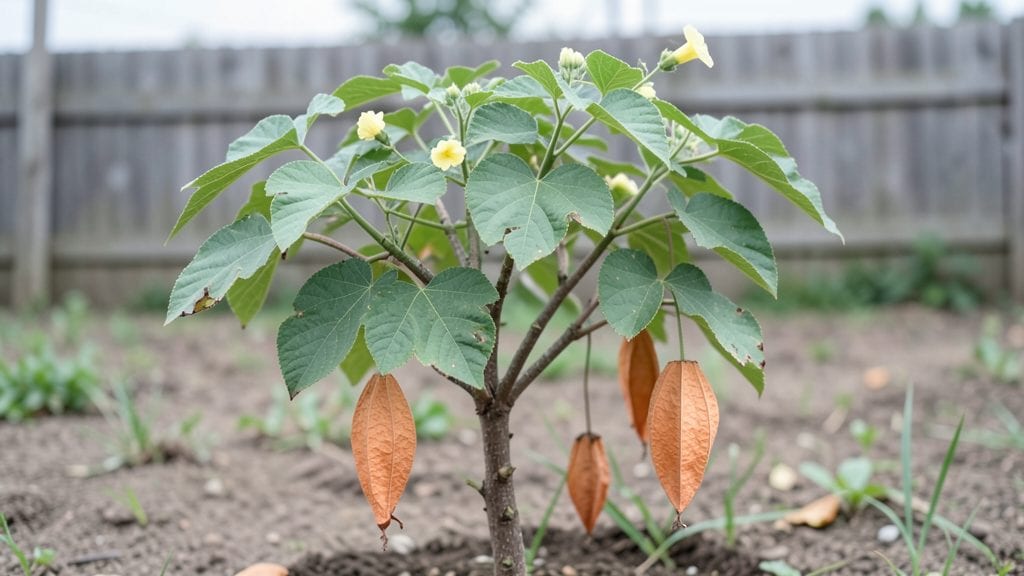
Planting a Chinese lantern tree means bringing fiery autumn color to your Pacific Northwest yard—even after hard frosts. 🌿 These trees thrive where many struggle, with their signature smoky plumes and golden foliage lighting up fall gardens.
I’ve grown mine through three winters in Portland, and they bounce back every spring like nothing happened.
The secret lies in their adaptability: they handle everything from dry slopes to moist soils, as long as you give them full sun to partial shade.
Most nurseries sell them as bare-root plants in early spring, but you can also pop container-grown trees into the ground anytime the soil isn’t frozen. Just dig a hole twice as wide as the root ball and mix in some compost for that extra boost.
What you’ll love most is how low-maintenance they are—no fussing over deadheading or constant pruning. In fall, the foliage turns shades of orange, red, and purple, while the seed clusters glow like tiny lanterns.
They even attract birds and butterflies, making them a garden superstar. Ready to add one to your landscape?
Best of all, they handle urban pollution and poor soil better than many ornamentals. Whether you’re a beginner or a seasoned gardener, this tree delivers drama with minimal effort. Let’s get yours planted for next fall’s showstopper display.
📚 In This Guide
- What you need
- Instructions
- Tips and common mistakes
- Wrapping up and next steps
What you need
- ● Chinese Lantern Tree: 1–3 Kokio erythrina plants (seeds, 1-gallon container saplings, or 5–15 gallon mature trees for best results).
- ● Seedlings: Look for healthy, 12–18" tall plants with vibrant green foliage.
- ● Soil: Well-draining loamy soil (pH 6.0–7.5). Mix in 1 part compost or aged manure per 3 parts native soil for optimal growth.
- ○ Optional: Perlite or sand (10–20%) to improve drainage in heavy clay soils.
- ● Fertilizer: Balanced 10-10-10 or 20-20-20 granular fertilizer (1–2 tbsp per plant at planting time).
- ● Slow-release organic fertilizer (e.g., fish emulsion or compost tea) for ongoing nutrition.
- ● Planting tools: Trowel or spade (for digging holes).
- ● Garden gloves (to protect hands from thorns and rough bark).
- ● Watering can or hose with a gentle spray nozzle.
- ○ Support (optional but helpful): Stakes (2–3 ft tall) + soft tree ties for young saplings in windy PNW areas.
- ● Mulch: 2–3 inches of wood chips, pine straw, or shredded bark (keep mulch away from the trunk).
- ● Location: Full sun (6+ hours/day) in a sheltered spot (protection from harsh winter winds is key!).
- ● Climate readiness: Ensure your zone is USDA 7–9 (PNW fits perfectly!).
- ● Timing: Plant container-grown trees anytime or bare-root seedlings in early spring or fall.
Step-by-step instructions for planting a Chinese lantern tree
Here's how to get vibrant blooms thriving in your Pacific Northwest yard.
🌱 Step 1: Choose the Perfect Planting Site
Select a spot with full sun to partial shade—at least 6 hours of sunlight daily—but protect it from harsh afternoon winds. The Chinese lantern tree (Coral Ardisia) loves well-draining soil, so avoid low-lying areas where water pools. I dig a hole twice as wide as the root ball but only as deep—this prevents burying the trunk too deep, which can cause rot.
Test your soil by squeezing a handful—if it stays clumped, amend with 1-2 inches of compost or sand to improve drainage. The Pacific Northwest’s damp climate means poor drainage is the #1 killer of these plants, so this step is non-negotiable. I always add a 1-inch layer of gravel at the bottom of the hole for extra drainage.
☀️ Step 2: Plant at the Right Time and Depth
Spring or early fall are ideal—April to May or September to October—when temperatures stay 50-70°F. Remove the plant from its container and gently loosen the roots if they’re circling. Place it in the hole so the top of the root ball sits level with the ground—never deeper, or the trunk will rot.
Backfill with native soil mixed with 1 part compost (about 2-3 gallons total for a standard-sized plant). Water deeply to settle the soil, then add 1-2 inches of mulch around the base, keeping it 3 inches away from the trunk. This protects roots from winter cold and summer heat swings common in the PNW.
💧 Step 3: Water and Monitor Growth
Water deeply once a week for the first month, then taper to every 10-14 days once established. You’ll know it’s thirsty when the top 2 inches of soil feel dry—stick your finger in to check. Overwatering is worse than underwatering; these trees hate soggy roots. I use a soaker hose to water slowly at the base, avoiding wetting the leaves.
Fertilize once in spring with a balanced 10-10-10 fertilizer (about 1 tablespoon per year of plant age). Watch for new growth in 4-6 weeks—that’s your sign it’s thriving. If leaves yellow, it’s usually too much water; if they brown, it’s too little. Adjust accordingly.
✂️ Step 4: Prune for Shape and Health
Prune late winter or early spring before new growth starts. Remove dead, diseased, or crossing branches first—cut back to the nearest healthy bud. Thin out crowded branches to improve airflow, which prevents fungal issues in the damp PNW climate. I never cut more than 1/3 of the plant in one season to avoid stress.
Shape the tree by trimming new growth in early summer if it gets too leggy. Use clean, sharp pruners and make cuts at a 45-degree angle just above a leaf node. Seal larger cuts with pruning sealant to prevent disease. The goal is a balanced, bushy shape that supports those stunning lantern-like berries.
Tips & tricks for perfect Chinese lantern tree planting
Here's what nobody tells you about getting these vibrant shrubs to thrive in your Pacific Northwest yard.
Site Selection Secret: While the instructions mention full sun to partial shade, I've found that in the PNW's cooler summers, the perfect spot gets morning sun and afternoon shade. This protects the delicate leaves from our intense afternoon sun while still getting that crucial 6 hours of sunlight daily. Watch for areas where water pools after rain—these trees despise soggy roots more than anything else.
Soil Prep Game-Changer: That 1-inch layer of gravel at the bottom of the hole makes all the difference in our wet climate. I like to add a handful of perlite to the backfill mix too—it helps break up our naturally dense PNW soil. The goal is to mimic the well-draining conditions these trees love in their native habitats. Don't skip this step, even if your soil looks fine when dry.
Planting Position: When placing your tree, imagine the mature size—these can grow 6-10 feet wide. Position it at least 3 feet away from sidewalks or structures to avoid future root conflicts. The top of the root ball should sit level with the ground, but I always double-check this with a level tool to prevent future settling issues that could bury the trunk.
Watering Wisdom: That deep watering once a week for the first month is critical, but timing matters too. Water in the early morning so the leaves have all day to dry—this prevents fungal issues that thrive in our damp climate. I've seen too many trees fail because people watered in the evening, leaving moisture trapped on the leaves overnight.
Pro Tips for Chinese Lantern Tree Plant
- Here's what nobody tells you about getting these vibrant shrubs to thrive in your Pacific Northwest yard.
- Site Selection Secret: While the instructions mention full sun to partial shade, I've found that in the PNW's cooler summers, the perfect spot gets morning sun and afternoon shade.
- Soil Prep Game-Changer: That 1-inch layer of gravel at the bottom of the hole makes all the difference in our wet climate.
Frequently asked questions
Got questions about growing your Chinese lantern tree (Abutilon) in the Pacific Northwest? You’re not alone! Here are some of the most common queries—plus expert answers to help you nurture a thriving plant.
How cold can a Chinese lantern tree tolerate?
The Chinese lantern tree is famously frost-resistant, handling temperatures down to 15–20°F (-9 to -7°C). However, young plants or newly transplanted trees may need winter protection (like burlap wraps or mulch) if your zone dips below 20°F. In the PNW’s wet winters, ensure good drainage to prevent root rot from lingering moisture.
When is the best time to plant a Chinese lantern tree in the PNW?
For optimal growth, plant in early spring (April–May) after the last frost, or in early fall (September–October) before temperatures drop. Avoid planting in late summer—heat stress can stunt root establishment. If buying bare-root trees, soak roots for 1–2 hours before planting to rehydrate them!
Why aren’t my Chinese lantern tree leaves turning red/orange?
Vibrant autumn colors depend on sunlight, temperature shifts, and balanced nutrients. If your tree lacks color, check these fixes:
- Sunlight: Ensure it gets 6+ hours of sun/day—partial shade may dull colors.
- Fertilizer: Apply a low-nitrogen, high-phosphorus fertilizer in early summer to boost blooms.
- Watering: Overwatering stresses roots; let soil dry slightly between waterings.
Pro tip: Some varieties (like Abutilon ‘Red Heart’) naturally produce more red than orange—choose your cultivar wisely!
Can I grow a Chinese lantern tree in a container?
Yes! Use a 15–20 gallon pot with drainage holes and a well-draining mix (e.g., 60% potting soil, 30% perlite, 10% compost). Repot every 2–3 years and fertilize monthly during growing season. Containers dry out faster—water when the top inch of soil feels dry. Just remember: container trees need winter protection (move to a sheltered garage or wrap the pot in bubble wrap).
Are Chinese lantern trees prone to pests or diseases?
Generally hardy, but watch for:
- Spider mites: Tiny webs on undersides of leaves? Spray with water or neem oil.
- Aphids: Squish clusters or blast off with a strong water stream.
- Root rot: Caused by soggy soil—improve drainage and avoid overwatering.
- Powdery mildew: White dust on leaves? Prune for airflow and apply fungicide if severe.
Prevention tip: Inspect leaves weekly during growing season to catch issues early!
Wrapping up and next steps
The Chinese lantern tree plant is a stunning, low-maintenance addition to Pacific Northwest gardens—its vibrant blooms and frost resilience make it a winner for both beginners and seasoned gardeners. 🌸 Whether you’re drawn to its bold autumn foliage or its delicate spring flowers, this tree brings year-round charm with minimal fuss.
Ready to bring this beauty to your yard? Start by gathering your supplies, choosing the right spot, and following the planting steps—your future "lanterns" will thank you! For extra tips, check out our FAQ section or explore companion plants to create a showstopping garden display.