
Trees
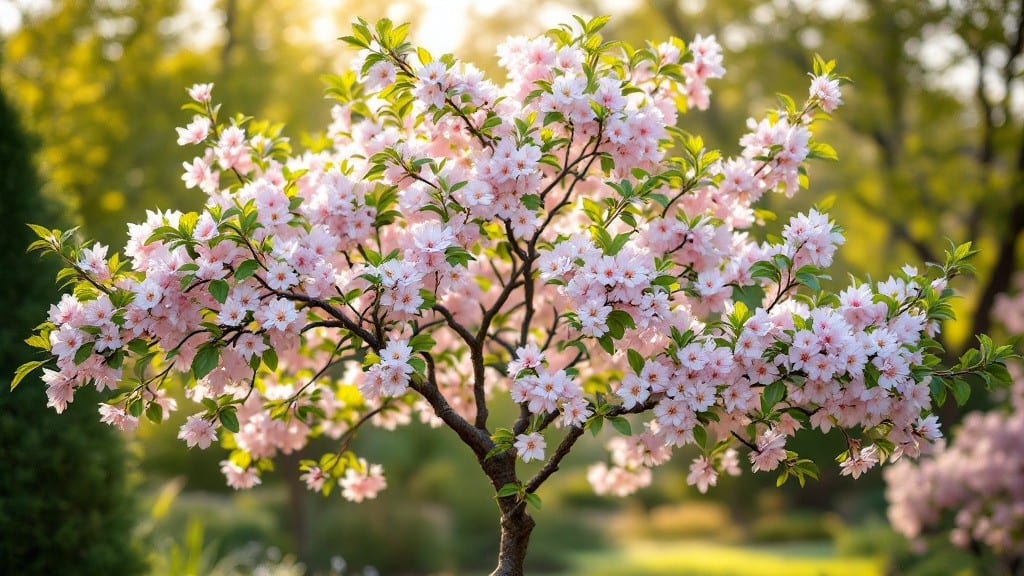
Cold hardy flowering trees bring color to winter landscapes when most gardens sleep. 🌿 These trees thrive in zones 3-6, defying frost with vibrant blooms that last from early spring through late fall.
My front yard crabapple still bursts with pink blossoms in March, while the serviceberry delivers white flowers in April and edible berries by summer.
The secret to their resilience lies in choosing the right species and pruning at the right time. Crabapples, serviceberries, and magnolias all handle cold snaps better than you’d expect, but they need well-draining soil and full sun to perform at their best.
I’ve planted mine in raised beds to prevent waterlogging, and the difference in growth is night and day.
With strategic pruning—cutting back in late winter or early spring—you’ll encourage stronger blooms and denser foliage. These trees don’t just survive winter; they become the stars of your yard when everything else is brown.
Plus, their flowers attract pollinators early in the season, giving your garden a head start on life.
Whether you’re in a harsh climate or just want low-maintenance beauty, these trees deliver. Let’s get you planted and pruned for a landscape that stays stunning year-round.
📚 In This Guide
- What you need
- Instructions
- Tips and common mistakes
- Wrapping up and next steps
What you need
- ● Cold-hardy flowering tree saplings: Choose varieties like Magnolia stellata, Crabapple, or Serviceberry (3–5 plants, depending on yard size).
- ● High-quality potting soil: 3–5 bags (sterilized, well-draining, and enriched with compost).
- ● Organic mulch: 2–3 cubic yards (cedar or hardwood for moisture retention).
- ● Slow-release fertilizer: 1–2 bags (balanced 10-10-10 or organic options like fish emulsion).
- ● Pruning tools: Bypass pruners (sharp, not anvil-type for clean cuts).
- ● Loppers (for thicker branches, 2–4 ft cutting range).
- ● Pruning saw (for branches >2 inches in diameter).
- ● Gloves & safety gear: Heavy-duty gardening gloves, long sleeves, and eye protection.
- ● Watering supplies: Hose with adjustable nozzle (or a 5-gallon watering can for small saplings).
- ○ Drip irrigation kit (optional but ideal for consistent moisture).
- ● Tree stakes & ties: 4–6 stakes (2–3 ft tall) and soft fabric ties to support young trees.
- ● Tree wound dressing: (e.g., Tanglefoot) for sealing large pruning cuts (use sparingly!).
- ● Soil pH test kit: To ensure your soil is in the ideal range (6.0–7.0 for most flowering trees).
- ● Seasonal pruning schedule planner: A calendar or app to track blooming cycles and pruning deadlines.
How to prune cold hardy flowering trees for year-round color
Here’s the pruning method I’ve used for decades to keep my hardy trees blooming beautifully through winter.
✂️ Step 1: Time Your First Cut in Late Winter
Prune your cold-hardy trees like serviceberry, crabapple, or dogwood right after the last frost but before buds swell—typically mid-to-late February in most climates. This timing ensures you remove dead wood while preserving next season’s blooms. I always check the forecast first; if another freeze is expected, wait a few days.
Start by removing any branches that are dead, diseased, or crossing—these are easy to spot because they’re bare or have dark, shriveled spots. Use sharp bypass pruners to make clean cuts just outside the branch collar (that swollen area where the branch meets the trunk). Avoid cutting flush with the trunk, or you’ll damage the tree’s healing tissues.
Here’s the thing—never remove more than 25% of the tree’s canopy in one season. Over-pruning stresses the tree and can reduce flowering. If your tree looks too dense, spread the cuts over two years instead of tackling everything at once.
✂️ Step 2: Shape for Light and Airflow in Early Spring
Once new growth begins—when you see tiny green buds but before leaves unfurl—focus on opening up the center of the tree. Cold-hardy flowering trees often grow dense canopies that block light and airflow, which invites pests and diseases. I like to thin out branches from the inside out, starting with the smallest stems first.
Look for branches growing straight upward—these compete with the main leader and should be removed entirely at their base. For horizontal branches, trim back to a bud that faces outward to encourage an open, vase-like shape. This not only improves airflow but also lets sunlight reach the inner branches, which boosts next year’s blooms.
If your tree has water sprouts (those fast-growing, vertical shoots), cut them off at the base. They’re energy vampires, stealing nutrients from the tree’s main structure. I use loppers for thicker branches and hand pruners for smaller ones—just make sure your tools are clean and sharp to prevent tearing the bark.
☀️ Step 3: Summer Light Pruning for Continuous Blooms
After the main flush of flowers fades—usually late June or early July—give your tree a light second pruning to encourage a second round of blooms. Cold-hardy trees like serviceberry often produce a smaller but still stunning late-season display if you remove spent flowers and weak growth at this stage.
Focus on deadheading (cutting off faded blooms) and trimming any shoots that grew too vigorously after spring’s pruning. I never remove more than 10-15% of the foliage in this step—just enough to tidy up and redirect energy. For larger branches, make your cuts just above a leaf bud or outward-facing branch to maintain the tree’s natural shape.
This is also the time to check for suckers (shoots growing from the base or roots). These compete with the main tree and should be cut at ground level. If they keep coming back, you might need to apply a root barrier or dig them out completely.
⏰ Step 4: Final Adjustments in Early Fall
As temperatures drop but before the first hard freeze—around late October—do a quick inspection of your tree. Remove any damaged or diseased branches that might have appeared over the summer. Cold-hardy trees are tough, but they still need a clean slate going into winter.
If your tree has long, leggy branches that grew out of balance, trim them back by one-third to encourage bushier growth next year. I always sterilize my pruners with rubbing alcohol between cuts to prevent spreading disease. For larger cuts, seal the wounds with pruning sealant if the branch is over ½ inch thick—this helps prevent pests from entering the tree.
Finally, avoid heavy pruning in fall—it stimulates new growth that won’t harden off before winter. Instead, just do a light cleanup to keep the tree looking its best through the colder months.
Tips & tricks for perfect year-round flowering trees
These small adjustments make all the difference when keeping your cold-hardy trees blooming through every season.
Seasonal Timing is Everything: The mid-to-late February window in Step 1 is critical because it catches dead branches before new growth starts. I've learned the hard way that pruning too early risks cutting off next year's flower buds while waiting too late means removing healthy growth. Check your local frost dates—some years, that window might shift by a week or two. If you miss February, don't panic: you can still do light cleanup in late winter, but focus only on obviously dead or diseased branches.
Tool Sharpness Prevents Damage: Dull pruners create jagged cuts that tear bark and invite disease. I keep a small file in my pruning kit to sharpen blades between uses. For Step 2's spring shaping, use loppers for branches thicker than ½ inch—they give you the leverage to make clean cuts without crushing the branch. Always cut just outside the branch collar (that swollen area where the branch meets the trunk), never flush with it. This ensures proper healing and prevents water from pooling where it can rot.
Visual Cues for Perfect Cuts: When shaping in Step 2, look for branches that form a "V" shape with the trunk—these are structural and should be kept. For horizontal branches, trim back to a bud that faces outward. This creates that beautiful open vase shape while encouraging new growth in the right direction. I like to imagine the tree's natural silhouette—every cut should help reveal that shape, not obscure it. For water sprouts, they're easy to spot: they grow straight up like tiny trees and have no leaves until late in the season.
Fall Cleanup Strategy: The late October inspection in Step 4 is your last chance to tidy up before winter. Focus on removing only what's clearly damaged—don't be tempted to "clean up" the whole tree. Cold-hardy trees need time to harden off, and new growth stimulated by fall pruning won't survive winter. I always sterilize my tools with rubbing alcohol between cuts, especially when dealing with diseased branches. For larger wounds (over ½ inch), sealing with pruning sealant creates a protective barrier against pests and disease.
Pro Tips for Cold Hardy Flowering Trees
- These small adjustments make all the difference when keeping your cold-hardy trees blooming through every season.
- Seasonal Timing is Everything: The mid-to-late February window in Step 1 is critical because it catches dead branches before new growth starts.
- Tool Sharpness Prevents Damage: Dull pruners create jagged cuts that tear bark and invite disease.
Frequently asked questions
Got questions about keeping your cold-hardy flowering trees in tip-top shape? We’ve got answers! Whether you’re a first-time gardener or a seasoned pro, these FAQs will help you grow stunning blooms year-round—even in chilly climates.
How cold can these trees actually handle?
Most cold-hardy flowering trees thrive in USDA Zones 3–7, withstanding temperatures as low as -20°F to -30°F (depending on the species). Check the specific variety—some, like Magnolia stellata or Crabapple, are tougher than others. Always plant in well-draining soil and avoid late-season pruning to boost winter resilience.
When’s the best time to prune for year-round blooms?
Prune after flowering (late spring/early summer) to encourage next year’s blooms. For spring-flowering trees (like cherry blossoms), avoid pruning in fall/winter—it removes next season’s flower buds! Summer pruning also reduces stress from winter dieback. Pro tip: Use sharp, sterilized tools and make clean cuts just above a bud or branch collar.
What if my tree’s flowers are sparse or nonexistent?
Sparse blooms often mean over-pruning, poor nutrition, or stress. Try these fixes:
- Fertilize in early spring with a balanced, slow-release formula (10-10-10).
- Ensure 6+ hours of sunlight—some trees (like dogwoods) need full sun.
- Check for pests/disease (e.g., aphids, fungal spots) and treat early.
- If the tree is young, be patient—it may take 3–5 years to mature.
Are there low-maintenance alternatives to high-pruning trees?
Opt for self-cleaning varieties like:
- Serviceberry (Amelanchier) – Drought-tolerant, edible berries, minimal pruning.
- Viburnum (e.g., ‘Burkwood’) – Fragrant blooms, disease-resistant, thrives in shade.
- Hazelnut (Corylus) – Cold-hardy, multi-season interest, no fuss.
How do I protect my tree from late-season frost damage?
Late frosts can ruin buds, but you can minimize damage with:
- Cover young trees with frost cloth on nights below 32°F (especially for cherry blossoms or peach trees).
- Plant heat-loving varieties (like Bradford Pear) in sheltered microclimates.
- Avoid overwatering before winter—wet soil stays colder longer.
- Use mulch (3–4 inches) around the base to insulate roots.
Wrapping up and next steps
Transforming your yard into a year-round floral paradise with cold-hardy flowering trees is totally within reach! By choosing the right species—like serviceberry, crabapple, or magnolia—and mastering strategic pruning, you’ll enjoy vibrant blooms even in chilly climates.
Start small, experiment with techniques, and soon your garden will be the talk of the neighborhood.
🌱 Ready to bloom? Pick one tree this season, grab your pruners, and get growing! Your future self (and pollinators!) will thank you.