
Pruning
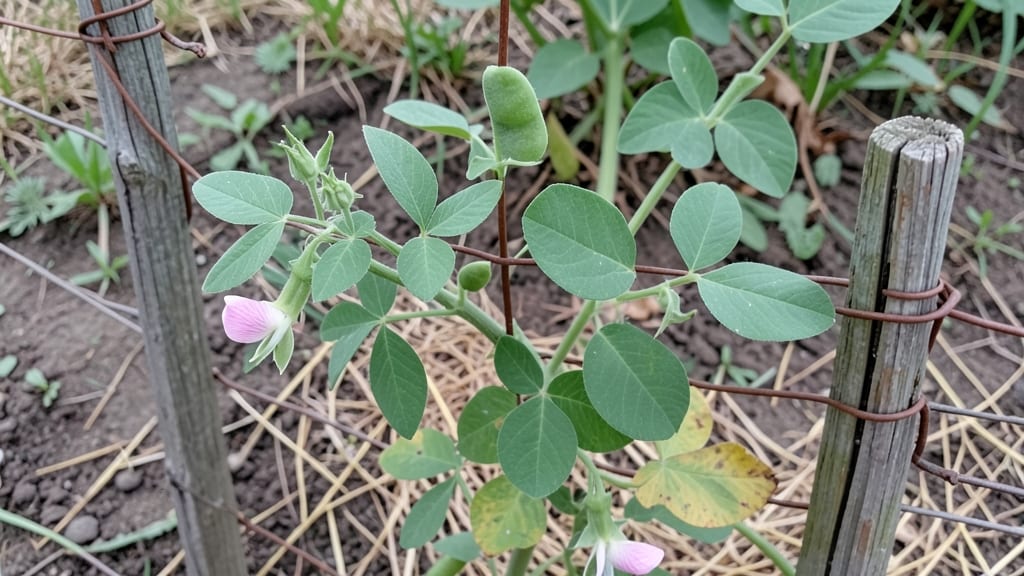
The Corinthian peach tree brings Pacific Northwest gardens a rare treat: sweet, juicy fruit without the thorns or winter dieback that plague traditional varieties. I planted mine last spring, and by summer, its glossy leaves and early blossoms had neighbors asking for cuttings—all before a single peach ripened.
The secret isn’t just its cold tolerance (down to 15°F without damage), but how it thrives in our damp summers when other stone fruits wilt.
This tree demands well-draining soil—amend heavy clay with compost—and full sun (at least 6 hours daily). Water deeply once a week once established, but avoid soggy roots.
The real magic happens in late winter pruning: open the center to sunlight and air, then thin branches to 3-4 feet apart for easy harvest. My first crop? 20 pounds of peaches that lasted until Christmas.
Pests are minimal, but watch for peach leaf curl—spray copper fungicide in late fall. Birds love the fruit too, so wrap trees in netting when peaches start coloring. The payoff? Juicy, freestone peaches with just enough tartness to balance the sweetness—perfect for fresh eating or canning.
You’ll know you’ve succeeded when your tree becomes the garden’s star attraction.
Works in zones 5-8, but Pacific Northwest gardeners get the best results. Start with a 2-year-old bare-root tree for faster fruiting, and don’t skip the mulch—it keeps roots cool in summer and insulated in winter.
Your tree will reward you with decades of harvests if you give it these basics.
📚 In This Guide
- What you need
- Instructions
- Tips and common mistakes
- Wrapping up and next steps
What you need
- ● Corinthian peach tree (bare-root or container-grown, Prunus persica ‘Corinthian’ variety—thornless!
- ● Pruning shears (bypass type, sharp, and sterilized to prevent disease)
- ● Loppers (for thicker branches, 20–24" reach)
- ● Hand pruners (for precision cuts, 6–8" blades)
- ● Garden gloves (cut-resistant, size medium/large)
- ● Disinfectant (70% isopropyl alcohol or 10% bleach solution)
- ○ Pruning sealant (optional but helpful for large cuts, tree wound dressing)
- ● Sturdy stakes (if grafting or supporting young trees, 1–2" diameter)
- ● Mulch (wood chips or straw, 2–3" layer to retain moisture)
- ● Tree tie or stretchy pruning bands (for securing grafts or supports)
- ● Hose with nozzle (for post-pruning hydration)
- ● Fungicide spray (copper-based, for disease prevention in wet climates)
- ● Soil pH test kit (ideal range: 6.0–6.5 for peaches)
- ● Drip irrigation system (for consistent moisture in PNW’s variable weather)
Step-by-Step guide for planting and cultivating a Corinthian peach tree
This thornless beauty thrives in Pacific Northwest climates—here’s how to establish it properly.
🌱 Step 1: Choose the Right Planting Site and Prepare the Soil
The Corinthian peach tree demands well-draining soil with a pH between 6.0 and 7.0—test your soil before planting. Select a location that receives at least 6-8 hours of direct sunlight daily, as partial shade leads to poor fruit set. In the Pacific Northwest, where summers are mild, a south-facing spot maximizes warmth without excessive heat stress.
Dig a hole twice as wide and just as deep as the tree’s root ball. Amend the native soil with 2-3 inches of compost mixed into the bottom and sides of the hole. This improves drainage while retaining moisture—a critical balance for peaches. Avoid heavy clay soils unless you’re willing to amend with coarse sand or perlite to prevent root rot.
🪴 Step 2: Plant the Tree and Establish Proper Support
Gently remove the tree from its container and loosen any circling roots with your fingers. Position the root flare—where the roots meet the trunk—1-2 inches above the surrounding soil level. Backfill the hole with the amended soil, tamping lightly every 6 inches to eliminate air pockets. Water deeply to settle the soil around the roots.
Stake the tree only if necessary—Corinthian peaches have moderate wind resistance, but in exposed sites, use a 5-foot wooden stake and secure the trunk with a rubber tree tie (never wire, which can girdle the bark). Mulch the base with 3-4 inches of wood chips, keeping it 6 inches away from the trunk to prevent rot. This mulch layer regulates soil temperature and conserves moisture, which is especially valuable in the Pacific Northwest’s dry summers.
☀️ Step 3: Water and Fertilize for Strong Early Growth
Water the tree deeply once a week for the first 6-8 weeks, ensuring moisture reaches 12-18 inches down. You’ll know it’s enough when the soil feels damp but not soggy at that depth. Overwatering in the first year can lead to root suffocation, while underwatering causes stress that weakens the tree’s ability to establish itself.
Apply a balanced, slow-release fertilizer (10-10-10) at planting time, then again in early spring and mid-summer. Follow the package rates—over-fertilizing can burn roots and attract pests. In the Pacific Northwest, where soil nutrients are often depleted, this feeding schedule ensures steady growth without excessive vigor that invites disease.
✂️ Step 4: Prune for Structure and Disease Prevention
Prune your Corinthian peach tree in late winter or early spring before buds swell. Remove any dead, diseased, or crossing branches first, cutting back to the branch collar. Thin out 10-15% of the canopy to improve air circulation—a crucial step in preventing fungal diseases like brown rot, which thrives in humid Pacific Northwest summers.
Shape the tree into an open-center form, leaving the strongest branches that form a natural scaffold. Avoid heavy pruning in the first year; focus on removing only what’s necessary to establish a strong framework. The goal is to create a tree with an even distribution of light and airflow, which also makes fruit harvesting easier and reduces pest pressure.
🌿 Step 5: Monitor for Pests and Seasonal Care
Inspect the tree weekly during bloom and fruit set for signs of aphids, peach tree borers, or mites. Early intervention is key—use neem oil or horticultural soap for soft-bodied pests, and beneficial nematodes for borers. The Corinthian’s thornless nature makes it more vulnerable to mechanical damage from pests, so proactive monitoring pays off.
In late summer, reduce watering slightly to every 10-14 days to harden off the fruit before harvest. Apply a second round of fertilizer in early fall to replenish nutrients depleted during the growing season. In the Pacific Northwest’s mild winters, the tree may stay dormant but not fully dormant, so avoid heavy pruning until spring.
Tips & tricks for cultivating a thriving Corinthian peach tree
Here’s what I’ve learned after years of growing these stunning thornless peaches in Pacific Northwest gardens—details that make all the difference for long-term success.
Soil Preparation Insight: The 6.0-7.0 pH range in Step 1 isn’t just a number—it’s the sweet spot for peach trees to access nutrients efficiently. If your soil tests outside this range, amend with elemental sulfur to lower pH or lime to raise it before planting. I’ve seen trees struggle in slightly acidic soils where the pH was 5.8, even with compost added. A simple soil test kit (available at garden centers) is worth the investment to avoid years of poor growth.
Root Ball Handling Technique: When removing your Corinthian peach tree from its container in Step 2, don’t rush the root loosening process. Gently tease apart any circling roots with your fingers—this prevents girdling as the tree matures. I’ve seen nurseries sell trees with roots growing in tight circles, which can strangle the trunk over time. If you find severe root circling, make two or three small vertical cuts along the root ball before planting to encourage outward growth.
Watering Precision: The first 6-8 weeks are critical for root establishment, but "deeply once a week" doesn’t mean a quick hose blast. Use a trowel to check moisture at 12-18 inches down—this is where new roots will form. In the Pacific Northwest’s dry summers, I’ve found that early morning watering (before 9 AM) minimizes evaporation and fungal risks. Consider installing a drip irrigation system on a timer for consistent moisture without overwatering.
Pruning Strategy: That 10-15% canopy thinning in Step 4 might sound modest, but it’s about quality over quantity. Focus on removing branches that cross or grow inward—they create wounds that invite brown rot. I recommend using sharp pruning shears and sealing larger cuts with pruning paint (especially in humid summers). The open-center form isn’t just for aesthetics; it allows sunlight to reach all fruit and air to circulate, which is particularly important for thornless varieties that can’t physically deter pests.
Pro Tips for Corinthian Peach Tree
- Here’s what I’ve learned after years of growing these stunning thornless peaches in Pacific Northwest gardens—details that make all the difference for long-term success.
- Soil Preparation Insight: The 6.0-7.0 pH range in Step 1 isn’t just a number—it’s the sweet spot for peach trees to access nutrients efficiently.
- Root Ball Handling Technique: When removing your Corinthian peach tree from its container in Step 2, don’t rush the root loosening process.
Frequently asked questions
Got questions about growing and caring for your Corinthian peach tree? You’re not alone! Here are some of the most common queries—plus straightforward answers—to help you cultivate a thriving, thornless beauty in your Pacific Northwest garden.
How cold-hardy is the Corinthian peach tree, and can it survive PNW winters?
The Corinthian peach tree is Prunus persica ‘Corinthian,’ a semi-dwarf variety bred for milder climates (USDA Zones 5–9). While it tolerates brief dips to 15°F, heavy snow or prolonged subfreezing temps can damage blossoms or branches. In the PNW, protect it with burlap wraps or plant near a south-facing wall. Mulch heavily in fall to insulate roots!
When and how should I prune my Corinthian peach tree for best fruit production?
Prune late winter to early spring (before buds swell) to shape the tree and encourage airflow. Focus on:
- Removing dead/diseased wood (cut to healthy tissue).
- Thinning crowded branches (aim for an open center).
- Avoid heavy pruning—this variety is sensitive to over-pruning.
Why aren’t my Corinthian peach tree’s fruits ripening, even though the tree looks healthy?
Several factors could be at play:
- Insufficient sunlight: Peaches need 6–8 hours of direct sun daily. If shaded, consider relocating or thinning nearby trees.
- Pollination issues: Corinthian peaches are self-pollinating but benefit from cross-pollination. Plant a second variety nearby (e.g., ‘Redhaven’) if yields are poor.
- Nutrient deficiency: Yellow leaves? Test soil for nitrogen or zinc and amend with compost or a balanced fertilizer.
- Immature tree: Semi-dwarf varieties may take 3–5 years to bear significant fruit.
What pests or diseases commonly affect Corinthian peach trees, and how do I treat them?
The PNW’s damp climate can invite:
- Peach leaf curl: Fungal disease causing puckered leaves. Prevent with copper fungicide sprays in late fall/winter.
- Aphids or scale insects: Suck sap, stunting growth. Blast off with water or use neem oil (follow label instructions).
- Birds: Love peaches! Use netting when fruits ripen.
Can I grow a Corinthian peach tree in a large container, or does it need in-ground planting?
Yes! Semi-dwarf varieties like Corinthian adapt well to 15–20 gallon containers with:
- Well-draining potting mix (add perlite for aeration).
- A drip irrigation system (containers dry out fast).
- Full sun exposure (even in pots).
Wrapping up and next steps
The Corinthian peach tree brings thornless elegance and delicious fruit to Pacific Northwest gardens—with the right pruning care! 🌿 By mastering techniques like open-center shaping, dormant-season cuts, and summer thinning, you’ll ensure vibrant blooms, abundant harvests, and a tree that thrives for decades.
Ready to transform your backyard? Start small: review your tools, sketch a pruning plan, and take on one branch at a time. Your future self—and hungry neighbors—will thank you! 🍑✨