Pruning
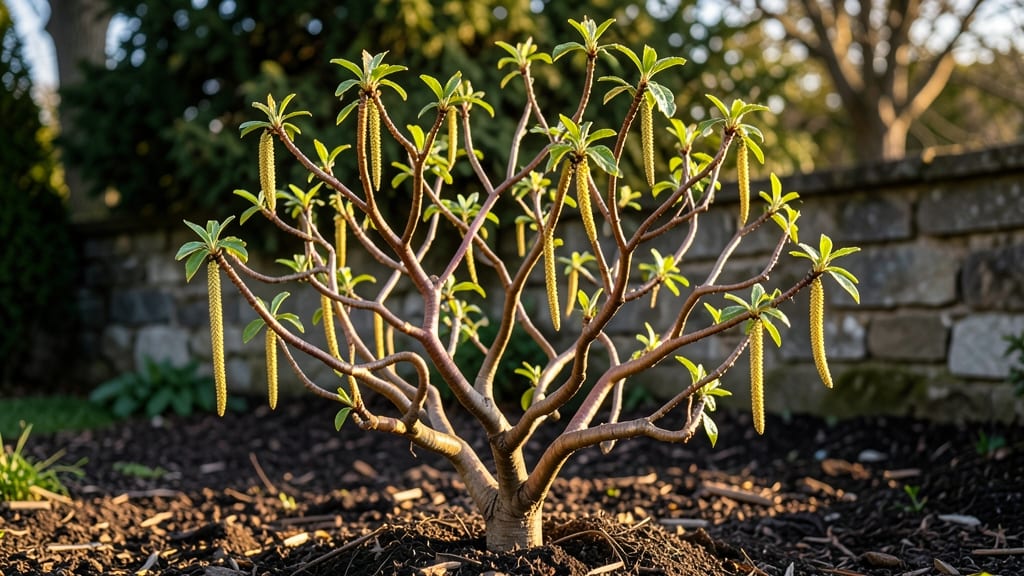
The corkscrew hazel tree’s twisted branches look like something out of a fairy tale—until you learn how to shape them properly. 🌿 I’ve pruned mine for five seasons, and there’s nothing like watching those sinuous stems coil tighter with each careful cut.
The key isn’t just when you prune, but how you encourage that signature spiral growth year after year.
This tree thrives in full sun to partial shade and tolerates most well-drained soils, though it rewards you best in zones 4-8. Plant it where you can admire its silhouette from multiple angles, as the branches grow both upward and outward.
Young trees need minimal shaping, but by year three, you’ll start guiding the twists with strategic cuts—never removing more than a third of the growth at once.
What you’ll end up with is a year-round focal point that looks stunning in winter when other trees are bare. Those dramatic spirals catch the light like nothing else, and the golden catkins in early spring add a bonus burst of color.
The secret? Pruning in late winter or early spring, always cutting just above a bud that faces outward.
Works beautifully as a standalone specimen or layered with other ornamental trees. Once established, it’s nearly maintenance-free—just watch for aphids and keep an eye on any new growth for proper shaping. Here’s how to get those branches coiling like magic.
📚 In This Guide
- What you need
- Instructions
- Tips and common mistakes
- Wrapping up and next steps
What you need
- ● Pruning shears: Sharp, bypass-style shears (for clean cuts on small branches). Quantity: 1 pair
- ● Loppers: For thicker branches (up to 1.5 inches in diameter). Quantity: 1 pair
- ● Pruning saw: Heavy-duty saw for branches over 1.5 inches. Quantity: 1
- ● Gloves: Heavy-duty, cut-resistant gloves (to protect from thorns and rough bark). Quantity: 1 pair
- ● Disinfectant: 70% isopropyl alcohol or pruning sealant (to prevent disease spread). Quantity: Small bottle
- ○ Extension pole: Optional but helpful for high branches (3–6 feet long). Quantity: 1
- ● Twine or zip ties: For securing branches during shaping (if needed). Quantity: Small roll
- ● Hand pruners: For precision work on tiny twigs.
- ● Ladder: Sturdy, stable ladder (if tree is tall).
- ● Marking tape: To flag branches for removal (great for planning).
- ● Safety glasses: Protects eyes from debris.
- ● Tree wound dressing: Controversial but useful for large cuts (use sparingly).
Step-by-step instructions for pruning a corkscrew hazel tree
Here’s how to shape those iconic spiraling branches for maximum impact.
🌿 Step 1: Time Your First Pruning for Late Winter
Prune your corkscrew hazel (Corylus avellana 'Contorta') in late winter while the tree is still dormant but before new growth starts. This timing ensures you’re not cutting back fresh buds that could have already formed. Aim for February or early March in most climates, when temperatures stay above 20°F to prevent frost damage to fresh cuts.
Here’s the thing—you’ll want to work on a dry day. Wet branches are heavier and harder to maneuver, plus the soil might be too soft to support your ladder. Check the forecast for a 2-3 day stretch of dry weather before you start. This gives any small wounds time to begin sealing naturally.
✂️ Step 2: Remove Dead or Crossing Branches First
Start by inspecting the tree for dead wood—it’ll look brittle, gray, or snap easily when bent. Use clean, sharp pruning shears to cut these branches back to the main trunk or a healthy lateral branch. Never leave stubs; always cut just outside the branch collar where it meets the trunk.
Next, look for branches that cross or rub against each other. These will eventually create wounds where disease can enter. Remove the smaller of the two branches at its base. I like to step back every few cuts to see the tree’s overall shape—this helps you spot hidden problems before they become bigger issues.
🌱 Step 3: Thin Out the Center for Airflow
Corkscrew hazels grow dense, so thinning the interior prevents disease and encourages stronger growth. Focus on removing 20-30% of the oldest, thickest branches from the center of the tree. These branches often grow inward and block sunlight from reaching the inner branches.
Use loppers for branches thicker than ½ inch and pruning shears for smaller ones. Cut just outside the branch collar, making a clean cut at a 45-degree angle if needed. Avoid leaving large wounds—these take longer to heal and can invite pests. If a branch is too thick to cut cleanly, make a three-cut technique to avoid tearing the bark.
☀️ Step 4: Shape the Spirals for Maximum Drama
This is the moment that matters: shaping the iconic spirals. Gently bend the remaining branches into their signature corkscrew pattern, starting with the youngest, most flexible growth. Use soft ties (like tree tape or rubber bands) to hold branches in place while they grow into the shape—never use wire, which can cut into the bark.
Watch for branches that grow too upright or lose their spiral. These often need light pruning to encourage more horizontal growth. Step back frequently to check symmetry. The goal is to create a balanced, open canopy that still highlights the tree’s natural twists. Over time, the branches will thicken and hold their shape on their own.
🪴 Step 5: Clean Up and Monitor for New Growth
After pruning, rake up and dispose of all clippings to reduce disease risk. Sterilize your tools with rubbing alcohol or a 10% bleach solution to prevent spreading pathogens between cuts. Water the base of the tree deeply to help it recover, especially if the winter was particularly dry.
You’ll see new growth emerge in 4-6 weeks. This is your cue that the tree is healing well. Keep an eye out for any branches that revert to straight growth—these may need another round of shaping in the next dormant season. With consistent pruning, your corkscrew hazel will reward you with year-round architectural interest.
Tips & tricks for pruning a corkscrew hazel tree
Working with a corkscrew hazel's dramatic branches takes patience and precision—here's how to avoid common pitfalls and elevate your results.
Timing is Everything: The late winter window (February or early March) is critical because it's when the tree is fully dormant but still protected from frost damage at temperatures above 20°F. I've learned this the hard way—pruning too early in winter risks exposing fresh cuts to unexpected cold snaps, while waiting too long risks cutting back new growth. If you miss this window, wait until the next dormant season rather than pruning during active growth.
Tool Prep Matters: Sterilize your pruning shears between cuts using rubbing alcohol or a 10% bleach solution to prevent spreading disease from dead branches to healthy ones. I keep a small spray bottle of diluted bleach solution handy for quick tool cleaning between trees. Also, make sure your blades are sharp—dull tools crush branches instead of making clean cuts, which creates larger wounds that heal more slowly.
Visual Cues for Pruning: When thinning the center, look for branches that grow inward at angles less than 45 degrees to the trunk—these are the ones blocking sunlight and airflow. For shaping spirals, focus on the youngest, most flexible growth (usually the tips of branches) as these will respond best to bending. I find it helpful to take photos before starting so I can reference the original shape when making decisions about which branches to remove.
Tie Technique: When using soft ties like tree tape or rubber bands to shape branches, make sure they're snug but not tight enough to cut into the bark. I like to wrap them loosely enough that I can slide a fingernail between the tie and the branch. Check ties every few weeks during the growing season and remove them once the branches have set into their new shape. Never leave ties on longer than necessary—they can girdle branches over time.
Pro Tips for Corkscrew Hazel Tree
- Working with a corkscrew hazel's dramatic branches takes patience and precision—here's how to avoid common pitfalls a...
- Timing is Everything: The late winter window (February or early March) is critical because it's when the tree is full...
- Tool Prep Matters: Sterilize your pruning shears between cuts using rubbing alcohol or a 10% bleach solution to preve...
Frequently asked questions
How often should I prune my corkscrew hazel tree?
Prune your corkscrew hazel once a year, ideally in late winter or early spring (before new growth starts). This keeps its signature spiral branches tight and encourages healthy growth. Avoid heavy pruning in fall—it can stress the tree before winter.
Can I prune my corkscrew hazel in summer?
While you can light pruning in summer to shape or remove dead branches, avoid heavy cuts. Summer pruning can stimulate unwanted growth and disrupt the tree’s natural dormancy cycle. Stick to winter/early spring for best results!
What if my corkscrew hazel’s branches aren’t spiraling?
If the branches lose their corkscrew shape, it’s often due to over-pruning or poor growing conditions. Focus on light shaping and ensure it gets full sun (6+ hours/day) and well-draining soil. Patience helps—young trees may take 3–5 years to fully develop their signature look.
Are there alternatives to corkscrew hazel for spiral branches?
Yes! Consider Ostrya virginiana (hop hornbeam) or Carpinus betulus ‘Fastigiata’ (columnar hornbeam) for similar structural interest. For bold spirals, Celtis sinensis ‘Corkscrew’ (corkscrew hackberry) is another great option—just check your climate zone!
What should I do if my corkscrew hazel has dead branches?
Remove dead or diseased branches immediately using clean, sharp pruners. Cut back to the branch collar (the swollen area where the branch meets the trunk) to prevent disease spread. Sterilize your tools with rubbing alcohol between cuts for extra safety.