
Pruning
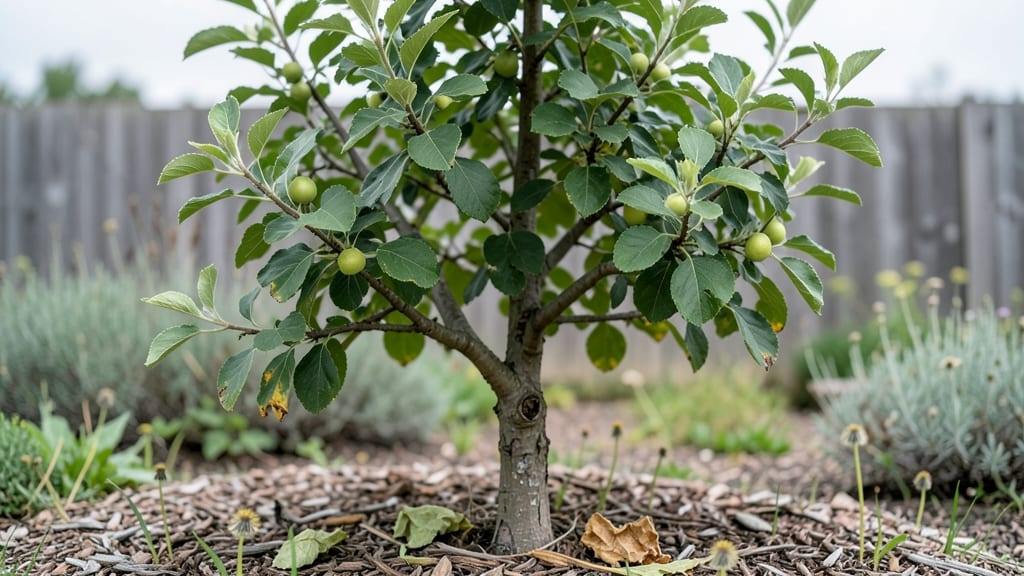
Summer pruning your crabapple tree isn't just about shaping branches—it’s about reviving next year’s frost-resistant blooms while keeping your tree healthy through the heat. 🌿 I’ve learned the hard way that skipping this step means fewer flowers, more pests, and weaker growth by fall.
The key is timing: prune after the spring flush but before the summer heat peaks, and focus on thinning crowded branches to improve air flow.
You’ll need basic tools—a sharp pair of pruners, gloves, and maybe some pruning paint for larger cuts. The goal is to remove dead, crossing, or inward-growing branches first, then thin out 20-30% of the canopy to let light and air circulate.
This isn’t about making your tree look perfect—it’s about setting it up for stronger blooms next spring and fewer pest problems now.
What you’ll end up with is a tree that looks fuller, produces more fruit, and handles summer stress like a champ. The blooms will return bigger and brighter, and you’ll spend less time battling pests or diseases.
Plus, your tree will thank you with vibrant fall color and a sturdy structure for years to come.
This works for any crabapple variety, whether you’re dealing with a young sapling or a mature tree in your yard. The principles stay the same—just adjust the scale. Let’s get those branches trimmed and your tree prepped for another stunning season.
📚 In This Guide
- What you need
- Instructions
- Tips and common mistakes
- Wrapping up and next steps
What you need
- ● Pruning shears: Bypass pruners (sharp, 6–8” blades) for small branches (1/4” thick). Pro tip: Clean blades with rubbing alcohol to prevent disease spread! 🧴
- ● Loppers: 1 pair (8–10” blades) for medium branches (1/2–1.5” thick). Look for ratcheting or bypass types.
- ● Pruning saw: 1 handheld saw (8–10” blade) for thick branches (1.5”+ thick). Bow saws work best for crabapple wood.
- ● Gloves: 1 pair of cut-resistant, gardening gloves (nitrile-coated for grip).
- ● Disinfectant: 70% isopropyl alcohol or 10% bleach solution (1 part bleach to 9 parts water) to sterilize tools.
- ○ Pruning sealant: Optional but helpful for wounds > 1/2” thick (e.g., Tree Seal or pruning wax).
- ● Ladder: Extendable or step ladder (if tree is > 6–8 feet tall). Safety first! 🚧
- ● Work gloves: Heavy-duty for hauling branches.
- ● Tagging twine & markers: For labeling branches to remove (if pruning in stages).
- ● Pest control: Neem oil or insecticidal soap (if treating summer pests like aphids).
- ● First-aid kit: Just in case—thorns are no joke! 🩹
- ● Weather check: Prune on a dry, overcast day (avoid midday heat).
- ● Safety gear: Long sleeves/pants and closed-toe shoes.
- ● Tree health: Wait until after flowering (late June–early July) to avoid sacrificing next year’s blooms.
- ● Cleanup: Remove all pruned branches and debris from the area to prevent disease.
Step-by-step guide for summer pruning of crabapple trees
Revive your tree's health and next year's blossoms with these precise summer cuts.
🌿 Step 1: Identify and Remove Dead or Diseased Branches
Start by scanning your crabapple tree for any branches showing signs of death or disease. Look for branches that are completely brown, brittle, or oozing sap—these are clear candidates for removal. Healthy branches will have green bark and respond slightly when you bend them (they should bend but not snap).
Grab your pruning shears and make a clean cut just outside the branch collar—the swollen area where the branch meets the trunk. Avoid leaving stubs, as they can trap moisture and invite rot. If a branch is thicker than 2 inches, use your pruning saw instead. Work systematically from the ground up, removing all obvious deadwood first.
✂️ Step 2: Thin Out Overcrowded Branches for Better Airflow
Next, focus on improving airflow through the canopy. Look for branches that cross each other or rub against one another—these create wounds that can attract pests and diseases. Remove one of the crossing branches, always cutting back to the branch collar. Aim to reduce crowding in the center of the tree by about 20-30% to let sunlight penetrate.
Pay special attention to branches growing inward. These often grow weakly and can block light from reaching the inner canopy. You'll know you're doing well when you can see light filtering through the branches on a sunny day. Remember, thinner branches are easier to remove now than larger ones later, so don't hesitate to make these cuts.
☀️ Step 3: Prune for Light Penetration and Flower Display
Crabapple trees bloom best when they receive plenty of sunlight. Look for branches that are shading too much of the canopy or blocking light from reaching the main trunk. These are good candidates for selective pruning. Start with the lower branches—remove any that are growing straight upward from the trunk, as they're competing with the main structure.
As you work, step back frequently to assess the tree's shape. You're aiming for an open, vase-like structure that allows sunlight to reach all parts of the canopy. This not only encourages better flowering but also reduces the risk of fungal diseases that thrive in shaded, damp conditions. Make your cuts just outside the branch collar, and avoid cutting more than 25% of the tree's foliage in one session.
💧 Step 4: Clean Up and Protect the Tree
After pruning, collect all the cuttings and dispose of them properly. If you notice any signs of disease on the branches, bag them and throw them away rather than composting. This prevents the spread of pathogens to other parts of your garden. Wipe down your pruning tools with rubbing alcohol to sterilize them before storing.
Give your tree a good drink of water after pruning to help it recover. Focus on deep watering rather than light sprinkles—this encourages the roots to grow deeper. Avoid fertilizing immediately after pruning, as the tree is already stressed from the cuts. Instead, wait until new growth appears before applying any nutrients. This step ensures your crabapple tree stays healthy and sets the stage for vibrant blooms next season.
Tips & tricks for perfect crabapple tree summer pruning
Between us, summer pruning can transform your crabapple tree from struggling to stunning—but only if you do it right. Here’s what I’ve learned after years of trial and error with these frost-hardy beauties.
The Branch Collar Rule: Never, ever cut flush with the trunk. That swollen area where the branch meets the trunk (the branch collar) is where healing cells form. Cutting just outside it—about 1/8 inch—gives your tree the best chance to seal the wound properly. I’ve seen too many pruning jobs go wrong because people left stubs or cut too close. That’s an open invitation for disease and rot.
Timing is Everything: Summer pruning should happen when the tree is actively growing but before new growth hardens off in late summer. Aim for late June through early July—this gives your crabapple time to heal before winter. If you wait too long, you risk encouraging late-season growth that won’t harden properly and could be damaged by frost. I learned this the hard way after pruning too late one autumn.
Thinning vs. Topping: Never top your crabapple tree—that’s when you cut off the top flat across the canopy. It looks harsh and encourages weak, water-sprout growth. Instead, focus on thinning: removing entire branches back to the trunk to open up the center. This creates that beautiful vase shape while maintaining structural integrity. Think of it like giving your tree a spa day—less is more.
Tool Maintenance Matters: Your pruning shears and saw are your most important tools, so keep them sharp. Dull blades crush branches instead of making clean cuts, which damages the tree’s tissue. After each use, wipe them down with rubbing alcohol (as mentioned in Step 4) and store them in a dry place. I’ve had shears rust in humid summers, and that’s a nightmare to clean up before the next pruning session.
Pro Tips for Crabapple Tree Summer
- Between us, summer pruning can transform your crabapple tree from struggling to stunning—but only if you do it right.
- The Branch Collar Rule: Never, ever cut flush with the trunk.
- Timing is Everything: Summer pruning should happen when the tree is actively growing but before new growth hardens off in late summer.
Frequently asked questions
Got questions about summer pruning your crabapple tree? You’re not alone!
Here are some of the most common inquiries—and expert answers—to help you keep your tree thriving year-round.
Why prune crabapple trees in summer instead of winter?
Summer pruning (June–July) is ideal for crabapple trees because it reduces stress from winter dieback and minimizes disease spread. Pruning in winter can expose fresh cuts to harsh frost, while summer pruning allows wounds to heal before cold snaps. Plus, you can see the tree’s structure better with full foliage!
When is the perfect time to prune my crabapple tree in summer?
Target late June to mid-July for the best results. This timing avoids heavy bloom periods (which can attract pests) and gives your tree time to recover before fall. Avoid pruning during extreme heatwaves—opt for cool, overcast days to reduce stress on the tree.
How much can I trim off without hurting my crabapple tree?
Remove no more than 25% of the tree’s canopy in a single summer session. Focus on:
- Dead, diseased, or crossing branches
- Suckers at the base
- Water sprouts (fast-growing vertical shoots)
Can I prune my crabapple tree in summer if it’s already blooming?
Yes, but minimize pruning during peak bloom (spring/early summer). If you must trim, prioritize:
- Removing spent flowers to redirect energy to fruit/foliage
- Avoiding heavy cuts that could reduce next year’s blossoms
How do I prevent disease after summer pruning?
Disease risk spikes when cuts are left open. Always:
- Use sterilized pruners (rubbing alcohol or bleach wipe)
- Seal cuts larger than ½-inch with pruning sealant (optional but helpful)
- Avoid pruning during wet weather
What if my crabapple tree isn’t blooming after pruning?
Bloom reduction can happen if you pruned too late (after August) or removed too many flowering branches. Try:
- Fertilizing with low-nitrogen, high-phosphorus fertilizer in early spring
- Ensuring the tree gets 6+ hours of sunlight daily
- Checking for pests (aphids, scale) or nutrient deficiencies (yellow leaves = iron/manganese issue)
Wrapping up and next steps
Your crabapple tree’s summer glow is just a few sharp snips away!
By mastering frost-resistant pruning techniques, you’ve unlocked the secret to vibrant blooms and a healthier tree—without sacrificing its hardy nature. 🌿✨ Whether you’re trimming for shape, disease prevention, or future fruit, every cut is an investment in next year’s showstopping blossoms.
Now’s the perfect time to celebrate your green thumb—and why not plan your fall maintenance? Mark your calendar for late autumn to remove any lingering deadwood or pests, setting your tree up for a stunning spring comeback. Happy pruning!