
Pruning
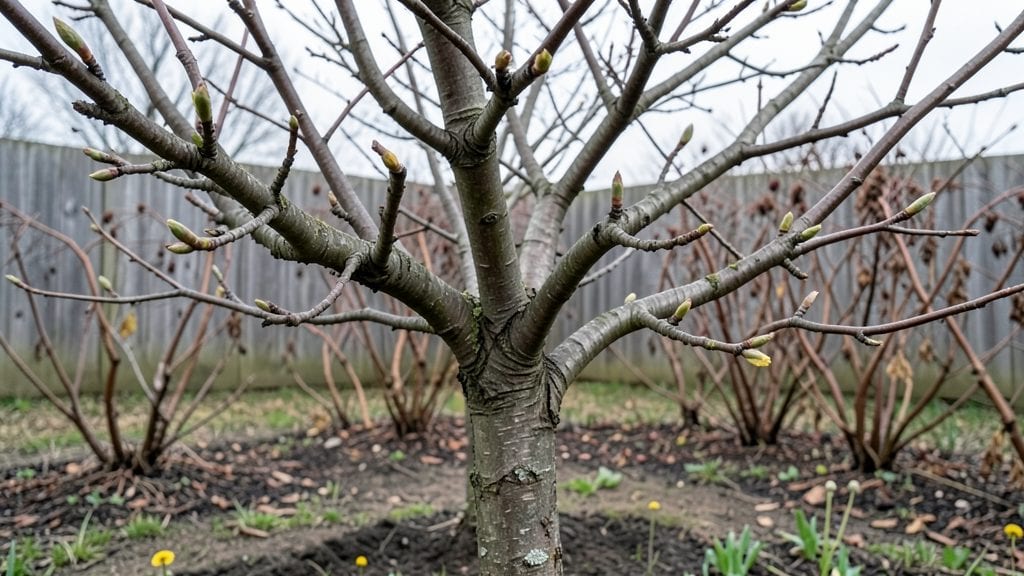
Winter pruning peach trees isn’t just about shaping branches—it’s about setting the stage for next summer’s sweetest fruit. 🌱 I’ve watched my own peach tree go from a tangled mess in January to a productive powerhouse by June, and the secret lies in timing, technique, and a little winter prep work.
The key is working while the tree’s dormant but before late winter’s harshest cold. You’ll need sharp pruners, a ladder, and a clear day—no frost, no wind. Focus on removing dead wood first, then thin out crowded branches to let sunlight hit the center.
This isn’t just about looks; it’s about airflow and fruit quality.
By spring, you’ll see new growth where you pruned, with stronger branches ready to bear fruit. The tree recovers faster, resists disease better, and produces sweeter peaches because it’s not fighting for sunlight. Plus, you’ll avoid the heartbreak of broken limbs when spring storms hit.
Works for backyard trees in zones 5-9, whether you’re a first-timer or a seasoned pruner. The goal is a tree that survives winter and thrives when the weather warms—here’s exactly how to make that happen.
📚 In This Guide
- What you need
- Instructions
- Tips and common mistakes
- Wrapping up and next steps
What you need
- ● Pruning shears: Sharp, bypass shears (for cuts up to ½-inch thick). Quantity: 1 pair.
- ● Loppers: Heavy-duty, bypass loppers (for cuts up to 2 inches thick). Quantity: 1 pair.
- ● Pruning saw: Curved-tooth saw (for larger branches). Quantity: 1.
- ● Gloves: Heavy-duty, cut-resistant gloves (for protection). Quantity: 1 pair.
- ● Disinfectant: 70% isopropyl alcohol or rubbing alcohol (to sterilize tools between cuts). Quantity: Small bottle.
- ○ Pruning sealant: Optional but recommended for sealing large cuts (e.g., Tanglefoot Tree Wound Pruning Seal). Quantity: Small tube.
- ● Ladder: Sturdy, extension ladder (if tree is taller than 6 feet). Quantity: 1.
- ● Safety gear: Safety glasses and long sleeves/pants (to protect from debris).
- ● Weather: Choose a dry, calm day (avoid pruning if frost or rain is forecasted).
- ● Tree health check: Inspect the tree for diseased or dead branches before starting.
- ● Cleanup supplies: Garden bags or bucket for collecting pruned branches. Quantity: 1-2.
- ● Sharpener: File or sharpening stone (to maintain tool sharpness). Quantity: 1.
- ○ Notebook & pen: Optional for sketching pruning plans or noting branch removals.
How to prune a peach tree in winter for stronger spring growth
Winter’s the perfect time to refresh your peach tree—thinner branches mean bigger fruit next year.
✂️ Step 1: Time Your Pruning for Best Results
Prune after the tree’s dormant period but before buds swell—typically late winter when temperatures stay above 20°F. This timing prevents frost damage to fresh cuts and lets the tree heal before spring growth. If you’re in a mild climate, aim for February; colder zones may wait until March.
Check the weather forecast first. Avoid pruning during a warm spell followed by a freeze—this can shock the tree. A light dusting of snow on the ground is a good sign the tree’s safely dormant and ready. I always prune on a dry day, as wet branches are harder to handle and cuts heal slower.
✂️ Step 2: Remove Dead, Diseased, or Weak Branches First
Start by scanning the tree for dead wood (branches that snap when bent or have no bark) and diseased limbs (blackened, oozing, or fungal spots). Cut these out completely—don’t leave stubs. Use clean, sharp pruning shears to make 45-degree cuts just outside the branch collar (the swollen area where the branch meets the trunk).
Next, look for weak or crossing branches—these rub together and create wounds where pests or disease can enter. Remove the smaller of the two if they intersect. I always step back every few cuts to visualize the tree’s shape. The goal is an open center that lets sunlight and air circulate freely. Skip this step, and you’ll end up with a dense canopy that struggles to bear fruit.
✂️ Step 3: Thin Out Overcrowded Branches for Airflow
Peach trees need good airflow to prevent fungal diseases like brown rot. Focus on branches growing inward or upward—these block light and trap moisture. Cut back to the outermost bud on the branch you’re removing. This encourages outward growth, which is stronger and more productive.
Leave 3-5 main scaffold branches (the largest, sturdy limbs) spaced evenly around the trunk. These will form the tree’s framework. If a branch is growing straight up, prune it back to a side bud to redirect its energy into horizontal growth. You’ll know you’ve done enough when sunlight reaches the center of the tree—no more shadowy spots.
✂️ Step 4: Shape the Tree for Fruit Production
Peach trees fruit best on last year’s wood, so avoid heavy pruning that removes too many older branches. Instead, focus on lightening the load—remove no more than 25% of the tree’s foliage in one season. For young trees, prune to encourage a strong structure; for mature trees, prune to open the canopy and improve fruit access.
Look for suckers (shoots growing from the base or roots) and remove them entirely—they drain energy from the main tree. If a branch is too long, shorten it to a bud facing outward. After pruning, wipe your shears with rubbing alcohol to sterilize them for the next cut. A clean tool prevents spreading disease between branches.
💧 Step 5: Clean Up and Protect for Spring
Rake up and dispose of all pruned branches (don’t compost them—they can harbor disease). Next, apply a 2-3 inch layer of mulch around the base (but keep it 6 inches away from the trunk) to protect roots from temperature swings. A mix of wood chips and straw works well—it retains moisture while allowing airflow.
Finally, give the tree a deep watering to encourage root growth before spring. Avoid fertilizing right after pruning—wait until early spring when new growth appears. This timing lets the tree focus on healing cuts before putting energy into leaves and fruit. Mark your calendar now so you don’t forget!
Tips & tricks for perfect winter peach tree pruning
Winter pruning transforms your peach tree into a productive powerhouse—here's how to avoid common pitfalls and maximize results.
Timing is Everything: The 20°F minimum temperature rule is non-negotiable—colder cuts heal poorly and can invite disease. I've seen trees pruned too early develop frost damage on fresh cuts. Wait until you see those first buds starting to swell, but don't delay past early spring. A good test: gently scratch the bark—if it's green underneath, wait a few more days.
Tool Preparation Pays Off: Your pruning shears should be sharper than your focus on getting the perfect cut. Dull blades crush wood instead of cleanly severing it, which creates larger wounds that heal slower. I keep a small file in my tool bag to sharpen shears between cuts. Also, sterilize your tools with rubbing alcohol between each major cut—this prevents spreading fungal spores from diseased branches to healthy ones.
Visualize the Final Shape: Before making any cuts, step back and imagine your tree's ideal shape—open center with sunlight reaching all branches. I find it helpful to sketch a rough outline on paper first. This prevents over-pruning and ensures you're not just removing branches randomly. Focus on creating a natural vase shape with the main scaffold branches spreading outward like spokes on a wheel.
Mulch Like a Pro: That 2-3 inch layer of mulch isn't just decoration—it's winter protection. Use wood chips mixed with straw for the best results. The straw adds air pockets to prevent rot while the wood chips insulate roots. Just remember to keep it 6 inches away from the trunk to prevent moisture buildup that can cause rot. I always add mulch after pruning to give the tree maximum protection during its healing period.
Pro Tips for Peach Tree In Winter
- Winter pruning transforms your peach tree into a productive powerhouse—here's how to avoid common pitfalls and maximize results.
- Timing is Everything: The 20°F minimum temperature rule is non-negotiable—colder cuts heal poorly and can invite disease.
- Tool Preparation Pays Off: Your pruning shears should be sharper than your focus on getting the perfect cut.
Frequently asked questions
Got questions about keeping your peach tree thriving through winter? Here’s what you need to know to prune like a pro and set your tree up for a bountiful spring harvest.
Why is winter the best time to prune a peach tree?
Winter pruning (dormant season) is ideal because the tree isn’t actively growing, so it recovers faster. It also lets you see the tree’s structure clearly and removes damaged or diseased branches before spring. Plus, you avoid stressing the tree during its busy fruit-producing months! Pro tip: Aim for late winter, just before buds swell but before new growth starts.
Can I prune a peach tree in freezing temperatures?
Prune when temps are above freezing (ideally 40–60°F) to avoid shocking the tree. Cold weather can stress fresh cuts, making them more vulnerable to disease or pests. If your area has harsh winters, prune on a mild day or use a tarp to cover cuts temporarily until the next warm spell.
How much should I cut back a young vs. mature peach tree?
| Tree Age | Pruning Goal | Approx. Cutback |
|---|---|---|
| Young (1–3 years) | Shape structure, open center | Remove 20–30% of branches |
| Mature (4+ years) | Thin out, remove deadwood | Limit to 10–20% of branches |
Pro tip: Never remove more than 25% of the canopy in one season—it can stress the tree.
What if my peach tree’s branches are already dead or diseased?
Remove dead/diseased branches immediately—even in winter—to prevent pests or fungal spread. Sterilize your pruners with rubbing alcohol between cuts, and dispose of infected branches far from the tree. If you’re unsure, check for hollow centers or oozing sap; those are red flags for disease.
Are there alternatives if I can’t prune in winter?
If winter pruning isn’t possible, do a light pruning in early spring (just before buds break) to remove only dead or crossing branches. Avoid heavy pruning then—it can delay fruit production. For severe neglect, split pruning over two seasons (winter + spring) to minimize stress.
Wrapping up and next steps
Winter pruning might seem like a chilly task, but it’s the secret weapon for a peach tree’s comeback—think of it as giving your tree a fresh start before spring’s big show! 🌱 By clearing out dead wood, shaping growth, and boosting airflow, you’re setting the stage for juicier fruit and healthier branches next season.
Plus, the satisfaction of watching your tree thrive? Priceless.
Ready to roll up your sleeves? Start small—even a single branch trimmed now makes a difference! Grab your tools, bundle up, and give your peach tree the winter care it deserves. Spring’s sweet rewards are just a few snips away! 🍑✨