
Pruning
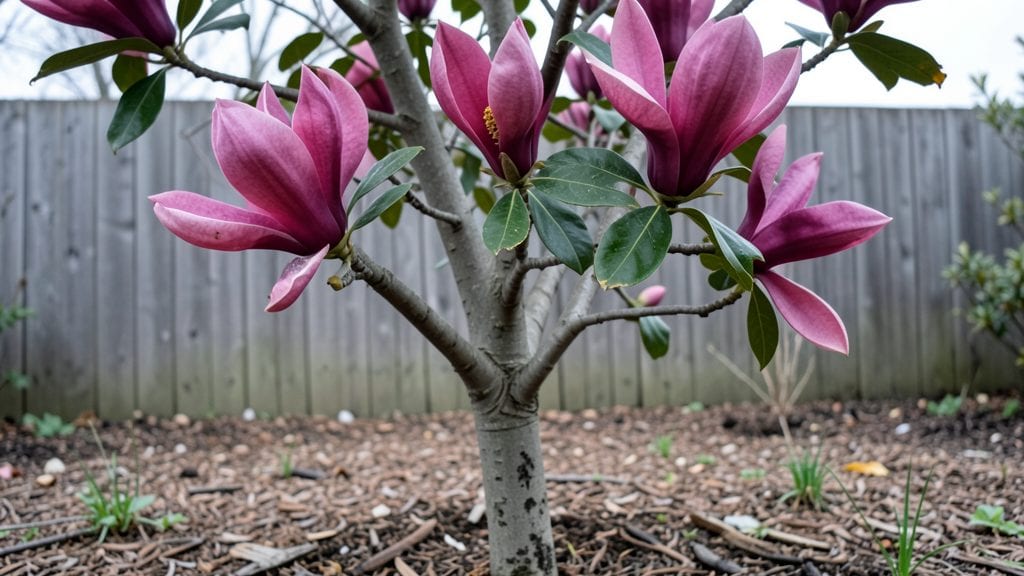
A dark pink magnolia tree turns your Pacific Northwest garden into a dreamy springtime masterpiece—its velvety blooms stand out against rain-soaked greenery like a painter’s perfect stroke. 🌸 Unlike finicky varieties, these cold-hardy beauties thrive through frost, rewarding you with weeks of show-stopping color when others fade.
The secret isn’t just their resilience, but how they transform a space: whether as a dramatic focal point or a soft border that frames your patio.
Here’s the thing—these magnolias don’t just bloom; they command attention. Pair them with dwarf conifers for structure, bleeding hearts for delicate contrast, or azaleas to extend the seasonal color show. Their glossy leaves add year-round interest, while their fragrant blooms draw hummingbirds and bees.
The key? Prune after flowering to shape without sacrificing next year’s blossoms—a simple trick that keeps them looking effortlessly elegant.
Imagine your garden in late May: the magnolia’s rosy-pink canopies spilling over a stone path, their scent mingling with the damp earth. They’re the star of shade gardens, mixed borders, or even container plantings on large patios.
With the right companions, you’ll create a layered, ever-changing display that feels like a living painting. Let’s make your outdoor space unforgettable.
Works in zones 5-8, whether you’re designing a cottage-style retreat or a modern minimalist yard. The magic is in the details—placement, pruning timing, and plant pairings—that turn a good garden into a breathtaking one. Ready to elevate your landscape?
📚 In This Guide
- What you need
- Instructions
- Tips and common mistakes
- Wrapping up and next steps
What you need
- ● Pruning shears: Sharp, bypass-style shears (for clean cuts on small branches). Pro tip: 💡 Disinfect blades with rubbing alcohol before and after use to prevent disease.
- ● Loppers: For thicker branches (1–2 inches in diameter). Look for ratchet-style loppers for extra leverage.
- ● Hand pruners (felco or similar): For precision cuts on tiny twigs (if your tree has delicate growth).
- ● Pruning saw: Curved-tooth saw for branches over 2 inches thick (magnolias can get hefty!).
- ● Ladder or step stool: Sturdy and tall enough to reach the highest branches safely. Safety first!
- ● Gloves: Heavy-duty gardening gloves (magnolia branches have thorns—trust us, you’ll thank us later!).
- ○ Disposable pruning bags or bucket: To collect debris (optional but highly recommended for cleanup!).
- ● Rubbing alcohol (70% or higher): For sterilizing tools between cuts.
- ● Marking twine or paint: To tag branches for removal (helpful for planning!).
- ● Timing: Prune immediately after flowering (late spring/early summer) to avoid cutting off next year’s blooms. Never prune in fall or winter—magnolias hate cold stress!
- ● Weather: Choose a dry, overcast day to prevent sap bleeding and fungal risks.
- ● Tree health check: Inspect for diseased or dead branches (they’ll be brittle and dark). Remove these first.
- ● PNW-specific prep: If your tree is new to your yard, acclimate it to local conditions for at least 1–2 years before heavy pruning.
- ● Pruning sealant: For large cuts (½ inch or wider) to prevent sap loss (though magnolias usually heal well without it).
- ● Tree wound dressing: Avoid unless dealing with major damage—modern research suggests less is more!
- ● Camera or phone: Snap before/after photos to track progress over the years.
- ● Local extension service contact: PNW-specific advice? Reach out to your county’s agricultural extension office for tailored tips.
Step-by-Step guide to pruning dark pink magnolias for Pacific Northwest resilience
Pruning magnolias right can mean the difference between winter survival and lost blooms.
✂️ Step 1: Time Your Pruning for Optimal Healing
Late winter or early spring—just as buds begin to swell but before new growth starts—is your best window. In the Pacific Northwest, aim for mid-February to early March when frost risk has passed but before the tree breaks dormancy. Pruning too early leaves cuts vulnerable to freeze damage, while waiting too long stresses the tree before bloom season.
Look for bud swell as your cue. The buds will appear slightly plump along the branches, signaling the tree is preparing to grow. This timing ensures you’re not removing next year’s flower buds, which form on old wood. I always make a note of last year’s bloom cycle—if your tree bloomed heavily in May, prune in late February.
🌿 Step 2: Remove Dead or Damaged Wood First
Start by scanning the tree for dead, diseased, or crossing branches. Dead wood is easy to spot—it’s brittle, often darker, and won’t bend when you test it. Diseased branches may have discolored bark or oozing sap. Use sharp, clean pruning shears to make 45-degree cuts just outside the branch collar (the swollen area where the branch meets the trunk).
Crossing branches—where two limbs grow toward each other—create weak points and invite disease. Remove the smaller of the two branches at its point of origin. Never leave stubs; clean cuts heal faster. If you’re unsure which branch to remove, think about the tree’s natural shape—you’re sculpting, not hacking.
☀️ Step 3: Thin the Canopy for Airflow and Light
Magnolias thrive when their centers receive filtered light and airflow. Focus on thinning the canopy by removing up to 25% of the smallest branches from the interior. These branches are often crowded, leading to weak growth and fewer blooms. Target branches that are thinner than a pencil—they’re less structurally important and easier to remove without harming the tree.
Step back frequently to visualize the tree’s shape. You’re aiming for an open, vase-like form that allows sunlight to penetrate to the lower branches. Avoid "lion’s tailing"—cutting back all branches to the same length—which creates a dense, bushy top. Instead, remove entire branches back to their origin if they’re blocking light from reaching the center.
⏰ Step 4: Shape for Balance and Frost Resistance
Dark pink magnolias in the Pacific Northwest face heavy winter rains and occasional frost, so structural integrity matters. Prune to create a balanced, slightly tapered silhouette—wider at the base, narrower at the top. This shape helps snow and ice slide off more easily and reduces wind damage. Remove any branches growing inward or downward; these are prone to breaking under snow load.
Pay special attention to the tree’s scaffold branches (the main structural limbs). These should be spaced 6-12 inches apart and angled outward at 45-60 degrees. If a scaffold branch is too upright, it’s more likely to split under storm conditions. You can gently bend young branches to encourage better angles, but never force them—this can cause internal damage.
💧 Step 5: Clean Up and Protect the Tree
After pruning, sterilize your tools with rubbing alcohol to prevent spreading disease. Rake up and dispose of all clippings—never leave them beneath the tree, as they can harbor pests and fungi. For large branches (over 1 inch in diameter), seal the cuts with pruning paint to reduce moisture loss and infection risk, especially in the damp Pacific Northwest climate.
Water the tree deeply right after pruning to help it recover. Magnolias have deep roots, so aim for 1-2 inches of water per week, either from rainfall or irrigation. Mulch the base with 2-3 inches of organic mulch (like wood chips) to retain moisture and protect roots from temperature fluctuations. Avoid piling mulch against the trunk—keep it 2-3 inches away to prevent rot.
Tips & tricks for pruning dark pink magnolias
These precise techniques will help you prune with confidence—especially in the Pacific Northwest's challenging climate.
Timing Precision: The mid-February to early March window is non-negotiable for Pacific Northwest magnolias. If you miss it, you risk either exposing tender cuts to late frosts or removing next year's flower buds. I've seen trees lose entire bloom seasons because of poor timing—don't let that be you. Mark your calendar based on last year's bloom date: if your magnolia bloomed heavily in May, schedule your pruning for late February. This ensures you're cutting only last year's wood while preserving next season's potential.
Cutting Technique: That 45-degree angle isn't just aesthetic—it's crucial for proper healing. When making cuts in Step 2, position your pruners so the cut follows the branch's natural angle just outside the branch collar. This creates a smooth surface that heals more quickly and reduces the risk of water pooling, which can lead to rot. For branches thicker than your thumb, use a three-cut method: first undercut, then top cut, and finally clean up. This prevents tearing the bark.
Canopy Visualization: Step back and squint—this simple trick reveals the true shape of your magnolia's canopy. You're aiming for that open, vase-like form where sunlight can reach all the way to the lower branches. When thinning in Step 3, remove branches that are thinner than a pencil first—they're less structurally important and easier to sacrifice for better light penetration. Remember the 25% rule: never remove more than a quarter of the canopy in one season, or you'll shock the tree.
Frost Resistance Strategy: The tapered silhouette described in Step 4 isn't just about looks—it's about survival. In heavy snow years (which we get in the PNW), upright branches collect more snow and are more likely to break. When shaping scaffold branches, aim for that 45-60 degree angle from the trunk. You can gently bend young branches to encourage better angles, but only when they're still pliable—never force them, as this can cause internal damage that weakens the branch over time.
Pro Tips for Dark Pink Magnolia Tree
- These precise techniques will help you prune with confidence—especially in the Pacific Northwest's challenging climate.
- Timing Precision: The mid-February to early March window is non-negotiable for Pacific Northwest magnolias.
- Cutting Technique: That 45-degree angle isn't just aesthetic—it's crucial for proper healing.
Frequently asked questions
Got questions about nurturing your dark pink magnolia tree in the Pacific Northwest? You’re not alone! Here are some of the most common concerns—plus expert answers to keep your tree thriving year-round.
When is the best time to prune a dark pink magnolia in the PNW?
The ideal window is late winter to early spring (February–March), after the worst frost has passed but before new buds swell. Avoid pruning in fall—it can stimulate tender growth that won’t survive winter. For frost-prone areas, wait until temperatures consistently stay above 20°F (-6°C) to prevent shock.
How cold can a dark pink magnolia handle?
Most dark pink magnolias (like Magnolia × soulangeana) are hardy to USDA Zones 4–9, but young trees or newly planted specimens may need winter protection in Zone 4. Once established, they tolerate brief dips to -20°F (-29°C). Pro tip: Mulch heavily around the base and water deeply before the first freeze to boost resilience!
Can I prune my magnolia tree in summer?
Summer pruning is not recommended—it stresses the tree and can reduce next year’s blooms. If you must remove dead or diseased branches, do so early morning to minimize stress. For shaping, stick to the late-winter rule and avoid heavy cuts. Exception: Lightly trim water sprouts or suckers anytime they appear.
What if my dark pink magnolia isn’t blooming?
Lack of flowers often stems from over-pruning, poor sunlight, or young age (magnolias can take 3–5 years to bloom). Ensure it gets at least 6 hours of sun daily and avoid cutting back more than 25% of the canopy at once. If the tree is established but still bare, check for nutrient deficiencies—apply a balanced fertilizer in early spring.
Are there frost-resistant alternatives to dark pink magnolia?
Yes! If you love magnolias but want extra cold hardiness, consider:
- ‘Black Tulip’ magnolia (Zone 4, deep purple blooms)
- ‘Jane’ magnolia (Zone 5, pink with yellow centers)
- ‘Stellar Pink’ star magnolia (Zone 4, early spring blooms)
Wrapping up and next steps
Your dark pink magnolia tree is a stunning addition to the Pacific Northwest’s landscape—one that thrives with the right care! By mastering frost-resistant pruning techniques, you’ll ensure year-round blooms and a healthier, more vibrant tree. 🌸
Now that you’re equipped with the knowledge, take action! Grab your tools, mark your calendar for the best pruning times, and give your magnolia the love it deserves. Before you know it, you’ll be rewarded with gorgeous pink blossoms that stand out in every season.