
Pruning
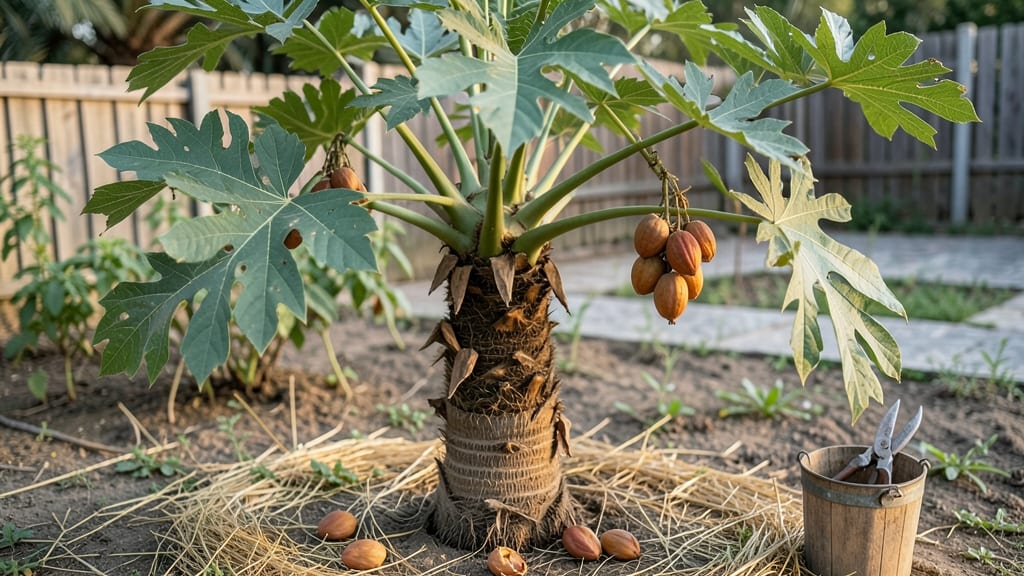
Growing a dates fruit tree in the Pacific Northwest isn’t just possible—it’s a rewarding challenge that pays off with sweet, sun-ripened rewards. 🌱 I’ve watched my own tree survive winters that would freeze most tropical plants, and with the right pruning schedule, it produces clusters of dates that taste like a taste of the desert.
The key isn’t just timing; it’s understanding how cold-hardy varieties like ‘Medjool’ or ‘Deglet Noor’ adapt to our shorter summers and cooler nights.
This isn’t your typical pruning guide—it’s a season-by-season roadmap tailored to our climate. You’ll learn when to cut back for winter dormancy (hint: it’s not the same as Mediterranean pruning), how to shape the tree for maximum sunlight exposure, and which tools actually work in our damp winters.
Most gardeners skip the late-winter pruning step, which is where the magic happens for fruit set. I’ll show you how to do it without sacrificing next year’s growth.
By summer’s end, you’ll have a tree that’s not just surviving but thriving, with branches heavy enough to bend under the weight of dates. The first harvest might be small, but each year you’ll see more clusters, sweeter fruit, and a tree that becomes the centerpiece of your yard.
The real payoff? Knowing you grew something most people think is impossible in our climate—and that it tastes even better because of it.
Whether you’re starting with a bare-root sapling or pruning an established tree, this calendar works for both indoor pots (with winter protection) and outdoor plantings. The same principles apply, just with adjustments for container size and microclimates.
Let’s get those shears sharp and those branches shaped—your first harvest is closer than you think.
📚 In This Guide
- What you need
- Instructions
- Tips and common mistakes
- Wrapping up and next steps
What you need
- ● Pruning shears: Bypass pruners (sharp, clean, and sterilized with rubbing alcohol) for small branches (✔️ Required).
- ● Loppers: Heavy-duty, 18–24" loppers for thicker branches (up to 2" diameter) (✔️ Required).
- ● Pruning saw: Curved-tooth handsaw for branches over 2" in diameter (✔️ Required).
- ● Gloves: Heavy-duty, cut-resistant gloves (✔️ Required—dates trees have thorns!).
- ● Disinfectant: 70% isopropyl alcohol or bleach solution (1 part bleach to 9 parts water) (✔️ Required for sterilization between cuts).
- ○ Pruning sealant: Optional but helpful for sealing large cuts (>1" diameter) to prevent disease.
- ● Ladder or step stool: Sturdy, tall enough to reach the tree’s canopy safely (✔️ Required for mature trees).
- ● Trash bags or bucket: For collecting pruned branches and debris (✔️ Required).
- ● Weather check: Prune on a dry, overcast day (avoid rain or high humidity to reduce disease risk).
- ● Safety gear: Long sleeves/pants and closed-toe shoes to protect from thorns and debris.
- ● Tree health assessment: Inspect the tree for signs of disease (e.g., oozing sap, dead branches) before pruning.
- ● Local regulations: Check if your area requires permits for large-scale pruning (especially in urban zones).
- ○ Optional: Marking paint or tape to outline cuts for precision (helpful for beginners!).
Step-by-step instructions for pruning cold-hardy date palms
Here's how to maintain your resilient date palm in the Pacific Northwest's chilly climate.
✂️ Step 1: Identify and Remove Dead Fronds
Start by examining the palm for any brown, dry fronds that hang limply. These are dead and should be removed immediately—they drain energy from the tree and attract pests. I like to work on dry days when the fronds are brittle and easier to handle.
Use sharp pruning shears to cut each dead frond at its base, making clean cuts about 6 inches down from the trunk. Never leave stubs—this prevents rot and keeps the trunk looking tidy. If a frond is partially dead, wait until it's completely brown before removing it.
Real talk: Some gardeners worry about over-pruning, but date palms are surprisingly forgiving. You can't remove too many dead fronds—just avoid cutting into healthy green tissue. The goal is to expose the trunk while keeping the crown full and lush.
✂️ Step 2: Thin Out Excessive Fronds for Airflow
After removing all dead material, focus on the living fronds. Date palms in the Pacific Northwest often grow too many fronds due to mild winters, which can lead to crowded growth and poor air circulation. You'll want to thin out about 20-30% of the oldest, largest fronds that aren't producing fruit.
Look for fronds that are yellowing at the base or showing signs of stress. These are prime candidates for removal. Cut them at the base using your pruning shears, making sure to angle the cut slightly downward to prevent water from pooling on the trunk.
Here's the thing—thinning isn't about quantity but quality. A well-thinned palm has 6-8 healthy, evenly spaced fronds that allow sunlight to reach the center. This prevents fungal diseases that thrive in dark, damp conditions.
☀️ Step 3: Prune for Sunlight Exposure and Fruit Production
Next, focus on the palm's crown. In the Pacific Northwest, where sunlight is limited during winter, you'll want to ensure the center of the palm receives adequate light. Remove any fronds that are shading the interior too heavily, particularly those growing inward toward the trunk.
Pay special attention to fronds that are producing fruit. If a fruit-laden frond is blocking light from reaching the center, consider leaving it until after harvest. However, if it's clearly stunting growth, you may need to make a difficult call and remove it—sacrificing some fruit for long-term tree health.
I always prune in stages if the palm is heavily fruiting. Start with the outer fronds first, then reassess after a few weeks. You'll notice new growth emerging from the center within 4-6 weeks—that's your signal everything is working.
⏰ Step 4: Time Your Pruning for Optimal Healing
The best time to prune your cold-hardy date palm is in late winter or early spring, just as new growth begins but before the buds swell. In the Pacific Northwest, this typically falls between February and March, when temperatures are consistently above 40°F but haven't yet reached 60°F.
Avoid pruning during hot, dry periods or after heavy rains. Pruning in summer can stress the palm, while pruning after rain can lead to fungal infections. If you must prune outside the ideal window, do so on a cool, overcast day to minimize stress.
After pruning, keep an eye on the palm for the first 2-3 weeks. You might see some sap oozing from the cuts—this is normal. If you notice any blackened edges or foul-smelling sap, apply a thin layer of pruning sealant to prevent infection.
🌿 Step 5: Post-Pruning Care for Strong Regrowth
Once you've finished pruning, give your palm a deep watering to help it recover. Focus on the root zone, applying 1-2 gallons of water slowly to encourage deep root growth. Avoid wetting the trunk directly, as this can promote rot.
In the weeks following pruning, monitor the palm for new growth. You should see fresh fronds emerging from the center within 4-6 weeks. If growth is slow, consider applying a balanced fertilizer with equal parts nitrogen, phosphorus, and potassium to support recovery.
Don't skip this step—I learned the hard way that skipping post-pruning care can leave the palm vulnerable to pests and diseases. A little extra attention now ensures your date palm stays healthy and productive for years to come.
Tips & tricks for pruning cold-hardy date palms
Here's what nobody tells you about keeping your Pacific Northwest date palm thriving through the seasons.
Timing Secret: The February-March window isn't just about avoiding frost—it's about catching the tree when it's naturally preparing to grow. Look for new buds forming at the base of the trunk; these are your signal to prune. If you're unsure, check the weather forecast for a stretch of days above 40°F with no rain in sight. This gives your palm time to heal before potential spring showers.
Tool Technique: Never use dull shears on palm fronds—they tear fibers instead of making clean cuts. Invest in a pair of sharp, bypass pruners designed for thick foliage. For larger fronds, I've found that a small handsaw with a fine-tooth blade works wonders, especially when paired with a sturdy ladder. Always make cuts at a 45-degree angle to prevent water from pooling on the trunk.
Visual Cues for Healthy Growth: When thinning fronds in Step 2, focus on those with yellowing bases—this indicates the palm is redirecting nutrients. Healthy fronds should have vibrant green centers with minimal brown edges. After pruning, you'll notice new growth emerging from the center within 4-6 weeks, but only if you've maintained that 6-8 frond balance for proper sunlight exposure.
Post-Pruning Inspection: That 2-3 week monitoring period is crucial—don't skip it! Look for fresh green tissue at the cut edges, which indicates proper healing. If you see blackened edges or foul-smelling sap, act immediately by applying pruning sealant. For extra protection, I've started using a copper-based fungicide on the cuts, especially in our damp Pacific Northwest climate where fungal spores thrive.
Pro Tips for Dates Fruit Tree
- Here's what nobody tells you about keeping your Pacific Northwest date palm thriving through the seasons.
- Timing Secret: The February-March window isn't just about avoiding frost—it's about catching the tree when it's naturally preparing to grow.
- Tool Technique: Never use dull shears on palm fronds—they tear fibers instead of making clean cuts.
Frequently asked questions
Got questions about growing and pruning date fruit trees in the Pacific Northwest? You’re not alone!
Here are answers to some of the most common concerns—from timing to troubleshooting—so you can keep your tree thriving even in cooler climates.
Can date trees survive winter in the Pacific Northwest?
Most commercial date varieties (like Medjool or Deglet Noor) need frost-free zones (9-11) and struggle with PNW winters. However, cold-hardy varieties like ‘Barhi’ or ‘Khadrawy’ (with some protection) can survive temps down to 15–20°F if planted in microclimates (south-facing slopes, near buildings, or in containers moved indoors).
Pro tip:
Wrap the trunk with burlap or tree wrap and mulch heavily in late fall. Dwarf varieties in pots offer the most flexibility!
When’s the best time to prune date trees in the PNW?
Prune late winter to early spring (February–March) when the tree is dormant but before new growth starts. Avoid pruning in fall—it can stimulate tender growth that won’t survive frost. Light pruning (removing dead/diseased branches) can also happen in summer after harvest, but keep it minimal to avoid stress.
Key rule:
Never prune when temps are below freezing or during active growth (spring/summer).
How do I encourage fruit production in a young date tree?
Date trees are slow to bear fruit (3–5 years for dwarfs, 5–10 for standard trees). To boost production:
- Prune aggressively in early years to shape the tree and redirect energy to fruit.
- Water deeply (1–2 inches/week) during dry spells—dates need consistent moisture but hate soggy roots.
- Maximize sunlight—PNW’s short days can limit fruit set. Use a greenhouse or row cover in early spring to extend the growing season.
- Hand-pollinate (if growing from seed or non-pollinating varieties) with a small brush to transfer pollen between male and female flowers.
Why aren’t my date tree’s fruits ripening in the PNW?
Dates need hot, dry conditions to ripen—PNW’s cool, humid summers often leave them stuck in the “Kimri” (unripe) stage. Solutions:
- Harvest early (when still green) and ripen indoors with ethylene gas (hang bananas near them in a paper bag for 2–4 weeks).
- Choose early-maturing varieties like ‘Aman’ or ‘Sukkari’, which ripen faster.
- Grow in containers and move them to a sunroom or greenhouse in late summer for extra warmth.
Can I grow date trees from seed, or should I buy a grafted tree?
Seeds
grow into trees, but they’ll take 10+ years to fruit (if ever) and won’t match the parent’s quality. Grafted trees (from nurseries) are your best bet—they:
- Fruit faster (3–5 years).
- Resist disease better.
- Produce consistent, high-quality dates.
Budget tip:
Start with a dwarf grafted tree (like ‘Halawy’) for containers or small spaces!
Wrapping up and next steps
Growing a dates fruit tree in the Pacific Northwest is totally doable—even with cooler climates! With the right pruning techniques and timing, you’ll encourage healthier growth, better yields, and a tree that thrives year-round. 🌱✨
Now that you’re armed with the cold-hardy pruning calendar, grab your tools and get ready to nurture your tree. Start small, stay consistent, and watch your date palm flourish—one careful cut at a time!
🚀 Your Next Step:
- Mark your calendar for the next pruning window (likely late winter or early spring).
- Monitor your tree’s growth and adjust as needed—pruning is an ongoing love language for your dates!
- Share your progress with fellow gardeners (or tag us @[YourHandle]) for extra motivation!