Planting
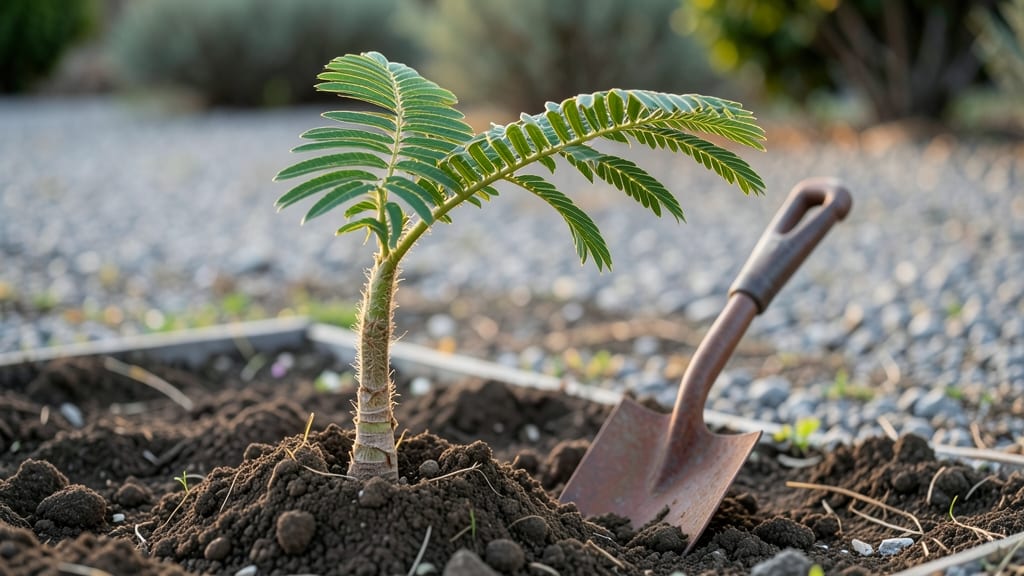
Planting a date palm tree means bringing a slice of desert luxury to your landscape—if you live in the right climate. 🌵 I’ve planted three in my Southern California yard, and the key to their survival starts with matching the palm’s tropical roots to your soil and sun exposure.
The first mistake most people make? Ignoring drainage—date palms hate soggy feet.
You’ll need a hole twice as wide as the root ball, well-draining soil (mix in sand if your native dirt is heavy), and a sunny spot with at least 6 hours of direct light daily.
Nursery-grown saplings take root faster than seeds, but if you’re starting from seed, expect 3-5 years before you see any fruit. The payoff? A towering, drought-resistant focal point that thrives with minimal fuss.
After planting, water deeply once a week for the first month—just enough to moisten the soil 12 inches down. Once established, these palms drink deeply but infrequently, making them perfect for water-wise gardens.
The first few years are critical: protect young trees from frost (they’ll die if temps drop below 28°F) and watch for yellowing fronds, which signal overwatering.
With the right site and care, your date palm will grow 3-5 feet per year, eventually reaching 50-100 feet tall. The real magic happens in late summer when new fronds unfurl like giant fans—proof you’ve created a true desert oasis.
Ready to get started? Here’s how to do it right.
📚 In This Guide
- What you need
- Instructions
- Tips and common mistakes
- Wrapping up and next steps
What you need
- ● Date palm sapling or seedling: 1 healthy, Phoenix dactylifera variety (choose cold-hardy types like ‘Medjool’ or ‘Deglet Noor’ for cooler climates).
- ● Age: 1–3 years old (younger saplings establish faster).
- ● Planting hole: Depth: 2–3 times wider than the root ball, no deeper than the top of the root ball.
- ● Diameter: 3 feet (for mature palms).
- ● Well-draining soil: 2–3 cubic yards of a mix: 60% native soil, 30% sand, 10% compost (or cactus/succulent mix).
- ● Avoid clay soil—amend with perlite or pumice if needed.
- ● Fertilizer: Slow-release palm fertilizer (e.g., 8-2-12 or 6-3-6 NPK ratio).
- ● Apply ½ cup at planting, then 1 cup every 3 months (spring through fall).
- ● Mulch: 3–4 inches of wood chips or pine bark (keep mulch 6 inches away from the trunk).
- ● Watering supplies: Hose with soaker nozzle or drip irrigation (for deep, slow watering).
- ● 5–10 gallons of water per watering session (adjust for climate).
- ○ Staking (optional but recommended for young palms): 2 bamboo stakes (2–3 feet tall) + soft plant ties (avoid wire!).
- ● Root stimulator: Dip roots in mycorrhizal fungi or seaweed extract before planting.
- ● Palm-specific fungicide: (e.g., copper fungicide) to prevent bud rot in humid climates.
- ● Windbreak: Temporary burlap screen if planting in a breezy area.
- ● Palm food: Liquid potassium-rich fertilizer (e.g., 20-10-20) for faster growth.
Step-by-Step instructions for planting a date palm tree
Here's how to give your tropical oasis a strong start—no guesswork involved.
🪴 Step 1: Choose the Right Spot and Prepare the Hole
Date palms thrive in full sun—pick a location that gets at least 6-8 hours of direct sunlight daily. Avoid low spots where cold air pools, as palms hate frost. Dig a hole twice as wide as the root ball but only as deep—planting too deep suffocates roots.
Loosen the sides of the hole with your shovel to encourage root spread. If your soil is heavy clay, mix in 2-3 inches of compost from your materials list into the bottom. This improves drainage, which is critical for palm health. Tap the hole gently to settle the soil before planting.
🌱 Step 2: Remove the Palm from Its Container and Inspect Roots
Gently squeeze the sides of the container to loosen the root ball—don’t rip it out, or you’ll damage delicate roots. If the roots are circling tightly (a common problem with container-grown palms), use your fingers to tease them outward. This prevents girdling as the tree matures.
Check for any signs of root rot (black, mushy roots) or pests. If you spot issues, trim away the affected parts with clean, sharp pruners before planting. A healthy root system means your palm will establish faster—watch for fresh, white root tips when you inspect.
☀️ Step 3: Plant at the Correct Depth and Backfill
Place the palm in the hole so the top of the root ball sits level with the surrounding soil. Date palms don’t like being buried too deep, which can rot the trunk. If the hole is deeper than needed, add a layer of 1-2 inches of gravel at the bottom for drainage before placing the root ball.
Backfill with the native soil you removed, tamping lightly as you go. Water the hole halfway through to settle the soil and eliminate air pockets. Finish by mounding soil slightly around the base to create a 1-inch-high watering basin. This keeps irrigation focused where roots need it most.
💧 Step 4: Water Deeply and Mulch for Retention
Give your newly planted palm a deep watering—enough to saturate the soil 12-18 inches down. You’ll know it’s soaked when water runs out the bottom of the hole. After watering, spread 2-3 inches of mulch (like wood chips or palm-specific mulch) around the base, keeping it 6 inches away from the trunk to prevent rot.
Mulch helps retain moisture and regulates soil temperature, which is especially important in hot climates. Avoid piling mulch against the trunk—this traps moisture and invites pests. Water every 2-3 days for the first 2 weeks, then taper to once a week once the tree shows new frond growth.
⏰ Step 5: Stake Only If Necessary and Monitor Growth
Unless your palm is taller than 10 feet, skip staking unless it leans noticeably. If you do stake it, use two stakes on opposite sides, tied loosely with soft fabric strips. Too-tight ties can strangle the trunk as it grows. Check the ties monthly and loosen them as the palm thickens.
Watch for new fronds emerging from the crown—this is your sign the palm is establishing. If fronds turn yellow or brown, it’s usually a sign of overwatering or poor drainage. Adjust your watering schedule and ensure the soil drains freely. With proper care, your date palm will grow 1-2 feet per year, giving you that tropical feel in no time.
Tips & tricks for planting a date palm tree
Here's what I've learned after helping plant several palms—these little details make all the difference between a struggling tree and one that thrives.
Sunlight Secret: That 6-8 hours of sunlight isn't just a suggestion—it's non-negotiable for date palms. If your yard gets less, consider planting near a south-facing wall that reflects extra heat. I've seen palms in partial shade grow slowly or develop weak fronds. Trust me, the extra effort in placement pays off when you see those lush tropical leaves developing.
Root Care Tip: When teasing those circling roots in Step 2, be gentle—think of it like untangling headphones. Use your fingers to gently separate them rather than pulling. I learned this the hard way when I accidentally snapped roots on my first palm. Healthy roots mean faster establishment, and you'll notice new white root tips appearing within weeks if you handle them carefully.
Watering Wisdom: That deep watering in Step 4 should feel like giving your palm a long drink—water should run out the bottom of the hole. For the first two weeks, I set a timer to remind me to water every 2-3 days. Overwatering is the #1 killer of newly planted palms, so let the top inch of soil dry out between waterings. You'll know you're doing it right when you see the watering basin stay moist but not soggy.
Mulch Matters: The 2-3 inches of mulch isn't just decoration—it's insulation for your palm's roots. I always use wood chips because they break down slowly and improve soil structure over time. Keep that mulch 6 inches away from the trunk to prevent rot, and avoid using fresh mulch that contains weeds. A well-mulched palm stays cooler in summer and warmer in winter, which is especially helpful in transitional climates.
Pro Tips for Plant A Date Palm Tree
- Here's what I've learned after helping plant several palms—these little details make all the difference between a str...
- Sunlight Secret: That 6-8 hours of sunlight isn't just a suggestion—it's non-negotiable for date palms. If your yard ...
- Root Care Tip: When teasing those circling roots in Step 2, be gentle—think of it like untangling headphones. Use you...
Frequently asked questions
Got questions about planting your own date palm tree? You’re not alone! Here are some of the most common concerns—plus straightforward answers to help you grow a thriving tropical beauty.
When is the best time to plant a date palm tree?
The ideal time to plant a date palm is in early spring or late fall when temperatures are mild (60–80°F). Avoid planting during extreme heat or frost—these trees are tropical and sensitive to cold. If you’re in a warmer climate, plant during the rainy season to give roots a hydration boost!
Can I plant a date palm in a pot instead of the ground?
Yes! Date palms thrive in large containers (at least 18–24 inches wide and deep) with drainage holes. Use a well-draining potting mix (sandy loam works well) and repot every 2–3 years. Just remember: Potted palms may grow slower and need regular watering and fertilizing to stay healthy.
Why is my date palm turning yellow or dropping leaves?
Yellowing leaves or leaf drop usually signal overwatering, underwatering, or nutrient deficiencies. Check the soil—it should be slightly moist but not soggy. If the soil is dry, water deeply; if it’s waterlogged, improve drainage. Yellow fronds at the bottom are normal (older leaves), but new leaves turning yellow could mean iron deficiency—try a palm-specific fertilizer.
Are date palms prone to pests or diseases?
Date palms can attract palm weevils, spider mites, or scale insects, especially in dry conditions. Inspect leaves regularly for chewed edges or sticky residue. Treat infestations early with neem oil or insecticidal soap. Fungal issues (like bud rot) thrive in wet soil—ensure proper drainage and avoid overhead watering to prevent problems.
How close to my house can I plant a date palm?
Date palms have shallow, sprawling roots but won’t crack foundations like some trees (e.g., oak or willow). Plant at least 10–15 feet away from structures, sidewalks, or driveways to avoid root interference. If space is limited, opt for a dwarf variety like ‘Mexican Petate’—it stays compact (15–20 feet tall) and works well in small yards.
Wrapping up and next steps
Planting a date palm tree is a rewarding way to bring a touch of the tropics to your backyard! 🌴 With the right location, soil prep, and care, you’ll nurture a stunning centerpiece that thrives for decades.
Remember: patience and consistency are key—your palm will reward you with lush growth and maybe even sweet dates someday!
Ready to get started? Grab your tools, pick your spot, and dig in! If you’re new to palm care, check out our guide to date palm maintenance next to keep your tree healthy and happy.