
Pruning
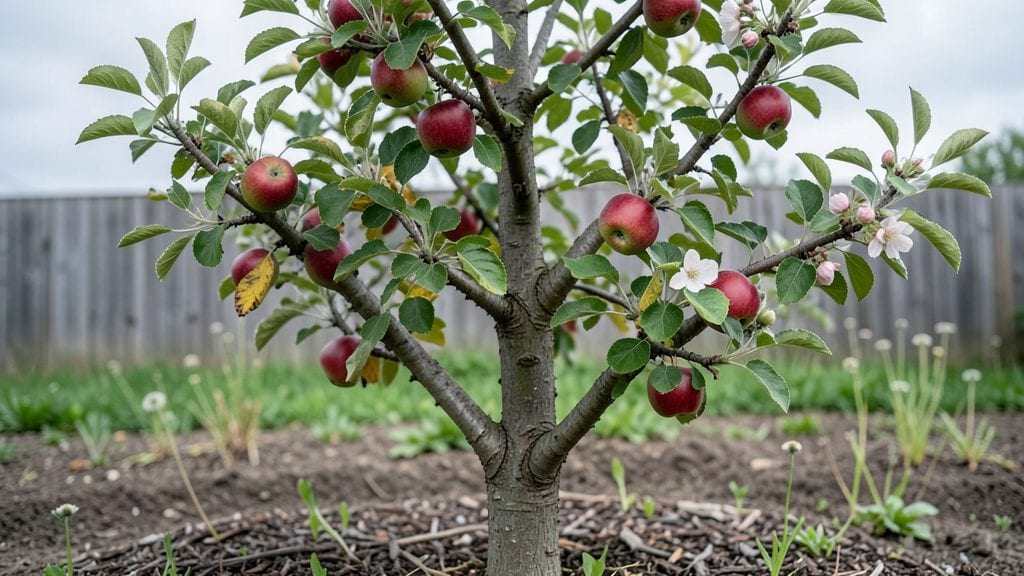
The Pacific Northwest’s crisp air and rich soil make it perfect for growing a delicious red apple tree that produces fruit from early summer through winter. 🌳 I’ve spent years perfecting my orchard, and the key isn’t just the variety—it’s the way you nurture the tree from its first twig to its first harvest.
The right balance of sunlight, water, and pruning transforms a sapling into a fruit-bearing powerhouse.
Start with cold-hardy varieties like Gala or Fuji, which thrive in PNW’s damp climate and yield sweet, crisp apples. Planting in well-draining soil with a slight acidity (around 6.0–6.5 pH) sets the foundation, while consistent watering—about 1–1.5 inches per week—keeps roots happy without drowning them.
Pruning in late winter removes dead wood and opens the canopy for better airflow, reducing disease risks.
By mid-summer, you’ll see clusters of vibrant red apples hanging heavy with flavor, and with proper care, your tree will keep producing for decades. The secret? Regular monitoring for pests like codling moths and diseases like apple scab, plus a light mulch to retain moisture.
Even in rainy seasons, a well-maintained tree stays productive and healthy.
Whether you’re a beginner or a seasoned gardener, this approach works—just adjust for your microclimate. The first harvest might be small, but each year, your tree will reward you with sweeter, juicier fruit. Let’s get those roots growing!
📚 In This Guide
- What you need
- Instructions
- Tips and common mistakes
- Wrapping up and next steps
What you need
- ● Pruning shears: Bypass pruners (sharp, 6–8 inch blades) for small branches.
- ● Loppers: 8–12 inch bypass loppers for thicker branches (up to 2 inches in diameter).
- ● Pruning saw: Curved-tooth pruning saw for branches over 2 inches thick.
- ● Disinfectant: 70% isopropyl alcohol or a 10% bleach solution to sterilize tools between cuts.
- ● Garden gloves: Heavy-duty, cut-resistant gloves (e.g., Fellex or Tough Outdoors).
- ○ Tarp or drop cloth: 4x6 ft to collect debris (optional but handy!).
- ● Pole saw: Extendable saw for high branches (10–15 ft reach).
- ● Tree wound sealant: Pruning paste (e.g., Tanglefoot Tree Wound Pruning Seal) for large cuts (controversial but some swear by it!).
- ● Ladder: Sturdy, extendable ladder (if tree exceeds 10 ft tall).
- ● Marking spray: Non-toxic paint or spray to mark branches for removal.
- ● First-aid kit: For minor scrapes or stings (PNW’s critters can be sneaky!).
Step-by-Step guide to planting and caring for a Pacific Northwest red apple tree
Here's how to establish a thriving apple tree that yields sweet fruit season after season.
🌱 Step 1: Choose the Right Location and Prepare the Soil
Select a spot with full sun exposure (6-8 hours daily) and protection from strong winds. The Pacific Northwest's mild climate means your tree will appreciate a sheltered area to prevent winter damage. Dig a hole twice as wide as the root ball but only as deep—planting too deep can suffocate the roots.
Amend the native soil with 3-4 inches of compost mixed into the bottom of the hole. Apple trees prefer slightly acidic to neutral soil (pH 6.0-7.0). If your soil is heavy clay, add a layer of sand or perlite to improve drainage. The goal is loose, well-draining soil that holds moisture without becoming waterlogged.
🪴 Step 2: Plant Your Tree at the Correct Depth and Stake for Support
Position the tree so the graft union (the bulge near the base) sits 2-4 inches above the soil line. This protects it from potential rot if the soil level rises later. Gently spread the roots outward and backfill with the amended soil, tamping lightly to remove air pockets. Leave a 3-inch-wide basin around the base to direct water.
Stake the tree only if needed—young trees in exposed areas benefit from temporary support. Use two stakes driven 12-18 inches from the trunk and tie the tree loosely with soft fabric strips. Avoid wire or anything that can girdle the trunk as it grows. Water deeply immediately after planting to settle the soil around the roots.
☀️ Step 3: Water and Mulch for Year-Round Success
Water your newly planted tree deeply once a week for the first 2 months, providing 1-2 gallons per inch of trunk diameter. In the Pacific Northwest's rainy climate, you'll need to monitor soil moisture—overwatering can be just as damaging as underwatering. Check moisture by sticking your finger 2 inches into the soil; if it's dry, water again.
Apply a 3-inch layer of organic mulch (like wood chips or straw) around the base, keeping it 6 inches away from the trunk to prevent rot. Mulch helps retain moisture, regulate soil temperature, and suppress weeds. Replenish mulch annually as it breaks down. In winter, add an extra 4-6 inches of mulch for frost protection.
✂️ Step 4: Prune and Fertilize for Strong Growth
Prune your apple tree in late winter or early spring before new growth begins. Remove any dead, diseased, or crossing branches using clean, sharp pruners. Open the center of the tree to improve airflow and sunlight penetration. Aim to shape the tree into an open vase form, which encourages fruit production and reduces disease risk.
Fertilize in early spring with a balanced 10-10-10 fertilizer or one formulated for fruit trees. Apply ½ pound per inch of trunk diameter, working it into the top 6 inches of soil. Avoid fertilizing in fall, as new growth won't harden off before winter. Watch for signs of over-fertilization, like yellowing leaves or excessive leaf growth at the expense of fruit.
Tips & tricks for perfect Pacific Northwest red apple trees
Between us, these little details make the difference between a struggling sapling and a fruit-bearing powerhouse. The Pacific Northwest's unique climate demands special attention.
Sunlight Strategy: While 6-8 hours of sun is ideal, don't panic if your spot gets slightly less. In Step 1, position your tree to capture morning sun and afternoon shade—this mimics natural forest edges where many wild apples thrive. The key is consistent light exposure rather than intense midday heat. I've seen trees in partial shade still produce fruit, though yields may be smaller.
Soil Science: That 3-4 inches of compost in Step 1 isn't just filler—it's the foundation. For heavy clay soils common in PNW, mix in equal parts sand and perlite to create pockets for air and water. I test soil pH annually and adjust with lime if it drops below 6.0. The goal is a soil that drinks like a sponge but doesn't drown roots.
Watering Wisdom: The 2-month, once-weekly watering schedule in Step 3 works perfectly in normal PNW summers, but watch for dry spells. During heatwaves, increase to twice-weekly watering and always check that 2-inch soil depth before watering. I've seen trees wither during our occasional dry spells when owners assumed the rain would suffice.
Pruning Precision: When you prune in late winter (Step 4), focus on creating an open vase shape rather than just removing dead branches. This allows sunlight to reach the center where fruit forms. I cut branches at a 45-degree angle just above an outward-facing bud—this encourages new growth in the right direction. Never remove more than 25% of the canopy in one year.
Pro Tips for Delicious Red Apple Tree
- Between us, these little details make the difference between a struggling sapling and a fruit-bearing powerhouse.
- Sunlight Strategy: While 6-8 hours of sun is ideal, don't panic if your spot gets slightly less.
- Soil Science: That 3-4 inches of compost in Step 1 isn't just filler—it's the foundation.
Frequently asked questions
about growing and maintaining a delicious red apple tree in the Pacific Northwest—because even experts need a little guidance!When is the best time to prune my red apple tree?
The ideal time to prune is late winter or early spring (February–March), before buds swell. This promotes healthy growth and prevents disease spread. Avoid pruning in fall—it invites pests and fungal infections. For light shaping, summer pruning is okay, but keep it minimal!
How do I protect my apple tree from Pacific Northwest frost?
Young trees are vulnerable! Use frost cloths or row covers for late frosts. Water trees deeply before cold snaps to insulate roots. Mature trees handle frost better, but avoid pruning in fall—it reduces winter hardiness. Pro tip: Choose cold-hardy varieties like ‘Gala’ or ‘Fuji’ for PNW resilience.
What should I do if my apple tree leaves are yellowing or curling?
Yellowing leaves often signal nutrient deficiency (e.g., iron or nitrogen) or pests like aphids or mites. Check undersides for bugs and spray with neem oil if needed. For soil issues, amend with compost or a balanced fertilizer. Tip: Mulch heavily to retain moisture and nutrients!
Why aren’t my apples ripening fully?
Insufficient sunlight or water can stunt ripening. Ensure your tree gets 6+ hours of sun daily and water deeply 1–2 times per week (more in drought). Thin fruit early to avoid overcrowding—this boosts size and sweetness. Varieties like ‘Honeycrisp’ need cross-pollination, so plant a second tree nearby!
Can I prune my apple tree myself, or should I hire a pro?
Small trees? DIY is easy! Use sharp bypass pruners, sterilize cuts with hydrogen peroxide, and remove <10% of the canopy per year. For large or mature trees, consult an arborist—poor cuts can harm the tree. Reminder: Always prune at a 45° angle just outside the branch collar for clean healing.
Wrapping up and next steps
Growing a delicious red apple tree in the Pacific Northwest is a rewarding journey that blends patience, care, and a touch of local magic. 🌳 By mastering pruning techniques, understanding seasonal needs, and addressing common challenges, you’re not just cultivating fruit—you’re nurturing a legacy of fresh, vibrant apples straight from your backyard.
Whether you’re a seasoned gardener or just starting, every snip and spray brings you closer to that first crisp, sun-ripened bite.
Ready to turn your vision into reality? Start small this season:
- 📅 Plan your first pruning session in late winter—grab your tools and dive in!
- 🌱 Order bare-root saplings or young trees from a trusted PNW nursery today.
- 📖 Bookmark this guide and revisit it as your tree grows—knowledge compounds over time!