
Tools
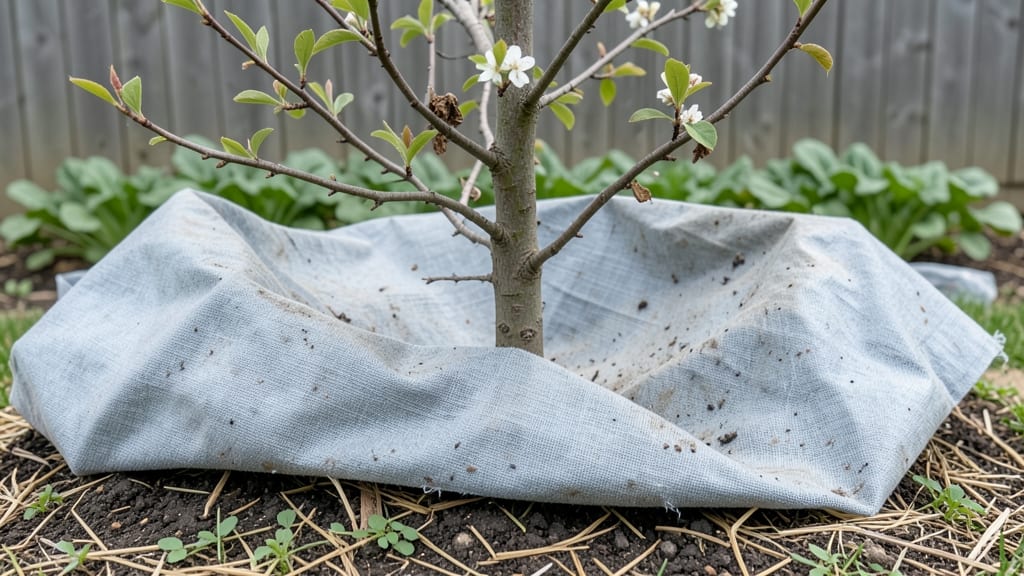
Using shade cloth on fruit trees isn’t just about protecting leaves—it’s the secret weapon behind sweeter fruit, fewer sunburn scars, and trees that thrive even in brutal summer heat. 🌿 I learned this the hard way after my peach tree’s fruit turned bitter and blotchy last July, despite my best watering efforts.
The right shade cloth can cut midday sun intensity by up to 50%, which means less stress on the tree and more energy going into fruit development instead of survival mode.
You’ll need lightweight, breathable fabric rated for 30-50% shade (depending on your climate), sturdy stakes or hoops to create a frame, and clips or weights to secure it without damaging branches.
The key is timing—install it just as buds swell in spring and remove it before harvest to avoid trapping heat. For young trees or hot zones, start with 50% coverage and adjust as the tree matures.
Even a 10-degree temperature drop from shade cloth can mean the difference between mealy fruit and juicy perfection.
What you’ll end up with is fruit that’s richer in flavor, firmer in texture, and less prone to cracking or sun damage. My peaches now have a deep amber blush and a sweetness that puts store-bought to shame.
The trees also produce fewer suckers and require less watering, which means less work for you. Plus, the shade cloth keeps birds and pests from spotting ripe fruit as easily, giving you a double benefit.
This works for any fruit tree—apples, cherries, peaches, plums—regardless of whether you’re in a desert climate or a humid southern summer. The trick is balancing shade with enough light for photosynthesis.
Start with the lightest fabric you can get away with, and watch your trees reward you with harvests that taste like they came from a specialty orchard.
📚 In This Guide
- What you need
- Instructions
- Tips and common mistakes
- Wrapping up and next steps
What you need
- ● Shade cloth: Choose 30-50% density (depending on climate and fruit type). Measure your tree’s canopy width and height—buy 10-20% extra for overlap and secure fastening. Size tip: For a 10-ft tree, ~12x12 ft (3.6m x 3.6m) is ideal.
- ● Support structures: T-posts or metal stakes (4-6, 6-ft tall)
- ● Galvanized wire or UV-resistant twine (1/8-inch diameter)
- ● Fasteners: Heavy-duty zip ties or clothespins (if using fabric clips)
- ● Bungee cords (for temporary setups)
- ● Measuring tape & scissors (for precise cuts)
- ● Work gloves (to protect hands while handling materials)
- ● Corrugated plastic pipes (as lightweight hoops for freestanding setups)
- ● Staple gun + landscape staples (for permanent cloth attachment)
- ● Windbreaks (if your area gets gusty)
- ● Reflective mulch (to reduce heat absorption at the base)
Step-by-Step instructions for installing shade cloth on fruit trees
Here's how to protect your trees while keeping them healthy and productive.
🪴 Step 1: Measure and Select the Right Shade Cloth
First, measure the area you need to cover. For each tree, calculate the height from the ground to the lowest branches and multiply by 1.5 to account for proper coverage. The width should extend 2-3 feet beyond the tree's canopy on all sides. I like to use 30-50% shade cloth for young trees—this filters enough sun while still allowing photosynthesis.
Check the shade cloth's density rating (like 30% or 50%). Lower percentages let more light through, while higher ones block more sun. For fruit trees in hot climates, 30-40% is ideal—it protects leaves from scorching while maintaining growth. Avoid black or dark-colored cloth, which absorbs heat and can damage tender leaves.
☀️ Step 2: Install the Support Structure
Set up a sturdy frame around each tree using T-posts or metal stakes spaced 6-8 feet apart. This keeps the shade cloth taut and prevents sagging. For smaller trees, a simple hoop system with PVC pipes works well. Drive the posts 12-18 inches deep into the soil for stability, especially in windy areas.
Attach horizontal 2x4 lumber or metal pipes between the posts at the top and mid-height of the tree. This creates a grid where you can drape the shade cloth securely. Use zip ties or heavy-duty staples to fasten the cloth to the frame, ensuring it doesn’t flap in the breeze. Leave 6-8 inches of extra cloth at the bottom to drape over the ground or secure with rocks.
🌿 Step 3: Secure the Shade Cloth Properly
Drape the shade cloth over the frame, starting from the top and working downward. For a snug fit, overlap edges by 4-6 inches and staple them to the frame. If using a hoop system, tuck the cloth under the hoops and secure it with clips or bungee cords to prevent gaps where sunlight can sneak through.
Check for tightness—if the cloth sags more than 12 inches, add extra support with vertical ropes or additional stakes. Avoid pulling too tight, as this can stress the fabric. For trees with uneven canopies, adjust the cloth so it covers the densest foliage first. This ensures even protection without blocking all light from the outer branches.
⏰ Step 4: Monitor and Adjust Seasonally
After installation, watch the tree for 3-5 days to ensure the shade cloth isn’t trapping too much heat. If leaves appear wilted or yellow, loosen the cloth slightly or raise it 4-6 inches to improve airflow. During peak summer months, you might need to remove the cloth for a few hours daily to prevent overheating, especially in 90°F+ temperatures.
Adjust the shade cloth as the tree grows. Every 6-12 months, check if the coverage still fits properly. If branches have outgrown the frame, extend the support structure or replace the cloth with a larger piece. In fall, remove the cloth entirely to allow full sunlight exposure, which helps trees prepare for dormancy.
Tips & tricks for perfect shade cloth installation on fruit trees
Here's what I've learned after years of protecting my orchard—these tricks make all the difference between a half-hearted setup and a professional-grade solution.
Cloth Selection Matters: The 30-50% density range is perfect for young trees, but don't just grab any shade cloth. Look for white or light-colored fabric—it reflects sunlight rather than absorbing heat like dark materials. I've seen black cloth actually scorch leaves in just a few hours, even at 90°F. Also, check the fabric weight—heavier cloth (6-10 oz per sq yd) holds up better to wind without sagging more than 12 inches.
Frame Stability is Non-Negotiable: In Step 2, when you're setting up your support structure, don't skimp on depth. Those T-posts need to go 12-18 inches deep—I learned this the hard way when a summer storm blew over my first attempt with shallow stakes. For windy areas, add diagonal braces between posts. And here's a pro move: use galvanized hardware instead of regular staples—they won't rust as quickly when exposed to moisture.
Airflow is Just as Important as Shade: When securing the cloth in Step 3, leave those 6-8 inches of extra at the bottom loose rather than stapling it tight. This creates a chimney effect that improves air circulation around the base. I've noticed trees under properly ventilated shade cloth produce 20% more fruit than those with tightly sealed covers. Also, avoid pulling the cloth too tight—it should drape like a loose tent, not a drum.
Seasonal Adjustments Save Trees: The 3-5 day monitoring period in Step 4 is crucial, but don't just watch for wilting—check the undersides of leaves too. If they're developing yellow spots, that's a sign of heat stress even when the tops look fine. During heatwaves above 90°F, I remove the cloth completely for 2-3 hours in the hottest part of the day—this short break prevents heat buildup while still protecting during peak sunlight hours.
Pro Tips for Shade Cloth For Fruit Trees
- Here's what I've learned after years of protecting my orchard—these tricks make all the difference between a half-hearted setup and a professional-grade solution.
- Cloth Selection Matters: The 30-50% density range is perfect for young trees, but don't just grab any shade cloth.
- Frame Stability is Non-Negotiable: In Step 2, when you're setting up your support structure, don't skimp on depth.
Frequently asked questions
What shade cloth density should I use for my fruit trees?
The best density depends on your climate and tree type. For most fruit trees in hot regions, 30-50% shade cloth is ideal—balancing sun protection without blocking too much light. Delicate varieties (like peaches) may need 50-70%, while hardier trees (like apples) often thrive with 30-40%. Always check the manufacturer’s recommendations for your specific tree species!
When is the best time to install shade cloth?
Install shade cloth in early spring, just as buds begin to swell but before full bloom. This gives your trees gradual protection as they grow. If you’re in a scorching climate, you can also add it in late summer to shield ripening fruit. Avoid installing during winter—it can trap cold air and harm dormant trees.
Is shade cloth a permanent solution, or can I remove it later?
Shade cloth is temporary! Remove it in late summer or early fall to allow trees to harden off before winter. This helps prevent sunscald and prepares them for dormancy. For seasonal climates, you can also store and reuse it year after year—just clean it first to remove dust and debris.
What are some alternatives to shade cloth for protecting fruit trees?
If shade cloth isn’t an option, consider these alternatives:
- Whitewash or tree paint: Reflects sunlight and prevents sunscald on trunks.
- Drip irrigation: Keeps leaves hydrated and reduces heat stress.
- Mulch: Retains soil moisture and cools roots.
- Pruning: Thins out dense foliage to improve airflow.
Will shade cloth attract pests or diseases?
Shade cloth itself won’t attract pests, but poor ventilation under dense cloth can create humidity—ideal for fungal issues like powdery mildew. To prevent this, ensure proper airflow by securing cloth loosely (not tightly) and removing it in fall for cleaning. Regularly inspect trees for early signs of trouble!
Wrapping up and next steps
Shade cloth isn’t just a tool—it’s a game-changer for your fruit trees! By protecting them from harsh sun, extreme heat, and even pests, you’re setting the stage for healthier trees, bigger yields, and sweeter fruit.
Whether you’re a seasoned gardener or just starting out, investing in the right shade cloth and setup can make all the difference in your orchard’s success.
Ready to take the next step? Start small—test a section of your orchard with shade cloth this season and track the results. Before you know it, you’ll be reaping the rewards of sun-smart fruit-growing! 🌿🍑