
Blooming
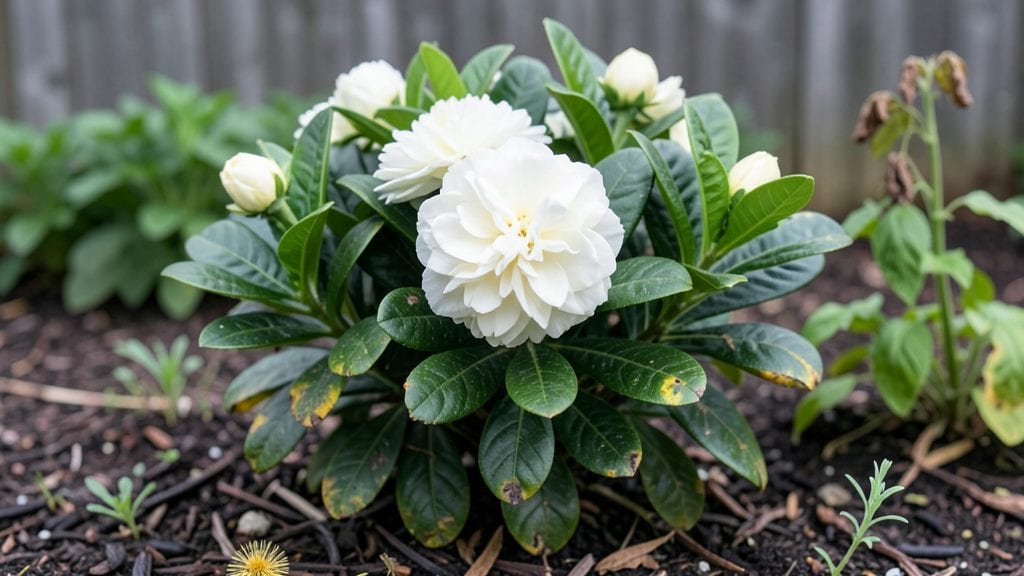
Double blooming gardenia trees are the showstoppers of fragrant landscapes—imagine two full flushes of creamy-white blossoms instead of one. 🌸 I remember the first time I saw one in a neighbor’s yard, heavy with scent even on a cool spring morning, and I knew I had to grow one myself.
These aren’t your ordinary gardenias; they’re the overachievers of the plant world, blooming prolifically if you give them the right care.
The secret to their year-round beauty starts with the basics: rich, acidic soil, morning sun and afternoon shade, and consistent moisture. Unlike single-blooming varieties, double bloomers need regular feeding—think balanced fertilizer in spring and summer, plus a little extra magnesium to keep those petals plump.
And here’s the thing: they’re finicky about watering. Too much, and roots rot; too little, and buds drop like rain. I’ve perfected a schedule that keeps mine thriving.
What you’ll end up with is a tree that smells like a tropical vacation, even in your own backyard. The blooms are denser, fuller, and last longer than single varieties, and the fragrance? Unmatched.
My gardenia now draws hummingbirds and butterflies year-round, and the neighbors ask for cuttings all the time. The key is patience—these trees take a few years to really shine, but once they do, they’re worth every minute of care.
We’ll cover everything from pruning to pest control, including how to fix common issues like bud drop or sparse blooms. Whether you’re in a warm climate or a cooler zone, these tips will help you coax the best performance from your gardenia.
Let’s get started—your fragrant oasis is just a few steps away.
📚 In This Guide
- What you need
- Instructions
- Tips and common mistakes
- Wrapping up and next steps
What you need
- ● Double blooming gardenia tree – Choose a healthy, disease-free sapling (1-3 years old) from a reputable nursery. Look for varieties like Gardenia jasminoides 'Kleim's Hardy' or 'Radicans' for reliable blooms.
- ● Well-draining potting mix – A blend of 50% peat moss or coconut coir, 30% perlite or pumice, and 20% compost (for potted plants) or loamy, acidic soil (pH 5.0–6.5) for in-ground planting.
- ● Garden trowel or shovel – For planting and soil amendments.
- ● Pruning shears or loppers – Sharp, sterilized tools for shaping and deadheading.
- ● Organic mulch (e.g., pine bark or shredded leaves) – 2–3 inches to retain moisture and regulate soil temperature.
- ● Slow-release fertilizer – A balanced, acidic fertilizer (e.g., 8-3-9 or 10-10-10) labeled for acid-loving plants. Use 2–3 tablespoons per plant during growing season.
- ● Watering can or hose with a gentle spray nozzle – Gardenias hate soggy roots but need consistent moisture.
- ● pH testing kit – To monitor soil acidity (critical for blooming!).
- ● Spray bottle with water – For misting leaves (especially in dry climates).
- ● Epsom salt (magnesium sulfate) – 1 tablespoon dissolved in a gallon of water monthly to boost blooms.
- ● Copper fungicide – For prevention of fungal diseases like powdery mildew.
- ● Garden gloves – To protect your hands from thorns and soil.
- ● Sunhat or umbrella – For comfort while working in hot conditions.
- ● Garden journal – To track blooming cycles, pruning dates, and fertilizer applications.
Step-by-step instructions for cultivating a double blooming gardenia tree
Here's how to coax your gardenia into a fragrant, year-round bloomer with minimal stress.
🌱 Step 1: Select the Right Variety and Planting Site
Choose a double-blooming cultivar like 'Kleim's Hardy' or 'Radicans'—these are bred to produce two flushes annually. Gardenias demand full sun (6+ hours daily) but tolerate light afternoon shade in hot climates. I always plant mine where they get morning sun and afternoon dappled light; this prevents leaf scorch while maintaining bloom triggers.
Test your soil pH with a meter—gardenias refuse to bloom in alkaline soil. Aim for 5.0-6.0. If your soil tests higher, amend with sulfur or peat moss (2-3 pounds per square foot) and retest in 6 weeks. The roots won't tolerate sudden pH swings, so gradual acidification is key. I dig a hole twice as wide as the root ball but only as deep—gardenias hate being buried too deeply.
☀️ Step 2: Master the Light and Watering Balance
Gardenias need bright, indirect light to set buds. If growing indoors, place near an east-facing window or use a grow light on a 14-hour timer. You'll know the light is right when new growth appears dark green and glossy—pale, leggy stems mean it's too dim. Outdoors, prune nearby trees to ensure unobstructed light during the spring and fall bloom periods.
Water deeply twice weekly in summer (more in containers) until the top 2 inches of soil feel moist. Let the soil dry slightly between waterings—soggy roots cause root rot, but drought stress drops buds prematurely. I check moisture by sticking my finger in the soil; if it feels like a wrung-out sponge, it's time to water. Mulch with 2-3 inches of organic mulch to retain moisture and protect roots from temperature swings.
💧 Step 3: Feed for Continuous Blooms
Gardenias are heavy feeders, but timing matters. In early spring, apply a balanced 10-10-10 fertilizer at half strength. Switch to an acid-loving plant fertilizer (like 8-3-9 with magnesium) when buds form—this prevents bud drop. I fertilize every 4-6 weeks during active growth, but never after mid-summer; this encourages new growth that won't harden off before winter.
Here's the thing—gardenias bloom on old wood. If you prune too aggressively in spring, you sacrifice next year's flowers. Instead, prune right after blooming to shape the tree and remove dead wood. Use sterilized shears to make clean cuts just above a leaf node. Avoid heavy pruning in fall; the plant needs energy to prepare for winter dormancy.
✂️ Step 4: Encourage Year-Round Blooming
To trigger a second bloom cycle, mimic the plant's natural dormancy cues. In late summer, reduce water slightly and stop fertilizing. This stress period signals the tree to set buds for a fall flush. Once buds appear, resume regular watering and feeding. I've found that gardenias respond best to consistent temperatures between 65-75°F—any colder, and buds drop; any hotter, and flowers scorch.
Watch for white buds that turn pink—this is your cue to increase humidity around the plant. Mist leaves daily or place the pot on a tray of pebbles with water (but never let roots sit in water). The goal is 50-60% humidity; gardenias won't open buds in dry air. If growing indoors, a small humidifier near the plant works wonders during winter heating season.
🪴 Step 5: Protect and Overwinter for Next Year
Before the first frost, move potted gardenias to a protected location (like a garage or under a porch roof) where temps stay above 30°F. Gardenias can handle light frost if roots are insulated, but prolonged cold kills the plant. I wrap the pot in burlap and bubble wrap to shield roots from temperature swings. Water sparingly in winter—just enough to keep soil from drying out completely.
In late winter, prune any dead or crossing branches. This is also the time to repot if roots are circling the container. Choose a pot only 1-2 inches larger in diameter—gardenias bloom better when slightly root-bound. Refresh the top 2 inches of soil with new potting mix to replenish nutrients. The first flush of blooms usually appears in late spring, so be patient—your efforts will pay off with fragrant, double-season beauty.
Tips & tricks for perfect double blooming gardenia tree
Took me years to figure out these little details that make all the difference between a gardenia that blooms once and one that keeps giving you fragrant flowers all year.
Soil pH Precision: That 5.0-6.0 pH range is non-negotiable for double blooming. I've seen gardenias refuse to bud in soil just 0.5 points higher. Use a digital pH meter for accuracy—cheap test kits often give false readings. If you're amending with sulfur or peat moss, mix it into the top 6-8 inches of soil rather than just the surface layer. The roots need consistent acidity throughout their zone.
Light Balance Secret: The morning sun/afternoon shade combo works because it gives you intense light without the midday heat stress. If you're growing indoors, rotate your plant quarter-turn daily so all sides get even light exposure. You'll notice new growth leaning toward the light? That's your plant telling you it needs to be repositioned. The goal is uniform dark green leaves—any yellowing means too much direct sun, while pale stems mean it's not getting enough light.
Fertilizer Timing Trick: When you switch to that 8-3-9 acid-loving fertilizer at bud stage, here's what I do: mix it at half strength and apply it to damp soil in the morning. The magnesium in that blend helps prevent bud drop, but too much too soon can actually cause the buds to fall. Think of it like feeding a picky eater—small, frequent meals work better than one big helping.
Humidity Hack: That 50-60% humidity range isn't just about keeping buds from dropping—it's also about preventing fungal issues. For indoor plants, I place a shallow tray filled with pebbles and water under the pot, then set the plant on top. The evaporation creates a microclimate without risking root rot. During winter heating season, I run a small humidifier nearby—it's worth the investment for those fragrant blooms.
Pro Tips for Double Blooming Gardenia Tree
- Took me years to figure out these little details that make all the difference between a gardenia that blooms once and one that keeps giving you fragrant flowers all year.
- Soil pH Precision: That 5.0-6.0 pH range is non-negotiable for double blooming.
- Light Balance Secret: The morning sun/afternoon shade combo works because it gives you intense light without the midday heat stress.
Frequently asked questions
Got questions about nurturing your double blooming gardenia tree? You’re not alone! Here are answers to some of the most common queries to help you keep your fragrant beauty thriving year-round.
How often should I water my double blooming gardenia tree?
Water your gardenia tree deeply once a week during warm months, adjusting for rain. In winter, reduce to every 10-14 days. Overwatering is a common mistake—ensure the soil drains well to prevent root rot. Pro tip: Stick your finger 2 inches into the soil; if it’s dry, it’s time to water!
Why isn’t my gardenia blooming twice a year?
Double blooming gardenias need consistent care to produce flowers twice. Check for these issues:
- Light: Ensure it gets 4-6 hours of morning sun and afternoon shade.
- Pruning: Trim dead or overgrown branches after blooming to encourage new growth.
- Fertilizer: Use an acidic, bloom-boosting fertilizer (like 7-9-5) every 4-6 weeks in spring/summer.
- Stress: Avoid drastic changes in temperature or soil pH (aim for 5.0-6.5).
Can double blooming gardenias survive cold winters?
Most double blooming gardenias thrive in USDA Zones 7-10. If you’re in a colder zone (e.g., Zone 6 or below), grow it in a container and bring it indoors before the first frost. For in-ground plants, mulch heavily around the base and wrap the trunk with burlap for protection. Warning: Sudden freezes can damage buds—gradual acclimation helps!
What are good alternatives if I can’t grow a double blooming gardenia?
If your climate or space doesn’t suit gardenias, try these fragrant, repeat-blooming alternatives:
- Jasmines (e.g., Arabian or Pink Jasmine): Hardy, fast-growing, and highly fragrant. Blooms spring to fall.
- Camellias (e.g., Sasanqua Camellia): Cold-hardy (Zones 7-9), blooms fall through spring.
- Gardenia ‘Kleim’s Hardy’: A tougher hybrid that blooms once but handles cooler temps better.
- Plumeria (Frangipani): Tropical but drought-tolerant; blooms spring/summer with intense fragrance.
Why do my gardenia leaves look yellow or spotted?
Yellow or spotted leaves usually signal nutrient deficiencies or pests. Common culprits:
- Overwatering/root rot: Yellow leaves with mushy stems. Fix by improving drainage and reducing water.
- Iron deficiency (chlorosis): Yellow leaves with green veins. Amend soil with chelated iron or use an acidic fertilizer.
- Pests: Spider mites or scale insects cause stippled leaves. Treat with neem oil or insecticidal soap.
- Fungal issues: Brown spots may indicate powdery mildew. Prune affected areas and apply copper fungicide.
Wrapping up and next steps
The double blooming gardenia tree is a fragrant masterpiece that rewards patience and care with stunning, year-round beauty. Whether you're drawn to its intoxicating scent or its lush, velvety blooms, this plant is a dream for gardeners eager to elevate their outdoor (or indoor!) spaces. 🌸
Now that you’re armed with the secrets to success, why not take the next step? Plant one today—your garden (and your senses) will thank you! Start small, experiment with care tips, and soon, you’ll be the envy of every neighbor with your perpetually blooming gardenia paradise.