Pruning
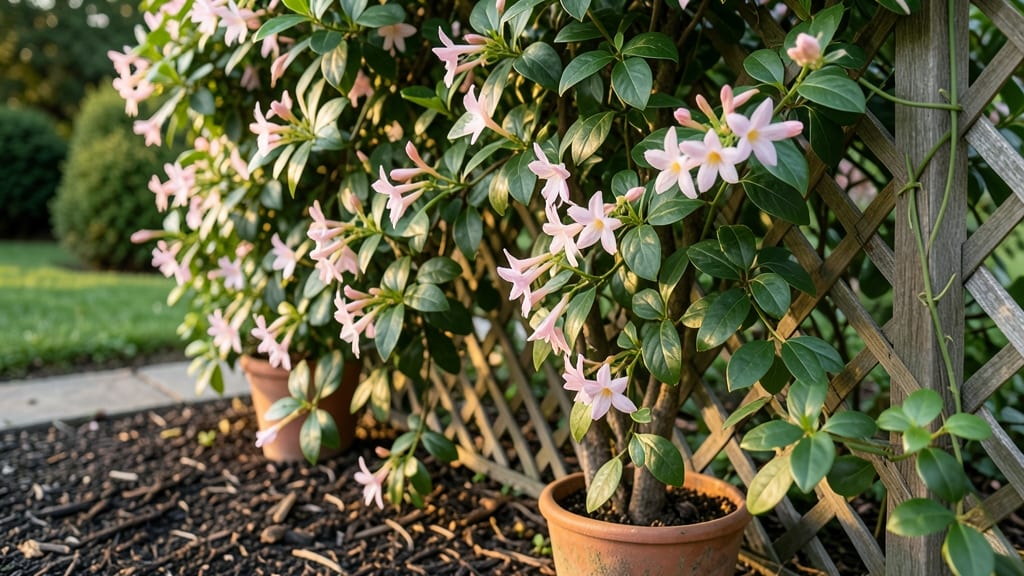
Your pink jasmine tree isn’t just a plant—it’s a fragrant, flowering centerpiece that deserves careful attention, especially when pruning. ✨ I’ve learned the hard way that aggressive cuts can strip away next year’s blooms, while strategic trimming keeps those sweet pink clusters coming back stronger every spring.
The secret lies in timing and technique: prune right after flowering, never in fall or winter, and always cut just above a leaf node to encourage new growth. You’ll need sharp pruners, a ladder (for taller trees), and a clear day to avoid stressing the plant.
My tree now bursts with blooms by early May, and the scent lingers for weeks.
With precision cuts, you’ll transform a leggy, overgrown shrub into a compact, highly fragrant beauty that thrives even in cooler climates. The right approach turns pruning from a chore into a way to extend your tree’s life—and its blooming season—for decades.
Whether you’re dealing with a young sapling or an established tree, these same principles apply. The key is patience: a little effort now means years of effortless, showstopping fragrance. Let’s get those blooms back in full force.
📚 In This Guide
- What you need
- Instructions
- Tips and common mistakes
- Wrapping up and next steps
What you need
- ● Pruning shears: Bypass pruners (sharp, clean, and sterilized with rubbing alcohol to prevent disease). Pro tip: 💡 Invest in a high-quality pair (e.g., Felco or Fiskars) for clean cuts.
- ● Loppers: For thicker branches (½"–2" diameter). Look for ratchet-style loppers for ease.
- ○ Pruning saw: For branches >2" thick (avoid cheap saws—they tear wood). Optional: A folding pruning saw for portability.
- ● Gloves: Heavy-duty gardening gloves (cut-resistant, like Mechanix Wear) to protect hands from thorns and sharp tools.
- ○ Disposable pruning seals: (e.g., Tanglefoot Tree Wound Pruning Seal) to coat cuts >½" in diameter (optional but highly recommended for cold-hardy trees).
- ● Ladder or step stool: Sturdy and tall enough to reach the tree’s highest branches safely.
- ● Bucket or trash bag: For collecting pruned branches (10–15 gallons, depending on tree size).
- ● Timing: Prune after the tree blooms (late spring/early summer) to preserve next year’s flowers. Cold-hardy tip: ✨ Avoid pruning in frost-prone months (Jan–Feb) to prevent dieback.
- ● Weather: Choose a dry, overcast day to minimize stress on the tree.
- ● Safety gear: Safety glasses (to shield from debris) and closed-toe shoes.
- ● Tree health check: Inspect for diseased or dead branches (brown, mushy wood) before pruning.
- ● Hand sanitizer or rubbing alcohol: For sterilizing tools between cuts.
- ● Marking spray: (e.g., white garden spray) to tag branches for removal.
- ● Tree growth regulator: (e.g., Fertilome Bloom Booster) to promote recovery post-pruning.
- ● Camera: Snap before/after photos to track progress!
Step-by-Step guide to reviving your pink jasmine tree's blooms
Here's how to coax vibrant pink flowers back with strategic cuts—no guesswork, just precision.
✂️ Step 1: Time Your Pruning for Peak Health
Prune your pink jasmine tree right after flowering—typically in late spring—when blooms have faded but before new growth hardens. This ensures you remove spent flowers while preserving next year's buds hidden in the wood. Avoid pruning in fall or winter, as cold-sensitive varieties like Jasminum polyanthum need their energy reserves intact for winter survival.
Look for woody stems with small, round buds along the branches. These are your future blooms, so never cut them off. If you see dead or crossing branches, mark them with a small flag or note—you'll address them in the next step. The goal is to shape the tree while encouraging dense, flowering growth.
✂️ Step 2: Remove Dead and Problematic Growth First
Start by cutting out any dead, diseased, or crossing branches using clean, sharp pruners. Make your cuts at a 45-degree angle, about ¼ inch above a outward-facing bud (this encourages growth away from the center). If a branch is larger than ½ inch thick, use loppers—never prune thick branches with hand pruners, as it crushes the wood.
Watch for suckers (shoots growing from the base) and water sprouts (thin, upright stems). These drain energy from flowering. Remove them entirely at the base. Here's the thing—if you see yellowing leaves or blackened stems, don’t prune those areas. Instead, sterilize your tools with rubbing alcohol and focus on healthy wood.
✂️ Step 3: Thin and Shape for Airflow and Light
Step back and visualize your tree’s open, vase-like structure. Pink jasmine thrives when light and air circulate freely, so remove up to ⅓ of the oldest, thickest branches to open the canopy. Cut back to a strong lateral branch or bud, never leaving a stub. Thinning here prevents future overcrowding and improves flowering density.
For long, leggy branches, shorten them by ⅓ to ½ to encourage bushier growth. Look for tight clusters of leaves—these often hide weak stems. Prune just above a healthy bud pointing outward. Avoid "heading back" (cutting just above a leaf node) unless you’re training a specific shape, as this can stimulate leafy growth over flowers.
✂️ Step 4: Clean Up and Protect for Winter
After pruning, sterilize your tools again and rake up all debris to prevent fungal diseases. Apply a balanced, slow-release fertilizer (like 10-10-10) around the root zone to support new growth. Water deeply to help the tree recover, but avoid overwatering—jasmine roots rot easily in soggy soil.
If your tree is in a cold-hardy zone (USDA 7-9), mulch the base with 2-3 inches of organic mulch to insulate roots. In colder regions, wrap young trees with burlap or use a tree guard to shield from harsh winds. Real talk: if your tree is in a microclimate with sudden freezes, consider moving potted jasmines to a sheltered spot until spring.
⏰ Step 5: Monitor and Adjust for Next Season
Watch your tree in early summer—if you see fewer buds than expected, it may need more sunlight or a light winter pruning (just shape, no heavy cuts). Pink jasmine responds well to annual pruning, so repeat this process every late spring to maintain its compact, flowering form.
Here’s the moment that matters: next spring, you’ll see new growth emerging from the buds you preserved. If you followed these cuts precisely, your tree will reward you with dense clusters of fragrant pink blooms—the hallmark of a well-pruned jasmine. And if a branch looks stressed after pruning, don’t panic. It’s normal for trees to take a season to recover fully.
Tips & tricks for perfect pink jasmine tree pruning
Precision cuts make all the difference when reviving your cold-hardy pink jasmine—here's how to avoid common pruning pitfalls.
Bud Identification: In Step 1, those tiny round buds you see along woody stems are your future blooms. I learned this the hard way after accidentally cutting off potential flowers—always double-check before making cuts. The buds should feel firm and slightly raised; if they're soft or mushy, they're not ready to be preserved yet.
Tool Preparation: Before you start pruning in Step 2, sterilize your tools with rubbing alcohol—this isn't just about cleanliness, it's about preventing disease transmission between cuts. I keep a small bottle of 70% isopropyl alcohol in my gardening toolkit specifically for this purpose. Sharp tools also matter: dull blades crush stems instead of making clean cuts, which can invite infections.
Pruning Angle Technique: When making your 45-degree cuts in Step 2, visualize directing water away from the trunk. The slight angle prevents water from pooling at the cut site, which could lead to rot. For branches larger than ½ inch, use loppers—they provide better leverage and control, preventing the crushing that hand pruners cause on thick stems.
Seasonal Timing Strategy: The late spring timing in Step 1 is critical for cold-hardy varieties like Jasminum polyanthum. If you're in a warmer microclimate, you might extend this window slightly into early summer, but never prune after mid-summer. The tree needs time to harden off before winter, and late pruning can stimulate new growth that won't have time to mature before cold weather arrives.
Pro Tips for Pink Jasmine Tree
- Precision cuts make all the difference when reviving your cold-hardy pink jasmine—here's how to avoid common pruning pitfalls.
- Bud Identification: In Step 1, those tiny round buds you see along woody stems are your future blooms.
- Tool Preparation: Before you start pruning in Step 2, sterilize your tools with rubbing alcohol—this isn't just about cleanliness, it's about preventing disease transmission between cuts.
Frequently asked questions
Got questions about keeping your pink jasmine tree thriving with precision pruning? Here are answers to the most common ones—so you can revive those cold-hardy blooms like a pro!
When is the best time to prune a pink jasmine tree?
The ideal window is late winter or early spring (just before new growth starts), or right after flowering. Avoid pruning in fall—it can stimulate tender growth that won’t survive winter. For cold-hardy varieties, wait until frost danger has passed to prevent shock.
How much can I trim back without harming the tree?
You can safely remove up to one-third of the tree’s canopy in a single session, but avoid drastic cuts. Focus on dead, diseased, or crossing branches first. For shaping, thin out branches to improve airflow—this boosts blooms and cold resistance.
Will pruning help my pink jasmine survive harsh winters?
Yes! Strategic pruning reduces stress by removing weak growth and improving structure. However, avoid heavy cuts in late summer/fall—this can leave wounds vulnerable to cold. Mulch the base and water deeply before winter for extra protection.
Why isn’t my pink jasmine blooming after pruning?
Pink jasmine blooms on old wood, so over-pruning in spring can reduce flowers. If blooms are sparse, check for:
- Light: Needs 6+ hours of sun daily.
- Nutrients: Fertilize lightly in early spring with balanced 10-10-10.
- Water: Drought stress = fewer blooms.
Are there cold-hardy alternatives to pink jasmine?
If your climate is Zone 6 or colder, consider these low-maintenance, fragrant options:
Plant
Cold Hardiness
Bloom Time
Winter Jasmine (Jasminum nudiflorum)
Zone 5-9
Late winter/early spring
Deutzia (Deutzia spp.)
Zone 4-8
Spring
Weigela (Weigela florida)
Zone 4-8
Spring/summer
Wrapping up and next steps
The pink jasmine tree thrives when you pair its natural beauty with thoughtful pruning—reviving its cold-hardy resilience and stunning blooms year after year.
By mastering the right timing, tools, and techniques, you’ve unlocked the secret to a healthier, more vibrant tree that rewards you with fragrant flowers and lush foliage. 🌸
Now that you’re armed with knowledge, roll up your sleeves and give your tree the care it deserves! Start with a quick inspection of its branches, then grab those pruners and prune with confidence.
Need a refresher? Bookmark this guide and revisit it before your next session. Happy pruning—your pink jasmine tree will thank you with a dazzling display! ✂️💖