
Pruning
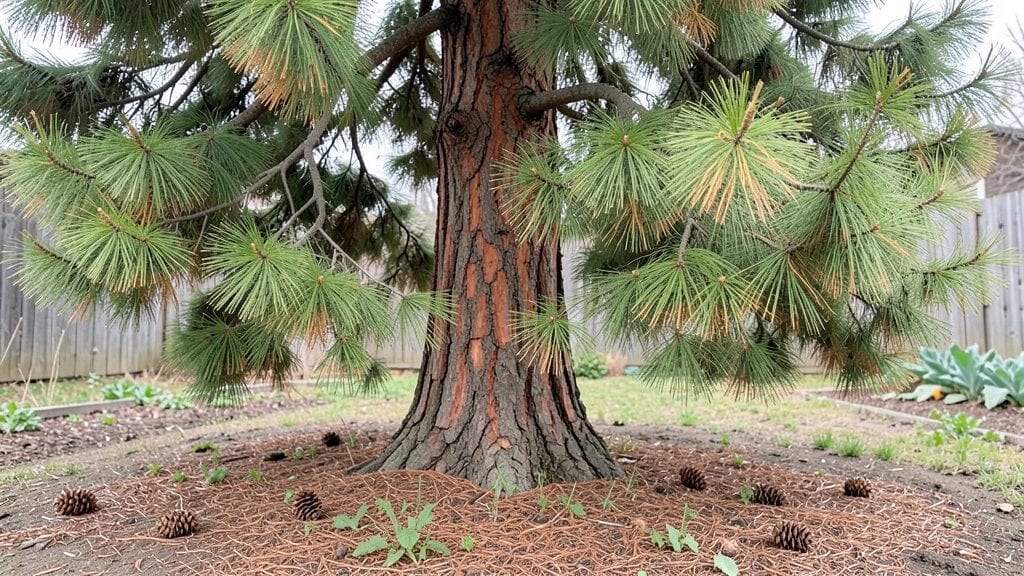
Pruning an eastern redwood tree (Nothofagus spp.) transforms its canopy from tangled to majestic—especially when you nail the timing and technique for the Pacific Northwest’s frosty winters. 🌿 I’ve watched these trees go from scraggly to sculpted by simply focusing on three key cuts: removing dead wood, thinning crowded branches, and shaping for wind resistance.
The difference in growth and health is night-and-day after just one season.
The best time to prune is late winter, when the tree’s dormant but before new growth bursts. You’ll need sharp loppers for branches up to 3 inches thick and a sturdy pruning saw for anything larger—plus a ladder if your tree stands taller than your outstretched arms.
Eastern redwoods respond well to pruning, but avoid overdoing it; aim to remove no more than 25% of the canopy in a single session to prevent stress.
What you’ll end up with is a tree that thrives year-round, its branches evenly spaced to catch sunlight and shed snow without breaking. The foliage stays dense and vibrant, even after winter’s freeze, and new growth emerges stronger.
Plus, you’ll reduce the risk of pests and diseases hiding in dense, tangled limbs. This isn’t just pruning—it’s giving your tree a second chance to shine.
Works for both young saplings and mature specimens in outdoor landscapes, though container-growing isn’t ideal for their size. If you’re in the Pacific Northwest, this method keeps them resilient through frost and wind—no special tricks, just smart cuts. Ready to shape that canopy?
📚 In This Guide
- What you need
- Instructions
- Tips and common mistakes
- Wrapping up and next steps
What you need
- ● Pruning shears: Bypass pruners (for cuts up to ½ inch thick) – 1 pair (e.g., Felco F-2 or Corona).
- ● Loppers: Heavy-duty, 20-24 inch (for branches ½–1½ inches thick) – 1 pair (e.g., Fiskars X7).
- ● Pruning saw: Curved-tooth saw (for branches 1½+ inches thick) – 1 (e.g., Bahco Laplander).
- ● Extension pole: 6–10 ft telescoping pole with pruning head – 1 (for high branches).
- ● Work gloves: Heavy-duty, cut-resistant (e.g., Mechanix or Worn Again).
- ● Safety gear: Safety goggles (ANSI-rated)
- ● Ear protection (if using a chainsaw)
- ● Steel-toe boots or work shoes
- ● Disinfectant: 70% isopropyl alcohol or pruning sealant (to prevent disease).
- ● Cleaning supplies: Rag or paper towels, bucket of water.
- ● Chainsaw: Gas-powered (for large branches >3 inches) – 1 (e.g., Husqvarna 450).
- ● Ladder: Sturdy, extendable ladder (for hard-to-reach branches).
- ● Tarps or drop cloths: To collect debris (1–2 large sheets).
- ○ Tree wound dressing: (Optional) For sealing large cuts (e.g., Tanglefoot Tree Wound Pruning Sealer).
- ● First-aid kit: Bandages, antiseptic wipes (for minor injuries).
Step-by-Step guide for pruning eastern redwood trees
Here's how to shape your towering redwood while keeping it healthy and frost-resistant.
✂️ Step 1: Assess the Tree and Gather Tools
Start by examining your eastern redwood for dead, diseased, or crossing branches. Look for branches that rub together or grow inward—they'll eventually damage the tree. I like to do this in late winter or early spring, just before new growth begins. You'll need sharp pruning shears for small branches, loppers for thicker limbs, and a pruning saw for anything larger than 2 inches in diameter.
Wear gloves and safety glasses—redwood branches can be brittle and snap unexpectedly. I also bring a small broom to clear debris afterward. The goal here is to remove only what's necessary; redwoods are resilient but don't respond well to heavy pruning. Focus on branches that are dead, diseased, or structurally weak first.
✂️ Step 2: Remove Problem Branches First
Start with the obvious candidates: branches that are completely brown and brittle or covered in fungus. Cut these back to the nearest healthy growth ring or branch collar. For diseased branches, sterilize your tools with rubbing alcohol between cuts to prevent spreading pathogens. Redwoods are susceptible to fungal infections, so cleanliness is key.
Next, tackle crossing branches. When two branches rub together, one will eventually win out and damage the other. Choose the branch that's growing more upright or has better attachment to the trunk. Make your cut just outside the branch collar—this is the swollen area where the branch meets the trunk. Avoid leaving stubs, as they can rot and invite pests.
✂️ Step 3: Thin the Canopy for Airflow
Redwoods need good airflow to prevent frost damage and fungal issues. Step back and look at the tree's overall shape. Aim to remove no more than 25% of the canopy in one season. Focus on branches that are growing too densely or blocking sunlight from reaching the lower branches. You'll know you're doing well when you can see light filtering through the canopy evenly.
For larger branches, use the three-cut method to avoid tearing the bark. First, make an undercut about 12 inches out from the trunk. Then, cut from the top about 6 inches farther out. Finally, make a final cut just outside the branch collar to drop the branch. This prevents the bark from splitting as the weight comes off.
✂️ Step 4: Shape and Maintain Balance
Now it's time to refine the tree's shape. Redwoods grow naturally tall and straight, so avoid over-pruning the top. Instead, focus on removing branches that are growing too close to the trunk or competing with stronger branches. I like to step back every few cuts to check the tree's balance—you want a symmetrical, open canopy that allows light and air to circulate.
Pay special attention to the lower branches. While redwoods can handle some shade, removing a few lower branches can improve airflow and reduce frost damage. Just don't remove more than one-third of the lower branches at once. After pruning, water the tree deeply to help it recover. You'll see new growth in 4-6 weeks, signaling that the tree is healing well.
Tips & tricks for pruning eastern redwood trees
Real talk: Pruning redwoods isn't just about cutting branches—it's about preserving their natural strength while preventing frost damage. Here's what I've learned from years of working with these towering giants.
Timing is Everything: The late winter to early spring window (just before new growth) is your best bet. This timing lets the tree heal before summer heat stress. I've seen redwoods pruned in summer struggle with slower recovery—wait for those fresh spring buds to appear before you start cutting.
The Three-Cut Method Matters: When you're dealing with branches over 2 inches thick in Step 3, that three-cut technique isn't just recommended—it's essential. I've seen too many pruners skip the undercut and end up with ugly bark tears. Make that first cut about 12 inches out, then the top cut 6 inches beyond that, and finally the clean cut outside the branch collar. This sequence prevents the bark from splitting when the branch falls.
Branch Selection Secrets: In Step 2, when choosing between crossing branches, look for the one with the stronger attachment point. I test this by gently shaking each branch—if it wobbles significantly, it's the weaker one to remove. Also, never cut flush with the trunk; always leave that 1/4-inch gap outside the branch collar. That little detail prevents rot and pest entry points that can kill your tree over time.
Post-Pruning Care: After you've finished, give your redwood a deep watering that reaches down to the roots. I've noticed trees pruned in dry conditions take twice as long to show new growth. The 4-6 week recovery timeline in Step 4 is accurate, but only if you're watering properly. Think of it like helping your tree heal from surgery—it needs proper hydration to regenerate.
Pro Tips for Eastern Redwood Tree
- Real talk: Pruning redwoods isn't just about cutting branches—it's about preserving their natural strength while preventing frost damage.
- Timing is Everything: The late winter to early spring window (just before new growth) is your best bet.
- The Three-Cut Method Matters: When you're dealing with branches over 2 inches thick in Step 3, that three-cut technique isn't just recommended—it's essential.
Frequently asked questions
Got questions about pruning your eastern redwood tree? You’re not alone—these majestic giants need special care! Here are answers to the most common queries to keep your tree thriving in the Pacific Northwest’s frost-prone climate.
When is the best time to prune an eastern redwood tree?
The ideal window is late winter to early spring (February–March), just before new growth begins. This minimizes stress and reduces disease risk. Avoid pruning in fall or winter, as frost can slow healing. Pro tip: If you must prune in summer, do it on a cool, overcast day to protect the tree.
How do I protect my eastern redwood from frost damage after pruning?
Frost can stress freshly pruned branches. Apply a thin layer of anti-desiccant spray to cuts and mulch the base with 3–4 inches of wood chips to insulate roots. Water deeply before frost hits to help the tree retain moisture. For young trees, consider burlap wraps on trunks in extreme cold snaps.
What tools do I need for safe pruning?
You’ll need:
- A sharp bypass pruner (for small branches under ½ inch)
- Loppers (for branches ½–1½ inches thick)
- A pruning saw (for larger cuts over 1½ inches)
- Disinfectant (to clean tools between cuts and prevent disease)
- Gloves and safety goggles (redwood sap can be sticky!)
What mistakes should I avoid when pruning?
Skip these common pitfalls:
- Over-pruning: Remove no more than 25% of the canopy in one season.
- Topping the tree: This creates weak, stubby growth and invites disease.
- Pruning in wet weather: Damp conditions spread fungal spores.
- Ignoring deadwood: Always remove diseased or dead branches first—they drain the tree’s energy.
Can I propagate an eastern redwood from cuttings?
Yes! Eastern redwoods root easily from softwood cuttings (taken in spring). Use 4–6 inch tips, dip in rooting hormone, and plant in a mix of perlite and peat moss. Keep humidity high with a plastic bag and place in bright, indirect light. Roots typically form in 8–12 weeks. Patience is key—these trees grow slowly!
Wrapping up and next steps
The Eastern Redwood tree isn’t just a stunning addition to your Pacific Northwest landscape—it’s a resilient, frost-hardy giant that rewards careful pruning with decades of beauty and health. By following the right techniques, timing, and tools, you can shape its majestic canopy while ensuring it thrives in your climate. 🌲✨
Now that you’re armed with the know-how, roll up your sleeves and get pruning! Start small—whether it’s trimming a single branch or planning a full canopy makeover—and watch your redwood flourish. Happy pruning!