Pruning
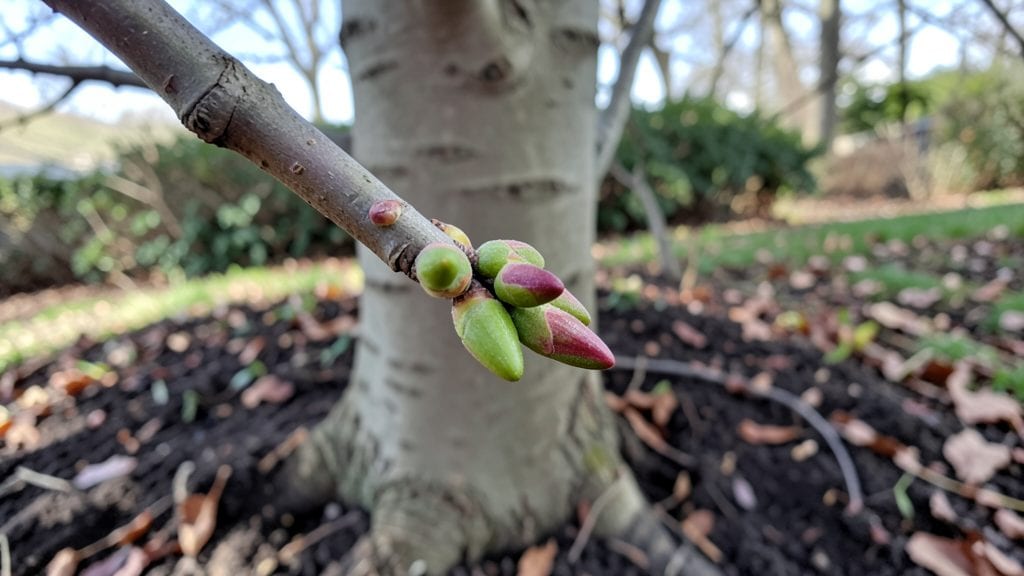
Maple tree spring buds are the first sign life returns to your yard after winter’s long sleep—tiny green promises that will become next year’s vibrant foliage.
I’ve watched them swell from tight clusters into fuzzy catkins, and there’s nothing like the moment they burst open to reveal bright red flowers or the first tender leaves.
These buds hold the key to your tree’s health, so pruning and care at this stage can determine whether your maple thrives or struggles.
The magic happens between late winter and early spring, when days grow longer and temperatures hover around 40°F. In colder zones, wait until the buds swell but haven’t yet opened; in warmer climates, you might spot them as early as February.
Prune too soon, and you risk damaging dormant buds—too late, and you cut off potential growth. The goal is to shape the tree while preserving those energy-packed buds for the season ahead.
When you prune correctly, you’ll see thicker, healthier canopies by summer, with fewer weak branches competing for sunlight. Focus on removing dead wood first, then thin out crowded areas to improve airflow.
Avoid heavy pruning—just light shaping—and always use sharp tools to make clean cuts. The payoff? A tree that not only survives but flourishes, year after year.
This approach works for both young saplings and mature maples, though timing shifts slightly by region. Keep an eye on bud color—green means go, red or brown means wait. With these simple steps, you’ll turn spring’s quietest season into the foundation for your tree’s best growth yet.
📚 In This Guide
- What you need
- Instructions
- Tips and common mistakes
- Wrapping up and next steps
What you need
- ● Pruning shears: Bypass pruners (sharp, 6-8" blades) for clean cuts on small branches.
- ● Loppers: 1 pair (18-24" handles) for thicker branches (1/2"–1.5" diameter).
- ● Pruning saw: 1 handheld saw (8-10" blade) for stubborn, larger branches (1.5"+).
- ● Disinfectant: 70% isopropyl alcohol or a 10% bleach solution (1 part bleach to 9 parts water) to sterilize tools between cuts.
- ● Gloves: Heavy-duty work gloves (cut-resistant if needed) to protect hands.
- ● Safety gear: Safety glasses and long sleeves/pants for protection.
- ○ Extension pole: Optional but helpful (6-10 ft) for high branches.
- ● Pruning sealant: Tree wound dressing (like Tanglefoot) for larger cuts (controversial but useful for some).
- ● Marking twine: To flag branches for removal before cutting.
- ● Bucket: Small one for collecting debris or holding disinfectant.
- ● Ladder: Sturdy, stable ladder (if branches are >10 ft high).
- ● Notebook/pencil: To sketch a pruning plan or note branch sizes.
Step-by-step guide for pruning maple tree spring buds
Spring is the perfect time to shape young maples—here’s how to do it right.
Inspect and Identify Growth Priorities
Start by examining your maple sapling’s structure. Look for water sprouts—those fast-growing, vertical shoots that steal energy from the main branches. These are your first targets. Run your hand along each branch to feel for swollen buds that haven’t yet opened; these are the future leaves and flowers.
Focus on removing dead or crossing branches first. Crossing branches rub against each other, creating wounds that invite disease. If two branches grow toward the same spot, the weaker one should go. Use your thumb to test branch flexibility—if it snaps easily, it’s dead and needs removal.
Prune for Structure and Airflow
Use clean, sharp pruning shears to make cuts just outside the bud collar—the swollen area where the branch meets the trunk. This ensures the wound heals properly. For branches thicker than ¼ inch, use loppers or a pruning saw to avoid tearing the bark.
Shape the tree by removing up to 25% of the foliage in one session. This prevents stress while still encouraging strong growth. Aim to create an open center—this improves airflow and sunlight penetration, which reduces fungal risks like anthracnose, a common maple disease.
Clean Up and Monitor for Recovery
After pruning, sterilize your tools with rubbing alcohol to prevent spreading disease between cuts. Collect fallen branches and dispose of them in a sealed bag—never leave prunings on the ground, as they can harbor pests.
Water the base of the tree deeply to help it recover. Watch for new leaf growth within 2-3 weeks—this is your sign that the tree is healing. If you see yellowing leaves or oozing sap, you may have cut too aggressively. In that case, the tree will compensate, but future pruning should be gentler.
Plan for Long-Term Maintenance
Mark your calendar for late winter (just before buds swell) to prune again. This timing ensures you’re not disturbing the tree’s energy reserves during active growth. For young maples, limit pruning to one session per year—over-pruning weakens the tree’s ability to produce sap and leaves.
Keep an eye on the tree’s growth pattern. If you notice asymmetrical branching or leaning, adjust future cuts to encourage a balanced shape. Maple trees respond well to gradual shaping, so avoid drastic changes—small, strategic cuts yield the best results over time.
Tips & tricks for perfect maple tree spring bud pruning
Here's what nobody tells you about shaping your young maple—these tricks save time and keep your tree thriving.
Tool Sharpness is Non-Negotiable: Dull pruning shears crush branches instead of making clean cuts, which invites disease. Test your tools by cutting a piece of paper—if it tears instead of slices cleanly, sharpen or replace them. I learned this the hard way after seeing a maple develop fungal spots from jagged cuts. For branches thicker than ¼ inch, switch to loppers—they provide the leverage needed for clean cuts without tearing bark.
Bud Collar Precision Matters: When making cuts in Step 2, focus on cutting just outside the bud collar—the swollen area where the branch meets the trunk. This ensures the tree can seal the wound properly. If you cut too close to the collar, you risk exposing the tree to pests and diseases. I always trace the collar with my finger first to visualize where to make the cut—this small step makes a huge difference in healing.
25% Rule for Stress-Free Pruning: The guideline of removing up to 25% of foliage in one session isn't arbitrary—it's based on how much stress a young maple can handle. If you remove more than this, you risk shocking the tree and reducing its ability to produce sap. I've seen maples recover beautifully when following this rule, while over-pruned trees often show signs of stress like yellowing leaves or stunted growth.
Late Winter Timing is Critical: The instruction to prune in late winter (just before buds swell) ensures you're not disturbing the tree's energy reserves during active growth. This timing allows the tree to heal properly before putting energy into new growth. I always mark my calendar for February in colder climates—this gives me a two-week window before buds typically swell in my area.
Pro Tips for Maple Tree Spring Buds
- Here's what nobody tells you about shaping your young maple—these tricks save time and keep your tree thriving.
- Tool Sharpness is Non-Negotiable: Dull pruning shears crush branches instead of making clean cuts, which invites disease.
- Bud Collar Precision Matters: When making cuts in Step 2, focus on cutting just outside the bud collar—the swollen area where the branch meets the trunk.
Frequently asked questions
Got questions about nurturing your maple tree’s spring buds?
You’re not alone! Here are answers to the most common queries—from timing to troubleshooting—to keep your sapling thriving all year.
When is the best time to prune maple tree buds in spring?
Prune maple trees during their dormant season—ideally late winter (before buds swell) or early spring (just as buds break). Avoid pruning when sap is actively flowing (March–April) to prevent disease. For sugar maples, late fall (after leaf drop) is also safe. Pro tip: Check local frost dates to time it right!
Can I prune maple tree buds if they’re already swollen or leafing out?
Yes, but with caution! If buds are swollen or leaves are emerging, prune only to remove dead/diseased branches. Avoid heavy pruning—it stresses the tree and can trigger bleeding (sap oozing). Focus on shaping in dormant seasons instead. Warning: Never prune when sap is flowing (late winter/early spring) for sugar maples.
What if my maple tree’s buds aren’t opening in spring?
Bud dormancy can stem from cold damage, pests (like scale insects), or disease (e.g., verticillium wilt). Inspect branches for shriveled, blackened, or empty buds. If no pests/disease are found, wait—some maples (like silver maples) bloom later. For persistent issues, consult a local arborist. Quick fix: Thin canopy in fall to improve airflow!
Are there alternatives to pruning if my maple tree is young or small?
For saplings (<3 years old), skip heavy pruning—focus on removing only crossing or dead branches. Use sharp, clean tools (sterilized with rubbing alcohol) to prevent disease. Mulch the base (2–4 inches deep) and water deeply during droughts. Young maples recover faster with minimal intervention! Bonus: Hand-picking pests early saves pruning headaches later.
How do I know if I’ve pruned too much from my maple tree?
Over-pruning shows as yellowing leaves, stunted growth, or excessive sap bleeding. Maple trees should never lose more than 10–25% of their canopy in one session. If you’ve trimmed >30%, pause and let the tree recover. For severe cases, fertilize lightly (balanced 10-10-10) and monitor for stress signs. Remember: Patience is key—maples heal slowly!
Wrapping up and next steps
Watching your maple tree spring buds flourish is incredibly rewarding—it’s proof that your care is paying off! 🌱 By mastering the right timing, techniques, and tools, you’ve set your sapling up for vibrant growth, stronger branches, and even better sap yields in the future.
Now that you’re equipped with the know-how, there’s no better time to roll up your sleeves and prune with confidence.
Ready to take the next step? Mark your calendar for early spring (just before bud break) and grab your pruners—your maple tree’s health is in your hands! 🌿