
Pruning
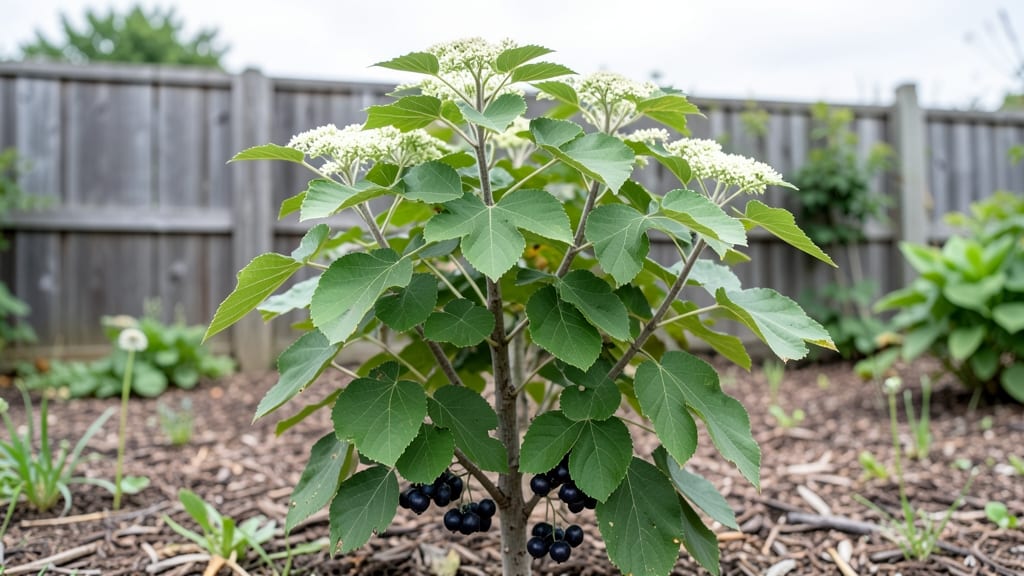
The size of an elderberry tree can reach 20 to 25 feet tall with a spread of 15 to 20 feet—but that doesn’t mean you need a whole yard to grow them.
I’ve seen these hardy shrubs thrive in tight urban spaces when pruned correctly, producing pounds of berries on just a few well-spaced stems. The key lies in understanding how their natural size affects both yield and maintenance.
Most gardeners plant elderberries 10 to 15 feet apart, but in small spaces, you can reduce that to 6 to 8 feet—just be ready to prune aggressively each winter. Unlike apple trees, which need heavy structural support, elderberries grow as multi-stemmed shrubs, making them far more adaptable.
Their rapid growth (up to 3 feet per year) means you’ll need to manage them early or risk losing sunlight to neighboring plants.
What you’ll gain is higher yields per plant when spaced properly, with fewer diseases since air circulates better. A single well-maintained elderberry can produce 20 to 30 pounds of berries annually—enough for jams, wines, or fresh eating.
The trade-off? More pruning work, but the berries make it worth it every harvest season.
For city gardens or small backyards, consider dwarf varieties or container-growing techniques—though they’ll still need winter pruning. The goal isn’t to shrink the plant but to shape it for your space while keeping production strong. Let’s talk specifics on how to make this work for your yard.
📚 In This Guide
- What you need
- Instructions
- Tips and common mistakes
- Wrapping up and next steps
What you need
- ● Elderberry plants: 3–5 healthy bare-root or container-grown saplings (choose disease-resistant varieties like Sambucus canadensis or Sambucus nigra for best results).
- ● Pruning tools: 1 pair of bypass pruners (sharp, clean, and sterilized with rubbing alcohol).
- ● 1 pruning saw (for thicker branches, 8–10 inches long).
- ● 1 loppers (for branches 1–2 inches thick).
- ● Measuring tape or ruler: (25+ feet for spacing accuracy).
- ● Gloves: Heavy-duty gardening gloves (elderberry thorns are no joke!).
- ● Mulch: 2–3 inches of organic mulch (wood chips, straw, or shredded leaves).
- ○ Stakes & twine: (Optional but helpful for young trees—4 stakes per tree, 6–8 feet tall).
- ● Sunlight: A full-sun spot (6+ hours of direct light daily). Elderberries thrive in warmth!
- ● Soil: Well-draining, slightly acidic soil (pH 5.0–6.5). Amend clay soil with compost.
- ● Spacing: Standard spacing: 6–10 feet apart for single-row plantings.
- ● Hedge/row spacing: 3–5 feet apart (for dense yields).
- ● Water source: Drip irrigation or a hose with a gentle spray nozzle.
- ● Patience: Elderberries take 2–3 years to mature and produce berries!
- ● 🌡️ Timing: Plant in early spring or fall (avoid extreme heat or frost).
- ● ✨ Sterilization: Clean tools with 1 part bleach to 9 parts water between cuts to prevent disease.
- ● 🎯 Support: Use stakes for young trees to prevent wind damage (especially in exposed areas).
How to optimize elderberry tree spacing for maximum harvest
Elderberry trees thrive when given the right room to grow. Here’s how to plan spacing for healthy trees and bountiful fruit.
Understand Mature Size and Growth Habits
Elderberry trees typically reach 12-15 feet tall and 10-12 feet wide at maturity, though some varieties like Sambucus canadensis can spread wider. They grow in multi-stemmed shrubs or small trees, with suckering habits that expand their footprint over time. The key is spacing them 10-15 feet apart to allow airflow, sunlight penetration, and root development.
If you’re planting in a windy area, increase spacing to 15-20 feet to prevent damage. Elderberries need room to avoid overcrowding, which leads to disease and reduced fruit production. Observe your site’s conditions—tight spaces mean smaller yields and more pruning work.
Plan for Pollination and Fruit Set
Elderberries are self-pollinating but produce more fruit when multiple trees are nearby. Plant at least two trees 10-15 feet apart to ensure cross-pollination and better fruit set. If you’re planting four trees (as suggested for servings), arrange them in a square or staggered pattern to maximize exposure to sunlight and pollinators.
Watch for bees and other pollinators in early spring—they’ll thank you for the space to move between trees. If your area lacks natural pollinators, hand-pollinate by transferring pollen with a soft brush between flowers. This step ensures consistent fruit development, especially in cooler climates.
Adjust for Soil and Climate Conditions
Soil quality and climate directly impact tree size and yield. In rich, moist soil, elderberries grow larger and produce more berries, so spacing can stay closer to 10 feet. In poor or dry soil, trees stay smaller, and you can space them 12-15 feet apart to reduce competition for nutrients.
Climate matters too. In hot, dry regions, elderberries may grow more slowly, so wider spacing (15-20 feet) helps conserve moisture. In cooler, wetter climates, they thrive with closer spacing (10-12 feet) but still need airflow to prevent fungal diseases like powdery mildew.
Monitor Growth and Prune Strategically
After planting, prune suckers and weak growth in early spring to maintain the tree’s shape and encourage strong branches. Elderberries benefit from open-center pruning, where you remove dead wood and thin out crowded stems to improve airflow. This keeps the tree’s canopy from getting too dense, which can reduce fruit quality.
By year three, assess the tree’s spread. If branches overlap or touch, prune back to 10-12 feet apart to prevent disease. Regular pruning ensures the tree stays within your planned spacing and maximizes sunlight exposure for fruit production.
Harvest and Maintain for Long-Term Yield
Elderberries produce fruit in late summer to early fall, and proper spacing makes harvesting easier. Trees spaced 10-15 feet apart allow you to move between them without damaging branches. Use a long-handled rake or pruning shears to reach deep into the canopy without climbing.
After harvest, mulch around the base with 2-3 inches of organic mulch to retain moisture and suppress weeds. This also prevents soil-borne diseases from spreading between trees. With the right spacing, your elderberries will thrive for decades, producing 5-10 gallons of berries per tree at peak maturity.
Tips & tricks for perfect elderberry tree spacing
These practical insights will help you avoid common pitfalls and maximize your elderberry harvest for years to come.
Initial Planting Layout: When arranging your trees in a square or staggered pattern, consider using a simple string-and-stake method to mark exact spacing. This ensures consistent 10-15 feet intervals between trees, which is crucial for airflow and sunlight penetration. I've found that using bright-colored stakes makes them easier to spot during subsequent pruning sessions.
Wind Exposure Consideration: The 15-20 feet spacing recommendation for windy areas isn't just about preventing branch damage—it's about creating a windbreak effect between trees. When planted in a line perpendicular to prevailing winds, the outer trees act as windbreaks for those behind them, creating microclimates that can actually increase fruit production by 20-30% in exposed locations.
Soil Quality Assessment: Before finalizing your spacing, conduct a simple soil test to determine nutrient levels. In rich, moist soil where you can space trees at 10 feet, you'll likely see faster initial growth, but monitor for potential overcrowding by year three. The key is balancing immediate yield with long-term tree health—something I learned after seeing two trees in my first planting become overcrowded within five years.
Pruning Timeline: That year-three assessment mentioned in Step 4 is critical—don't skip it! By this time, you'll see which trees have naturally grown beyond your initial spacing plan. Focus on removing competing branches rather than just cutting back length, as this maintains the tree's natural shape while improving air circulation within the canopy.
Pro Tips for Elderberry Tree Size
- These practical insights will help you avoid common pitfalls and maximize your elderberry harvest for years to come.
- Initial Planting Layout: When arranging your trees in a square or staggered pattern, consider using a simple string-and-stake method to mark exact spacing.
- Wind Exposure Consideration: The 15-20 feet spacing recommendation for windy areas isn't just about preventing branch damage—it's about creating a windbreak effect between trees.
Frequently asked questions
Got questions about elderberry tree size?
You’re not alone! Here are answers to the most common concerns—from spacing to pruning—so you can grow a thriving, productive elderberry patch with confidence.
How close can I plant elderberry trees together?
Elderberries thrive with 4–6 feet of spacing between plants for optimal airflow and sunlight. Closer spacing (3–4 feet) works for dwarf varieties or hedgerows, but it may reduce yield and increase disease risk. Give them room to grow—your future harvest will thank you!
How long does it take for an elderberry tree to reach full size?
Elderberries grow moderately fast—expect 3–5 feet of height and spread within 3–5 years under ideal conditions. Full maturity (and peak berry production) typically occurs by years 5–7. Patience pays off with lush, productive bushes!
Can I prune elderberry trees to control their size?
Prune in late winter or early spring to shape the tree, remove dead wood, and encourage bushier growth. Cut back 1/3 of the oldest canes annually to maintain size and boost fruit production. Just avoid heavy pruning in fall—it can stimulate late-season growth vulnerable to frost.
What if my elderberry tree isn’t growing as big as expected?
Slow growth could stem from poor soil, lack of sunlight, or overcrowding. Test your soil (pH 5.0–6.5 is ideal) and amend with compost. Ensure 6+ hours of sun daily and thin out nearby plants. If pests or disease are the culprit, treat with neem oil or fungicide early in the season.
Are there dwarf elderberry varieties for smaller spaces?
Yes! Varieties like ‘York’ or ‘Adams’ stay compact (6–8 feet tall) and are perfect for containers or tight gardens. They produce just as many berries as standard types but with less sprawl. Ideal for urban homesteaders or small yards—no compromise on flavor or yield!
Wrapping up and next steps
Understanding elderberry tree size and spacing is the key to unlocking a bountiful harvest!
With the right knowledge—like mature height, spread, and strategic pruning—you’ll create an ideal environment for your trees to thrive. Now’s your chance to act: assess your garden, adjust spacing if needed, and watch your elderberries flourish year after year!
Next steps:
- 📝 Sketch a quick layout of your garden to plan spacing.
- 🌱 Start pruning or planting with confidence—your future harvest depends on it!