Trees
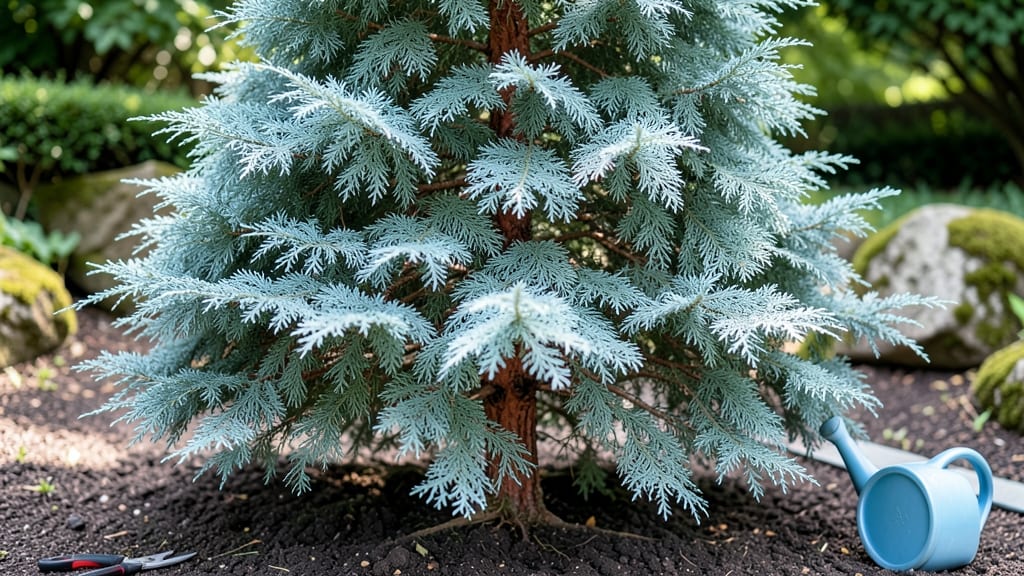
The false cypress trees bring dramatic vertical drama to Pacific Northwest gardens where they thrive like nowhere else. 🌿 I planted mine last spring, and within months, the feathery foliage transformed a dull corner into a lush, year-round focal point—no summer wilting, no winter browning.
These trees aren't just survivors; they're showstoppers with varieties like 'Glauca' offering silvery-blue plumes and 'Filifera' boasting thread-like edges that catch the light.
They love full sun but tolerate partial shade, making them perfect for tight spots where other trees would struggle. The soil? Just don’t drown them—well-draining, slightly acidic mixes work best.
My 3-foot-tall 'Glauca' now gets watered only when the top inch feels dry, and it rewards me with vibrant color even in winter’s chill. The key is patience: these grow slowly but steadily, adding 1-2 feet per year once established.
What you’ll love most is how they age gracefully—no messy pruning required unless you want to shape them. The blue-green needles stay lush all season, and the cones add unexpected texture. My neighbors keep asking what species it is, and I get to say, "This?
Oh, it’s the tree that outlasts everything else in our climate." Perfect for containers too, if you want portable vertical interest.
Whether you’re filling a shady corner, creating a privacy screen, or just adding height to a small yard, false cypress trees deliver year-round structure with almost no fuss. Here’s how to make yours thrive—no matter where you live in the PNW.
📚 In This Guide
- What you need
- Instructions
- Tips and common mistakes
- Wrapping up and next steps
What you need
- ● False Cypress Trees: 1–3 Chamaecyparis lawsoniana (choose varieties like 'Ellwoodii' or 'Glauca' for cold-hardy options).
- ● Planting Hole: 2–3x wider than the root ball, dug to the same depth.
- ○ Well-Draining Soil: Mix 50% native soil with 50% compost or peat moss (optional: add perlite for extra drainage).
- ● Mulch: 2–3 inches of pine bark or wood chips (keep 6 inches away from the trunk).
- ● Watering Can or Hose: With a gentle spray nozzle for hydration.
- ● Shovel & Spade: For digging and aerating soil.
- ● Garden Gloves: To protect hands from sharp roots.
- ● Pruning Shears: Bypass pruners (sharp and clean) for shaping.
- ● Rake: For smoothing soil post-planting.
- ● Measuring Tape: To ensure proper spacing (6–10 feet apart for mature trees).
- ● Slow-release acidic fertilizer (e.g., 10-10-10) for nutrient boosts.
- ● Tree stakes & ties (if planting in windy areas).
- ● Soil pH test kit (ideal pH: 5.0–6.5).
- ● Fungicide (preventative for root rot in wet climates).
How to plant and maintain false cypress trees for stunning vertical drama
These striking evergreens thrive in the Pacific Northwest’s climate—here’s how to make them the star of your vertical garden.
🪴 Step 1: Choose the Perfect Planting Spot
False cypress trees love partial shade to full sun—they’ll tolerate both, but their signature feathery foliage stays lushest with 4-6 hours of morning sunlight. In the Pacific Northwest, a north- or east-facing spot works beautifully, shielding them from harsh afternoon sun while letting them enjoy gentle morning rays. Avoid deep shade, which can lead to sparse growth and leggy branches.
Check your site’s moisture levels before planting. False cypress trees prefer consistently moist, well-draining soil—they hate soggy roots but won’t survive drought. Test by digging a hole: if water pools after 10 minutes, amend the soil with 2-3 inches of organic matter (like compost or peat moss) to improve drainage. The ideal spot should also have 6-8 feet of vertical clearance—these trees grow tall and narrow, making them perfect for vertical gardens or as focal points.
🌱 Step 2: Plant with Care for Long-Term Stability
Dig a hole twice as wide as the root ball but only as deep—planting too deep can suffocate the roots. Gently remove the tree from its container and loosen any circling roots with your fingers. Place it in the hole so the top of the root ball sits 1 inch below the surrounding soil level—this prevents water from pooling around the trunk and causing rot.
Backfill with the native soil you removed, mixing in a handful of slow-release fertilizer (like 10-10-10) to give your tree a nutrient boost. Tamp the soil lightly around the base to eliminate air pockets, then water deeply until moisture reaches 6 inches down. You’ll know it’s right when the soil looks damp but not soggy—false cypress trees despise waterlogged conditions. Mulch with 2-3 inches of wood chips to retain moisture and regulate soil temperature, but keep the mulch 6 inches away from the trunk to prevent rot.
☀️ Step 3: Water and Feed for Year-Round Health
Water once a week during the first growing season, aiming for 1-2 gallons per tree—enough to moisten the soil to 8 inches deep. In the Pacific Northwest’s mild climate, you’ll need less in winter but more during dry spells. Check moisture by sticking your finger 2 inches into the soil: if it feels dry, water again. Overwatering is the biggest mistake—false cypress trees are tough but not swamp-loving.
Fertilize twice a year: once in early spring (as new growth begins) and again in late summer (to prepare for winter). Use a balanced, slow-release fertilizer applied at half the recommended rate—these trees don’t need heavy feeding. If you notice yellowing leaves, it’s a sign of overwatering or nutrient imbalance. Adjust your watering schedule or switch to an iron supplement if the yellowing persists, as false cypress trees are prone to chlorosis in alkaline soils.
✂️ Step 4: Prune for Shape and Airflow
False cypress trees are low-maintenance, but a little pruning keeps them looking their best. The best time to prune is late winter or early spring, before new growth starts. Use clean, sharp pruners to make cuts just above a leaf node—this encourages bushier growth. Remove any dead, diseased, or crossing branches first, then shape the tree by trimming back overgrown sections to maintain its natural, airy form. Never remove more than 25% of the foliage in one session, or you’ll stress the tree.
Watch for brown tips or sparse growth—these are signs of underwatering or poor airflow. If branches look crowded, thin them out to improve circulation. False cypress trees respond well to pruning, so don’t be afraid to shape them into a tapered column or rounded form to fit your vertical garden design. Just avoid heavy pruning in fall, as it can leave the tree vulnerable to winter damage in the Pacific Northwest’s chilly climate.
Tips & tricks for perfect false cypress trees
Transforming your Pacific Northwest garden into a vertical masterpiece with false cypress trees is easier than you think—here are my game-changing secrets!
Lighting Strategy: The 4-6 hours of morning sunlight mentioned in Step 1 is non-negotiable for that signature feathery texture. I've seen trees in full afternoon sun develop brown tips—it's the harsh rays that cause the damage. If your spot gets intense afternoon sun, consider a sheer curtain or lattice structure to filter those rays while maintaining the essential morning light. This is especially important if you're growing them in containers where heat builds up faster.
Drainage Test: That 10-minute water pooling test in Step 1 is your best friend for preventing root rot. I've had to rescue too many trees planted in heavy clay soil that didn't pass this test. Pro tip: If your soil fails, mix in perlite or coarse sand along with the 2-3 inches of organic matter—they create air pockets that improve drainage without changing the soil structure too dramatically. Think of it as giving your tree's roots a breath of fresh air!
Watering Wisdom: The once-weekly watering guideline in Step 3 works perfectly for our region, but here's what I've learned: In summer heatwaves, I water every 5-6 days instead. The key is that 2-inch soil check—if it's dry at that depth, your tree needs water. Also, water deeply each time rather than frequent light waterings. This encourages deep root growth, which makes your false cypress more drought-resistant over time. I've seen trees with deep roots handle our dry summers like champions!
Pruning Payoff: When shaping your tree in Step 4, remember that false cypress trees respond beautifully to gradual shaping. I like to do light pruning every other year rather than heavy annual pruning. The secret is to prune just outside the leaf node where you want new growth to emerge. This technique creates that perfect tapered column shape without shocking the tree. And always sterilize your pruners with rubbing alcohol between cuts—it prevents spreading diseases that can devastate your tree's health.
Pro Tips for False Cypress Trees
- Transforming your Pacific Northwest garden into a vertical masterpiece with false cypress trees is easier than you th...
- Lighting Strategy: The 4-6 hours of morning sunlight mentioned in Step 1 is non-negotiable for that signature feather...
- Drainage Test: That 10-minute water pooling test in Step 1 is your best friend for preventing root rot. I've had to r...
Frequently asked questions
Got questions about growing false cypress trees in your Pacific Northwest garden? You’re not alone—these striking evergreens are beloved but come with unique care needs. Here are answers to the most common queries to help you plant and maintain them with confidence!
Are false cypress trees really cold-hardy for the PNW?
False cypress (Chamaecyparis spp.) thrives in the Pacific Northwest’s USDA Zones 4–8, handling wet winters and cool summers. Varieties like ‘Glauca’ or ‘Lemon Cream’ are especially resilient, while ‘Filifera’ (threadleaf) adds texture. Just ensure they get well-draining soil—they hate soggy roots!
How long does it take for a false cypress to reach maturity?
Patience pays off! Most false cypress trees grow 6–12 inches per year, reaching maturity (full form and height) in 10–15 years. Dwarf varieties like ‘Ellwoodii’ (3–5 ft tall) mature faster (5–7 years), while larger types may take decades. Prune lightly in early spring to encourage bushier growth.
Do false cypress trees need extra watering in the PNW’s rainy climate?
Not usually! Once established, false cypress trees are drought-tolerant and handle the PNW’s rain well. Water deeply once a week for the first year, then reduce to monthly (or during dry spells). Overwatering causes root rot—so amend soil with sand or gravel if your yard stays damp.
What are some low-maintenance alternatives to false cypress?
If you love the look but want easier care, try these PNW-friendly evergreens:
- Port Orford Cedar (Chamaecyparis lawsoniana): Similar texture, slightly faster growth.
- Western Red Cedar (Thuja plicata): Native, fragrant, and thrives in shade.
- Dwarf Alberta Spruce (Picea glauca ‘Conica’): Compact and cold-hardy.
- Hinoki False Cypress (Chamaecyparis obtusa): Glossy foliage, loves humidity.
Why are my false cypress needles turning brown?
Brown needles usually signal one of three issues:
- Overwatering: Check soil moisture—false cypress roots need air!
- Spider mites or bagworms: Spray with neem oil or insecticidal soap.
- Winter burn: Mulch the base and avoid late-season fertilizing.
Wrapping up and next steps
False cypress trees are the Pacific Northwest’s secret weapon for adding drama, texture, and year-round beauty to any landscape—without the fuss of high-maintenance plants. Whether you’re drawn to their Chamaecyparis lawsoniana elegance or their cold-hardy resilience, these vertical giants deliver low-maintenance charm with high-impact results. 🌲✨
Ready to transform your outdoor space? Start by sketching your vision—whether it’s a towering hedge, a striking focal point, or a cozy privacy screen. Then, visit your local nursery to pick the perfect cultivar for your soil, sunlight, and style.
With the right care (and a little patience!), your false cypress will thrive for decades, becoming the showstopper your garden deserves.