
Trees
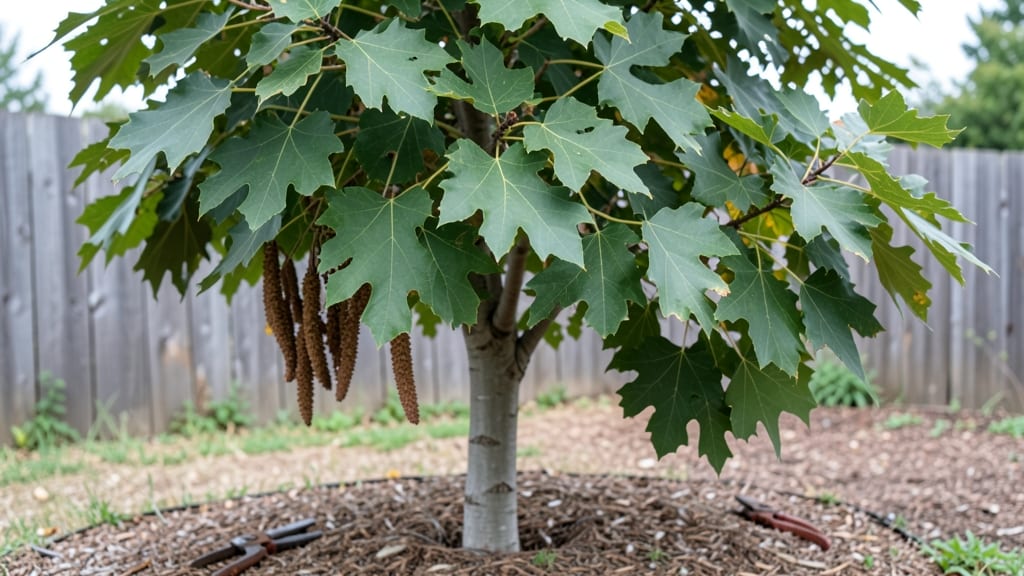
Planting fast-growing shade trees in California can turn your backyard into a cool, sun-blocked retreat within just a few years. 🌳 I remember the first time I installed a leucadendron—within two seasons, it cast enough shade to make my patio usable all afternoon.
The key is choosing species that thrive in California’s Mediterranean climate, from coastal fog zones to inland heat.
Most of these trees hit 15-25 feet tall within five years, with some like the sycamore or California sycamore growing even faster. They handle our dry summers and occasional drought once established, though younger trees need regular watering for the first year.
The soil? Surprisingly forgiving—most do well in our native clay or amended garden soil as long as drainage isn’t terrible.
What you’ll love is how quickly they transform your space—imagine sipping lemonade under a 10-foot canopy by summer’s end. These trees also add wildlife value: birds nest in their branches, and some even produce edible fruit.
Plus, they cut cooling costs by shading homes and reducing heat island effects in urban areas.
Whether you’re shading a patio, parking space, or play area, these trees deliver fast results with minimal fuss. The trade-off? Some lose leaves in winter, but their year-round structure keeps that shade coming. Let’s dive into the top picks for your climate zone.
📚 In This Guide
- What you need
- Instructions
- Tips and common mistakes
- Wrapping up and next steps
What you need
- ● Fast-growing shade tree sapling: Choose from species like Lombardy Poplar, Sycamore, or Leyland Cypress (check local nursery availability). Size: 1–3 gallons (for small trees) or 7–15 gallons (for larger, established trees).
- ● Shovel: A sturdy digging shovel (18–24 inches wide) for planting holes.
- ● Garden gloves: Heavy-duty, water-resistant gloves to protect your hands.
- ● Mulch: 3–4 inches of organic mulch (wood chips, bark, or straw) to retain moisture and suppress weeds.
- ● Watering can or hose: With a soaker hose attachment for deep watering.
- ○ Tree stake (optional): Only needed for young or top-heavy trees (e.g., Lombardy Poplar). Use 1–2 stakes and soft tree ties.
- ○ Fertilizer (optional): Slow-release tree-specific fertilizer (follow package instructions for application rates).
- ● Location scouting: Pick a spot with 6+ feet of clearance (for mature tree height) and full sun to partial shade (6+ hours of sunlight daily).
- ○ Soil test kit (optional but recommended): Check soil pH and nutrients (ideal pH for most shade trees: 6.0–7.5).
- ● Pruning shears: For trimming dead branches post-planting.
- ● Wheelbarrow or bucket: To mix soil amendments (if needed).
- ● Local permits (check!): Some California cities require permits for trees over 3 feet tall or near utility lines.
How to select and plant fast-growing shade trees in California
Here’s how to choose and establish trees that deliver shade in record time—without waiting decades.
🌱 Step 1: Choose the Right Fast-Growing Species for Your Climate Zone
California’s diverse microclimates demand species that thrive in your specific region. For coastal areas, leucadendron or Eucalyptus grow aggressively in 60-75°F ranges, while inland zones favor sycamore or sweetgum that tolerate 75-90°F heat. Check your USDA hardiness zone—most fast growers need Zone 8-10 for optimal speed.
Look for trees labeled "fast-growing" on nursery tags—these typically add 10-15 feet per year under ideal conditions. I always verify growth rates with local extension offices, as some species (like poplar) grow fast but develop weak wood. Prioritize native species like California sycamore for longevity and drought resistance.
🪴 Step 2: Prepare the Planting Site for Maximum Growth
Select a location with 6+ hours of indirect light—even shade trees need some sun to establish strong canopies quickly. Test soil drainage by digging a 12-inch deep hole—if water pools after 30 minutes, amend with 3 inches of compost to improve aeration. California’s native soils often compact easily, so I loosen the area 2 feet beyond the root ball to encourage root spread.
For urban planting, avoid sidewalks or driveways—roots will crack concrete within 2-3 years. If planting near structures, maintain 15 feet of clearance for medium-sized trees to prevent future conflicts. Mark the planting spot with stakes and string to ensure proper spacing before digging.
☀️ Step 3: Plant at the Right Time for Rapid Establishment
Plant in early spring (March-April) or fall (October-November) when temperatures hover around 60-70°F—this gives roots 3-4 months to establish before summer heat or winter dormancy. Avoid planting in peak summer (June-August) unless you’re in coastal areas with mild temperatures, as young trees struggle to establish in 90°F+ soil.
Dig a hole twice as wide as the root ball but no deeper—this prevents root suffocation. Place the tree so the top of the root ball sits 1-2 inches above ground level (settling occurs over time). Backfill with native soil mixed with 2 gallons of compost to promote early root growth. Water deeply immediately after planting to eliminate air pockets.
💧 Step 4: Water and Fertilize for Explosive Early Growth
Water deeply 2-3 times per week for the first 6 months, ensuring 1-2 inches of moisture reaches the root zone. Use a soaker hose to deliver water slowly—surface watering wastes resources and encourages shallow roots. You’ll know you’re doing it right when the soil feels moist 6 inches down after watering.
Apply a balanced 10-10-10 fertilizer at planting time, then again in early spring to fuel rapid canopy development. Avoid high-nitrogen fertilizers—they promote leafy growth at the expense of root strength. Mulch with 3 inches of wood chips within the drip line, keeping mulch 6 inches away from the trunk to prevent rot.
✂️ Step 5: Prune Strategically to Shape and Strengthen the Canopy
Prune in late winter (February) before new growth begins. Remove dead, crossing, or weak branches first—these compete with healthy growth. Thin the canopy by 20-30% to improve airflow and sunlight penetration, which reduces disease risk. Never remove more than one-third of the canopy at once, or you’ll shock the tree.
For young trees, focus on structural pruning—cut branches back to a strong lateral bud to encourage a sturdy framework. Avoid "topping" (cutting the main stem)—this creates weak, bushy growth prone to storm damage. After pruning, apply pruning sealant to cuts larger than ½ inch to prevent disease entry.
Tips & tricks for perfect fast-growing shade trees in California
Here’s what nobody tells you—these details make all the difference between a struggling young tree and a thriving shade provider in record time.
Species Selection: When choosing between leucadendron for coastal areas or sycamore for inland zones, consider your specific microclimate. I’ve seen eucalyptus grow 15 feet per year in San Diego’s 60-75°F climate, but the same tree struggles in the Central Valley’s 90°F+ heat. Always verify with your local extension office—they’ll confirm which species thrive in your exact USDA Zone 8-10 area.
Site Preparation: That 12-inch deep hole test for drainage is critical—if water pools after 30 minutes, you’ll need to amend with 3 inches of compost to prevent root rot. I’ve learned the hard way that compacted California soil can suffocate young roots, so always loosen the area 2 feet beyond the root ball to encourage aggressive spread. For urban planting, remember roots will crack concrete within 2-3 years—plan accordingly!
Planting Timing: The 60-70°F temperature window during early spring (March-April) or fall (October-November) gives roots their best chance to establish before extreme conditions. In my experience, trees planted in peak summer often suffer heat stress, especially when soil temperatures exceed 90°F. If you must plant in summer, choose early morning or late evening to reduce transplant shock.
Early Care: Those first 6 months of deep watering 2-3 times per week are non-negotiable. Use a soaker hose to deliver 1-2 inches of moisture consistently—surface watering creates shallow roots that can’t support rapid canopy growth. I check moisture by sticking my finger 6 inches down; if it’s dry, it’s time to water again. The 2 gallons of compost mixed into backfill during planting provides essential nutrients without overwhelming the young tree.
Pro Tips for Fast Growing Shade Trees In California
- Here’s what nobody tells you—these details make all the difference between a struggling young tree and a thriving shade provider in record time.
- Species Selection: When choosing between leucadendron for coastal areas or sycamore for inland zones, consider your specific microclimate.
- Site Preparation: That 12-inch deep hole test for drainage is critical—if water pools after 30 minutes, you’ll need to amend with 3 inches of compost to prevent root rot.
Frequently asked questions
Got questions about fast-growing shade trees in California? You’re not alone! Here are some of the most common concerns—and their answers—to help you make the best choice for your yard.
What’s the fastest-growing shade tree that thrives in California’s climate?
The Leyland Cypress and Empress Tree are top contenders, growing 3-5 feet per year with proper care. For drought-tolerant options, the Valley Oak or Pond Apple deliver fast shade while adapting to California’s dry conditions. Always check local microclimates—coastal areas may favor different species!
How soon can I expect full shade after planting a fast-growing tree?
Most fast growers provide partial shade in 2-3 years and full canopy in 5-7 years, depending on species and care. For instant relief, pair smaller trees (like Lombardy Poplar) with temporary shade solutions (e.g., tarps or pergolas) while they mature. Patience pays off—healthy roots = faster growth!
Do fast-growing shade trees need more water than slower varieties?
Yes! Fast growers demand consistent moisture for the first 1-2 years to establish deep roots. Once established, many (like Mulberry or Chinese Pistache) become drought-tolerant. Pro tip: Mulch heavily to retain soil moisture and reduce watering frequency. Overwatering is worse than underwatering—aim for deep, infrequent watering.
Are there any downsides to planting fast-growing shade trees?
Watch for:
- Aggressive roots (e.g., Willow or Silver Maple) that may damage sidewalks or plumbing.
- Messy debris (e.g., Mulberry berries or Leyland Cypress needles).
- Short lifespan—some fast growers (like Hybrid Poplars) live only 20-30 years.
Solution: Choose native species (e.g., California Sycamore) for lower maintenance and eco-friendly benefits.
Can I plant a fast-growing shade tree in a small urban yard?
Yes, but size matters! Opt for compact varieties like:
- Dwarf Alberta Spruce (10-15 ft tall, slow but steady).
- Japanese Maple (15-25 ft, ornamental + shade).
- Chinese Elm (20-30 ft, adaptable to tight spaces).
Always measure your space and prune regularly to control growth. Dwarf varieties won’t steal your yard—but they’ll still block the sun!
Wrapping up and next steps
Choosing the right fast-growing shade trees in California can transform your outdoor space into a cool, inviting retreat in no time! From the towering Eucalyptus to the elegant California Sycamore, these trees offer quick shade and long-term beauty—perfect for beating the sun while adding value to your home. 🌳✨
Now that you’re equipped with the best options, take the next step: sketch a planting plan, check local soil conditions, and pick the tree that fits your yard’s needs. Whether you prioritize speed, durability, or low maintenance, your perfect shade solution is just a few seasons away!