
Pruning
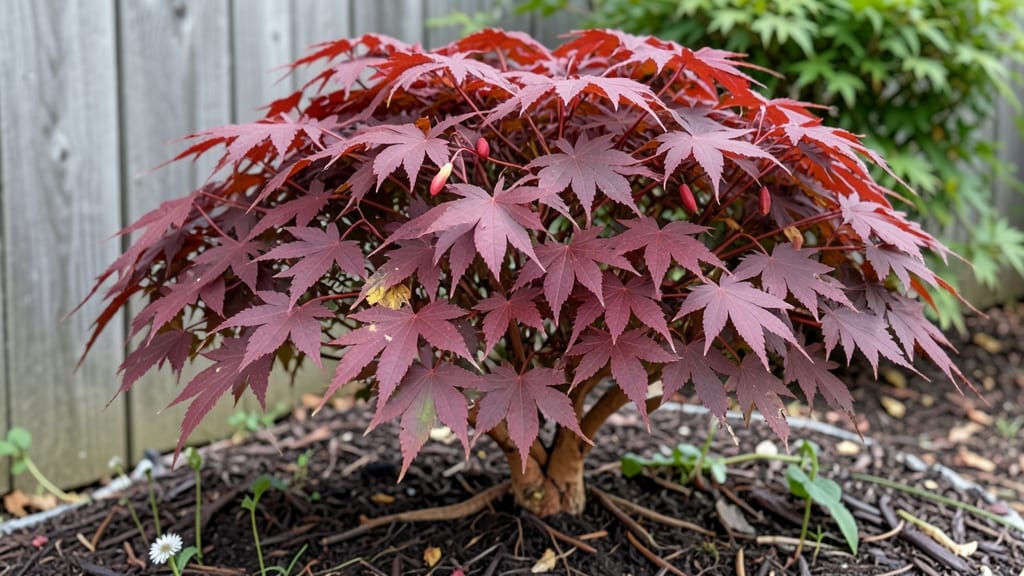
Japanese maple trees blaze in autumn like living torches, their fiery foliage turning neighborhoods into seasonal masterpieces. ✨ I’ve watched mine transform from summer green to deep crimson over just three weeks, and the key to keeping that drama alive is autumn pruning—done right, it protects the tree from winter’s bite while sharpening its shape for next year’s show.
The magic happens in late fall, after the first frost but before hard freezes set in. Grab your pruners and focus on three simple goals: removing dead or crossing branches, thinning the canopy to let light filter through, and lightly shaping the silhouette to highlight its natural elegance.
This isn’t about heavy cuts—think of it as a gentle haircut, not a buzz cut.
What you’ll end up with is a tree that not only survives winter but wakes up stronger in spring, its branches already poised to burst into color again. The foliage stays vibrant longer, the structure stays balanced, and you’ll spend less time wrestling with tangled growth come summer.
It’s the secret to turning a good tree into a showstopper.
Works for both container-grown and in-ground Japanese maples, though smaller varieties benefit most from this approach. Here’s how to do it without overcomplicating things—because the goal is beauty, not botany exams.
📚 In This Guide
- What you need
- Instructions
- Tips and common mistakes
- Wrapping up and next steps
What you need
- ● Pruning shears: Sharp, bypass-style shears (for small branches, 3–5 mm blade opening). Pro tip: Clean blades prevent tearing!
- ● Loppers: For branches ½–2 inches thick (rated for 20–30 lbs of cutting force).
- ● Pruning saw: Curved-tooth saw for branches 2+ inches thick (avoid dull blades!).
- ● Disinfectant: 70% isopropyl alcohol or rubbing alcohol (1 small bottle, 8 oz).
- ● Gloves: Heavy-duty, cut-resistant gloves (e.g., mechanics’ gloves or gardening gloves with Kevlar).
- ○ Pruning sealant: Optional but helpful for large cuts (e.g., Tanglefoot Tree Wound Pruning Seal or Ortho Pruning Seal).
- ● Ladder or step stool: Sturdy, non-slip (extendable ladder if tree is 10+ feet tall).
- ● Heavy-duty trash bags: 30+ gallon capacity (for debris).
- ● Marking twine or flags: Colored twine or orange survey flags to tag branches for removal.
- ● Handheld leaf blower: For quick cleanup (e.g., Black+Decker 20V).
- ● Safety glasses: Protect your eyes from debris (e.g., DeWalt safety goggles).
- ● Tree pruning guidebook: For reference (e.g., The Japanese Maple: A Gardener’s Guide).
- ● Camera: Snap before/after shots of your masterpiece! 📸
How to prune Japanese maple trees for autumn resilience
Here's how I keep my Japanese maples thriving through winter—with cuts that protect against frost while preserving their signature beauty.
🌿 Step 1: Time Your Pruning for Frost Protection
Prune your Japanese maple 4-6 weeks before the first hard frost—typically in late September or early October depending on your climate zone. This timing lets the tree seal wounds before winter while avoiding late-season growth that won't harden off properly. I check my local frost date calendar and mark the deadline on my gardening planner.
Watch for the first yellowing of leaves as a natural cue—this signals the tree is preparing for dormancy. Pruning too early can stimulate new growth that won't survive cold snaps. Too late, and you risk exposing fresh cuts to winter damage. The goal is to finish at least 3 weeks before temperatures drop below 32°F consistently.
✂️ Step 2: Remove Only the Problematic Branches
Focus on three types of cuts: dead/diseased wood, crossing branches, and weak growth. Start by removing any branches that are completely brown, brittle, or showing signs of disease—these won't regenerate properly in autumn. Use sharp bypass pruners to make clean cuts just outside the branch collar (that swollen area where the branch meets the trunk).
Next, address crossing or rubbing branches—these create wounds that invite pests and rot. When two branches grow toward each other, remove the smaller one at its point of origin. For weak, spindly growth, cut back to a strong lateral branch or bud. Japanese maples are sensitive to heavy pruning, so I never remove more than 20-25% of the canopy in one season.
🌱 Step 3: Shape for Wind and Snow Resistance
Autumn pruning should open the canopy to prevent snow accumulation that can break limbs. Step back and visualize how wind and snow will affect the tree. Remove branches that grow straight upward—these collect snow like antennas. Aim for a rounded, vase-like shape that allows snow to slide off naturally.
For upright Japanese maples like Acer palmatum 'Bloodgood', I focus on reducing height by cutting back the longest vertical branches to a strong lateral branch. For weeping varieties, I avoid cutting the lower branches too severely—this preserves their graceful silhouette. Always make cuts at a 45-degree angle just above an outward-facing bud to encourage proper regrowth.
💧 Step 4: Clean Up and Protect the Tree
After pruning, sterilize your tools with rubbing alcohol to prevent spreading disease between cuts. Remove all fallen leaves and debris from the base—this reduces hiding spots for pests and fungal spores. I like to apply a 2-inch layer of mulch (using the shredded bark from my materials list) around the base, keeping it 6 inches away from the trunk to prevent rot.
For extra frost protection, I spray the cuts with pruning sealant (like the one I use) to help wounds heal faster. This is especially important in zones with below 10°F winters. Water the tree deeply one week before pruning to ensure it enters dormancy with adequate moisture reserves. Avoid watering immediately after pruning—fresh cuts need time to callus over before getting wet.
Tips & tricks for pruning Japanese maple trees in autumn
Mastering autumn pruning transforms your Japanese maple from vulnerable to resilient—here's how to avoid common pitfalls and get it right the first time.
The Frost Timing Secret: When instructions say to prune 4-6 weeks before hard frost, I mark my calendar with the exact date from my local frost forecast. For me, that's always mid-September in Zone 6, but check your zone—pruning too late risks exposing fresh cuts to winter damage. I also watch for leaf color changes as a natural backup cue.
Branch Selection Technique: In Step 2, when removing crossing branches, I always cut the smaller one at its point of origin. This maintains the tree's natural shape while preventing those ugly open wounds. For weak growth, I look for outward-facing buds—cutting just above them ensures new growth continues in the right direction. Remember, Japanese maples hate heavy pruning—stick to that 20-25% canopy rule.
Snow Load Strategy: The goal in Step 3 is creating a tree that sheds snow naturally. I visualize how snow would accumulate on my tree—any upward-growing branches become candidates for removal. For weeping varieties, I preserve the lower branches to maintain their elegant drape while still opening the canopy above. That 45-degree angle cut above outward buds is crucial for proper regrowth.
Post-Pruning Protection: After cleaning up, I always apply that 2-inch mulch layer—it's not just decoration. The mulch insulates roots and helps retain moisture while keeping the trunk dry. For extra protection in cold zones (below 10°F), I seal cuts with pruning sealant, especially on larger branches. This simple step can mean the difference between a healthy tree and winter damage.
Pro Tips for Japanese Maple Tree In Autumn
- Mastering autumn pruning transforms your Japanese maple from vulnerable to resilient—here's how to avoid common pitfalls and get it right the first time.
- The Frost Timing Secret: When instructions say to prune 4-6 weeks before hard frost, I mark my calendar with the exact date from my local frost forecast.
- Branch Selection Technique: In Step 2, when removing crossing branches, I always cut the smaller one at its point of origin.
Frequently asked questions
Got questions about pruning your Japanese maple tree in autumn? You’re not alone! Here are answers to the most common concerns—from timing to techniques—so you can keep your tree thriving and stunning through the seasons.
When is the best time to prune a Japanese maple in autumn?
Prune your Japanese maple after the first hard frost (typically late October to November) but before winter dormancy sets in. This timing helps prevent disease spread and allows wounds to heal before cold snaps. Avoid heavy pruning in early autumn, as new growth may not harden off before frost.
Can I prune a Japanese maple in autumn if it’s already lost leaves?
Yes! Pruning a leafless Japanese maple is actually easier—you can see the tree’s structure clearly. Focus on removing dead, crossing, or weak branches. Just avoid over-pruning, as these trees are sensitive to stress. A light trim (no more than 25% of the canopy) is ideal.
Will pruning in autumn harm my Japanese maple’s frost resistance?
Pruning correctly won’t hurt frost resistance—if you follow the rules. Avoid heavy cuts that expose large wounds, and prune only when temperatures are above freezing. Japanese maples are hardy, but stress from aggressive pruning can make them more vulnerable to winter damage. Think of it as a light grooming session!
Are there alternatives to autumn pruning for Japanese maples?
Yes! You can prune lightly in late winter or early spring (just before buds swell) to shape the tree. However, autumn is the best time for major structural work. If you miss autumn, avoid pruning in summer, as heat stress can weaken the tree. Spring pruning is a close second but may encourage excessive growth before the tree hardens off.
What should I do if my Japanese maple’s branches look dead after pruning?
Check for dry, brittle branches—these are likely dead and should be removed. If you’re unsure, scratch the bark: green underneath means it’s alive; brown means it’s dead. Sterilize your tools between cuts to prevent disease. If many branches die, it could signal root issues or environmental stress—consider adjusting watering or soil conditions.
Wrapping up and next steps
The Japanese maple tree in autumn is a breathtaking sight, and with the right pruning techniques, you can enhance its natural beauty while ensuring frost resistance. By following strategic cuts—like removing dead branches, thinning for airflow, and shaping for balance—you’ll keep your tree thriving for seasons to come. 🌿✨
Ready to give your tree the care it deserves? Grab your tools, pick a crisp autumn day, and get pruning! Your future self (and your stunning maple) will thank you. Start small, stay consistent, and watch your tree shine brighter each fall.