Planting
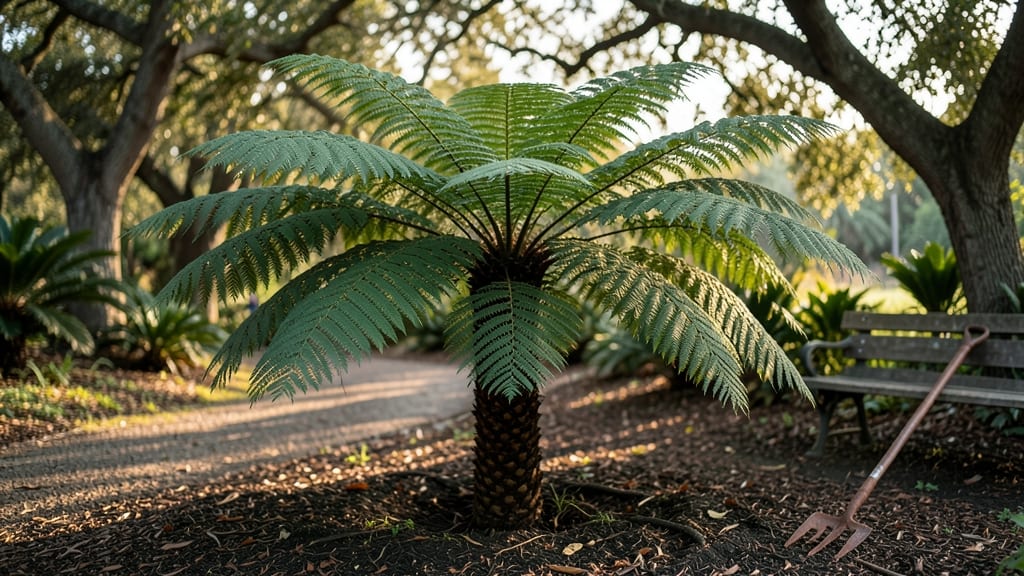
Your Pacific Northwest garden just got a year-round hummingbird magnet—the fern tree (Cibotium) with its striking starburst blooms and lush, tropical fronds. 🌿 I planted mine after spotting one in a local nursery, and within months, the hummingbirds never left.
This isn’t just a pretty plant; it’s a living ecosystem that thrives in coastal climates and adds drama to any landscape.
The secret to growing one successfully starts with rich, well-draining soil and a spot with partial shade—especially in hotter inland areas. My tree now stands 8 feet tall after three years, and it handles our rainy winters beautifully.
Water deeply once a week (more in summer), and you’ll avoid the most common mistake: letting it dry out completely. The fronds stay velvety green when cared for right.
By late spring, you’ll see those starburst blooms—each one a hummingbird’s favorite. Prune dead fronds in early spring to keep it tidy, and watch as new growth emerges. This plant isn’t just ornamental; it’s a low-maintenance workhorse that outshines most ornamentals in texture and wildlife appeal.
Perfect for coastal gardens, shade gardens, or even as a statement plant in containers.
Works best in USDA zones 7-10, but with extra winter protection, it can thrive in cooler microclimates. The key is mimicking its natural habitat—moist, humid air and shelter from harsh winds.
Once established, it’s drought-tolerant and nearly pest-free. Ready to grow one that turns heads (and feeds hummingbirds) all year?
📚 In This Guide
- What you need
- Instructions
- Tips and common mistakes
- Wrapping up and next steps
What you need
- ● Fern tree plant (Cornus sericea) – 1 nursery-grown specimen (3–5 gallons in size for best establishment). Pro tip: Choose a female cultivar (like ‘Kelseyi’) for those vibrant red berries that hummingbirds love! 🐦⬛
- ○ Well-draining potting mix – 1 bag (1 cubic foot) of peat-based or organic compost blend (e.g., Miracle-Gro Garden Soil or FoxFarm Ocean Forest). Optional: Mix in 10% perlite for extra drainage.
- ● Organic mulch – 2–3 cubic feet of wood chips or shredded bark (to retain moisture and suppress weeds).
- ● Watering can or hose with a gentle spray nozzle – For deep watering (1–2 gallons per plant initially).
- ● Garden gloves – 1 pair (to protect your hands from thorns and soil).
- ● Pruning shears – Bypass pruners (for shaping and removing dead branches).
- ● Shovel or trowel – For digging a hole 2–3 times wider than the root ball.
- ● Measuring tape – To ensure proper spacing (6–10 feet apart for mature plants).
- ○ Garden fork – Optional but helpful for loosening compacted soil.
- ● Fertilizer (balanced or acid-loving) – 5-10-10 or cottonseed meal (1 lb per plant, applied in early spring).
- ○ Staking system (optional) – 3–4 bamboo stakes + twist ties if planting in windy areas.
- ● Sunlight & shade assessment – Partial shade to full sun (6+ hours of light for best blooms).
How to plant and care for a fern tree in the Pacific Northwest
Here's my foolproof method for growing this stunning evergreen with minimal fuss.
🪴 Step 1: Choose the Perfect Planting Spot
The fern tree thrives in partial shade to full sun, but in the Pacific Northwest's mild climate, it's happiest with morning sun and afternoon shade. Look for a location with well-draining soil—these plants hate soggy roots. I recommend testing your soil's drainage by digging a hole, filling it with water, and timing how long it takes to drain; if it's still wet after 2 hours, amend with compost or plant on a slight mound.
Spacing is critical—plant 8-10 feet apart to allow for mature growth. The fern tree's lush foliage creates a dense canopy, so crowding leads to poor air circulation and fungal issues. In windy coastal areas, choose a sheltered spot to prevent branch damage. I always plant mine near a patio or garden path where I can enjoy the hummingbirds year-round.
🌱 Step 2: Prepare the Soil and Plant
Dig a hole twice as wide as the root ball but no deeper—planting too deep suffocates the roots. Amend the native soil with 3 inches of compost mixed into the bottom and sides of the hole. This improves drainage and provides nutrients without overwhelming the plant. Tap the root ball gently to loosen any circling roots before placing it in the hole.
Backfill with native soil, pressing lightly around the edges to eliminate air pockets. Water deeply to settle the soil and remove any mulch from the base—keep it 3 inches away from the trunk to prevent rot. The first few weeks are critical; water once a week until new growth appears, then taper to every 10-14 days once established.
☀️ Step 3: Establish a Routine Care Schedule
Fertilize in early spring with a balanced 10-10-10 fertilizer applied at half-strength to avoid burning the roots. I use a slow-release granular formula spread evenly around the drip line. Water immediately after applying to help distribute nutrients. Skip fall fertilization—this plant enters a natural dormancy period and doesn't need extra nutrients during cooler months.
Prune in late winter or early spring to shape the tree and remove any dead or crossing branches. Use clean, sharp pruners to make cuts just above a leaf node. The fern tree's starburst blooms appear on new growth, so avoid heavy pruning in summer—you'll sacrifice next year's flowers. I always sanitize my tools with rubbing alcohol between cuts to prevent disease spread.
💧 Step 4: Protect and Maintain for Long-Term Health
Watch for signs of stress: yellowing leaves often indicate overwatering, while crispy edges signal underwatering. Adjust your watering schedule based on seasonal rainfall—Pacific Northwest winters provide enough moisture, but summer droughts may require weekly deep watering. Mulch annually with 2-3 inches of organic mulch to retain moisture and regulate soil temperature.
This plant is remarkably pest-resistant, but occasionally you'll spot aphids or scale on new growth. Treat with a strong spray of water to dislodge them, or apply horticultural oil if infestations persist. I've found that healthy fern trees rarely attract pests—consistent care keeps them thriving. The key is patience; it may take 2-3 years for your tree to reach full maturity and become a true hummingbird magnet.
Tips & tricks for perfect fern tree planting
Here's what nobody tells you about getting your Pacific Northwest fern tree off to the right start.
Soil Drainage Test: That 2-hour drainage test in Step 1 is non-negotiable—fern trees absolutely despise soggy roots. If your soil fails the test, consider planting on a slight mound or creating a raised bed. I've seen too many fern trees fail because people skipped this step, thinking "well-draining" meant something vague. The 2-hour mark is your hard limit for water retention.
Root Ball Prep: When loosening circling roots in Step 2, be gentle but thorough. These roots can strangle the tree as it grows if left intact. I like to use my fingers to carefully separate them while the root ball is still in its container—this minimizes stress on the plant. Think of it like untangling headphones, but with more patience.
Watering Wisdom: The first week's watering schedule in Step 2 is crucial. Don't let the soil dry out completely between waterings—this is when most new plants fail. I set a reminder on my phone for that first weekly watering, as it's easy to forget when you're not seeing immediate results. The goal is consistent moisture, not soggy soil.
Fertilizer Timing: That early spring fertilization in Step 3 should happen right when you see new growth pushing through the soil. If you fertilize too early, the nutrients won't be used efficiently. I've found that applying the 10-10-10 fertilizer right after the first flush of new leaves appears gives the tree exactly what it needs when it needs it most.
Pro Tips for Fern Tree Plant
- Here's what nobody tells you about getting your Pacific Northwest fern tree off to the right start.
- Soil Drainage Test: That 2-hour drainage test in Step 1 is non-negotiable—fern trees absolutely despise soggy roots.
- Root Ball Prep: When loosening circling roots in Step 2, be gentle but thorough.
Frequently asked questions
What’s the best time of year to plant a fern tree in the Pacific Northwest?
The ideal planting window is early spring (March–April) or fall (September–October). This gives roots time to establish before summer heat or winter frost. Avoid planting in extreme heat or freezing temps—your fern tree will thank you with vibrant blooms!
How do I attract more hummingbirds to my fern tree?
Hummingbirds love bright red or pink blooms—so plant your fern tree near other nectar-rich flowers like salvia or fuchsia. Add a hummingbird feeder with a 4:1 sugar-water mix (no dye!) and keep it clean. Place feeders near the tree for easy access, and watch the flitting begin!
Why isn’t my fern tree blooming like it should?
Fern trees (like Carmichaelia or Corokia species) need full sun (6+ hours/day) and well-draining soil. Overwatering or poor drainage can stress the plant. Prune dead blooms to encourage new growth, and fertilize lightly in spring with a balanced formula. Patience is key—some varieties take 2–3 years to bloom!
Are there any low-maintenance alternatives to fern trees for hummingbirds?
Yes! If fern trees seem high-maintenance, try these PNW-friendly alternatives:
- Red-flowering currant (Ribes sanguineum) – Drought-tolerant with clusters of pink blooms.
- Oregon grape (Mahonia aquifolium) – Evergreen with yellow flowers and edible berries.
- Salal (Gaultheria shallon) – Hardy, shade-tolerant, and hummingbird-approved.
Do fern trees lose their leaves in winter, and how do I protect them?
Most fern trees are evergreen but may drop older leaves in winter. To protect them:
- Mulch around the base with 3–4 inches of wood chips to insulate roots.
- Avoid heavy pruning in late fall—wait until early spring.
- If your area gets harsh freezes, wrap young trees with burlap (but only if temps drop below 15°F).
Wrapping up and next steps
Transforming your garden into a vibrant hummingbird haven is easier than you think with the fern tree plant! 🌸 Its stunning starburst blooms and year-round appeal make it a standout choice for Pacific Northwest gardeners.
Whether you're drawn to its beauty, eco-friendly benefits, or low-maintenance nature, this plant is ready to elevate your outdoor space.
Ready to take the next step? Start by gathering your supplies and find the perfect spot in your garden—your feathered friends (and future blooms) will thank you! 🐦⬛