
Pruning
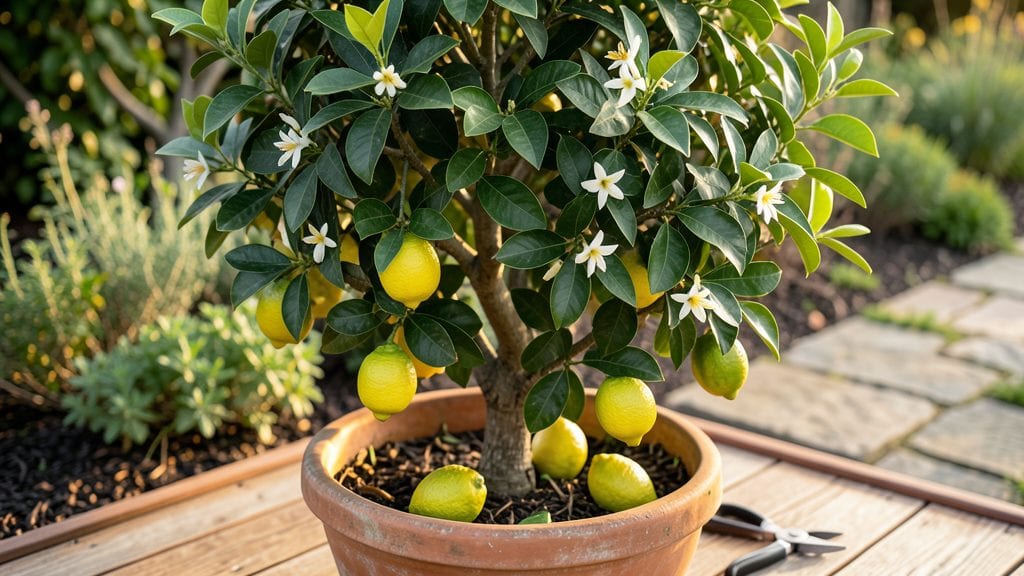
Growing a frost-tolerant lemon tree in the Pacific Northwest isn’t just possible—it’s a game-changer for citrus lovers who refuse to give up on fresh lemons. 🌿 I’ve watched my Meyer lemon tree thrive through winters with temperatures dipping into the mid-20s, producing fruit even when neighbors’ plants succumb to frost.
The secret lies in choosing the right variety and giving it the right winter care.
You’ll need a Meyer lemon or Improved Meyer—these cold-hardy varieties handle 15-20°F without major damage when properly protected. Plant in well-draining soil, either in a container you can move indoors or in-ground where it gets full sun (at least 6-8 hours daily).
The key to winter survival is mulching heavily (4-6 inches of straw or wood chips) and watering deeply before the ground freezes to protect roots.
With the right pruning—cutting back dead wood in early spring and shaping for airflow—your tree will rebound stronger each year. By late summer, you’ll be harvesting bright, fragrant lemons that taste sweeter than anything store-bought.
The best part? You’ll avoid the heartbreak of watching citrus plants die in winter, no matter how hard frost hits.
This method works for zones 7-9, though container-grown trees can stretch into colder zones with extra winter care. Whether you’re a PNW gardener or just love citrus, this approach turns frost from a threat into just another season of growth.
Let’s get your tree through winter—and into fruit production—like a pro.
📚 In This Guide
- What you need
- Instructions
- Tips and common mistakes
- Wrapping up and next steps
What you need
- ● Frost-tolerant lemon tree variety: Choose a cold-hardy type like Citrus × meyeri (Meyer lemon) or Citrus × limon ‘Improved Meyer’ (hardy to 15–20°F).
- ● 5-gallon or larger container: Ensure it has drainage holes (e.g., fabric grow bags or terracotta pots with a saucer).
- ● Well-draining potting mix: 60% cactus/succulent mix, 30% perlite/pumice, and 10% compost.
- ● Slow-release citrus fertilizer: Look for a 16-4-8 or 10-10-10 NPK ratio (e.g., Espoma Citrus-Tone).
- ○ Mulch (optional but helpful): Pine bark fines or straw (2–3 inches) to insulate roots in winter.
- ● Pruning shears: Bypass pruners (sharp, sterilized) for clean cuts.
- ● Trowel or spade: For repotting or soil adjustments.
- ● Watering can or hose with nozzle: Avoid overhead watering to prevent fungal issues.
- ○ Thermometer (optional): A soil or air thermometer to monitor frost risks (below 28°F triggers protective measures).
- ● Frost cloth or bubble wrap: For winter protection (cover when temps dip below 25°F).
- ● A sunny spot with at least 6–8 hours of light daily (south-facing windows or greenhouse if indoor).
- ● Indoor heating (if growing inside): Maintain temps above 50°F year-round.
- ○ Drip irrigation system (optional): For consistent moisture without overwatering.
Step-by-step guide for growing a hardy citrus tree in cold climates
Cold-hardy citrus thrives with the right care—here’s how to nurture it through Pacific Northwest winters.
🌱 Step 1: Select the Right Variety and Planting Site
Choose a dwarf Meyer lemon or Improved Meyer lemon—these cold-tolerant varieties handle brief dips to 20°F with proper protection. Plant in a south-facing spot where it receives at least 6 hours of direct sunlight daily, even in winter. The tree’s location should be sheltered from prevailing winds, which can desiccate leaves and damage branches.
If growing in a container, use a 15-gallon pot with drainage holes—this gives you mobility to move the tree indoors or under cover during cold snaps. The container should be large enough to support root growth but not so big that it retains excessive moisture, which can rot roots in winter.
🪴 Step 2: Prepare Soil and Plant with Winter Resilience in Mind
Amend the soil with well-draining potting mix (never garden soil, which compacts and holds too much moisture). For in-ground planting, mix in compost and coarse sand to improve drainage—citrus hates soggy roots. The planting hole should be twice as wide as the root ball but only as deep, ensuring the graft union sits 1-2 inches above soil level to prevent rot.
Mulch heavily with 3-4 inches of organic mulch (like bark or straw) around the base, but keep it 6 inches away from the trunk to prevent moisture buildup. This mulch layer acts as insulation, protecting roots from temperature swings. Water deeply after planting to settle the soil, but avoid overwatering—citrus trees prefer slightly dry conditions in winter.
☀️ Step 3: Protect from Frost with Strategic Covering
When temperatures drop below 32°F, move potted trees to an unheated garage, shed, or indoor space near a bright window. If left outdoors, wrap the container (and tree) in burlap or frost cloth, securing it tightly to trap warmth. For in-ground trees, drape frost cloth or bubble wrap over the canopy, anchoring it with stakes or bricks to prevent wind damage.
Here’s the thing—don’t use plastic sheeting. It traps too much moisture and can burn leaves in sunlight. Instead, opt for breathable materials that allow airflow while blocking cold air. Check the covering daily to ensure it hasn’t shifted or torn, exposing the tree to frost.
✂️ Step 4: Prune and Fertilize for Cold-Weather Survival
Prune in late winter or early spring (after the last frost) to remove dead, diseased, or crossing branches. Avoid heavy pruning in fall, as new growth won’t harden off before winter. Thin the canopy slightly to improve air circulation, which reduces humidity-related fungal issues like root rot.
Reduce fertilization in late summer and fall—citrus trees go semi-dormant in cooler months, and excess nitrogen encourages tender growth that’s vulnerable to frost. Switch to a balanced, slow-release fertilizer in early spring to support new growth. Water deeply but infrequently in winter, only when the top 2 inches of soil feel dry—overwatering stresses roots and makes them more susceptible to cold damage.
⏰ Step 5: Monitor and Adjust Through the Seasons
Watch for leaf drop or brown spots—these are early signs of cold stress. If leaves yellow or curl, the tree may need more sunlight or protection. In late winter, inspect branches for frost cracks (vertical splits) and seal them with pruning sealant to prevent disease entry.
As spring approaches, gradually reintroduce the tree to outdoor conditions by hardening it off over 7-10 days. Move it outside for a few hours daily, increasing exposure until it’s fully acclimated. This prevents shock and ensures a smooth transition to warmer weather.
Tips & tricks for perfect frost-tolerant lemon trees
Here's what nobody tells you about keeping your citrus thriving in cold climates.
Variety Matters: While dwarf Meyer and Improved Meyer lemons handle brief dips to 20°F, their resilience depends on proper care. These varieties are your best bet for Pacific Northwest winters, but remember—even they need protection below 25°F. I've seen firsthand how a well-protected tree can survive temperatures that would kill standard citrus varieties. The key is combining the right variety with the right winter prep.
Sunlight Strategy: That mandatory 6 hours of daily sunlight in winter is non-negotiable, but here's the trick: in cloudy PNW winters, supplement with a grow light if needed. Position it 12-18 inches above the tree for 4-6 hours daily. I use a simple LED grow bulb on a timer—it's made the difference between a struggling tree and one that thrives even in gray days.
Container Mobility: If you're using that 15-gallon pot, make it work for you. The mobility is your secret weapon—move it indoors at the first sign of frost (below 32°F). I keep mine near a south-facing window in my garage during winter, which gives it the light it needs without the risk of cold damage. The 15-gallon size is perfect because it's large enough for root growth but small enough to move easily.
Mulch Like a Pro: That 3-4 inches of organic mulch isn't just decoration—it's insulation. But here's what I learned the hard way: pack it firmly around the roots but keep it 6 inches away from the trunk to prevent rot. I've seen trees with mulch piled against the trunk develop fungal issues. Also, consider adding a layer of straw on top of your regular mulch—it adds extra insulation without compacting like bark or wood chips can.
Pro Tips for Frost Tolerant Lemon Tree
- Here's what nobody tells you about keeping your citrus thriving in cold climates.
- Variety Matters: While dwarf Meyer and Improved Meyer lemons handle brief dips to 20°F, their resilience depends on proper care.
- Sunlight Strategy: That mandatory 6 hours of daily sunlight in winter is non-negotiable, but here's the trick: in cloudy PNW winters, supplement with a grow light if needed.
Frequently asked questions
Got questions about growing frost-tolerant lemon trees in the Pacific Northwest?
Here are answers to the most common ones—so you can enjoy homegrown lemons year-round without the stress!
Can frost-tolerant lemon trees survive hard freezes?
Most frost-tolerant varieties (like Meyer or Ponderosa lemons) can handle brief dips to 15–20°F, but prolonged hard freezes (<10°F) may damage leaves or fruit. Protect young trees with burlap wraps or move potted trees indoors during extreme cold snaps. Mulching heavily around the base also helps insulate roots.
How long does it take for a frost-tolerant lemon tree to bear fruit?
With proper care, expect 3–5 years for dwarf varieties and 5–7 years for standard-sized trees to produce lemons. Patience pays off—frost-tolerant trees mature slower than tropical varieties but reward you with hardier fruit. Pro tip: Use citrus-specific fertilizer in early spring to boost flowering!
Can I grow a frost-tolerant lemon tree in a container?
Containers are ideal for PNW climates—just choose a 15–25 gallon pot with drainage holes. Use a well-draining mix (like 60% potting soil + 40% perlite) and move the pot indoors (garage, sunroom) when temps drop below 25°F. Bonus: Dwarf varieties thrive in containers and are easier to protect!
Why aren’t my frost-tolerant lemons ripening?
Lemons need full sun (6–8 hours/day) and consistent warmth to ripen. If fruit stays green, check for:
- Cold stress (leaves curling? Move to shelter).
- Insufficient light (supplement with grow lights in winter).
- Overwatering (let soil dry slightly between waterings).
What’s the best alternative if lemons don’t thrive in my climate?
If frost-tolerant lemons struggle, try these PNW-friendly citrus cousins:
Variety
Cold Tolerance
Fruit Type
Yuzu
10–15°F
Tart, aromatic (used in desserts/sauces)
Kumquat
15–20°F
Sweet-tart, edible peel
Calamondin
25°F
Mini oranges, great for cocktails