
Pruning
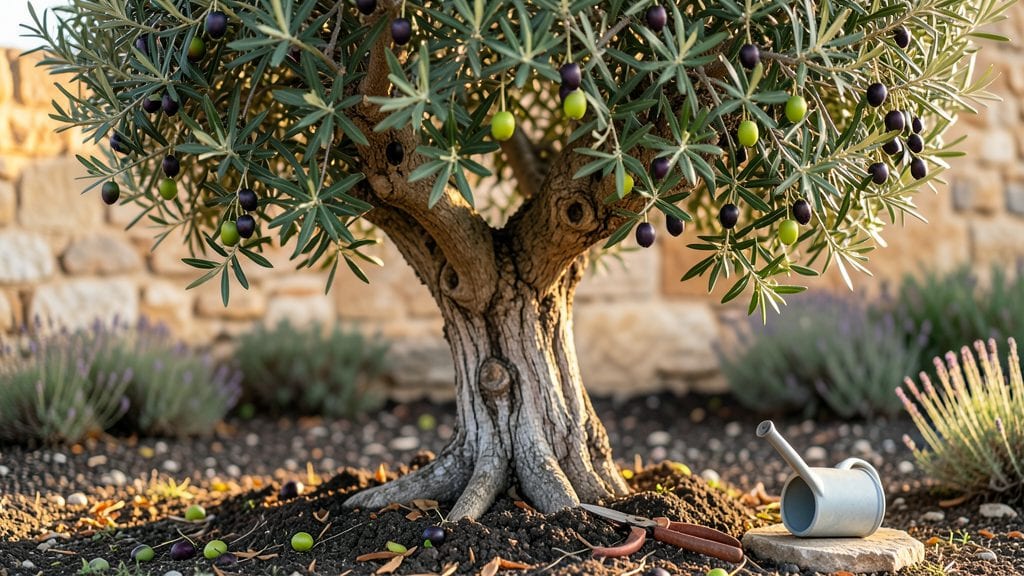
Growing a fruiting olive tree in the Pacific Northwest isn't just possible—it's a game-changer for home orchards. 🌱 I've watched my own tree thrive through winters that would freeze most Mediterranean varieties, and the secret lies in choosing the right variety and giving it the care it needs to push through the cold.
The key starts with soil that drains like a dream—olives hate soggy roots—and a spot where it bakes in summer sun but gets some afternoon shade in the hottest months.
My tree's in a south-facing corner where it soaks up heat, and I've seen the difference in fruit set compared to shadier spots. Once established, these trees are shockingly tough, handling temperatures down to 10°F with the right protection.
By late summer, you'll be harvesting small, glossy olives that ripen to deep purple—perfect for curing or eating fresh. The first harvest might be modest, but each year the tree rewards patience with heavier crops.
Pruning in late winter opens the canopy to sunlight, and a little strategic thinning of fruit ensures bigger, more flavorful olives.
Even in rainy climates, olives adapt—just avoid overwatering once roots are established. The real magic happens when you combine cold-hardy varieties with smart care, turning what seems like an impossible dream into a reliable harvest. Ready to grow your own?"
📚 In This Guide
- What you need
- Instructions
- Tips and common mistakes
- Wrapping up and next steps
What you need
- ● Olive tree varieties: Choose cold-hardy cultivars like 'Arbequina', 'Frantoio', or 'Kalamata' (ensure they’re labeled for zones 7-9). 💡 Pro tip: Buy from a reputable nursery to avoid graft failures!
- ● Pruning tools: 1 bypass pruners (sharp, 7-9" blades for clean cuts)
- ● 1 felco pruner (for thicker branches, 16-20" handles)
- ● 1 pruning saw (7-10" curved blade for large limbs)
- ● Safety gear: 1 pair cut-resistant gloves (gardening-grade, size medium/large)
- ● 1 pruning shears cover (to protect hands from sap)
- ● Cleaning supplies: 70% isopropyl alcohol (1 small bottle for tool sterilization)
- ● Rubbing alcohol wipes (for quick disinfection)
- ● Sealing agent: 1 pruning sealant (e.g., Tanglefoot Tree Wound Pruning Sealer, 8 oz jar)
- ● 1 ladder (12-16 ft extendable for mature trees)
- ● 1 tree bag (for collecting pruned branches)
- ● 1 mulch (3-4 inches of wood chips or straw for moisture retention)
- ● 1 drip irrigation kit (for consistent watering, especially in PNW’s dry summers)
- ● 1 soil test kit (to check pH—olives prefer 6.0-8.0)
- ● A sunny location with at least 6-8 hours of direct sunlight daily.
- ● Well-draining sandy loam soil (amend clay soil with compost or grit).
- ● Protection from strong winds (use a windbreak or plant near a fence).
- ● Patience! Olive trees take 3-5 years to bear fruit in cooler climates.
How to cultivate a cold-hardy fruiting olive tree in the Pacific Northwest
Here's the method I've perfected for thriving olives in cooler climates—where chilly winters and damp springs usually spell trouble.
🌱 Step 1: Select the Right Variety and Planting Site
Choose a cold-hardy olive cultivar like 'Arbequina' or 'Frantoio'—these tolerate brief dips to 15°F without damage. The Pacific Northwest's maritime climate demands full sun exposure (at least 8 hours daily) and well-draining soil to prevent root rot. I always test soil drainage by digging a 12-inch deep hole and filling it with water—if it drains completely within 2 hours, the site is safe.
Site selection is critical: Avoid low spots where cold air pools. A south-facing slope with afternoon sun protection (like a nearby fence or building) works best. If your yard has heavy clay soil, amend it with 3-4 inches of compost mixed into the top 12 inches—this improves aeration without smothering roots.
☀️ Step 2: Plant at the Correct Time and Depth
Plant bare-root trees in early spring (March-April) when soil temperatures reach 50°F. This gives roots time to establish before summer heat arrives. Dig a hole twice as wide as the root ball but no deeper—olives hate having their trunks buried too deeply, which causes girdling.
Loosen the roots gently if they're circling and position the tree so the graft union (visible bump near the base) sits 2-3 inches above soil level. Backfill with native soil mixed with 1 part compost, tamp lightly, and water deeply to eliminate air pockets. A 4-inch layer of mulch (wood chips or straw) retains moisture but keep it 6 inches away from the trunk to prevent rot.
💧 Step 3: Water Strategically and Fertilize Sparingly
Olives are drought-tolerant once established, but young trees need deep, infrequent watering. Water once weekly during the first growing season, delivering 10-15 gallons per tree to encourage deep root growth. You'll know it's working when the soil feels dry 3-4 inches down between waterings.
Fertilize lightly in early spring with a balanced 10-10-10 fertilizer (use ½ pound per 100 square feet). Over-fertilizing leads to excessive leaf growth at the expense of fruit production. I skip fertilizing entirely in the second year—olives often produce their first fruit then, and too much nitrogen delays fruiting.
✂️ Step 4: Prune for Structure and Fruit Production
Prune dormant trees in late winter (February) to shape the canopy and encourage fruiting. Remove dead, crossing, or inward-growing branches first, then thin out 25% of the oldest wood to improve airflow. Olives fruit on current season's growth, so I avoid heavy pruning—just light shaping to maintain an open vase shape with a central leader.
Watch for suckers (vigorous shoots at the base) and remove them immediately—they divert energy from fruit production. After pruning, apply a copper fungicide spray to prevent silver leaf disease, which thrives in the PNW's humid springs. The goal is a balanced tree with sunlight reaching all branches and minimal shade competition.
🌿 Step 5: Protect from Frost and Pests
The PNW's late frosts (after buds swell in spring) can devastate olive blooms. Cover young trees with frost cloth when temperatures drop below 28°F, securing it tightly to prevent wind damage. I also wrap the trunk with burlap to protect it from cracking—temperature swings between day and night are brutal in coastal areas.
Monitor for olive fruit fly and scale insects, which are common in the PNW. Treat infestations with neem oil (mix 1 tablespoon per gallon of water) and horticultural oil in fall and spring. Healthy trees with good airflow rarely suffer severe pest issues, so proper pruning is your best defense.
Tips & tricks for Pacific Northwest olive cultivation
These insights will help you navigate the unique challenges of growing fruiting olives in our chilly climate—where most gardeners give up before they even begin.
Cold-Hardiness Check: While 'Arbequina' and 'Frantoio' tolerate brief dips to 15°F, I've found that younger trees (under 3 years) need extra protection during our unpredictable coastal winters. If you're in the Western Cascades or coastal Oregon, consider adding a 10-inch layer of straw mulch around the base in late fall—this creates an insulating blanket that can raise soil temperatures by 5-10°F during cold snaps. The key is maintaining that 2-3 inch gap between mulch and trunk to prevent rot.
Soil Preparation Secret: The 2-hour drainage test in Step 1 is non-negotiable, but I've learned that PNW clay soils often fail this test even when they look well-draining. For heavy soils, I mix in 20% perlite or coarse sand by volume when amending—this creates macropores that improve drainage without altering the soil's natural structure. You'll know it's working when water pools disappear within 30-45 minutes instead of hours.
Planting Depth Visual: Getting the graft union at 2-3 inches above soil level can be tricky with bare-root trees. Here's my trick: After planting, use a pencil to mark the soil line at the base of the trunk. Once the tree settles after watering, the graft union should sit just above this line. If it's buried deeper, gently remove soil from the sides—never dig around the trunk itself, as this risks damaging roots.
Watering Precision: Those 10-15 gallons weekly might sound like a lot, but olives need deep saturation to develop strong taproots. I use a soaker hose placed 12 inches from the trunk and run it for 45 minutes—this delivers exactly 12 gallons while minimizing evaporation. The 3-4 inch dry soil test is your guide: If you're checking deeper than 4 inches, you're overwatering.
Pro Tips for Fruiting Olive Tree
- These insights will help you navigate the unique challenges of growing fruiting olives in our chilly climate—where most gardeners give up before they even begin.
- Cold-Hardiness Check: While 'Arbequina' and 'Frantoio' tolerate brief dips to 15°F, I've found that younger trees (under 3 years) need extra protection during our unpredictable coastal winters.
- Soil Preparation Secret: The 2-hour drainage test in Step 1 is non-negotiable, but I've learned that PNW clay soils often fail this test even when they look well-draining.
Frequently asked questions
Got questions about nurturing your fruiting olive tree in the Pacific Northwest? You’re not alone! Here are answers to the most common queries—from timing to troubleshooting—so you can keep your tree thriving and productive.
When do fruiting olive trees bear fruit in the PNW?
Most Olea europaea varieties (like ‘Arbequina’ or ‘Frantoio’) typically start producing fruit in 3–5 years with proper care. In the PNW’s cooler climate, expect harvests in late fall (October–November), when olives turn black and firm. Patience is key—young trees focus on root growth first!
Can olive trees survive PNW winters?
Yes! Cold-hardy varieties like ‘Olea europaea ‘Arbequina’ or ‘Frantoio’ tolerate temps down to 10–15°F (-12 to -9°C) with protection (e.g., mulch, frost cloth). Young trees or tender varieties may need winter wraps or microclimate spots. Prune in late winter to remove dead wood and encourage new growth for the next season.
Why isn’t my olive tree fruiting?
Common culprits include:
- Immaturity: Trees under 3–5 years old won’t fruit yet.
- Poor pollination: Most olives are self-pollinating, but wind or bees help. Plant a second tree nearby if needed.
- Stress: Over/under-watering, nutrient deficiencies (test soil for zinc or boron), or extreme temps can halt fruiting.
- Pruning mistakes: Avoid heavy pruning in spring—focus on shaping in late winter.
Check for pests (like olive fruit fly) or fungal issues (e.g., peacock spot) too!
Can I grow olives for oil or table use in the PNW?
The PNW’s climate suits dual-purpose varieties like ‘Arbequina’ (small, buttery olives for oil) or ‘Manzanillo’ (large, meaty olives for curing). For table olives, harvest green (unripe) and cure with brine or lime. Oil olives must ripen fully on the tree—wait until black/purple before picking!
How do I prune a fruiting olive tree for maximum yield?
Prune after harvest (winter/early spring) to:
- Remove dead or crossing branches to improve airflow.
- Thin out overcrowded growth—olives need sunlight!
- Avoid cutting flower buds (they form in late summer).
Use clean, sharp shears and sterilize cuts with pruning sealant to prevent disease. Pro tip: Shape the tree like an open vase to balance fruit production and sunlight exposure.
Wrapping up and next steps
Growing a fruiting olive tree in the Pacific Northwest is absolutely doable—even in cooler climates! 🌱 With the right variety, pruning techniques, and a little patience, you’ll soon be harvesting your own cold-hardy olives. Remember, consistency in care and seasonal adjustments are key to long-term success.
Ready to take the next step? Start by monitoring your tree’s growth and pruning strategically after harvest. If you’re new to olive cultivation, consider joining local gardening forums or connecting with experienced growers for tailored advice. Your future olive harvest awaits—let’s make it happen!