Pruning
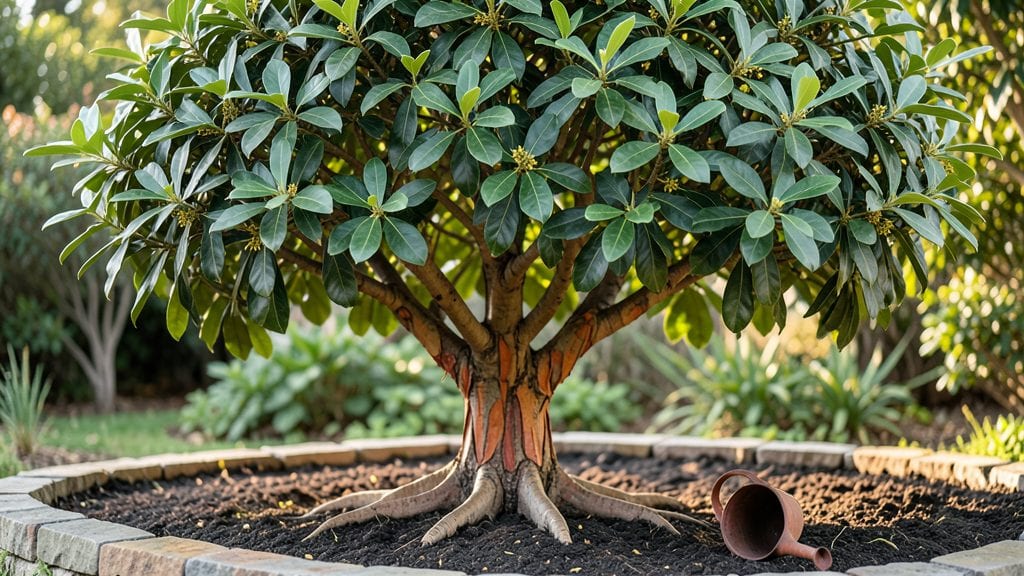
A full-grown cinnamon tree in your yard isn’t just a dream—it’s a spice cabinet on steroids. 🌿 I’ve watched mine grow from a sapling to a towering, fragrant giant, and the key to harvesting bark without killing the tree is all in the pruning.
This isn’t your average shrub; it’s a tropical showstopper that thrives with the right care.
The real magic happens when you mimic its natural habitat: warm climates, rich soil, and plenty of space to spread its roots. My tree stands 15–20 feet tall with a spread of 10–15 feet, so plan accordingly—this isn’t a patio plant.
Pruning isn’t just about shaping; it’s about encouraging new growth where the sweetest, most aromatic bark forms. I’ve learned that patience pays off: it takes 3–5 years before you can harvest sustainably.
What you’ll get is a tree that rewards you with year-round harvests of fragrant bark, plus glossy leaves that smell like a holiday spice blend. The first time I peeled a strip and smelled that familiar warmth, I knew I’d cracked the code.
No more buying bland supermarket cinnamon—just fresh, vibrant flavor straight from your backyard. Here’s how to make it happen.
Now, before you rush out to plant one: this isn’t a cold-hardy tree. If you’re in zones 9–11, you’re golden. For cooler climates, we’ll talk containers and winter care—because even tropical trees can adapt with the right tricks. Let’s get growing.
📚 In This Guide
- What you need
- Instructions
- Tips and common mistakes
- Wrapping up and next steps
What you need
- ● Pruning shears: Bypass pruners (sharp, 6–8" blades) for clean cuts on small branches.
- ● Loppers: 1 pair (18–24" blades) for thicker branches (½"–1.5" diameter).
- ● Pruning saw: 1 lightweight saw (for branches >1.5" thick).
- ● Gloves: Heavy-duty, cut-resistant gloves (to protect from thorns and sap).
- ● Disinfectant: 70% isopropyl alcohol or diluted bleach (1 part bleach to 9 parts water) to sterilize tools between cuts.
- ○ Sealing wax or pruning sealant: (Optional but recommended for tropical climates to prevent disease.)
- ● Ladder or step stool: (If your tree is over 6 ft tall—safety first!)
- ● Trash bags or compost bin: For debris disposal (avoid piling under the tree).
- ● Best time to prune: Late winter/early spring (before new growth) or post-harvest (avoid rainy seasons).
- ● Weather check: Prune on a dry, overcast day (prevents stress from sun exposure).
- ● Tree health assessment: Inspect for pests/diseases (e.g., powdery mildew, scale insects) before pruning.
- ● Harvest plan: Note branches with mature bark (smooth, brownish-gray) for cinnamon harvests—these are your priority!
- ● Safety gear: Long sleeves/pants (cinnamon sap can irritate skin) and closed-toe shoes.
- ● Handheld magnifying glass: For spotting tiny pests or bud details.
- ● Pruning rope or twine: To support heavy branches temporarily.
- ● Notebook & pen: To sketch your tree’s structure before/after pruning.
- ● Organic mulch: (e.g., wood chips) to replenish soil post-pruning.
How to prune a mature cinnamon tree for maximum bark production
Here's the method I use to keep my 10-year-old cinnamon tree thriving—with thick, flavorful bark and healthy growth.
✂️ Step 1: Time Your Pruning for Optimal Growth
Prune your cinnamon tree in late winter or early spring, just as new growth begins. This timing ensures you remove old, unproductive branches while stimulating fresh, vigorous shoots. Avoid pruning during the rainy season—wet conditions slow healing and invite fungal infections.
Look for dormant branches (brown and leafless) that no longer produce new bark. These are your first targets. Healthy branches have green buds along the stems—leave these alone for now. I always prune on a dry, sunny morning when the tree is fully hydrated but not stressed.
✂️ Step 2: Remove Dead and Crowded Branches First
Start by cutting back dead, diseased, or crossing branches using clean, sharp pruning shears. Sterilize your tools with rubbing alcohol before you begin—this prevents spreading any hidden pathogens. Remove any branches that rub against each other, as this creates wounds where pests can enter.
Next, thin out overcrowded branches to improve airflow. Aim for an open canopy that lets sunlight reach the inner bark. You'll see the best results when the tree's center is partially open, allowing light to penetrate to the trunk. Never remove more than 25% of the tree's foliage in one session—this stresses cinnamon trees.
☀️ Step 3: Shape for Sunlight and Airflow
Step back and evaluate the tree's structure. Cinnamon trees naturally grow in a rounded, bushy shape, so prune to maintain this form. Remove any branches growing inward or downward—they block light and create shade where bark won’t develop properly.
Focus on outer branches first, as these produce the most bark. Cut just above a leaf node or outward-facing bud to encourage new growth in the right direction. Avoid "heading back" (cutting into the center of a branch)—this creates stubs that heal poorly and may rot.
✂️ Step 4: Harvest Mature Bark Responsibly
Once you’ve shaped the tree, harvest thin strips of bark from mature branches (at least 2-3 years old). Use a sharp knife to make a 1/4-inch deep cut along the branch, then peel the outer layer carefully. Never remove more than 10% of the bark in one session—this can kill the tree.
Wait 2-3 weeks after pruning before harvesting bark. This gives the tree time to recover and ensures the bark you collect is fully mature. Store harvested bark in a cool, dry place until ready to use—it’ll keep for months if stored properly.
🌿 Step 5: Post-Pruning Care for Recovery
After pruning, water the tree deeply to help it recover. Cinnamon trees are drought-tolerant, but fresh cuts need moisture to heal. Apply a light layer of mulch (2-3 inches) around the base to retain soil moisture and regulate temperature.
Monitor the tree for new growth in the next 4-6 weeks. Healthy branches will sprout bright green leaves and small buds. If you see yellowing leaves or wilting, reduce watering—overwatering after pruning is a common mistake that leads to root rot.
Tips & tricks for perfectly pruned cinnamon trees
Mastering the art of pruning your mature cinnamon tree ensures healthy growth and abundant bark harvests—here’s how to avoid common pitfalls and elevate your technique.
Seasonal Timing Secret: Late winter or early spring is non-negotiable for pruning, but if you miss this window, avoid pruning during rainy seasons entirely. Wet conditions create the perfect breeding ground for fungal infections, which can weaken your tree. I’ve learned this the hard way—after pruning during a downpour, my tree developed brown spots that took months to heal. Always check the forecast for dry, sunny mornings when humidity is low.
Tool Prep Matters: Sterilizing your pruning shears with rubbing alcohol before each cut is more important than you might think. I once skipped this step and ended up transferring a fungal infection from a diseased branch to healthy ones. For extra protection, dip your shears in a 1:10 bleach-water solution between cuts if you’re working with multiple trees. Sharp tools also make cleaner cuts—dull blades crush stems, inviting pests and disease.
Visual Cues for Healthy Growth: When evaluating branches, look for three key indicators: dormant branches (brown and leafless) are ready for removal, while branches with green buds should stay. Another trick I use is the "finger test"—press gently on a branch. If it feels soft and spongy, it’s still growing; if it’s hard and dry, it’s time to prune. This helps me identify branches that might look healthy but are actually dead inside.
Post-Pruning Recovery Hack: After pruning, I always water deeply but reduce frequency to prevent overwatering. The key is to keep the soil moist but not soggy—think of it like giving your tree a refreshing drink rather than a bath. Applying a 2-3 inch layer of mulch helps retain moisture while protecting the roots. I’ve noticed that trees recover faster when the soil stays consistently moist during the first 4-6 weeks after pruning.
Pro Tips for Full Grown Cinnamon Tree
- Mastering the art of pruning your mature cinnamon tree ensures healthy growth and abundant bark harvests—here’s how to avoid common pitfalls and elevate your technique.
- Seasonal Timing Secret: Late winter or early spring is non-negotiable for pruning, but if you miss this window, avoid pruning during rainy seasons entirely.
- Tool Prep Matters: Sterilizing your pruning shears with rubbing alcohol before each cut is more important than you might think.
Frequently asked questions
Got questions about nurturing your full-grown cinnamon tree? You’re not alone! Here are answers to the most common queries—from pruning to harvest timing and everything in between.
How often should I prune a mature cinnamon tree?
Prune your full-grown cinnamon tree once a year, ideally during late winter or early spring before new growth begins. This timing ensures minimal stress on the tree while promoting healthy, vigorous branches for the next harvest season. Focus on removing dead, diseased, or overcrowded branches first—then shape the tree for airflow and sunlight access.
When will a cinnamon tree start producing bark for harvest?
A cinnamon tree typically takes 5–10 years to mature enough for bark harvest, depending on climate and care. Look for trees with a thick, smooth trunk (3–4 inches in diameter) and lush foliage. Patience is key—rushing harvests can stunt growth or kill the tree. Pro tip: Thin, younger trees may yield spice, but full-grown trees provide the richest, most flavorful bark.
Can cinnamon trees survive cold winters, or do I need to protect them?
Most cinnamon trees (Cinnamomum verum) thrive in tropical or subtropical climates (USDA Zones 10–12). If you’re in a cooler zone, protect the tree with:
- Thick mulch around the base (3–4 inches of straw or wood chips).
- A breathable frost cloth wrapped around the trunk and branches.
- Moving potted trees indoors or to a garage during freezes.
What’s the best alternative if I can’t grow a cinnamon tree?
If your climate isn’t suitable, try these cinnamon-flavored alternatives:
Option
Flavor Profile
Growing Notes
Cassia (Cinnamomum cassia)
Sweeter, stronger, and more common in U.S. stores.
Hardier (Zones 7–11); grows faster than true cinnamon.
Mexican cinnamon (Canela)
Mild, slightly floral—great for baking.
Drought-tolerant; thrives in Zones 9–11.
Culinary herbs (e.g., star anise, cassia bark substitutes)
Earthy, spicy, or licorice-like notes.
Easy to find in spice aisles or grow as annuals.
Fun fact: Cassia is what most grocery stores sell as "cinnamon"—but true cinnamon’s bark is gold standard for gourmet cooking!
Why is my cinnamon tree’s bark peeling off in patches?
Patchy bark loss is usually natural shedding as the tree matures—but watch for these red flags:
- Fungal infections (e.g., anthracnose): Dark spots or powdery growth? Prune affected areas and treat with copper fungicide.
- Pest damage (e.g., scale insects): Sticky residue ("honeydew") on bark? Blast off pests with soapy water or neem oil.
- Sun scald: Pale, sunken patches on south-facing sides? Mulch the base and avoid heavy pruning in summer.
If the tree looks otherwise healthy, it’s likely just shedding old bark—like a snake’s skin! Just avoid harvesting from damaged areas.
Wrapping up and next steps
Growing a full-grown cinnamon tree is a rewarding journey that brings fragrant spice and lush greenery to your garden—but mastering pruning is the key to unlocking year-round harvests! 🌿 By following the right techniques, you’ll encourage healthy growth, boost spice production, and keep your tree thriving for decades.
Now that you’re armed with the secrets, it’s time to grab those shears and get pruning!
Ready to take the next step? Start small—pick one season to practice your skills, observe your tree’s response, and refine your approach. With patience and care, your cinnamon tree will reward you with abundant harvests and a fragrant, ever-green centerpiece for your garden. Happy pruning! ✂️🌱