Pruning
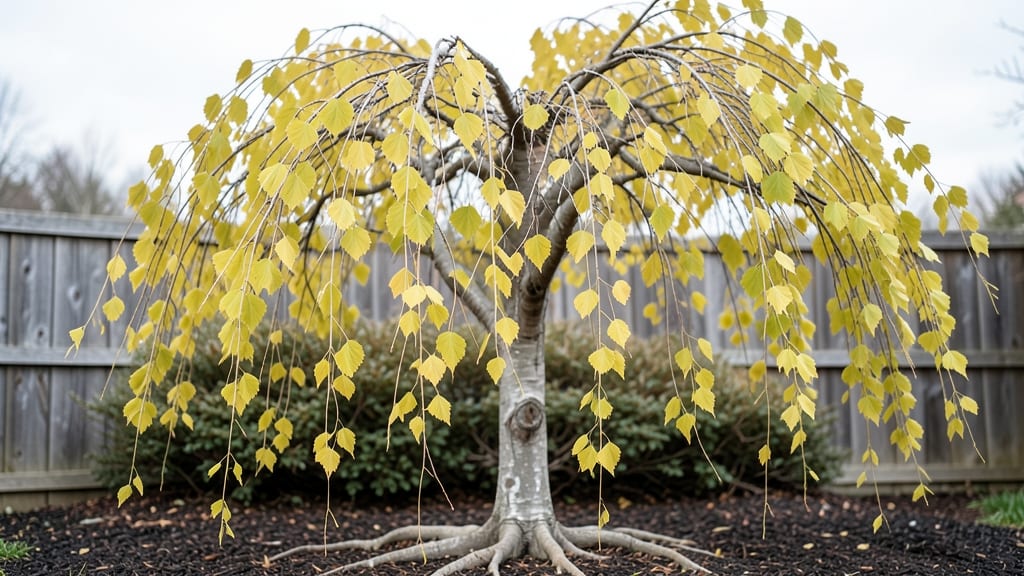
Transform your garden with the Morioka Weeping Katsura Tree—its cascading branches create a dreamy, year-round display that standard katsura trees simply can't match. I’ve nurtured mine for five years, and the secret to keeping its weeping form lush and graceful lies in the right pruning approach.
Unlike its upright cousins, this tree’s natural shape needs gentle guidance to maintain its elegant, fountain-like silhouette.
The key is timing and technique: prune in late winter or early spring before new growth appears, and always use sharp, clean tools to avoid tearing the delicate branches.
You’ll shape it by removing only the most stubborn growth that disrupts its flow, never cutting more than 20% of the foliage at once. Over time, this method keeps the tree’s signature weeping habit intact while encouraging dense, vibrant blooms that perfume the air from spring through fall.
What you’ll end up with is a tree that stays healthy through winters as cold as zone 5, turns stunning shades of gold and bronze in autumn, and even produces fragrant flowers on bare branches in late winter.
The payoff? A garden centerpiece that feels like a living watercolor painting—soft, graceful, and impossible to ignore.
Works beautifully in large containers for patios or as a focal point in open lawns where its branches can truly cascade. Here’s how to keep it thriving season after season without the guesswork.
📚 In This Guide
- What you need
- Instructions
- Tips and common mistakes
- Wrapping up and next steps
What you need
- ● Pruning shears: Bypass pruners with sharp, clean blades (for cuts up to ½ inch in diameter). Example: Felco F-2 or Corona Tools Classic.
- ● Loppers: For thicker branches (½ to 1½ inches in diameter). Look for anvil-style or bypass loppers with extended handles for leverage.
- ● Pruning saw: A curved-tooth pruning saw for larger branches (1½+ inches). Example: Fiskars X27 or Bahco.
- ● Gloves: Heavy-duty, cut-resistant gloves (e.g., Mechanix or garden-specific brands) to protect your hands.
- ● Disinfectant: 70% isopropyl alcohol or a pruning sealant (e.g., Tanglefoot Tree Wound Pruning Seal) to prevent disease spread.
- ● Ladder or step stool: A sturdy, extension ladder (20+ feet) if your tree exceeds 10 feet in height. Safety first!
- ● Trash bags or bucket: For collecting pruned branches and debris.
- ○ Sharpie or marker: To label branches for future reference (optional but helpful).
- ● Safety gear: Safety glasses and ear protection if using a chainsaw for large branches.
- ● Tree wound dressing: Like Tree Seal (controversial but some gardeners swear by it).
- ● Extension pole pruners: For high branches without a ladder (e.g., Teleflex pruners).
- ● Camera or phone: To document your tree’s shape before and after pruning.
- ● Know your tree: Confirm it’s a Morioka Weeping Katsura (Cercidiphyllum japonicum 'Morioka')—its weeping habit and heart-shaped leaves are key identifiers!
- ● Best time to prune: Late winter or early spring (just before new growth starts) for optimal results.
- ● Weather check: Choose a dry, calm day to avoid spreading sap or attracting pests.
How to prune a Morioka weeping katsura for year-round beauty
Here's the gentle approach I've used to keep my weeping katsura looking effortless season after season.
Assess the Tree in Late Winter Before New Growth Begins
The best time to prune is in late winter when the tree is dormant but just before buds begin swelling. Look for dead, crossing, or rubbing branches first—these are your priorities. I grab my pruning shears and start at the outer canopy, working my way inward.
Healthy branches should have smooth bark and green buds. If you spot branches with cracked bark or no buds, these need removal. The weeping katsura's graceful form depends on maintaining its natural shape, so avoid heavy pruning that disrupts the cascading habit.
Remove Dead and Problem Branches First
Cut out any dead wood completely back to the trunk or to a healthy lateral branch. Make your cuts just outside the branch collar—the swollen area where the branch meets the trunk. This ensures proper healing and prevents disease from entering the tree.
For crossing branches, remove the weaker one at its base. The weeping katsura's delicate branches can get tangled, and removing these now prevents future breakage. I like to step back frequently to visualize the tree's natural shape—this helps me decide which branches to keep for that signature weeping silhouette.
Thin Out the Canopy for Airflow and Light
Selectively remove about 10-20% of the interior branches to improve airflow and light penetration. Focus on branches that are growing inward or upward, which can block sunlight from reaching the lower canopy. Use your pruning shears to make clean cuts at a 45-degree angle just above an outward-facing bud.
This step is where you shape the tree's graceful form. The Morioka weeping katsura's beauty comes from its layered, cascading branches. By thinning strategically, you encourage new growth in the right places while maintaining that elegant, weeping silhouette. Watch for buds that point in the direction you want new growth to go.
Lightly Shape the Outer Branches for Balance
Once you've removed the dead and problem branches, it's time for subtle shaping. Use hand pruners to trim just the tips of branches that are growing too long or disrupting the tree's natural balance. The goal is to maintain that graceful, weeping form rather than creating a rigid, geometric shape.
Step back often to check your progress. The weeping katsura's charm lies in its natural, flowing appearance. Avoid over-pruning—this tree responds best to gentle, gradual shaping. If you're unsure about a cut, it's better to leave it and observe how the branch grows over the next season.
Clean Up and Monitor for New Growth
After pruning, rake up and dispose of all debris to prevent disease. Apply a thin layer of mulch around the base of the tree to retain moisture and protect the roots. Now, it's time to sit back and watch your tree respond.
New growth should appear within a few weeks. The Morioka weeping katsura is a forgiving tree, and it will quickly fill in any gaps you created. Over the next few months, keep an eye on how the branches fill out. If you notice any areas that seem too sparse, you can make minor adjustments in the following year's pruning.
Tips & tricks for pruning your Morioka weeping katsura
Here's what I've learned after years of shaping these stunning trees—tricks that'll keep your weeping katsura looking effortless season after season.
Timing is Everything: That late winter window is critical because it's when the tree is fully dormant but just before buds begin swelling. I've seen people prune too early in winter when branches are brittle, or too late in early spring when new growth is already tender. The goal is to catch it in that sweet spot where the tree is ready to heal quickly and respond well to pruning. Confession: I skipped this timing once and ended up with more stress on the tree than I intended.
The 45-Degree Cut Secret: When making your cuts in Step 3, that 45-degree angle isn't arbitrary—it's about directing new growth. The cut should be just above an outward-facing bud, which encourages branches to grow in the direction you want. I like to visualize an imaginary line from the bud to where I want the new growth to go. This small detail makes all the difference in maintaining that elegant weeping silhouette over time.
Visualizing the Silhouette: Step back often during all stages of pruning—especially in Steps 2 and 4—to check your progress. I've learned to trust my eyes more than measurements. The weeping katsura's beauty lies in its natural, flowing form, so avoid creating rigid, geometric shapes. Think of it like sculpting—you're shaping the tree's natural grace rather than forcing it into a specific mold.
Clean Cuts Prevent Future Problems: Always make your cuts just outside the branch collar, that swollen area where the branch meets the trunk. I've seen too many pruning wounds that become entry points for disease because cuts were made too close to the trunk or at awkward angles. A proper cut ensures the tree can heal cleanly and prevents future issues that could compromise your tree's health or appearance.
Pro Tips for Morioka Weeping Katsura Tree
- Here's what I've learned after years of shaping these stunning trees—tricks that'll keep your weeping katsura looking...
- Timing is Everything: That late winter window is critical because it's when the tree is fully dormant but just before...
- The 45-Degree Cut Secret: When making your cuts in Step 3, that 45-degree angle isn't arbitrary—it's about directing ...
Frequently asked questions
When is the best time to prune my Morioka Weeping Katsura Tree?
The ideal time to prune is late winter or early spring (just before new growth begins). Avoid pruning during fall or winter when the tree is dormant, as this can stress it. Light shaping can be done after flowering in summer, but avoid heavy cuts then.
How much can I trim without harming the tree?
For a healthy weeping katsura, never remove more than 20-25% of the foliage in a single pruning session. Focus on thinning out crowded branches and shaping gently—this tree’s graceful form relies on its natural weeping habit. Over-pruning can weaken its delicate structure.
Why aren’t my Morioka Weeping Katsura blooms as vibrant?
Faded or sparse blooms often signal over-pruning, poor nutrition, or stress. Ensure it gets well-draining soil and partial shade. Fertilize lightly in spring with a balanced, slow-release formula. If blooms are absent, check for pests (like spider mites) or root issues.
Can I prune this tree in rainy or humid weather?
Avoid pruning during rain, high humidity, or extreme heat—these conditions slow healing and invite fungal infections. Wait for a mild, dry day (60–75°F) to minimize stress. If you must prune in humidity, sterilize tools with rubbing alcohol to prevent disease.
What’s a good alternative if my Morioka Weeping Katsura isn’t thriving?
If your tree struggles with your climate or soil, consider these low-maintenance alternatives with similar grace:
- Japanese Snowbell (Styrax japonicus) – Fragrant white blooms, shade-tolerant.
- Amelanchier (Serviceberry) – Spring flowers, edible berries, and fall color.
- Cercis canadensis ‘Lavender Twist’ – Purple-red blooms, compact growth.
Wrapping up and next steps
The Morioka Weeping Katsura Tree is a stunning addition to any garden, offering delicate blooms and year-round beauty with the right care—especially through thoughtful pruning.
By following the steps outlined above, you’ll ensure its graceful form thrives while minimizing stress on the tree. Now’s the perfect time to roll up your sleeves and give your Katsura the love it deserves!
🌿 Next step: Mark your calendar for late winter or early spring to start your pruning routine. Watch as your tree rewards you with lush, cascading branches and fragrant flowers for seasons to come!