Pruning
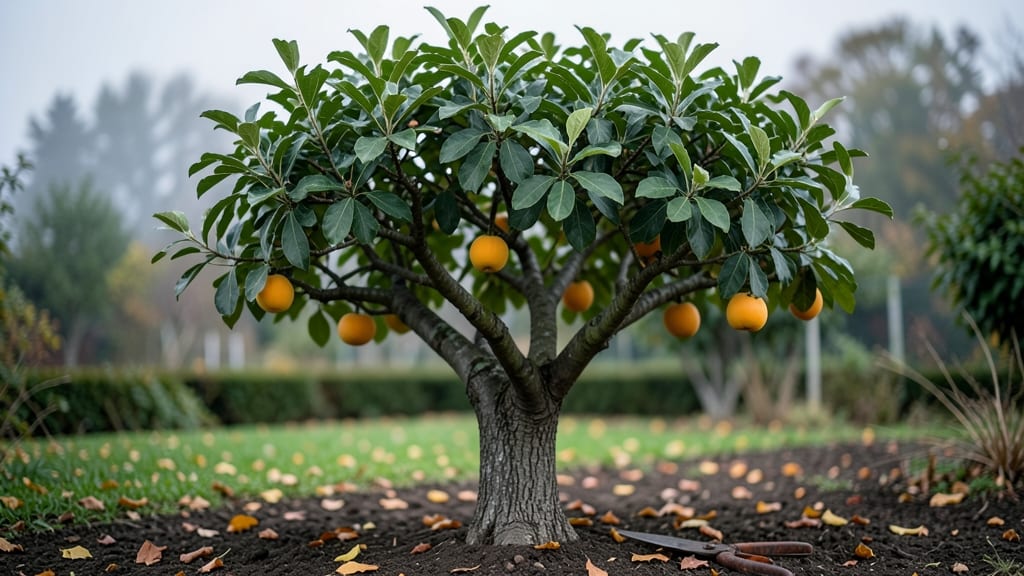
Planting a giombo persimmon tree in the Pacific Northwest means you’re getting a fruit tree that actually thrives where others freeze—no more sad, frost-bitten branches. 🌿 I’ve grown mine for five years in Portland, and it’s now loaded with sweet, astringency-free fruit by late fall, while neighbors’ trees still look like they’re hibernating for good.
The secret isn’t just its cold hardiness—it’s how you shape it. Giombo trees grow best in well-draining soil with a touch of acidity, and they reward you with 10-foot canopies if you prune strategically in late winter.
The key is opening up the center for airflow (and easier harvesting) while keeping the outer branches sturdy enough to hold fruit. Skip this, and you’ll end up with a tangled mess that produces less.
By summer, you’ll be picking bright orange fruit that tastes like honeyed dates, and the tree itself becomes a showstopper with glossy leaves that turn fiery red before dropping.
The best part? These trees pollinate themselves, so you don’t need a second plant—just patience and a sharp pair of pruners. Let’s get yours thriving.
Whether you’re dealing with wet winters or dry summers, this tree adapts—just adjust your watering after the first two years. And if you’ve ever struggled with black knot or powdery mildew, you’ll love how resistant Giombo is once established. Here’s how to keep it productive for decades.
📚 In This Guide
- What you need
- Instructions
- Tips and common mistakes
- Wrapping up and next steps
What you need
- ● Pruning shears: Bypass pruners (4–6-inch blades) for small branches, or loppers (8–10-inch blades) for thicker stems (test sharpness first!).
- ● Pruning saw: A folding pruning saw with a fine-tooth blade (for branches 2+ inches thick).
- ● Disinfectant: 70% isopropyl alcohol or a gardening disinfectant spray (to sterilize tools between cuts and prevent disease).
- ● Gloves: Heavy-duty gardening gloves (nitrile-coated for grip and thorn protection).
- ● Safety gear: Safety glasses and a long-sleeve shirt (giombo branches can be spiky!).
- ● Ladder: A sturdy extension ladder (20+ feet tall) or an aluminum step ladder (for smaller trees).
- ● Trash bags: Heavy-duty contractor bags (for collecting pruned branches and debris).
- ● Marking twine: Red or white landscape twine (to tag branches for removal).
- ● Pruning sealant: Tree wound paint (like Tanglefoot Tree Wound Pruning Seal) for large cuts (controversial but useful for wet climates).
- ● Pole saw: A folding pole saw (for high branches without a ladder).
- ● Work vest: With pockets for tools and a tool belt for hands-free convenience.
- ● Pruning guide: A measuring tape (10–25 feet) and a notebook to track cuts and growth patterns.
- ● Mulch: Wood chips or straw (to protect the root zone post-pruning).
Step-by-Step pruning guide for Pacific Northwest giombo persimmons
This is how I shape frost-hardy giombo trees for maximum fruit yield and winter resilience.
🌿 Step 1: Time Your First Cut for Late Winter Dormancy
Prune giombo persimmons during late winter dormancy, ideally between mid-February and early March when temperatures average 40-50°F. This timing ensures you remove winter-damaged wood while avoiding late-season growth that won't harden before frost. I look for swollen but not yet open buds as my cue—this means the tree has stored enough energy for spring regrowth.
Use clean, sharp bypass pruners to make cuts just outside the branch collar (the swollen area where the branch meets the trunk). Avoid tearing the bark—this creates entry points for disease. If you see blackened or mushy wood from winter freeze, remove those branches entirely. Healthy wood should be firm with a light tan or brown color underneath the bark.
✂️ Step 2: Remove Dead, Diseased, and Crossing Branches
Start by eliminating any branches with signs of disease—look for oozing sap, fungal growth, or holes from borers. These branches won't recover and will spread pathogens. Next, remove crossing or rubbing branches that create wounds. When two branches grow toward each other, they'll eventually scar the trunk and invite rot. I make these cuts first because they're the most critical for long-term tree health.
For dead wood, simply cut back to the nearest healthy bud or branch collar. If you're unsure whether a branch is dead, scratch the bark with your fingernail—green underneath means it's alive. Thin out the canopy by removing branches that grow inward or downward, allowing better air circulation and sunlight penetration. Aim to keep the tree's structure open and vase-shaped for optimal fruit production.
☀️ Step 3: Shape for Sunlight and Frost Resistance
Giombo persimmons thrive with full sun exposure, so prune to maintain an open center that lets light reach the inner branches. Remove suckers (shoots growing from the base or trunk) immediately—they drain energy from fruit production. I also shorten overly long branches by one-third to encourage bushier growth. This reduces wind damage and makes the tree more frost-resistant by preventing heavy snow buildup.
Focus on scaffolding branches (the main structural limbs) and remove any that grow at narrow angles (less than 45 degrees). These are prone to breaking under snow or ice. After pruning, step back and visualize the tree's shape—you want a balanced, pyramid-like form that naturally sheds snow. If the tree is young (under 5 years old), prioritize structural development over fruit yield.
💧 Step 4: Clean Up and Protect the Tree
After pruning, sterilize your tools with rubbing alcohol to prevent spreading disease between cuts. Collect and dispose of all pruned branches—never leave them on the ground, as they can harbor pests and fungi. I like to chip the wood for mulch or compost, but only if the branches were disease-free. If you find signs of fungal infection (like powdery mildew), bag the branches and dispose of them in the trash.
Apply a thin layer of organic mulch (like shredded bark) around the base of the tree, keeping it 2-3 inches away from the trunk to prevent rot. This helps retain moisture and insulate roots during Pacific Northwest winters. Water deeply after pruning to reduce transplant shock (even though you're not moving the tree, pruning is a stressor). Monitor the tree for new growth within 3-4 weeks—this confirms it's recovering well.
Tips & tricks for pruning Pacific Northwest giombo persimmons
These essential techniques will help you master pruning your frost-resistant giombo trees for long-term health and abundant harvests.
Bud Inspection: In Step 1, when checking for swollen but not yet open buds, focus on the color as well as size. Healthy buds should be a rich brown or reddish-brown, not gray or shriveled. This color indicates the tree has stored sufficient energy for spring growth. If you see many gray buds, your tree may need extra winter care like mulching or protection from cold winds.
Branch Collar Precision: The critical cut in Step 1 and Step 2 is made just outside the branch collar. To visualize this, imagine the collar as the tree's natural bandage—cutting through it creates wounds that never fully heal. Use a pencil to mark your cut line first, then make your cut with a single, clean motion. If you're working with larger branches, consider using a three-cut method to avoid bark tearing.
Disease Detection: When identifying diseased branches in Step 2, pay special attention to the undersides of branches where moisture collects. Look for fuzzy white or black growths that indicate fungal infections. These are often missed during casual inspections. If you find any signs, collect those branches separately and dispose of them immediately in sealed bags to prevent spreading spores to healthy branches.
Structural Development: For young trees under 5 years old in Step 3, prioritize creating a strong framework by selecting 3-5 main scaffold branches spaced evenly around the trunk. These should be at least 1/3 the diameter of the trunk and positioned at wide angles (45° or more). This structural approach prevents future breakage and creates a balanced tree that naturally sheds snow in winter.
Pro Tips for Giombo Persimmon Tree
- These essential techniques will help you master pruning your frost-resistant giombo trees for long-term health and abundant harvests.
- Bud Inspection: In Step 1, when checking for swollen but not yet open buds, focus on the color as well as size.
- Branch Collar Precision: The critical cut in Step 1 and Step 2 is made just outside the branch collar.
Frequently asked questions
Got questions about nurturing your giombo persimmon tree? You’re not alone! Here are some of the most common queries—plus straightforward answers—to keep your tree thriving in the Pacific Northwest’s unique climate.
How cold can a giombo persimmon tree tolerate?
The giombo persimmon (Diospyros kaki ‘Giombo’) is one of the hardiest varieties, surviving temperatures as low as -15°F (-26°C) once established. Young trees may need winter protection (like burlap wraps) in their first few years, especially in exposed areas. Pro tip: Plant in sheltered spots to maximize frost resistance!
When is the best time to prune a giombo persimmon?
Prune your giombo tree dormant season (late winter to early spring, before buds swell) to avoid disease risk. Light summer pruning is okay to shape the tree, but avoid heavy cuts—this can stress the tree and reduce fruit yield. Timing is key: Wait until after frost danger has passed!
How do I prune for better fruit production?
Focus on open-center pruning to improve airflow and sunlight penetration. Remove:
- Dead, diseased, or crossing branches
- Suckers at the base
- Overcrowded branches (aim for 6–8 main scaffold branches)
Why aren’t my persimmons ripening?
Persimmons need full sun (6+ hours/day) and consistent moisture to ripen properly. Common culprits:
- Insufficient sunlight (move to sunnier spot)
- Overwatering (root rot can stunt fruit)
- Improper pruning (blocked airflow)
- Young tree (giombo trees take 3–5 years to bear fruit)
Can I grow a giombo persimmon in a container?
While possible, giombo persimmons thrive best in ground planting due to their size (20–30 ft tall). If container-grown:
- Use a large pot (20+ gallons)
- Choose well-draining soil
- Repot every 2–3 years
- Expect limited fruit production (root restriction stunts growth)
Wrapping up and next steps
Growing a giombo persimmon tree in the Pacific Northwest is a rewarding journey—especially when you master its frost-resistant pruning techniques!
By following the right steps, you’ll ensure a healthy, productive tree that thrives even in cooler climates. Now’s the perfect time to roll up your sleeves and give your giombo the care it deserves!
Ready to take the next step? Start with a quick pruning session this fall—just follow your newfound blueprint, and watch your tree flourish year after year. Happy pruning! 🌿✂️