
Pruning
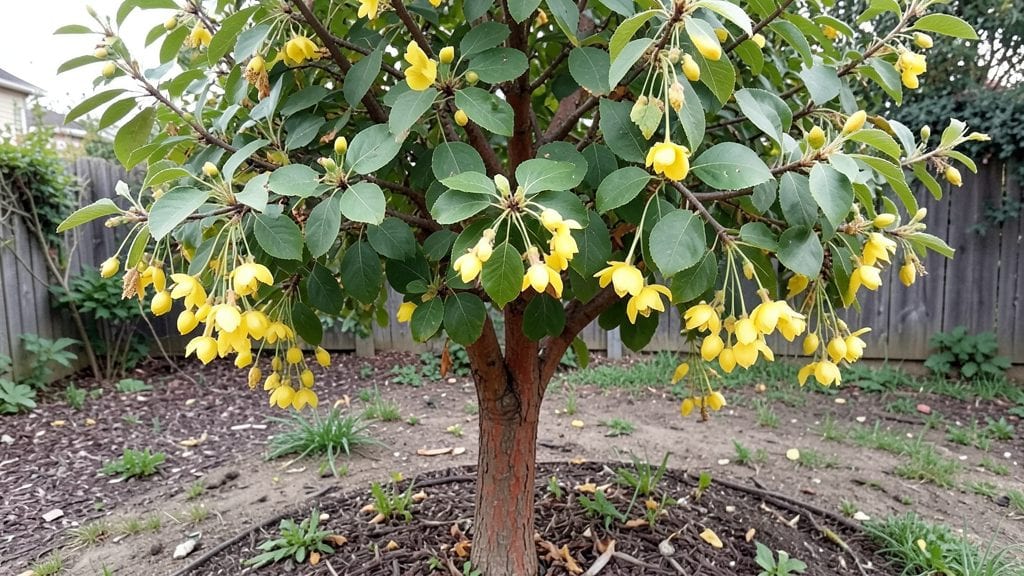
Growing a golden plum tree in the Pacific Northwest means adding a sunburst of color to your yard while creating a haven for bees and birds year-round. 🌟 I planted mine last spring after years of admiring neighbors' trees—its bright yellow-orange flowers in early spring and glossy foliage make it a standout, even when other trees are still bare.
The best part? It thrives in our damp winters and handles frost like a champ, unlike many tender fruit trees.
This tree isn’t fussy about soil as long as it drains well—amend heavy clay with compost to give roots room to breathe. Full sun is key for those stunning blooms, but it tolerates partial shade if you’re in a wetter microclimate.
Water deeply once established, and fertilize lightly in early spring to encourage new growth without overfeeding. My tree now attracts pollinators from February through April, long before other fruit trees even think about blooming.
Pruning is simple: remove dead wood in late winter and shape lightly after flowering to keep the canopy open. The tree’s natural resistance to pests means you’ll rarely need sprays—just watch for scale insects if leaves start looking sticky.
By year three, you’ll have a 20-foot-tall pollinator magnet that outshines anything else in the garden. Let’s get yours growing!
Works beautifully as a standalone specimen or mixed into native shrubs. Perfect for urban yards, rural homesteads, or even large containers if you’re short on space. The golden plum tree doesn’t just survive here—it thrives, proving that cold-hardy doesn’t mean boring.
📚 In This Guide
- What you need
- Instructions
- Tips and common mistakes
- Wrapping up and next steps
What you need
- ● 1-2 Golden Plum Trees (Prunus salicina 'Golden Plum') – Choose cold-hardy varieties like 'Golden Globe' or 'Golden Rain' for the Pacific Northwest climate.
- ● Well-draining soil mix – Combine 50% native soil, 30% compost, and 20% perlite or coarse sand for optimal root health.
- ● Organic mulch (3-4 inches) – Use wood chips, straw, or pine bark to retain moisture and suppress weeds.
- ● Slow-release fertilizer (10-10-10 or 5-10-10 NPK ratio) – Apply 1-2 pounds per year of tree age in early spring.
- ● Shovel or spade – For digging planting holes (1.5x wider and deep as the root ball).
- ● Pruning shears or loppers – Bypass pruners for clean cuts (sharp blades only!).
- ● Hand saw (for thick branches) – A curved-tooth pruning saw prevents tearing wood.
- ● Gloves (cut-resistant) – Protect your hands from thorns and rough bark.
- ● Watering can or hose with nozzle – Deep watering (1-2 gallons per tree) is key after planting.
- ○ Tree stake (optional, for young trees) – Use 1-2 stakes per tree if needed for stability.
- ● Sunlight – Full sun (6+ hours daily) for optimal fruit production and growth.
- ● USDA Hardiness Zones 5-8 – Golden plums thrive in the Pacific Northwest’s mild winters.
- ● Spacing (15-20 feet between trees) – Ensures airflow and reduces disease risk.
- ● Patience! – Trees may take 3-5 years to bear fruit but reward you with stunning golden blossoms year-round.
Step-by-Step instructions for planting and establishing a golden plum tree
Here's how to get your cold-hardy golden plum thriving in the Pacific Northwest's climate.
🌱 Step 1: Choose the Perfect Planting Spot
Golden plums need full sun for at least 6 hours daily, but they'll tolerate partial shade in hotter inland areas. In the Pacific Northwest, a south-facing location with morning sun and afternoon shade works best—this prevents leaf scorch while still giving enough light for fruit production.
Check the soil drainage by digging a 12-inch deep hole—if water pools after 30 minutes, amend with 2-3 inches of compost to improve drainage. The tree's roots need good airflow to prevent rot, especially in our wet winters. I always avoid low spots where cold air settles, as golden plums are sensitive to late frosts.
🪴 Step 2: Prepare the Planting Hole and Amend Soil
Dig a hole twice as wide as the root ball but only as deep—planting too deep can suffocate the roots. Mix the native soil with 1 part compost (about 5 gallons) and 1 part peat moss to improve moisture retention without compacting. This blend mimics the tree's natural growing conditions in its native Asia.
Gently loosen the root ball if it's tightly bound, then place the tree in the hole so the top of the root ball sits 1-2 inches above ground level. This prevents water from pooling at the base during our frequent rain. Tap the soil lightly to remove air pockets, then water deeply to settle everything.
☀️ Step 3: Mulch and Water for Initial Establishment
Spread 3-4 inches of wood chips or straw mulch in a 3-foot wide ring around the base, keeping it 6 inches away from the trunk to prevent rot. This mulch layer helps regulate soil temperature and reduces water evaporation—critical in our dry summer months. Avoid synthetic mulches, as they can suffocate roots.
Water deeply 2-3 times per week for the first two months, ensuring the soil stays moist but not soggy. You'll know it's right when water drains through to 6 inches deep—stick your finger in to check. Golden plums are drought-tolerant once established, but young trees need consistent moisture to develop strong roots.
✂️ Step 4: Prune for Shape and Airflow
Prune in late winter or early spring before new growth begins. Remove any dead, crossing, or inward-growing branches first—these compete for energy and block sunlight. Open up the center of the tree to improve airflow, which reduces disease risk in our humid climate.
Shape the tree into an open vase form by cutting back overly vigorous branches by one-third. This encourages a sturdy structure and better fruit production. Avoid heavy pruning in fall, as new growth won't harden off before winter. Here's the thing—golden plums bloom on last year's wood, so prune carefully to preserve next year's flowers.
🐝 Step 5: Support Pollinators Year-Round
Plant native pollinator-friendly companions like red currants, serviceberry, or Oregon grape within 20 feet of your plum. These plants provide early spring nectar when bees emerge, ensuring your golden plum gets pollinated. Avoid pesticides entirely—even "organic" sprays can harm the very insects you're trying to attract.
Leave fallen leaves and fruit on the ground in winter—they provide winter habitat for beneficial insects and food for birds. This simple step turns your tree into a year-round ecosystem, not just a pretty canopy. Real talk: the more pollinators you support, the bigger your harvest will be next summer.
Tips & tricks for perfect golden plum tree establishment
These simple strategies will help your cold-hardy golden plum thrive in the Pacific Northwest's unique climate.
Sunlight Strategy: In Step 1, when choosing your planting spot, pay close attention to how the sun moves across your yard throughout the day. Morning sun is ideal because it warms the tree gently without risking afternoon leaf scorch. If you're unsure, observe your yard for a week—mark where sunlight hits at 8 AM and 4 PM. This helps you position your tree for that perfect balance of 6 hours of morning sun and afternoon shade.
Soil Test Tip: Before digging that 12-inch deep hole in Step 1, grab a handful of soil and squeeze it. If it stays in a tight ball, it's too compacted—you'll definitely need that 2-3 inches of compost to improve drainage. If it crumbles easily, you're good to go! This quick test saves you from over-amending when your soil is already well-drained. The goal is to mimic the tree's natural growing conditions in Asia without making the soil too rich.
Mulching Mastery: When you spread that 3-4 inches of wood chips or straw mulch in Step 3, create a slight mound around the base—just enough to slope water away from the trunk. This prevents rot by keeping moisture away from where the tree meets the soil. I've seen too many new gardeners forget this detail, leading to fungal issues down the road. Also, refresh the mulch every spring to maintain that 3-foot wide ring—it breaks down faster than you'd think!
Pruning Precision: In Step 4, when you're shaping that open vase form, look for branches that cross each other—they'll rub and create wounds where diseases can enter. Cut one of the crossing branches back to where it originates from the trunk. I always prune at a slight angle just above an outward-facing bud. This encourages healthy growth and keeps your tree looking its best while preserving next year's flowers.
Pro Tips for Golden Plum Tree
- These simple strategies will help your cold-hardy golden plum thrive in the Pacific Northwest's unique climate.
- Sunlight Strategy: In Step 1, when choosing your planting spot, pay close attention to how the sun moves across your yard throughout the day.
- Soil Test Tip: Before digging that 12-inch deep hole in Step 1, grab a handful of soil and squeeze it.
Frequently asked questions
How cold-hardy is the golden plum tree, and can it survive PNW winters?
The golden plum tree (Prunus cerasifera ‘Atropurpurea’) is surprisingly tough, handling USDA zones 5-9. In the PNW, it thrives in Zone 7-8, enduring temps down to −15°F (−26°C) with proper mulching. Young trees may need winter wrap protection, but mature trees are resilient. Pro tip: Plant in full sun and avoid low-lying areas where frost pools.
When is the best time to prune a golden plum tree to encourage fruit and blooms?
Prune in late winter or early spring (February–March), just before buds swell but before new growth starts. This timing promotes abundant blooms and fruit production. Avoid heavy pruning in fall—it can stimulate late growth vulnerable to frost. Key tip: Remove dead, crossing, or weak branches first, then thin to improve airflow (aim for 20-30% open canopy).
Does the golden plum tree attract pollinators year-round, or just during bloom?
While it’s peak pollinator magnet during spring blooms (March–April), its evergreen-like foliage and year-round nectar make it a PNW pollinator powerhouse. Bees, butterflies, and birds visit for fall berries (though they’re tart—better for wildlife than eating!). Plant near native companions like Pacific dogwood or salal for a nonstop buffet.
Why aren’t my golden plum tree’s leaves turning the expected golden color?
Golden foliage fades or fails due to shade, poor drainage, or nutrient deficiencies. Ensure it gets 6+ hours of sun and well-draining soil (amend clay with compost). Yellowing leaves? Check for iron deficiency (common in alkaline PNW soil)—apply chelated iron in early spring. Purple-tinged leaves? It’s normal in cooler temps but can signal overwatering.
Can I grow a golden plum tree in a container, or does it need to be planted in the ground?
While possible, container-grown golden plums struggle long-term—they need 5–6 gallons of soil and regular pruning to control size. If you must pot it, use a large, sturdy container with drainage holes and well-draining potting mix. Warning: Roots can outgrow containers quickly, limiting growth and fruit production. Ground planting is ideal for PNW’s mild summers.
Are the fruit from golden plum trees edible, or just ornamental?
Technically edible, but tart and mealy—better for jams, jellies, or wildlife than fresh eating! The golden-yellow fruit ripens in late summer and attracts birds. Fun fact: Some gardeners cross-pollinate with European plums for sweeter hybrids. Caution: Avoid planting near lawns—fallen fruit stains grass!
Wrapping up and next steps
Growing a golden plum tree in the Pacific Northwest isn’t just about adding beauty to your landscape—it’s about nurturing a thriving ecosystem for pollinators year-round.
With the right pruning techniques, soil prep, and cold-hardy care, you’ll enjoy fragrant blossoms, sweet fruit, and a resilient tree that stands up to the region’s unique climate. Whether you’re a seasoned gardener or just starting, every snip and season brings you closer to a vibrant, pollinator-friendly haven!
Ready to take the next step? Start small:
- 🌱 Plant your sapling this fall for early root establishment.
- ✂️ Schedule your first prune in late winter to shape and invigorate.
- 📅 Mark your calendar for seasonal checks—spring blooms, summer fruit care, and autumn prep!