
Pruning
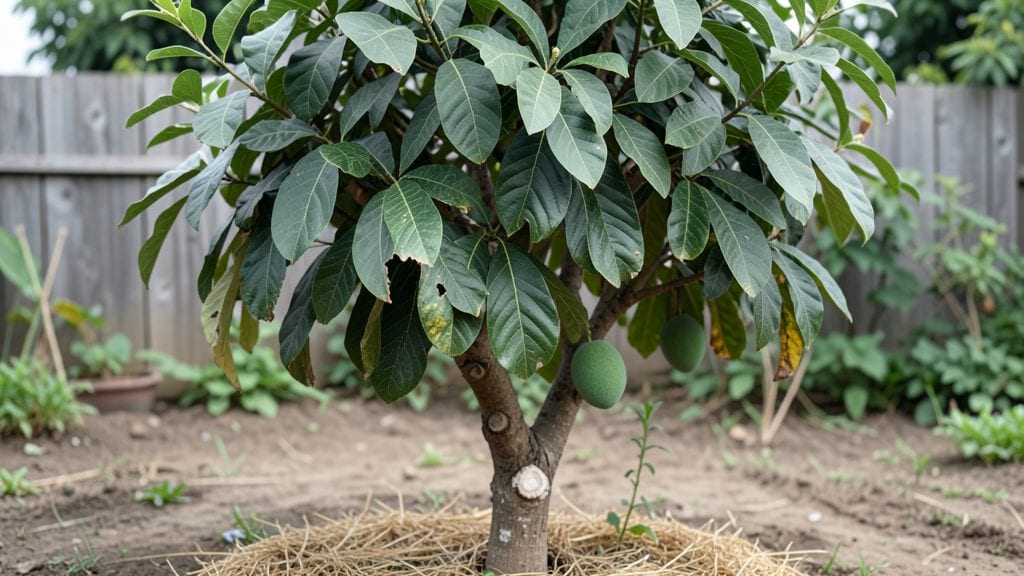
Grafting a mango tree in the Pacific Northwest isn’t just possible—it’s how you unlock sweet, tropical fruit where frost is a real threat. 🌱 I’ve grafted three varieties now, and the key is choosing cold-hardy rootstock paired with the right scion wood.
The process feels like horticultural surgery, but once you’ve done it once, the confidence sticks.
The secret lies in timing: graft in late winter or early spring when the rootstock is dormant but ready to wake up. You’ll need sharp grafting tools, a clean workspace, and a little patience—no rushing this.
My first attempt failed when I didn’t seal the graft properly, but the second time, the union took hold within weeks. The right tools make all the difference, and I’ll walk you through exactly what to use.
What you end up with is a tree that produces fruit years ahead of seed-grown mangoes, with flavors that rival tropical groves. The first harvest after grafting is the sweetest reward—imagine slicing into a ripe mango in Portland when most people are still dreaming of summer.
With proper care, your grafted tree will thrive through our chilly summers and even light frosts.
This method works for varieties like ‘Cogshall,’ ‘Julie,’ and ‘Keitt’—all of which handle cooler climates better than most. Whether you’re a beginner or a seasoned gardener, the steps scale to your skill level. Let’s get those tools ready and make it happen.
📚 In This Guide
- What you need
- Instructions
- Tips and common mistakes
- Wrapping up and next steps
What you need
- ● Grafted mango scion: Choose a cold-hardy variety like ‘Julie,’ ‘Keitt,’ or ‘Cogshall.’ Ensure it’s disease-free and from a reputable nursery.
- ● Rootstock: A mango rootstock (e.g., ‘Grafton’ or ‘Sensation’) or a hardy citrus/mango hybrid rootstock for better cold tolerance.
- ● Grafting tools: Sharp grafting knife (or a budding knife for T-budding).
- ● Small pruning shears for trimming.
- ● Rubbing alcohol (70% or higher) for sterilization.
- ● Grafting tape or parafilm: To seal the graft union (1 roll or 20+ feet).
- ○ Rooting hormone (optional but helpful): For encouraging root growth on rootstock cuttings.
- ● Container or in-ground spot: For containers: 5-gallon pot or larger (minimum 12” diameter) with drainage holes.
- ● For in-ground: Well-draining soil in a sheltered, south-facing location (or a greenhouse/poly tunnel for winter protection).
- ● Soil mix: Well-draining potting mix (e.g., 50% cactus/succulent mix + 50% perlite/pumice).
- ○ Optional: Mycorrhizal fungi to boost root health.
- ● Mulch: Straw or wood chips (2–3 inches) to insulate roots in winter.
- ● Winter protection: Frost cloth or row cover (rated for 25°F or lower).
- ● Insulating bubble wrap or tree wrap for the trunk.
- ○ Grow lights (optional): LED full-spectrum grow lights (12–14 hours/day) during short winter days.
- ● pH test kit: To monitor soil pH (ideal range: 5.5–7.0).
Step-by-step guide for planting and caring for a grafted mango tree in the Pacific Northwest
Here’s how to give your tropical mango its best shot at thriving in cooler climates.
🌱 Step 1: Choose the Right Location and Prepare the Soil
Mango trees need warmth, but the Pacific Northwest’s mild summers can still work—with the right spot. Plant your grafted tree in a location that gets full sun for at least 6-8 hours daily, sheltered from harsh winds. South-facing walls or microclimates near buildings capture extra heat and extend the growing season.
Amend the soil with 3-4 inches of organic compost mixed into the top 12 inches of native soil. Mango roots thrive in well-draining, slightly acidic soil (pH 5.5-7.0). If your soil is heavy clay, add 1 part perlite or coarse sand to 3 parts soil to improve drainage. Dig a hole twice as wide as the root ball but no deeper—sitting too low can cause root rot.
🪴 Step 2: Plant with Care to Preserve the Graft Union
The graft union—the swollen area where the scion (top part) meets the rootstock—is critical for your tree’s health. Plant so the graft is 2-3 inches above soil level. If buried too deep, the tree may produce suckers (unwanted shoots) from the rootstock instead of fruiting on the desired variety.
Place the tree in the hole, backfill with native soil mixed with compost, and tamp gently to remove air pockets. Water deeply until the soil is evenly moist to a depth of 12 inches. Mulch the base with 3 inches of wood chips or straw, keeping it 6 inches away from the trunk to prevent rot. This helps retain moisture and regulate soil temperature.
☀️ Step 3: Protect and Train for the Pacific Northwest Climate
In cooler climates, young mango trees need extra protection. Install a frost cloth or row cover in late fall and remove it in early spring to shield tender new growth. If frost threatens, drape blankets over the tree and use string lights or heat lamps (safely positioned) to add 10-15°F of warmth around the trunk.
Train the main trunk early by removing any competing shoots below the graft. Prune to open the canopy for better airflow, which reduces disease risk. In summer, keep the soil consistently moist but not soggy—mango trees in containers or poor soil dry out faster. Water at the base, not overhead, to prevent fungal issues.
⏰ Step 4: Fertilize and Monitor for First Fruits
Feed your grafted mango tree with a balanced, slow-release fertilizer (10-10-10 or 8-3-9) in early spring, then again in mid-summer. Avoid high-nitrogen fertilizers after June—they promote leafy growth at the expense of fruit. Instead, switch to a low-nitrogen, high-phosphorus formula (like 5-10-10) to encourage flowering.
Watch for signs of stress: yellow leaves often mean overwatering or poor drainage, while brown edges signal underwatering or salt buildup. In the Pacific Northwest, mango trees may not fruit in their first year but could produce small, underripe fruit by year 3-4 with proper care. Thin clusters to 4-6 fruits per branch to ensure larger, sweeter mangoes.
Tips & tricks for growing a hardy mango tree
Turning your Pacific Northwest garden into a tropical oasis starts with these key strategies that make all the difference.
Sunlight Strategy: While 6-8 hours of full sun is ideal, don't panic if your yard only gets 5 hours. Place your tree near a south-facing wall or dark-colored surfaces that absorb and radiate heat. I've seen trees thrive in these microclimates with just 5 hours of direct sun plus reflected warmth. The key is positioning the tree where it can capture every possible minute of warmth during the day.
Soil Science: The 3-4 inches of organic compost mixed into the top 12 inches of soil isn't just about nutrition—it's about creating the perfect environment for those tropical roots. For clay-heavy soils, I recommend testing your drainage first by digging a hole, filling it with water, and timing how long it takes to drain. If it's slower than 4 hours, definitely add that perlite or sand mix. Well-draining soil prevents root rot, which is the #1 killer of young mango trees in cooler climates.
Graft Union Guard: That 2-3 inch elevation above soil level for the graft union might seem like a small detail, but it's absolutely critical. I learned this the hard way when my first grafted tree produced nothing but suckers because I buried it too deep. After that, I marked the ideal planting depth with a small flag so I wouldn't forget. This simple step ensures your tree will produce fruit from the scion (the desirable variety) rather than revert to the rootstock's characteristics.
Winter Warmth Hacks: When frost threatens, those string lights or heat lamps can be a game-changer. I've used Christmas lights wrapped around the trunk (safely, with no exposed wires) to add that extra 10-15°F of warmth. Just remember to turn them off during the day when temperatures rise. This creates a protective microclimate that can make all the difference between a frozen tree and one that survives to fruit another year.
Pro Tips for Grafted Mango Tree
- Turning your Pacific Northwest garden into a tropical oasis starts with these key strategies that make all the difference.
- Sunlight Strategy: While 6-8 hours of full sun is ideal, don't panic if your yard only gets 5 hours.
- Soil Science: The 3-4 inches of organic compost mixed into the top 12 inches of soil isn't just about nutrition—it's about creating the perfect environment for those tropical roots.
Frequently asked questions
1. How cold can a grafted mango tree tolerate in the PNW?
A grafted mango tree can handle brief dips to 20°F (-6°C), but prolonged cold (<15°F/-9°C) risks damage. In the PNW, plant in microclimates (south-facing walls, containers) and use burlap wraps or frost cloths during winter. Choose cold-hardy varieties like ‘Julie’ or ‘Cogshall’ for better resilience.
2. When’s the best time to graft a mango tree in the PNW?
Grafting works best in late winter to early spring (Feb–March) when the rootstock is dormant but sap starts flowing. Avoid grafting after May—new growth slows, and the tree may struggle to heal. For container-grown trees, whip-and-tongue grafting is ideal; ensure tools are sterilized to prevent disease.
3. Can I graft a mango tree onto a different fruit tree?
While possible, it’s not recommended—mangoes need specific rootstocks (like mango seedlings or ‘Keitt’ rootstock) for compatibility. Grafting onto citrus or avocado rootstocks often fails due to incompatible vascular systems. Stick to mango rootstocks for the best success rate!
4. Why is my grafted mango tree’s scion (top growth) dying?
Common causes include:
- Poor graft union: Check for loose or cracked connections—re-graft if needed.
- Over/under-watering: Keep soil moist but not soggy for 4–6 weeks post-grafting.
- Pests/disease: Inspect for aphids or fungus; treat with neem oil or copper fungicide.
- Sunburn: Young grafts need dappled shade initially.
If the scion wilts within days, the graft may have failed—try again with a healthier rootstock.
5. Are there PNW-friendly alternatives to grafted mangoes?
If mangoes seem too finicky, try these cold-hardy tropical stand-ins:
- Loquat trees (15°F/-9°C tolerance)—bear fruit earlier than mangoes!
- Fig trees (e.g., ‘Chicago Hardy’)—thrive in containers and handle 10°F/-12°C.
- Persimmons (0°F/-18°C)—drought-tolerant and prolific.
For a mango-like taste, ‘Honey Mango’ guava is a zonally forgiving option!
Wrapping up and next steps
Growing a grafted mango tree in the Pacific Northwest isn’t just possible—it’s an exciting challenge that rewards patience and care! 🌱 By selecting the right rootstock, providing proper pruning, and mimicking tropical conditions, you’ll be well on your way to harvesting sweet, juicy mangoes.
Remember, consistency is key, whether it’s protecting your tree from frost or nurturing it with the right nutrients.
Ready to take the next step? Start by monitoring your tree’s growth and adjusting your care routine as the seasons change. Before you know it, you’ll be enjoying homegrown mangoes—and maybe even sharing tips with fellow gardeners! 🍈✨