How To
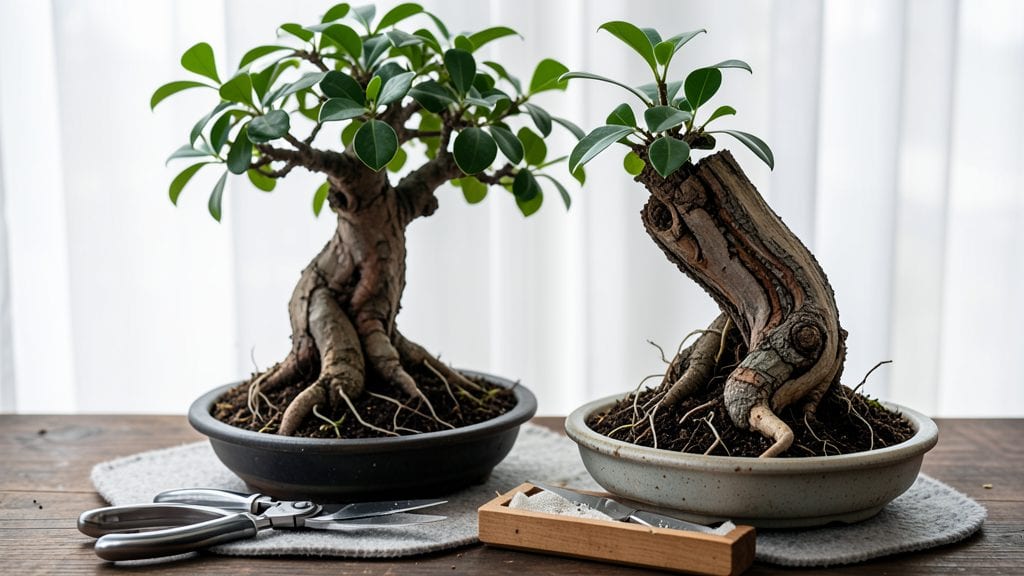
Pruning a bonsai tree isn’t just about trimming branches—it’s about sculpting a living work of art while keeping your tree thriving. ✂️ I’ve shaped everything from shohin junipers to monstera bonsais, and the key is timing, technique, and patience.
One wrong cut can stun growth for months, but master this, and your tree will reward you with denser foliage and healthier roots year-round.
Start by gathering sharp bonsai scissors, a fine wire cutter, and rubbing alcohol to sterilize tools between cuts. The best time to prune depends on your tree: evergreens get a light trim in late winter, while deciduous trees respond best in early spring.
Avoid heavy pruning in fall—it stresses the tree before winter dormancy. The goal isn’t just aesthetics; every snip should encourage balanced growth and airflow to prevent disease.
📚 In This Guide
- What you need
- Instructions
- Tips and common mistakes
- Wrapping up and next steps
What you need
- ● Sharp bonsai scissors or shears – Choose high-quality, stainless steel scissors with a fine, precise blade (e.g., blank">Gingher Bonsai Shears or similar). Size: 4-6 inches for detailed work.
- ● Concave cutter – A curved blade for making clean cuts on thicker branches (ideal for juniper or pine bonsai).
- ● Branch cutters or lopping shears – For thicker branches (½ inch or larger). Look for ratchet-style tools for extra leverage.
- ● Root hook – A sturdy, curved tool (like a blank">bonsai root rake) to gently loosen soil and roots if repotting is needed.
- ● Wire cutters – If you use aluminum or copper wire for shaping branches.
- ● Rubbing alcohol or disinfectant – To sterilize tools between cuts and prevent disease.
- ● Pruning sealant (e.g., tree wound dressing) – For sealing large cuts (½ inch or wider) to prevent decay.
- ● Magnifying glass – Helps with tiny details on delicate species like azalea or ficus.
- ● Know your bonsai species – Research your tree’s growth habits and pruning seasons (e.g., deciduous vs. coniferous).
- ● Water your bonsai 1-2 days before pruning – Ensures hydrated, flexible branches for cleaner cuts.
- ● Work in good light – Natural light helps you spot details and avoid mistakes.
- ● Have a clean workspace – Lay down a tray or newspaper to catch fallen leaves and debris.
Step-by-Step instructions for pruning a bonsai tree
Master the art of bonsai pruning with these precise seasonal techniques.
✂️ Step 1: Understand Seasonal Timing for Optimal Growth
Bonsai pruning follows a strict seasonal calendar. Spring is the prime time—just as new growth emerges—when you'll shape the tree for the year. I always prune after the last frost but before buds swell, typically in late March to April. Summer pruning focuses on maintenance: pinch back new shoots to encourage branching, but avoid heavy cuts. Fall is for cleanup—remove dead or weak growth, and winter is a hands-off season unless you're addressing deadwood.
Watch for the first flush of bright green, tender new leaves—this signals it's time to begin. If you prune too early, you risk damaging buds; too late, and you'll stunt growth. Each cut should feel deliberate, like sculpting with a scalpel rather than hacking with an axe.
🌿 Step 2: Use the Right Tools for Clean, Precise Cuts
Your tools are your extensions—sharp, clean, and purpose-built. I use a concave bonsai cutter for thick branches (never pruning shears—they crush rather than cut) and a small, fine-tip branch cutter for finer work. Always sanitize blades with rubbing alcohol before and after use to prevent disease transmission. Dull tools tear bark, inviting infection and stressing the tree.
Here's the trick: make cuts at a 45-degree angle just above a node or bud. This ensures water runs off the cut and the branch grows in the direction you want. If you're removing a larger branch, cut in two stages—first under the branch collar, then just outside the trunk—to avoid tearing.
🌱 Step 3: Shape with Intentional Cuts and Wiring
Pruning isn't just about trimming—it's about design. Start by removing one-third of the oldest leaves to reduce stress and encourage new growth. For structural branches, cut back to the second or third node from the trunk to maintain balance. If a branch is overpowering the composition, remove it entirely at the base—bonsai thrive on bold decisions.
Wiring is where the magic happens. Use aluminum or copper wire (never plastic—it cuts into bark) to gently bend branches into your vision. Wrap wire at 45-degree angles, starting at the trunk and working outward. Check weekly—wire should never dig into the bark, and branches should bend easily without snapping. Remove wire within 3-6 months to avoid scarring.
☀️ Step 4: Monitor Recovery and Adjust Care Post-Pruning
The first 7-10 days after pruning are critical. Your bonsai will look stressed—leaves may yellow, and growth might slow. This is normal. Reduce watering slightly (let the top 1 inch of soil dry between waterings) and move the tree to bright, indirect light for a week to minimize shock. Avoid fertilizing for 2-3 weeks—new roots need time to establish before absorbing nutrients.
Watch for new shoots emerging from the pruned areas—these are your feedback mechanism. If shoots grow too vigorously, pinch them back to maintain the shape. Over time, you'll develop an intuitive sense of when to prune again: typically every 2-4 weeks during the growing season, but always with the same precision.
⏰ Step 5: Refine Over Time with Patience and Observation
Bonsai pruning is a marathon, not a sprint. After the initial shaping, focus on refinement. Trim leaves to create juniper-style foliage pads or maple-style taper as your tree matures. Use tweezers for micro-adjustments—removing just a few leaves can dramatically improve the silhouette. The goal is harmony: every cut should enhance the tree's natural beauty, not fight it.
Real talk: your first few prunings might feel awkward. That's okay. Even the masters started with hesitant cuts. The key is observation—notice how the tree responds to each adjustment. Over time, you'll develop a rhythm: prune, wait, observe, refine. That's when your bonsai truly becomes a living work of art.
Tips & tricks for perfect bonsai pruning
These game-changing techniques will transform your bonsai from ordinary to extraordinary with every precise cut.
Seasonal Precision: That late March to April window in Step 1 isn't arbitrary—it's when your tree's energy is perfectly balanced between dormancy and growth. I've ruined pruning cycles by cutting too early (damaged buds) or too late (stunted growth). Watch for those bright green, tender new leaves—they're nature's countdown timer. If you miss spring, summer maintenance pruning should focus on pinching back new shoots rather than heavy structural cuts. The goal is to encourage branching without overwhelming the tree's energy reserves.
Tool Mastery: I can't stress enough how critical Step 2's tool requirements are. That 45-degree angle cut isn't just a suggestion—it's a lifeline for your bonsai. Water runs off properly, reducing rot risk, and the branch grows in the direction you intend. For thick branches, I invest in a quality concave cutter—never pruning shears. They crush rather than cut, leaving jagged wounds that invite disease. And always sanitize! I keep rubbing alcohol handy between cuts to prevent cross-contamination that could spread like wildfire through your tree.
Design Thinking: The one-third leaf removal in Step 3 might seem drastic, but it's a strategic move to reduce stress and stimulate new growth. Think of it like giving your bonsai a spa day—you're removing the oldest, most exhausted leaves to make room for fresher, more vibrant ones. When cutting structural branches back to the second or third node, visualize the tree's final silhouette. Every cut should serve the overall composition, not just eliminate what looks messy. This is where bonsai becomes art—bold decisions create harmony.
Post-Pruning Care: Those 7-10 critical days after pruning deserve special attention. Your tree will look like it's in shock—yellowing leaves, slowed growth—but resist the urge to overcompensate. Reduce watering to let the top 1 inch of soil dry between sessions, and move it to bright, indirect light. I've seen bonsai owners panic and overwater during this period, drowning their trees just as they're trying to recover. The 2-3 week fertilizer hiatus gives new roots time to establish before absorbing nutrients. Patience here pays off in stronger, more resilient growth.
Pro Tips for Prune A Bonsai Tree
- These game-changing techniques will transform your bonsai from ordinary to extraordinary with every precise cut.
- Seasonal Precision: That late March to April window in Step 1 isn't arbitrary—it's when your tree's energy is perfectly balanced between dormancy and growth.
- Tool Mastery: I can't stress enough how critical Step 2's tool requirements are.
Frequently asked questions
Got questions about pruning your bonsai? You’re not alone! Here are some of the most common concerns—and their clear, actionable answers to keep your tree thriving.
When is the best time to prune a bonsai?
The ideal time depends on your tree’s species, but late winter or early spring (just before new growth) is best for most bonsai. For evergreens, prune lightly in late summer to avoid winter stress. Pro tip: Avoid heavy pruning in fall—it can stress your tree before dormancy.
How much can I prune off without harming my bonsai?
Never remove more than 1/3 of the foliage in a single session—this prevents shock. For deciduous trees, limit pruning to 20-25% of branches per year. Warning: Over-pruning can lead to weak growth or even death. When in doubt, prune conservatively!
What if my bonsai doesn’t have leaves after pruning?
Don’t panic! Some trees (like junipers or pines) shed needles naturally after pruning. New growth should appear in 4-6 weeks. If nothing grows, check for underwatering, pests, or root issues. Adjust care and monitor closely—patience is key!
Can I use regular scissors or do I need special tools?
While you can use clean, sharp scissors for small cuts, bonsai shears or concave cutters are ideal for thicker branches. They create cleaner wounds that heal faster. For wiring, a wire cutter is a must—never use pliers!
What if I prune at the wrong time of year?
Mistakes happen! If you prune too late (e.g., deep winter), your bonsai may struggle to recover. Solution: Reduce pruning intensity, ensure proper hydration, and fertilize lightly. Most trees bounce back with consistent care—just avoid heavy cuts until the next growing season.
How often should I prune my bonsai?
Frequency varies by species, but most bonsai benefit from monthly maintenance pruning (pinching new growth) and seasonal structural pruning (2-4 times per year). Observe your tree: Prune when branches lose shape or overcrowd—this keeps your bonsai balanced and healthy.
Wrapping up and next steps
Pruning your bonsai isn’t just about trimming—it’s an art that shapes beauty and health into every branch. 🌿 By following seasonal cues, using the right tools, and mastering techniques like pinching and defoliation, you’ll nurture a thriving miniature masterpiece. Remember: patience and consistency are your best friends!
Ready to take the next step? Start with a single tree, practice your cuts, and observe how it responds. Before you know it, you’ll be confidently sculpting bonsai like a pro—one season at a time! 🌱✨