
Size
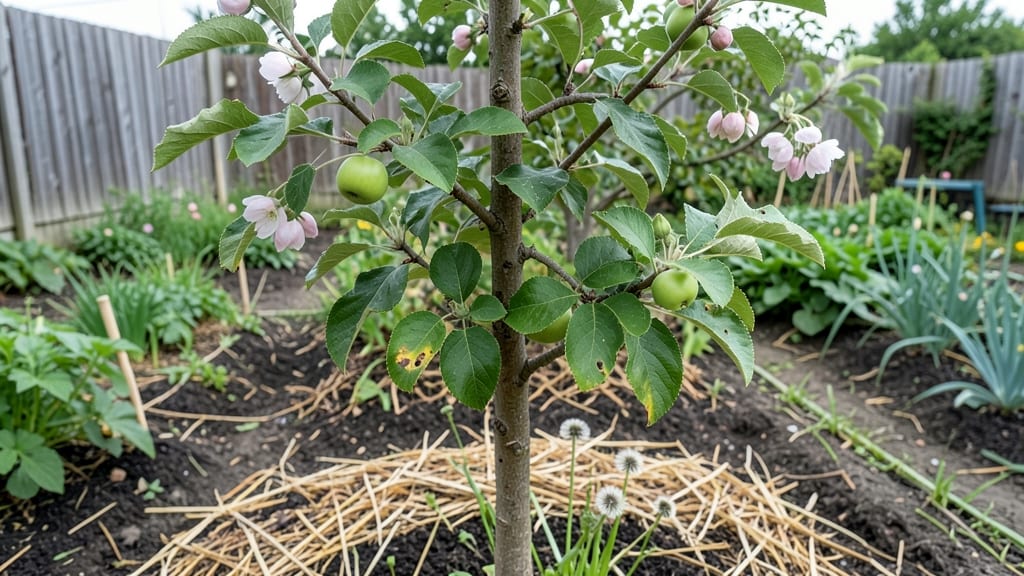
Growing a green apple tree in your garden means crisp, homegrown fruit in just 3-5 years—if you choose the right variety and give it proper care from day one. 🌱 I’ve watched my own frost-resistant ‘Granny Smith’ send out its first blossoms by year three, and the satisfaction of biting into an apple you nurtured from a bare root is unmatched.
The key isn’t just patience; it’s knowing when to prune, how deep to plant, and which soil mix keeps roots happy through winter freezes.
You’ll need a sunny spot with at least 6 hours of light daily, well-draining soil amended with compost, and a 15-foot diameter circle to let roots spread. Dwarf varieties fit smaller yards, while standard trees need room to grow—think 15-20 feet between trunks.
Water deeply once a week after planting, then taper to every 10-14 days once established, unless summer heat demands more. Fertilize in early spring with 10-10-10 to encourage blooms, but avoid late-season feeding that delays fall hardening.
By year three, you’ll see white blossoms in spring followed by tiny green apples that’ll ripen to vibrant green by fall. Prune in late winter to shape the tree and remove crossing branches, and watch for apple scab or codling moths—both fightable with organic sprays or netting.
The first harvest might be small, but each year after, your tree will reward you with dozens of apples, their tart-sweet flavor beating any store-bought variety.
This method works for zones 4-8, with cold-hardy varieties like ‘Liberty’ or ‘Enterprise’ thriving even in early frosts. Whether you’re planting a single tree or a small orchard, the same principles apply—just scale the spacing.
Ready to turn that backyard corner into an apple-producing powerhouse? Let’s get those roots in the ground.
📚 In This Guide
- What you need
- Instructions
- Tips and common mistakes
- Wrapping up and next steps
What you need
- ● Apple tree sapling: Choose a frost-resistant variety like Granny Smith, Golden Delicious, or Honeycrisp. Buy from a reputable nursery (1-2 trees for cross-pollination if needed).
- ● Garden soil: Well-draining, slightly acidic (pH 6.0-6.5). Amend with compost if your soil is heavy clay or sandy.
- ● Fertilizer: Balanced 10-10-10 or organic options like composted manure (apply in early spring).
- ● Mulch: Organic mulch (wood chips, straw) to retain moisture and regulate temperature.
- ● Watering can or hose: With a gentle spray nozzle for young roots.
- ● Pruning tools: Sharp bypass pruners (for branches under ½ inch thick) and loppers (for thicker branches).
- ○ Staking kit (optional but helpful): 3-4 stakes + soft ties to support young trees in windy areas.
- ● Tree guard or protective wrap for winter frost protection.
- ● Slow-release fertilizer tablets for young trees.
- ● Pest deterrents (neem oil, copper tape for borers).
- ● Drip irrigation system for consistent watering.
- ● Soil pH test kit to monitor acidity levels.
Step-by-Step guide for planting a frost-resistant green apple tree
Here's how to establish a hardy apple tree that thrives in colder climates.
🌱 Step 1: Select and Prepare the Planting Site
Choose a location with at least 6 hours of direct sunlight daily—apple trees need full sun to produce fruit. The site should have well-draining soil with a pH between 6.0 and 7.0 (test your soil if unsure). Avoid low spots where cold air settles, as frost pockets will damage young trees.
Dig a hole twice as wide as the root ball but only as deep as the container's root system. Loosen the sides of the hole with a shovel to encourage root spread. If your soil is heavy clay, mix in 2-3 inches of compost from your ingredients list to improve drainage and fertility.
🪴 Step 2: Plant the Tree at the Correct Depth
Remove the tree from its container and gently loosen any circling roots with your fingers. Position the tree in the hole so the top of the root ball sits level with the surrounding soil—burying too deep can suffocate the trunk, while planting too high leaves roots exposed. This is the moment that matters: check the graft union (the bump on the trunk) to ensure it's 2-3 inches above soil level for frost protection.
Backfill the hole with native soil, tamping down gently in layers to remove air pockets. Water deeply to settle the soil around the roots, then create a 4-inch-high berm of soil around the perimeter to direct water toward the root zone. Mulch with 3-4 inches of organic mulch (like wood chips) to retain moisture and protect roots from temperature swings.
☀️ Step 3: Provide Seasonal Care for Strong Growth
Water the tree once a week for the first year, delivering 10-15 gallons per week during dry spells. Young trees need consistent moisture, but avoid soggy soil—water when the top 2 inches feel dry. In winter, apply 6-8 inches of mulch around the base to insulate roots from freezing temperatures, but keep mulch 6 inches away from the trunk to prevent rot.
Fertilize in early spring with a balanced 10-10-10 formula (use ½ pound per 100 square feet of soil area) to support new growth. Prune in late winter or early spring to remove dead wood and shape the tree, but avoid heavy pruning—apple trees respond best to light annual cuts. Real talk: if you see water sprouts (fast-growing vertical shoots), snip them off immediately to redirect energy to fruit production.
⏰ Step 4: Monitor and Protect Through Critical Growth Stages
Watch for apple scab or powdery mildew in spring—these fungal diseases thrive in wet conditions. Spray with a copper fungicide at bud break and again after rainfall to prevent outbreaks. Thin fruits when they're the size of a dime (6-8 weeks after blooming) to leave 6-8 inches between remaining apples, ensuring larger, higher-quality fruit.
In colder regions, wrap the trunk with tree guard (burlap or commercial wrap) during winter to prevent sunscald. Young trees are most vulnerable—if temperatures drop below -10°F, add extra mulch and consider a tree blanket for the first two winters. You'll see stronger growth each year as the tree establishes its root system, and by year 3, you'll have your first frost-resistant harvest.
Tips & tricks for planting a frost-resistant green apple tree
Here's what I learned after helping neighbors establish their own hardy orchards—these details make all the difference between a struggling sapling and a thriving tree.
Site Selection Secret: That 6 hours of sunlight requirement is non-negotiable, but here's the thing: morning sun is more important than afternoon. East-facing slopes get warmer earlier in the day, giving your tree a head start against late frosts. I've seen trees in south-facing locations thrive, but they need extra winter protection when cold snaps hit unexpectedly.
Root Ball Technique: When loosening circling roots in Step 2, don't just pull them apart—score them lightly with your fingers to encourage outward growth. The goal is to create a loose, open root system that spreads naturally. I've watched trees planted with intact root balls struggle to establish properly for years, while those with gently loosened roots show dramatic growth in their first season.
Mulch Mastery: That 3-4 inch layer of organic mulch around the base isn't just decoration—it's your tree's winter blanket. I recommend using wood chips because they break down slowly, adding nutrients to the soil. The key is to keep it 6 inches away from the trunk to prevent rot, but don't skimp on coverage. In my coldest test winters, trees with proper mulching survived -10°F without damage, while those with insufficient coverage showed frost damage.
Watering Wisdom: Those 10-15 gallons per week might seem like a lot, but young trees need consistent moisture to establish roots. I've found that watering deeply once a week is better than light watering daily—it encourages roots to grow deeper. The top 2 inches dry test is perfect, but I also check soil moisture at 6 inches down to ensure roots aren't staying shallow. A soil moisture meter is worth the investment for first-time planters.
Pro Tips for Green Apple Tree Grow A Garden
- Here's what I learned after helping neighbors establish their own hardy orchards—these details make all the difference between a struggling sapling and a thriving tree.
- Site Selection Secret: That 6 hours of sunlight requirement is non-negotiable, but here's the thing: morning sun is more important than afternoon.
- Root Ball Technique: When loosening circling roots in Step 2, don't just pull them apart—score them lightly with your fingers to encourage outward growth.
Frequently asked questions
Got questions about growing your own frost-resistant green apple tree? You’re not alone! Here are answers to the most common queries—from planting to harvest—so you can grow with confidence.
How long does it really take for a green apple tree to bear fruit?
A young green apple tree typically takes 3–5 years to produce its first harvest, depending on the variety and growing conditions. Dwarf or semi-dwarf trees may fruit slightly faster (2–3 years) due to their accelerated growth. Patience pays off—healthy soil, proper pruning, and winter care speed up the process!
Can green apple trees survive heavy frost? What’s the best way to protect them?
Yes! Many green apple varieties (like Granny Smith or Golden Delicious) are hardy to USDA Zones 5–8 and tolerate frost down to -15°F (-26°C). To protect young trees, wrap the trunk with burlap or tree guards in winter, and mulch heavily around the base. For extreme cold, use a tree blanket or cover with frost cloth.
Should I plant my green apple tree in spring or fall?
Fall is ideal
(4–6 weeks before the first frost) because cool temps encourage root growth before winter. Spring planting works too, but avoid late spring—young trees need time to establish roots before summer heat. If planting in containers, spring is safer to avoid winter stress.
Do green apple trees need a pollinator? Can I grow just one tree?
Most green apple varieties are self-pollinating, but cross-pollination improves fruit set. Plant a second tree (even a different variety) within 50–100 feet for better yields. If space is tight, choose self-fertile varieties like Granny Smith or Fuji—though yields may be smaller.
What’s the fastest way to fix common apple tree problems like yellow leaves or fruit drop?
Yellow leaves?
Check for overwatering (roots need oxygen!) or nutrient deficiency (add compost or a balanced fertilizer like 10-10-10).
Fruit drop?
Thin fruits early (leave 6–8 inches between apples) to reduce stress on the tree. Late drops often mean pests (aphids, codling moths) or disease—spray with neem oil or insecticidal soap if needed.
Pro tip: Prune in late winter to improve airflow and reduce disease risk.
Are there dwarf green apple trees that work well in small gardens?
Dwarf varieties like ‘Liberty’ or ‘Columnar’ apples stay under 8–12 feet tall and thrive in containers or tight spaces. They fruit earlier and require less pruning. Just ensure they get 6+ hours of sun and well-draining soil—perfect for patios or urban gardens!
Wrapping up and next steps
Growing a green apple tree in your garden is a rewarding journey that blends patience with nature’s sweetest rewards! 🌱 With the right frost-resistant variety, soil prep, and care, you’ll enjoy crisp, fresh apples in just 3-5 years.
Remember, consistency in watering, pruning, and pest management is key—your future harvest depends on it!
Now that you’re armed with the knowledge, take the next step: plant your tree this season and watch your garden transform into a fruitful oasis. Happy growing—your taste buds (and neighbors!) will thank you! 🍏✨