
Pruning
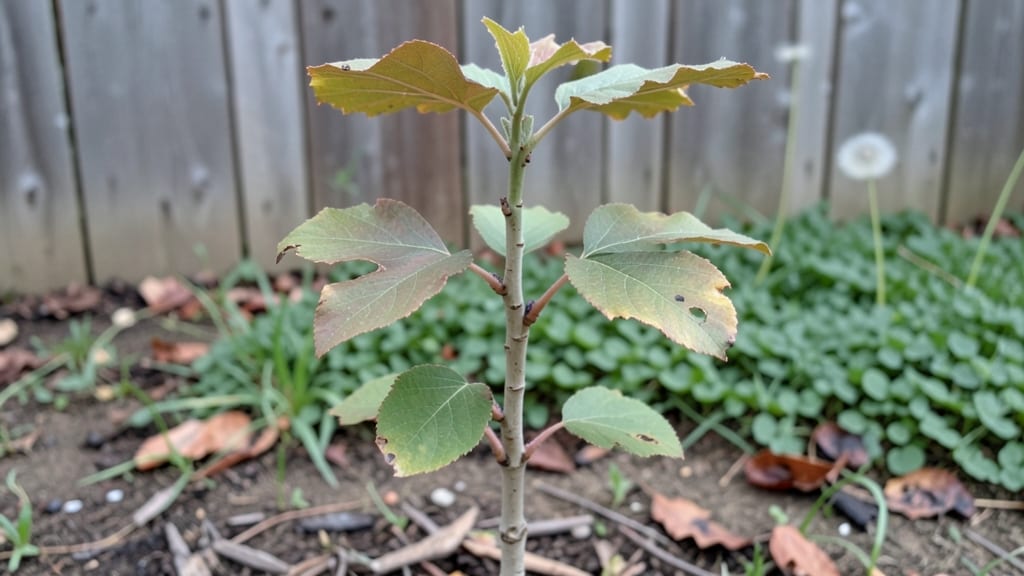
Caring for a maple tree sapling in the Pacific Northwest means preparing for wet winters and cool summers—something I learned after my first sapling nearly drowned in last year’s endless rain. 🌱 The key is matching the tree’s needs to your climate: well-draining soil, strategic watering, and protection from heavy winds.
Most gardeners overwater, thinking more is better, but maples hate soggy roots.
Start with 6 inches of compost mixed into the topsoil before planting, and choose a spot with at least 6 hours of sunlight daily. Young maples grow best with 1-2 inches of water weekly, but adjust for rain—too much moisture leads to root rot.
Prune only to remove dead branches in early spring, never in fall when sap flows heavily.
By year three, your sapling will stand 10-15 feet tall with sturdy branches, resistant to frost once established. The secret is patience: maples grow slowly but reward you with vibrant fall colors and strong wood.
Avoid common mistakes like mulching too close to the trunk or ignoring pests like aphids, which love young leaves.
This method works for red, sugar, or vine maples—just adjust watering for your microclimate. Whether you’re in Seattle’s rain shadow or Portland’s damp valleys, these steps keep your sapling thriving for decades. Let’s get that young tree off to the right start.
📚 In This Guide
- What you need
- Instructions
- Tips and common mistakes
- Wrapping up and next steps
What you need
- ● Maple sapling: Choose a hardy species like Acer circinatum (vine maple) or Acer rubrum (red maple), 1–3 feet tall with a sturdy root system.
- ● Well-draining soil: Mix 60% native soil + 30% compost + 10% perlite/sand (1 cubic yard per sapling).
- ● Organic mulch: 3–4 inches of cedar chips or pine bark (avoid fresh wood chips).
- ● Watering can or hose: With a gentle spray nozzle (1–2 gallons per watering).
- ● Pruning shears: Bypass-style, sharp, and sterilized (7–10 inch blades).
- ● Tree stakes & ties: 2–3 stakes (6–8 ft tall) + soft fabric ties (avoid wire).
- ● Frost cloth: Lightweight, breathable (1–2 pieces, 6x8 ft each).
- ● Slow-release fertilizer: Balanced 10-10-10 or maple-specific (1–2 lbs per sapling).
- ● Soil pH test kit: Ideal range for maples: 5.0–7.0 (adjust with lime or sulfur if needed).
- ● Tree collar protector: Plastic or metal guard to prevent lawnmower damage.
- ● Drip irrigation system: For automated watering (especially in dry summers).
- ● Epsom salt: 1 tbsp/month in water (boosts magnesium for young leaves).
- ● Bird netting: Protects saplings from squirrels or deer in early growth stages.
Step-by-step instructions for nurturing young maple saplings
Here's how I've helped young maples thrive in our damp, cool Pacific Northwest winters—proven methods for strong roots and sturdy growth.
🌱 Step 1: Plant in the Right Spot with Proper Soil Prep
Maple saplings need well-draining soil that stays moist but never soggy. In our climate, I always dig a hole twice as wide as the root ball but only as deep—planting too deep suffocates roots. Mix the native soil with 2-3 inches of compost (work it into the bottom of the hole) to give those tender roots a nutrient boost.
Here's the thing—maples hate competition. Remove weeds from a 6-foot radius around the sapling and mulch with 3-4 inches of wood chips (keep it 6 inches away from the trunk to prevent rot). This mimics the forest floor where maples naturally grow. Water deeply after planting to settle the soil around roots.
☀️ Step 2: Provide Smart Sunlight and Wind Protection
Young maples need partial shade during their first year—too much sun scorches tender leaves. I plant mine where they get morning sun and afternoon shade, especially in our hotter summer months. If planting in full sun, water every other day until roots establish (you'll know when topsoil stays moist between waterings).
Wind is the real enemy for saplings. In exposed areas, I wrap the trunk with tree guard or use burlap screens for the first winter. You'll see saplings lean toward prevailing winds if unprotected—this weakens their structure permanently. Stake only if absolutely necessary, using soft ties that won't girdle the trunk as it grows.
💧 Step 3: Water Deeply but Strategically
New maples need 1-2 gallons of water weekly during dry spells, but here's the catch: deep watering encourages deep roots. I use a soaker hose for 20 minutes at the base rather than quick surface watering. The goal is to wet the soil 12-18 inches down—that's how you build drought resistance.
Watch for these signs: Wilting leaves mean water immediately, but yellowing leaves usually mean overwatering. Maple saplings in our climate often suffer from root rot if kept too wet. Let the top 2 inches of soil dry between waterings—stick your finger in to check. Mulch helps retain moisture without smothering roots.
✂️ Step 4: Prune for Structure and Health
First-year pruning should be minimal—just remove dead, broken, or crossing branches. Use clean, sharp pruners to make cuts just above a bud or branch collar. I never prune more than 25% of the foliage in the first year, as this stresses young trees. The key is shaping for wind resistance—look for natural branches that form a strong, upright structure.
Here's where many gardeners mess up: Don't top the tree to control height. This creates weak, water-sprout growth that snaps in storms. Instead, focus on removing only suckers at the base and low-hanging branches that could rub against the trunk. You'll see stronger growth when you let the tree set its own natural shape.
⏰ Step 5: Winterize for Pacific Northwest Freezes
Our winters bring freezing temps and wet snow, so protection matters. Wrap the trunk with tree wrap (remove in spring) to prevent sunscald. I also mound 6 inches of mulch around the base (but not touching the trunk) to insulate roots. Water thoroughly before the first hard freeze—hydrated roots survive better than dry ones.
Watch for ice buildup on branches—this can snap tender wood. If heavy snow accumulates, gently brush it off with a broom. Young maples in our climate often suffer from winter desiccation when winds dry out leaves. A light shade cloth over the top during dry winter spells helps prevent this. You'll know you're doing it right when the sapling pushes out fresh leaves in early spring.
Tips & tricks for perfect maple tree sapling care
Here's what I learned after helping dozens of young maples survive our damp Pacific Northwest winters—these tricks make all the difference between a struggling sapling and a thriving tree.
Soil Prep Secret: When mixing that 2-3 inches of compost into the planting hole, work it into the native soil at the bottom first. This creates a nutrient-rich layer where roots will naturally grow downward. I also recommend adding a handful of mycorrhizal fungi to the planting hole—it helps roots absorb water and nutrients more efficiently. The key is to keep the compost 6 inches away from the trunk to prevent rot.
Watering Wisdom: Those 20 minutes of soaker hose time should be done slowly to avoid runoff. I set up my hose on a gentle slope so water penetrates deeply rather than pooling at the surface. You'll know you're doing it right when the soil stays moist 12-18 inches down—use a soil probe to check. In our climate, I water in the early morning to reduce evaporation and fungal growth.
Pruning Pitfalls: I can't emphasize enough how important it is to avoid topping your sapling. When I first started, I made this mistake and ended up with weak, storm-prone trees. Instead, focus on removing only suckers at the base and low-hanging branches that could rub against the trunk. The goal is to maintain that natural, strong structure maples develop in the forest.
Winter Protection Upgrade: For our harsh winters, I add an extra layer of protection by wrapping the trunk with tree wrap and then covering it with burlap during the coldest months. This double layer prevents sunscald damage when winter sun hits frozen bark. I also water thoroughly before the first hard freeze—hydrated roots are far more resilient than dry ones.
Pro Tips for Maple Tree Sapling Care
- Here's what I learned after helping dozens of young maples survive our damp Pacific Northwest winters—these tricks make all the difference between a struggling sapling and a thriving tree.
- Soil Prep Secret: When mixing that 2-3 inches of compost into the planting hole, work it into the native soil at the bottom first.
- Watering Wisdom: Those 20 minutes of soaker hose time should be done slowly to avoid runoff.
Frequently asked questions
Got questions about nurturing your maple tree sapling in the Pacific Northwest’s unique climate? You’re not alone! Here are answers to the most common concerns—from timing tricks to troubleshooting tips—so your young tree thrives year-round.
When is the best time to plant a maple sapling in the PNW?
The ideal window is early spring (March–April) or fall (September–October). Avoid planting in summer heat or winter frost—both stress young roots. For the PNW, late winter (before buds swell) is perfect, as it gives roots time to establish before summer droughts hit.
How often should I water a newly planted maple sapling?
Water deeply 2–3 times per week for the first year, aiming for 1–2 inches of water per session. In the PNW’s dry summers, mulch heavily (3–4 inches) to retain moisture. Adjust in winter: Reduce watering if the ground stays frozen—soggy soil can suffocate roots.
Do maple saplings need extra protection from PNW winters?
Most maple varieties (like Red Maple or Vine Maple) are frost-resistant, but young saplings under 3 feet tall may need help. Wrap the trunk with tree guard to prevent rodent damage, and add a light layer of mulch (not touching the trunk) to insulate roots. Heavy snow? Gently brush it off branches to avoid breakage.
Can I prune a maple sapling in its first year?
Yes, but keep it minimal! Remove only dead, crossing, or low-hanging branches (within 6–12 inches of the ground). Avoid heavy pruning—it stresses young trees. Use sterilized tools and prune in late winter (before sap rises) for best healing. Pro tip: Seal cuts larger than ½ inch with pruning sealant to prevent disease.
What pests should I watch for in PNW maple saplings?
Keep an eye out for aphids, spider mites, and borers. Aphids (tiny green/black bugs) cluster on new leaves—blast them off with water or use neem oil. Borers (signs: sawdust-like frass) require manual removal and beneficial nematodes. For prevention, encourage ladybugs (their natural predators!) with diverse garden plants.
How do I know if my maple sapling isn’t getting enough sunlight?
Watch for yellowing leaves, slow growth, or leggy stems—classic signs of shade stress. Maple saplings need 6+ hours of sunlight daily. In dense PNW forests, consider transplanting to a sunnier spot or thinning nearby trees. If relocating, do it in early spring to minimize shock.
Wrapping up and next steps
Caring for your maple tree sapling in the Pacific Northwest’s frosty climate is all about patience, preparation, and a little love! 🌱 By choosing the right variety, providing proper pruning, and protecting young roots from harsh winters, you’re setting the stage for a thriving tree that’ll grace your landscape for decades. Remember: consistency is key—whether it’s mulching, watering, or monitoring for pests, small efforts now mean big rewards later.
Ready to watch your sapling grow? Start small: mark your calendar for seasonal pruning (early spring or late winter) and keep an eye on its progress. Before you know it, you’ll be harvesting sap—or simply admiring—your very own maple masterpiece! 🌳✨