Planting
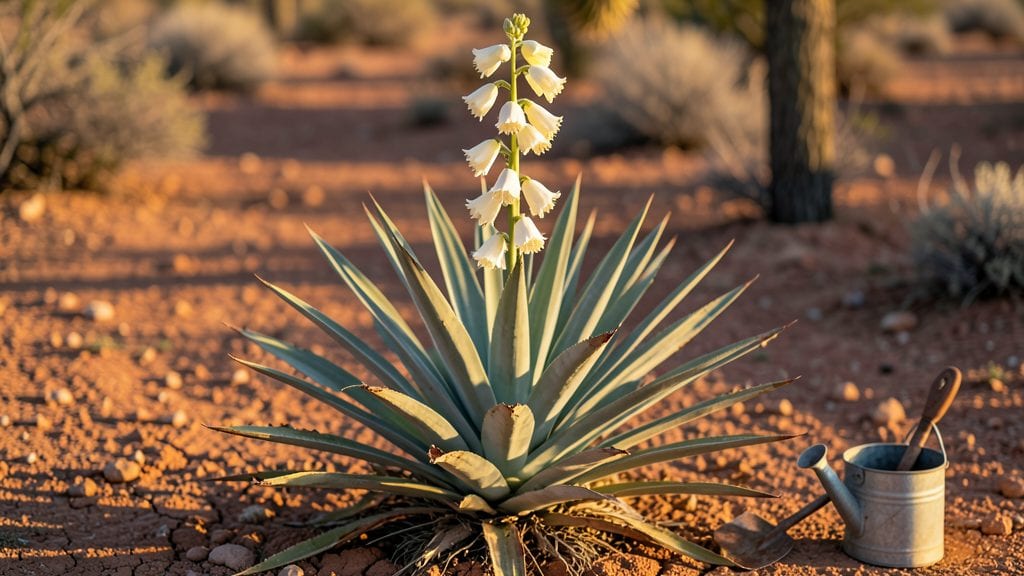
Growing Joshua trees from seed takes patience, but the reward is a desert icon that thrives with almost no fuss. 🌵 These striking plants—with their twisted branches and silvery-blue leaves—aren’t just drought-resistant; they’re practically indestructible once established.
My first attempt sprouted after three years of waiting, and now I’ve got two thriving saplings in my high-desert yard.
You’ll need well-draining soil, a sunny spot (think full sun, 6+ hours daily), and almost no water once rooted. Joshua trees despise soggy soil—more water kills them faster than neglect.
Start with a sandy, gravelly mix in a container, and only water when the soil is bone-dry. They’re slow growers but live for centuries, so every step counts.
By year five, your Joshua tree will stand tall enough to cast its own shadow, its leaves sharp enough to deter deer and rabbits. The branches develop that signature twisted shape, and the flowers—when they finally appear—are a rare, creamy spectacle.
It’s not a quick process, but it’s one of the most rewarding desert plants you can grow.
Perfect for arid climates (USDA zones 7-11), but even in milder areas, they’ll thrive in containers with proper drainage. Here’s how to get started without killing yours in the first try—because these plants are built to last.
📚 In This Guide
- What you need
- Instructions
- Tips and common mistakes
- Wrapping up and next steps
What you need
- ● Joshua Tree Seedling or Nursery Plant: 1 mature seedling (3–5 feet tall) or a 1-gallon container plant (for faster growth).
- ● Ensure it’s Yucca brevifolia—avoid lookalikes like Yucca whipplei.
- ● Well-Draining Soil Mix: 50% cactus/succulent soil (or gritty, sandy loam).
- ● 30% perlite or pumice (for aeration).
- ● 20% coarse sand (to prevent root rot).
- ● Container or Planting Hole: Container option: 1 large pot (15+ gallons) with drainage holes.
- ● Ground planting: Dig a hole twice as wide as the root ball but no deeper.
- ● Drainage Layer: 2–3 inches of gravel or crushed rock (for containers).
- ● Watering Can or Hose with Shutoff: Drip irrigation preferred for precision.
- ● Gloves & Pruners: Heavy-duty gloves (to protect from sharp leaves) and sterilized pruners (for trimming dead fronds).
- ○ Mulch (Optional but Helpful): 1–2 inches of gravel or decomposed granite (to retain heat and deter weeds).
- ● Sunlight: Full sun (6+ hours daily)—partial shade may stunt growth.
- ● Climate: Hardy in USDA Zones 7–11; avoid frost-prone areas.
- ● Water Access: Minimal watering (only when soil is completely dry).
- ● Patience: Joshua trees grow slowly (1–2 feet per year)—plan for long-term beauty!
- ● Soil moisture meter (to check dryness without overwatering).
- ● Fertilizer: Low-nitrogen, desert-specific blend (apply once a year in spring).
- ● Windbreaks (for young plants in exposed areas).
- ● Decorative rocks or succulents (to mimic its natural habitat).
How to grow a Joshua tree plant from seed to desert specimen
This hardy desert beauty needs patience but rewards you with striking, sculptural growth.
🌱 Step 1: Stratify Seeds for Successful Germination
Joshua tree seeds need a cold stratification period to break dormancy—mimic winter conditions by placing them in a sealed plastic bag with damp sand or sphagnum moss. Store the bag in your refrigerator for 60-90 days. Check monthly to ensure the medium stays moist but not soggy.
After stratification, remove the seeds and plant them ¼ inch deep in a sterile cactus/succulent mix. Use small pots (2-3 inches deep) since seedlings grow slowly at first. A heat mat set to 80-85°F speeds up germination, which can take 30-60 days—sometimes longer. Be patient; these seeds aren’t in a hurry.
☀️ Step 2: Provide Bright Light and Desert-Like Conditions
Once sprouted, move seedlings to a south-facing window or under grow lights for 14+ hours of light daily. Joshua trees need intense light to prevent leggy growth. If leaves stretch toward the light, your setup isn’t bright enough—supplement with a full-spectrum LED grow light within 4-6 inches of the plants.
Keep humidity low (below 40%) to mimic their natural habitat. A fan on low circulation prevents fungal issues. Water sparingly—only when the top inch of soil feels dry. Overwatering is the #1 killer of young Joshua trees. Use a spray bottle for gentle moisture, avoiding soggy soil.
🪴 Step 3: Transplant into Larger Pots with Well-Draining Soil
After 12-18 months, when seedlings reach 3-4 inches tall, repot into 5-7 inch pots with a cactus/succulent mix (no organic matter—it retains too much moisture). Choose pots with drainage holes to prevent root rot. Tap the pot gently to settle soil but avoid compacting it.
Space multiple seedlings 6-8 inches apart if growing in a container garden. Joshua trees grow slowly but can live for decades, so give them room. Place outdoors in full sun (6+ hours daily) once temperatures stay above 50°F at night. Harden off seedlings gradually by moving them outside for 1-2 hours daily before full transplant.
✂️ Step 4: Maintain Low-Water Care and Prune Judiciously
Mature Joshua trees thrive on neglect. Water only when the soil is bone-dry—this could mean every 2-4 weeks in summer or monthly in winter. Too much water causes root rot, which is fatal. Use a soaker hose or water at the base to avoid wetting leaves, which can invite fungal diseases.
Prune only to remove dead or damaged branches—Joshua trees rarely need shaping. If a branch dies back, cut it at the base with sterilized pruners. These plants grow 1-2 feet per year, so don’t rush them. In containers, they’ll stay smaller but develop the same striking, twisted branches over time.
⏰ Step 5: Overwinter for Long-Term Success
Joshua trees are cold-hardy once established (down to 10°F), but young plants need protection. If temperatures drop below 20°F, move potted plants to an unheated garage or shed. Mulch the base with 1-2 inches of gravel to insulate roots and prevent moisture buildup.
Resume normal watering in early spring when new growth appears. You’ll see small, spiky leaves emerge—this is your signal to increase light and reduce humidity slightly. With time, your Joshua tree will develop its iconic branching, sculptural form, becoming a true desert centerpiece.
Tips & tricks for growing a thriving Joshua tree plant
You'll want to focus on these key details that make all the difference with Joshua trees.
Stratification Secret: Don't rush the 60-90 day cold stratification—this is non-negotiable for breaking dormancy. I've seen seeds sprout after 60 days, but some take the full 90. Check your seeds monthly by gently opening the bag and feeling the moisture level; it should stay damp like a wrung-out sponge, not wet. If condensation forms on the inside, open it to air out for a few hours to prevent mold.
Lighting Strategy: Those 14+ hours of light are critical for preventing leggy growth. If your south-facing window isn't providing enough intensity, supplement with a full-spectrum LED grow light placed just 4-6 inches above the seedlings. I've noticed the light needs to be closer than you might expect—these desert plants demand serious brightness. Rotate your pots weekly so all sides get equal light exposure, preventing them from growing toward one direction.
Transplant Timing: Wait until your seedlings reach 3-4 inches tall before repotting into 5-7 inch pots—this usually happens within 12-18 months. I recommend using terracotta pots for the first transplant as they wick away excess moisture better than plastic. When tapping the pot to settle soil, do it gently but firmly; you want to eliminate air pockets without compacting the soil too much, which can suffocate young roots.
Watering Wisdom: The "bone-dry" rule is your best friend. Stick your finger about an inch into the soil—if it feels completely dry, it's time to water. I've learned the hard way that Joshua trees are far more forgiving of underwatering than overwatering. When using a spray bottle, apply water in the morning so any moisture on leaves can evaporate during the day, reducing fungal risks. For mature plants, watering every 2-4 weeks in summer becomes second nature once you establish this routine.
Pro Tips for Growing Joshua Tree Plant
- You'll want to focus on these key details that make all the difference with Joshua trees.
- Stratification Secret: Don't rush the 60-90 day cold stratification—this is non-negotiable for breaking dormancy.
- Lighting Strategy: Those 14+ hours of light are critical for preventing leggy growth.
Frequently asked questions
Got questions about growing your own Joshua Tree plant?
You’re not alone! Here are some of the most common concerns—and straightforward answers—to help you succeed in nurturing this desert icon.
How long does it take for a Joshua Tree to grow from seed to maturity?
A Joshua Tree seedling can take decades to reach full maturity—often 50 to 100 years! In its first 5 years, growth is slow (just 1–2 inches per year), so patience is key. For faster (but smaller) results, consider transplanting a young nursery-grown specimen instead.
Why is my Joshua Tree plant turning yellow or dropping leaves?
Yellowing or leaf drop usually signals overwatering or poor drainage. Joshua Trees are drought-tolerant—water only when the soil is completely dry (every 2–4 weeks in summer, rarely in winter). Ensure your pot has drainage holes and use a gritty, well-draining cactus/succulent mix.
Can I grow a Joshua Tree indoors, or does it need full desert sun?
While Joshua Trees thrive outdoors in full sun, you can keep them indoors near a south-facing window with 6+ hours of bright light daily. A grow light works in a pinch, but expect slower growth. Outdoor plants in containers need winter protection (e.g., move to a garage or use frost cloth).
What are some fast-growing alternatives if I want a similar desert look?
If you’re eager for instant desert drama, try these low-maintenance stand-ins:
- Pincushion Cactus (Escobaria): Blooms in vibrant colors, grows quickly.
- Agave: Bold, architectural, and drought-resistant.
- Yucca: Similar spiky silhouette, faster growth than Joshua Trees.
- Prickly Pear Cactus: Hardy and produces edible fruit!
How do I protect my Joshua Tree from frost or freezing temperatures?
Joshua Trees are hardy to USDA Zone 9–11, but young plants or container-grown trees need extra care in cold snaps. Move potted plants to a sheltered spot (like a garage) or wrap the pot in bubble wrap. For outdoor plants, mulch the base with gravel to insulate roots—just avoid piling it against the trunk.
Are Joshua Trees prone to pests, and how do I treat them?
They’re generally pest-resistant, but watch for scale insects or mealybugs (tiny white cottony clusters). Treat infestations by wiping leaves with a 70% isopropyl alcohol solution or spraying with neem oil. Prune heavily infested branches to prevent spread.
Wrapping up and next steps
Growing a Joshua tree plant is a rewarding journey that brings a touch of the desert’s majesty into your space—with just the right balance of patience and care. 🌵✨ Remember, these hardy plants thrive on minimal intervention, so don’t stress over perfection.
Whether you’re nurturing a seedling or transplanting a mature sapling, your efforts will pay off in years of striking, drought-resistant beauty.
Ready to watch your Joshua tree flourish? Start by monitoring its progress, adjusting care as needed, and share your desert oasis with fellow plant enthusiasts! Happy growing!