Propagation
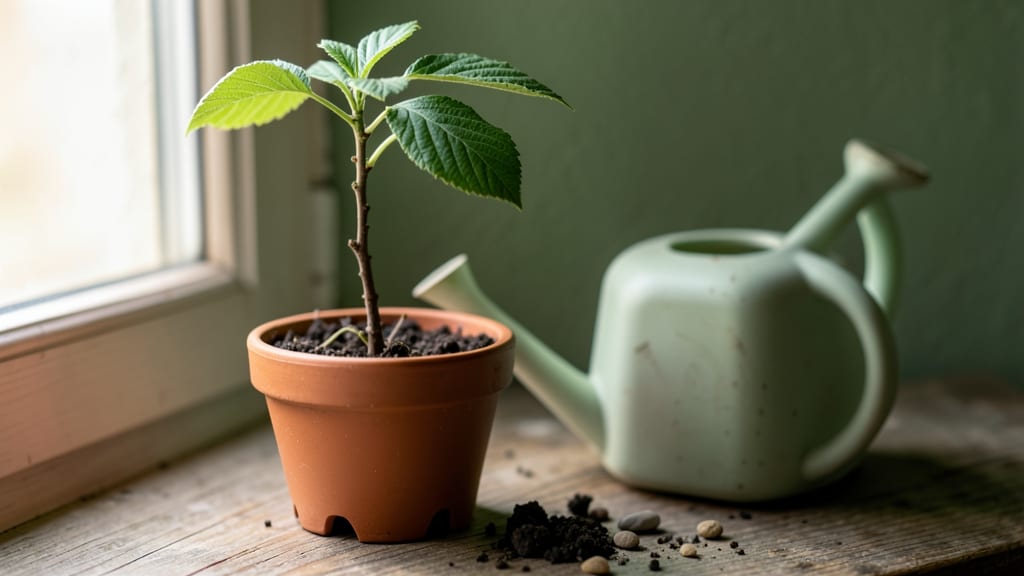
Growing hazelnut trees from seed lets you start with the hardiest varieties—like the cold-resistant filbert—right from your kitchen counter. 🌱 The trick begins with stratification, a process that mimics winter's cold to break seed dormancy, and once you crack that, you're on your way to a future orchard.
My first batch of hazelnuts took five months just to sprout, but that patience pays off with trees that thrive in zones 4-7 and produce nuts in just three years.
You'll need moist sand or peat moss, a sealed container, and a fridge for the stratification step—no fancy equipment, just time. After that, it's simple: plant the sprouted seeds in well-draining soil, give them full sun, and watch for those first true leaves.
The real magic happens in year three when you'll finally see buds forming, though full harvests take another two seasons. This isn't a quick crop, but the payoff—homemade hazelnuts straight from your yard—is worth every year of waiting.
By the time your saplings hit three years, you'll have sturdy trees ready for their first real pruning. The nuts themselves start small but grow into rich, flavorful filberts perfect for baking or snacking.
The best part? These trees handle cold snaps like a champ, making them one of the most reliable nut crops for northern gardeners. Just be patient—those first harvests are the sweetest reward of all.
Whether you're planning a full orchard or just a few trees for your backyard, hazelnuts grow surprisingly well in containers too. Start small, and you'll have a self-sustaining nut source in no time.
The key is consistency—watering, sunlight, and that initial stratification step—and before you know it, you'll be harvesting nuts from trees you grew yourself.
📚 In This Guide
- What you need
- Instructions
- Tips and common mistakes
- Wrapping up and next steps
What you need
- ● Fresh hazelnut seeds: 5–10 viable seeds (from a cold-hardy variety like Filbert or European Hazelnut). Harvest them in late fall when the husks open naturally.
- ● Small pots or seed trays: 3–4 inch pots (or a tray with drainage holes) for germination. Biodegradable pots work great for transplanting later!
- ● Well-draining potting mix: A blend of 50% peat moss or coconut coir, 30% perlite or vermiculite, and 20% compost. Avoid heavy garden soil—it retains too much moisture.
- ● Plastic wrap or humidity dome: To maintain moisture during germination (seeds need warmth and humidity!).
- ● Spray bottle: For gentle watering—no drenching! Seeds need consistent moisture but hate soggy soil.
- ○ Heat mat (optional but helpful): A seedling heat mat (set to 70–75°F) speeds up germination. Place pots on it for 4–6 weeks.
- ● Grow lights or sunny windowsill: Seedlings need 12–14 hours of light daily. A full-spectrum LED grow light works best if natural light is limited.
- ● Fertilizer (after germination): A balanced, water-soluble fertilizer (e.g., 10-10-10) diluted to half-strength for young seedlings.
- ● Pruning shears: Small, sharp shears for trimming leggy seedlings or removing damaged leaves.
- ● Cold stratification: Hazelnut seeds must undergo a 3–4 month cold period (40–50°F) to break dormancy. Store seeds in a moist paper towel in a sealed bag in your fridge.
- ● Outdoor space (for transplanting): A sunny, sheltered spot with well-draining soil (pH 6.0–7.5). Hazelnuts thrive in USDA Zones 4–8.
- ● Patience: Seed-grown hazelnuts take 3–5 years to produce nuts—plan ahead for a rewarding harvest! 🍯
- ● Soil test kit: Check your garden soil’s pH and nutrients before planting out seedlings.
- ● Tree guards or fencing: Protect young saplings from deer or curious critters.
- ● Mulch: Wood chips or straw to retain moisture and suppress weeds around mature trees.
- ● Pollination assistance: If growing multiple trees, a soft paintbrush can help with cross-pollination later on.
Step-by-step guide to growing cold-hardy hazelnut trees from seed
Here's how to turn those fall-collected nuts into sturdy saplings ready for your orchard.
🌱 Step 1: Harvest and Stratify the Seeds
Collect fresh hazelnuts in fall when they've fallen naturally—they won't germinate if dried out. Remove any cracked or shriveled nuts, then place them in a sealed container with slightly damp peat moss or sand. Store in your refrigerator's crisper drawer for 120 days (about 4 months).
This cold stratification mimics winter conditions and breaks seed dormancy. Check monthly to ensure the mix stays just moist—like a wrung-out sponge. You'll know stratification worked when tiny roots appear through the mesh of your container.
☀️ Step 2: Plant Stratified Seeds in Containers
Fill 4-inch pots with a mix of 50% potting soil and 50% perlite for excellent drainage. Plant each seed 1 inch deep, spacing them 2 inches apart if using a tray. Gently firm the soil around them so they stay upright but don't compact.
Place the pots in a cool, bright location (around 50-55°F) for the first 30 days. Water lightly from below by placing pots in ½ inch of water for 10 minutes weekly—this prevents rot while keeping roots moist. You'll see cotyledons (first true leaves) emerge in 4-6 weeks.
🌿 Step 3: Transition to Outdoor Conditions
After 60 days of indoor growth, move seedlings to a shaded outdoor spot for 2 weeks to harden off. Gradually increase sun exposure over 10 days, watching for any leaf scorch. Choose a location with partial sun (morning light, afternoon shade) for the first year.
Water deeply once weekly during dry spells, letting the soil dry slightly between waterings. You'll notice new growth spurt when you see second set of true leaves—this means roots are establishing well. Fertilize lightly with balanced 10-10-10 at half strength in early spring.
⏰ Step 4: Plant Out and Establish Saplings
After 2 growing seasons (when seedlings reach 3-4 feet tall), transplant to permanent orchard positions in fall or early spring. Dig holes twice as wide as the root ball but no deeper. Amend planting soil with compost for better nutrient retention.
Space trees 15-20 feet apart for proper airflow and sunlight penetration. Water immediately after planting to settle soil around roots, then maintain 1 inch of water weekly during the first year. You'll see lateral branches forming by the third year—these are your first signs of future nut production.
Tips & tricks for perfect cold-hardy hazelnut growth
Here's what I learned after growing my own orchard—these little details make all the difference between struggling saplings and thriving trees.
Stratification Success: The 120-day cold treatment isn't just about time—it's about consistency. I use a mesh container so I can actually see those little roots forming through the sides. Once you spot them, it's your cue that stratification worked. If you're short on fridge space, a cool basement or unheated garage works too, just keep that temperature steady at around 35-40°F.
Container Selection Tip: While 4-inch pots work fine, I've found that 6-inch pots give roots more room to establish before transplanting. Use pots with drainage holes—water pooling at the bottom is how you get root rot. And here's a pro move: label each pot with the date you planted it so you can track growth progress.
Lighting Strategy: That 50-55°F temperature range is crucial for the first 30 days, but don't neglect light. Place pots near an east-facing window where they'll get gentle morning sun. If your space is too dark, supplement with a grow light for 12 hours daily. I've seen seedlings stretch toward weak light and become leggy—this is your warning sign to add more illumination.
Transplanting Timing: The 60-day indoor mark is your starting point, but don't rush the outdoor transition. I wait until nighttime temperatures stay above 45°F consistently. Harden off gradually by moving pots outside for just an hour the first day, then increasing time each subsequent day. This toughens up those tender seedlings for the real world.
Pro Tips for Growing Hazelnut Trees From Seed
- Here's what I learned after growing my own orchard—these little details make all the difference between struggling saplings and thriving trees.
- Stratification Success: The 120-day cold treatment isn't just about time—it's about consistency.
- Container Selection Tip: While 4-inch pots work fine, I've found that 6-inch pots give roots more room to establish before transplanting.
Frequently asked questions
Got questions about growing hazelnut trees from seed?
Here are some of the most common ones—plus quick, practical answers to help you avoid pitfalls and set your orchard up for success.
How long does it take for hazelnut seeds to germinate?
Hazelnut seeds typically take 60–90 days to germinate when sown fresh, but stratification (cold treatment) can extend this to 3–6 months for better root development. If your seeds sprout faster (or not at all), check moisture levels—consistent dampness (not soggy!) is key. Patience pays off!
Do I need to stratify hazelnut seeds before planting?
Yes!
Stratification mimics winter conditions, breaking seed dormancy. Place seeds in a damp paper towel or peat moss, then refrigerate for 8–12 weeks at 34–40°F (1–4°C). Skip this step, and germination rates drop sharply. Pro tip: Label your seeds to track stratification progress.
Can I grow hazelnuts from store-bought nuts?
Technically yes, but store-bought nuts are often processed or irradiated, which kills viability. For best results, use fresh, local hazelnuts from wild trees (avoid hybrid varieties like 'Barcelona'). If store-bought is your only option, test a few seeds—success isn’t guaranteed!
What pests or diseases should I watch for in young hazelnut seedlings?
Keep an eye out for eastern filbertworm caterpillars (they munch leaves) and aphids (sap-suckers). Fungal issues like brown rot can strike if humidity’s too high. Preventative care: Prune for airflow, use neem oil early, and mulch to deter soil-borne pathogens. Act fast—young trees are most vulnerable!
Will my seed-grown hazelnuts produce nuts in 3 years?
Unlikely! Seedlings take 5–10 years to bear fruit (vs. 3–4 years for grafted trees). If you’re impatient, consider grafting a known variety onto your seedling later. For faster results, buy rootstock and graft compatible scions—but seed-grown roots add hardiness!