
Propagation
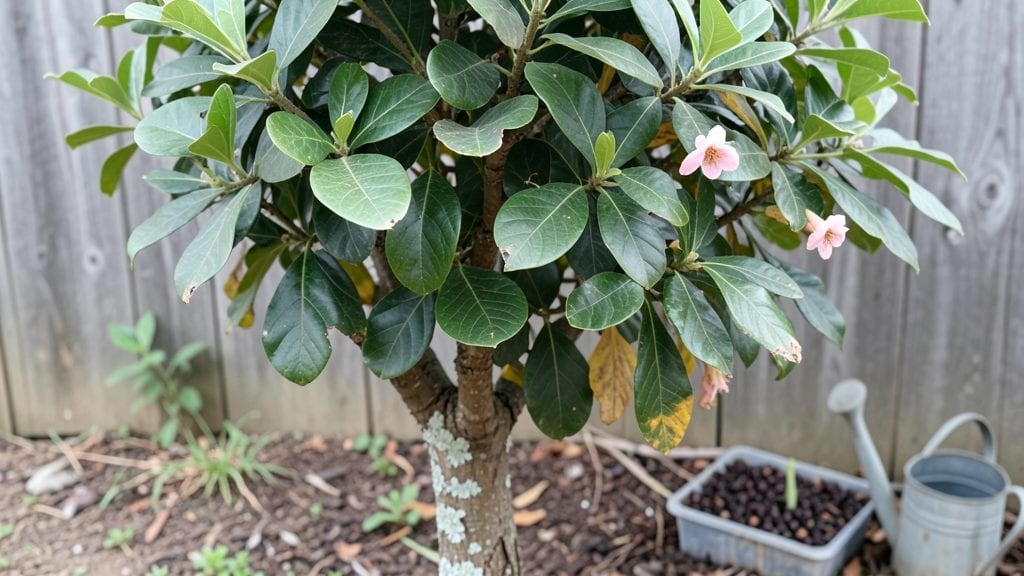
Growing a guava tree from seed means waiting for sweet, fragrant fruit—but the journey starts with a single pit and a damp paper towel. 🌱 I’ve started guava trees from seed twice, and while the first one took five years to bear fruit, the second surprised me with its first harvest in just three.
The key isn’t rushing; it’s creating the right conditions for that tiny seed to wake up and grow.
You’ll need a few simple supplies: a guava fruit (ripe ones yield better seeds), paper towels, a plastic bag, a small pot, and well-draining potting mix. The trickiest part is patience—guava seeds can take 3-6 weeks to germinate, and the seedlings grow slowly at first.
But once they’re established, they thrive with full sun and consistent watering, even in containers if you live in a cooler climate.
By the time your seedling reaches 12 inches tall, you’ll be pinching back new growth to encourage a bushier shape. The real reward comes years later, when you’re plucking fruit straight from your own tree.
The smell alone—like a mix of pineapple and strawberry—makes the wait worthwhile, even if you have to protect young trees from frost or pests along the way.
This method works best in USDA Zones 9-11, but with a little extra care (like bringing potted trees indoors in winter), you can grow guavas almost anywhere. The slow start is part of the charm—it teaches you to garden with long-term joy, not just instant gratification.
📚 In This Guide
- What you need
- Instructions
- Tips and common mistakes
- Wrapping up and next steps
What you need
- ● Guava seeds: 3–5 fresh, plump seeds (harvested from ripe guava fruit—avoid overripe or spoiled ones).
- ● Well-draining potting mix: 1 small pot (4–6 inches in diameter) filled with a blend of cactus/succulent mix (60%) and perlite or coarse sand (40%) for aeration.
- ● Biodegradable seed-starting pots or peat pellets: 1–2 units (to avoid transplant shock).
- ● Spray bottle: 1 (for gentle watering).
- ● Clear plastic wrap or humidity dome: 1 sheet (to create a mini greenhouse effect).
- ● Grow lights or sunny windowsill: Access to bright, indirect light (6+ hours/day) or a 12–16 hour LED grow light.
- ● Small knife or spoon: 1 (for carefully extracting seeds from fruit without damaging them).
- ○ Fungicide (optional): A light dose of mycorrhizal fungi or cinnamon powder (to prevent damping-off disease).
- ○ Heat mat (optional): 1 (keeps soil at 75–85°F for faster germination).
- ● Fertilizer (after germination): A balanced 10-10-10 or fish emulsion (diluted to half-strength).
- ● Larger container (6+ months later): 1 gallon pot with drainage holes (for transplanting seedlings).
Step-by-step instructions for growing a guava tree from seed
Here's how to nurture a tropical fruit tree from a simple seed—with patience and care.
🌱 Step 1: Extract and Prepare the Seed
Choose a ripe guava fruit with no blemishes. Cut it open and remove the flat, brown seeds inside. Rinse them gently under cool water to remove any pulp. Here's the thing—guava seeds have a hard outer shell that slows germination, so we need to soften it first.
Place the seeds in a small bowl and cover them with warm water for 24 hours. This softens the seed coat and speeds up sprouting. Drain and let them sit on a paper towel overnight to dry slightly. You'll know they're ready when they feel slightly damp but not wet.
💧 Step 2: Plant the Seeds in a Moist Growing Medium
Fill a small pot—3-4 inches deep—with a well-draining mix of 50% potting soil and 50% perlite or coarse sand. This prevents root rot, which is a common killer of young guava seedlings. Moisten the mix until it's damp but not soggy, like a wrung-out sponge.
Plant the seeds ½ inch deep, spacing them 1-2 inches apart if you're sowing multiple seeds. Cover them lightly with soil and mist the surface with water until evenly moist. Place the pot in a warm, shaded area—75-85°F is ideal for germination. You'll see tiny sprouts in 2-4 weeks, but don't rush this step. Patience here pays off later.
☀️ Step 3: Provide Warmth and Light for Sprouting
Once the seeds sprout, move the pot to a bright, indirect light spot. Guava seedlings need 4-6 hours of sunlight daily but avoid harsh midday sun, which can scorch tender leaves. If you're using a grow light, keep it 6-8 inches above the seedlings for 12-14 hours a day.
Water the soil when the top inch feels dry, but avoid overwatering—guava seedlings are sensitive to root rot. If a seedling grows leggy (thin and stretched), it needs more light. You'll know it's thriving when the leaves are dark green and glossy, and new growth appears every 2-3 weeks.
🪴 Step 4: Transplant and Support Growth
After 3-4 months, when the seedlings are 6-8 inches tall, transplant them into 6-inch pots with fresh potting mix. Choose the strongest, straightest seedling to keep—guava trees can be finicky, and not all will thrive. Handle the roots gently to avoid damage; rough handling stunts growth.
Place the pot in a sunny outdoor spot (if temperatures stay above 55°F) or keep it indoors near a south-facing window. Guava trees love warmth and humidity, so if your climate is dry, mist the leaves occasionally. You'll notice new leaves forming more quickly once they're in better conditions. This is when the real growth spurt begins!
⏰ Step 5: Prune and Train for a Strong Structure
When your guava seedling reaches 12-18 inches tall, it's time to shape it. Pinch back the top set of leaves to encourage branching—this creates a bushier, more stable tree. Use clean, sharp pruners to make cuts just above a leaf node. Avoid cutting into old wood, as guava trees don't regrow well from mature stems.
As the tree grows, stake it if needed to prevent toppling. Guava trees can get top-heavy with fruit later on, so early support helps. Keep the soil consistently moist but well-draining, and fertilize lightly with a balanced 10-10-10 fertilizer every 2 months during the growing season. You'll see the first signs of fruit in 3-5 years—so stay patient and keep nurturing!
Tips & tricks for growing a guava tree from seed
Here's what nobody tells you—these little details make all the difference between a thriving guava tree and a sad seedling that never takes off.
Seed Prep Secret: Don't skip the 24-hour warm water soak! This isn't just about speeding up germination—it's about breaking down the tough seed coat that would otherwise keep your guava seed dormant for months. I learned this the hard way after waiting weeks for seeds that never sprouted. After soaking, let them dry slightly on paper towels—they should feel damp but not wet, almost like a wrung-out sponge. This prevents mold while keeping the seeds ready to germinate.
Lighting Strategy: Guava seedlings are picky about light—too little and they get leggy, too much and they scorch. The 4-6 hours of sunlight mentioned is your sweet spot, but here's the trick: if you notice your seedlings stretching toward the light (that's the "leggy" sign), it's time to move them closer to your light source or add a grow light. I keep mine 6-8 inches under a grow bulb for 12-14 hours daily, and you'll see that dark green, glossy leaf color that means they're thriving. That's the visual cue you're looking for!
Transplanting Wisdom: When you're ready to move your 3-4 month old seedlings to 6-inch pots, here's what I do: I water them thoroughly the day before transplanting so the roots slide out easily. Then I use a small trowel to gently loosen the soil around the roots—this prevents shock. The key is to handle the roots like they're made of glass; rough handling can stunt growth for months. And don't forget to choose the strongest seedling—guava trees can be finicky, and not all will make it to fruiting age.
Fertilizer Timing: That 10-10-10 fertilizer recommendation is perfect, but here's the catch: don't start fertilizing until your seedling has been in its 6-inch pot for at least 2 months. Young roots are delicate and can get burned by fertilizer salts. Once you begin, stick to every 2 months during growing season—spring and summer—and cut back in fall/winter when growth slows. I've seen people overdo it and end up with leaf burn instead of fruit production.
Pro Tips for Guava Tree From Seed
- Here's what nobody tells you—these little details make all the difference between a thriving guava tree and a sad seedling that never takes off.
- Seed Prep Secret: Don't skip the 24-hour warm water soak!
- Lighting Strategy: Guava seedlings are picky about light—too little and they get leggy, too much and they scorch.
Frequently asked questions
How long does it take for a guava seed to sprout?
A guava seed typically sprouts within 2-4 weeks if kept in warm, moist conditions (70–85°F). Patience is key—some seeds may take up to 6-8 weeks, especially if stored improperly. Use a heat mat or sunny windowsill to speed up germination.
Will a guava tree grown from seed produce fruit like the parent plant?
Probably not! Seed-grown guavas may produce smaller, less flavorful fruit or even different varieties than the parent tree. For consistent fruit, graft onto a rootstock or buy a named cultivar. If you love experimentation, seed-grown trees can still yield surprises!
Can I speed up growth after germination?
Yes! Once sprouted, move seedlings to bright, indirect light and fertilize lightly with a balanced 10-10-10 mix every 4-6 weeks. Prune leggy growth to encourage bushiness. In warmer climates, transplant outdoors after 6 months—patience pays off as trees mature in 3-5 years.
What if my guava seed won’t sprout?
Try these fixes:
- Check moisture—seeds need consistent dampness
- Test viability by soaking in warm water for 24 hours (floating seeds are likely dead)
- Use fresh seeds—older seeds lose viability faster (store-bought guavas are best)
- Consider layering (burying seeds in soil) for stubborn varieties
Can I grow a guava tree indoors?
Possible, but challenging! Guava trees thrive outdoors in USDA zones 9-11. Indoors, they’ll need 10+ hours of light daily (grow lights help) and high humidity. Expect slower growth and smaller fruit. If you’re determined, keep it near a sunny window and prune aggressively to control size.
Wrapping up and next steps
Growing a guava tree from seed is a rewarding journey that blends patience with the joy of nurturing life. With the right tools, care, and a dash of tropical enthusiasm, you’ll soon watch your tiny seedling transform into a fruit-bearing beauty—all while embracing the magic of nature’s cycle. 🌱✨
Now that you’re armed with knowledge, take the first step: grab those seeds, prep your soil, and let the adventure begin! Whether you’re a seasoned gardener or a curious beginner, every seed planted today could be tomorrow’s sweet harvest.