
Pruning
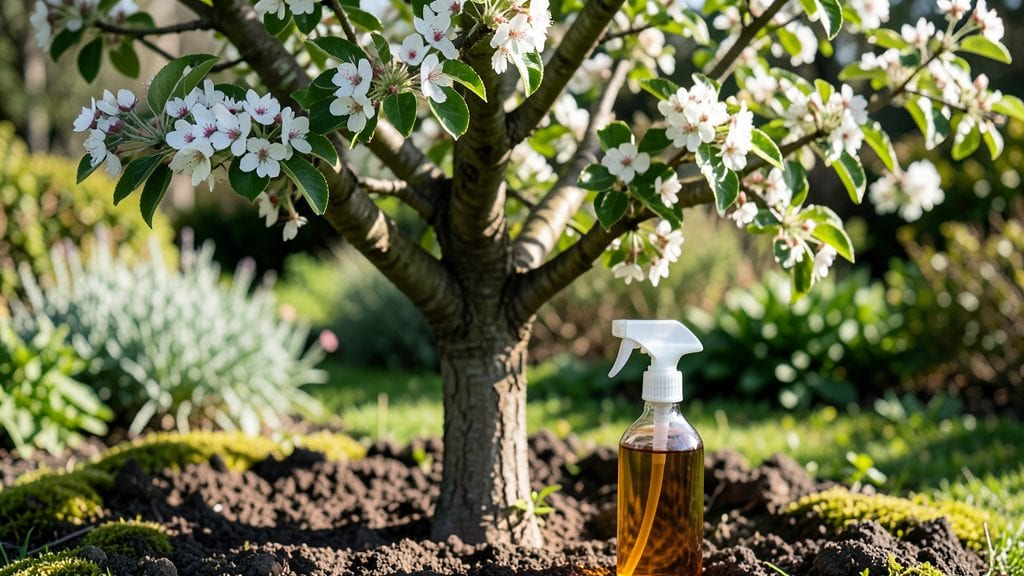
My home fruit tree spray saved my peach tree last summer—just when it was covered in aphids and starting to look like a science experiment gone wrong. 🌱 The right mix of organic ingredients stopped the pests dead in their tracks without harming the tree or my family.
What works isn’t just about throwing together random household items; it’s about understanding which pests need which treatments and when to apply them for the best results.
You’ll need basic supplies like neem oil, insecticidal soap, and baking soda—all things you can find at the grocery store or garden center. The recipes are simple, but the timing matters: spray early in the morning or late afternoon to avoid burning leaves, and always test a small branch first.
This isn’t a one-and-done solution; it’s about building a routine that keeps your trees healthy season after season.
By the end of the season, you’ll see fewer pests, fewer spots on the leaves, and fruit that’s actually worth picking. The trees will look stronger, too—less stress means better growth and sweeter harvests.
The best part? You’re not relying on harsh chemicals that could end up in your soil or on your fruit.
Works for apples, peaches, cherries, and more—just adjust the recipe based on what’s attacking your trees. Let’s get those sprays mixed right and keep your orchard thriving naturally.
📚 In This Guide
- What you need
- Instructions
- Tips and common mistakes
- Wrapping up and next steps
What you need
- ● Neem oil (100% cold-pressed): 1 tablespoon (for every 1 quart of water)
- ● Insecticidal soap (organic, like Dr. Bronner’s): 1 tablespoon (per quart of water)
- ● Baking soda: 1 teaspoon (per quart of water)
- ○ Horticultural oil (optional but effective): 1 tablespoon (per quart of water)
- ● Water: 1 gallon (divided into quarts for mixing)
- ● Spray bottle or pump sprayer: 1–2 (1-gallon capacity preferred)
- ● Strainer or cheesecloth: 1 (to filter out debris)
- ● Gloves (nitrile or rubber): 1 pair (to protect your skin)
- ○ Face mask (optional): 1 (for sensitive skin or strong scents)
- ● Measuring cups/spoons: Set (for accuracy)
- ● Large mixing container: 1 (5-gallon bucket works well)
- ● Stirring stick or spoon: 1 (wooden or plastic)
- ● Sunny, dry day: Apply sprays in the early morning or late afternoon to avoid burning leaves.
- ○ Pruned trees (optional but ideal): Remove diseased branches before spraying for better absorption.
- ○ Essential oils (optional): 5–10 drops of peppermint, rosemary, or clove oil (enhances pest repellent properties)
- ● Dish soap (mild, like Castile): ½ teaspoon (boosts insecticidal soap effectiveness—test on a small leaf first!)
- ● Vinegar (white, 5% acidity): 1 tablespoon (helps dissolve fungal spores—use sparingly!)
- ● Label maker: 1 (to mark spray dates and ingredients)
How to make an effective organic fruit tree spray
Here's the simple, all-natural approach I use to protect my orchard—no harsh chemicals, just targeted defense.
🌿 Step 1: Gather Your Organic Base Ingredients
Start with 2 tablespoons of neem oil—this is your workhorse ingredient for pest control. Add 1 tablespoon of horticultural oil to help spread the neem and smother soft-bodied insects. For disease prevention, mix in 1 tablespoon of baking soda (yes, the kitchen kind) and 1 teaspoon of liquid dish soap (unscented, like Castile). These create an alkaline environment pests and fungi can't tolerate.
Combine everything in a 1-gallon spray bottle—I like the pump-action kind for even coverage. The baking soda might settle, so give it a good shake before each use. This blend works best when fresh, so prepare it the same day you plan to spray. Here's the thing—neem oil breaks down quickly in sunlight, so you'll want to use it within 4-6 hours of mixing.
💧 Step 2: Add Water and Mix Thoroughly
Fill the spray bottle with warm water (around 70°F)—this helps the oils disperse better. Fill almost to the top, leaving about ½ inch of space to prevent pressure buildup when shaking. Screw the lid on tightly and shake vigorously for 30 seconds to emulsify the mixture. You'll want it to look uniformly cloudy, not separated.
For stubborn pests like aphids or mites, let the mixture sit for 10 minutes after shaking. This gives the baking soda time to fully dissolve and creates a more potent spray. Test the pressure by spraying a small amount onto a leaf—if it beads up instead of spreading, add a few more drops of water and shake again. The goal is a fine mist that coats leaves without dripping.
☀️ Step 3: Apply at the Right Time and Conditions
Spray your fruit trees in the early morning or late afternoon when temperatures are below 85°F. Direct sunlight causes the oils to evaporate too quickly, reducing effectiveness. Choose a calm day—wind can carry the spray off-target or leave uneven coverage. Focus on the undersides of leaves, where many pests hide, and aim for the fruit stems where diseases often take hold.
Apply until the leaves are glistening but not dripping. This ensures full coverage without wasting the mixture. Reapply every 7-10 days or after heavy rain, as the spray washes off over time. I always spray the ground around the tree too—this prevents reinfestation from soil-dwelling pests. Real talk: The first spray might not eliminate everything, but you'll see a noticeable difference within a week if pests are caught early.
✂️ Step 4: Monitor and Reapply as Needed
Check your trees 3-4 days after spraying for any new signs of pests or disease. Look for sticky residue (honeydew) on leaves, which signals aphids, or tiny webs that indicate spider mites. If you see fresh damage, repeat the spray. For severe infestations, you might need to apply it twice a week for a couple of weeks until the problem clears.
Rotate this spray with other organic treatments like garlic or chili pepper sprays every few weeks to prevent pests from building resistance. Keep a spray log—note the date, weather conditions, and any pests you observed. This helps you track what's working and when to adjust your schedule. Don't skip this step; pests adapt fast, and consistency is key to long-term protection.
Tips & tricks for perfect home fruit tree spray
Took me years of trial and error to perfect this spray—here's what actually makes the difference between a good spray and one that works reliably.
The Oil Ratio Matters: The 2:1:1 ratio of neem oil to horticultural oil to baking soda is critical. Neem oil disrupts insect life cycles, horticultural oil smothers pests, and baking soda creates an alkaline barrier. I learned this the hard way after ruining three batches with incorrect proportions—stick to the recipe! The dish soap acts as an emulsifier, helping these ingredients blend properly without separating.
Water Temperature Tip: That 70°F warm water isn't just arbitrary—it's the perfect balance to activate the baking soda while keeping the oils stable. Too cold and the baking soda won't dissolve fully; too hot and you'll break down the neem oil's active compounds. Use a thermometer if you're unsure about your tap water temperature.
Application Technique: When applying, work from the bottom up—start with the trunk and work your way to the top branches. This prevents drips from running down and missing lower leaves. I use a fine-mist setting on my pump sprayer to ensure even coverage without wasting product. The glistening-but-not-dripping rule is non-negotiable for maximum effectiveness.
Storage Wisdom: After mixing, store any leftover spray in a cool, dark place (like your fridge) for up to 24 hours. The 4-6 hour window is ideal because neem oil starts breaking down after that, but you can extend it slightly if refrigerated. Never store it in direct sunlight—UV light destroys the active ingredients quickly.
Pro Tips for Home Fruit Tree Spray
- Took me years of trial and error to perfect this spray—here's what actually makes the difference between a good spray and one that works reliably.
- The Oil Ratio Matters: The 2:1:1 ratio of neem oil to horticultural oil to baking soda is critical.
- Water Temperature Tip: That 70°F warm water isn't just arbitrary—it's the perfect balance to activate the baking soda while keeping the oils stable.
Frequently asked questions
Got questions about keeping your fruit trees healthy and thriving?
Here are answers to the most common concerns about home fruit tree sprays—whether you're dealing with pests, diseases, or just want the best organic approach.
What’s the best time of year to spray fruit trees?
Spray fruit trees before pests and diseases appear—typically in early spring (dormant season) and late summer (after harvest). This prevents infestations while protecting blooms and young fruit. Avoid spraying when bees are active (early morning or late evening is safest).
Can I use store-bought sprays on organic fruit trees?
Most conventional sprays contain synthetic chemicals that violate organic standards. For certified organic trees, stick to neem oil, horticultural oil, or copper-based sprays. Always check labels for OMRI (Organic Materials Review Institute) approval to stay compliant.
How do I know if my tree needs a spray?
Watch for visual clues like holes in leaves, sticky residue (aphids), or fungal spots. Early intervention is key—spray at the first sign of trouble! If pests are minimal, try physical removal (handpicking caterpillars) or beneficial insects (ladybugs, lacewings) before reaching for chemicals.
Does rain wash away fruit tree sprays?
Yes! Rain can reduce spray effectiveness within 24–48 hours. Apply sprays before rain is forecasted or use sticky sprays (like horticultural oil) that adhere better. For best results, spray in the early morning or evening when humidity is lower and wind is calm.
What should I avoid when spraying fruit trees?
- Overapplying chemicals—follow label instructions to prevent harm to the tree or beneficial insects.
- Spraying in direct sunlight—it can burn leaves. Choose shady, breezeless conditions instead.
- Using sprays on windy days—drift can harm nearby plants or even your garden.
- Skipping safety gear—wear gloves, long sleeves, and a mask when handling strong concentrates like copper or sulfur.
Wrapping up and next steps
Caring for your fruit trees with a home fruit tree spray is a rewarding way to protect your harvest while staying eco-friendly! 🌱 By using organic solutions like neem oil, garlic spray, or homemade potions, you’re not only safeguarding your trees but also contributing to a healthier environment. Now that you’re equipped with the knowledge, why not take action today?
🌟 Your Next Step:
Start small—test a spray on one tree and observe the results. Keep a gardening journal to track improvements, and soon, you’ll be enjoying pest-free, thriving fruit trees! Happy spraying! 🍏🍑