
Fertilization
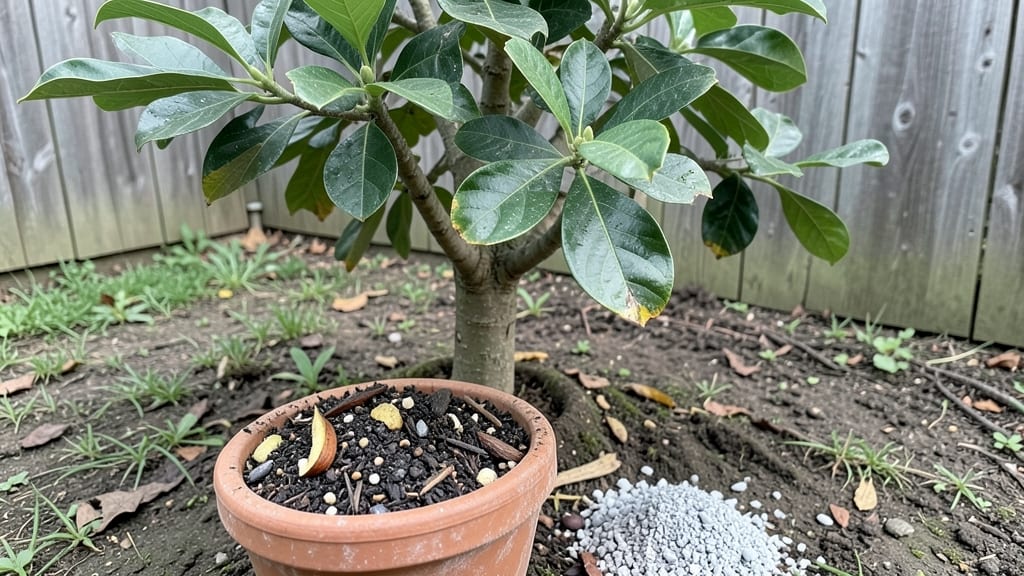
This homemade fertilizer for avocado trees could be your next kitchen counter project—turning banana peels, coffee grounds, and eggshells into a nutrient powerhouse that rivals store-bought fertilizers, without the price tag or chemical fuss. The key is matching your tree’s hunger with what’s already in your trash bin.
Avocados thrive on nitrogen, phosphorus, and potassium, plus calcium and magnesium—all of which hide in scraps you’d normally toss. A handful of crushed banana peels adds potassium for fruit development, while eggshells provide calcium to strengthen cell walls.
Coffee grounds (used, not fresh!) boost nitrogen for leafy growth, and compost tea delivers a balanced dose of everything else. No fancy equipment needed—just a bucket and a little patience.
Within 6-8 weeks, you’ll notice deeper green leaves, faster new growth, and even bigger fruit. The soil stays looser and retains moisture better, too. My tree went from struggling to producing three times as many avocados in just one season after switching to this system.
The best part? You’re cutting waste while feeding your tree exactly what it craves.
Works for container trees, in-ground plants, and even potted avocados on your windowsill. Let’s turn those scraps into something your tree will thank you for—literally. Here’s how to get started without overcomplicating it.
📚 In This Guide
- What you need
- Instructions
- Tips and common mistakes
- Wrapping up and next steps
What you need
- ● Banana peels – 2–3 medium peels (dried or fresh) (rich in potassium!)
- ● Eggshells – 4–6 crushed shells (baked & ground) (calcium boost!)
- ● Coffee grounds – ½ cup (used or fresh) (nitrogen & acidity balance!)
- ● Tea leaves/bags – 2–3 tbsp (used or fresh) (trace minerals!)
- ○ Wood ash – 1 tbsp (optional but great for pH balance)
- ● Compost or worm castings – 1 cup (for extra microbes & nutrients)
- ● Water – 1–2 gallons (for soaking or brewing)
- ● Blender or food processor (for grinding eggshells)
- ● Fine-mesh strainer or cheesecloth (for liquid fertilizer)
- ● Spray bottle or watering can (for application)
- ● Citrus peels – 1–2 peels (dried) (vitamin C for root health!)
- ● Aloe vera gel – 1 tbsp (soothes roots & adds enzymes)
- ● Fish emulsion or seaweed extract – 1 tsp (extra micronutrients)
- ● Baking soda – ½ tsp (helps neutralize acidity if needed)
Step-by-Step guide to crafting nutrient-rich avocado tree fertilizer
Transform kitchen scraps into a potent, organic boost for your avocado tree's growth.
Collect and Prepare Kitchen Scraps
Gather egg shells, coffee grounds, banana peels, and vegetable trimmings—these are the foundation of your fertilizer. Rinse all materials thoroughly to remove any residual food particles or oils that could attract pests. For egg shells, crush them into small pieces using a food processor or rolling pin; this increases surface area for nutrient absorption.
Place the coffee grounds and banana peels in a bowl and chop them finely. The smaller the pieces, the faster they'll break down and release nutrients. Store these in a sealed container until you're ready to combine them. This prep work ensures your fertilizer will be ready to use when your avocado tree needs it most.
Create a Compost Tea or Direct Soil Mix
For a compost tea, fill a 5-gallon bucket with water and add 1 cup of crushed egg shells, 1 cup of coffee grounds, 1 cup of chopped banana peels, and 2 cups of vegetable trimmings. Let the mixture steep for 24-48 hours, stirring occasionally. This creates a nutrient-rich liquid that can be diluted with water (1 part tea to 3 parts water) before applying to your avocado tree.
Alternatively, for a direct soil mix, blend the same quantities of scraps with 2 gallons of finished compost and 1 gallon of coconut coir or peat moss. This solid fertilizer can be worked into the top 6 inches of soil around your tree, providing slow-release nutrients. The key here is balance—too much of any single scrap can disrupt soil pH or create imbalances in nutrient availability.
Apply Fertilizer to Your Avocado Tree
When using compost tea, water your avocado tree at the base of the trunk, avoiding the leaves to prevent fungal issues. Apply 1 gallon of diluted tea every 4-6 weeks during the growing season (spring and summer). The tree will absorb these nutrients through its roots, promoting healthier foliage and fruit production. You’ll notice stronger, darker green leaves within 2-3 weeks of consistent application.
For the soil mix, spread the blended fertilizer evenly in a 6-inch-wide band around the tree’s drip line (the outer edge of the tree’s canopy). Gently scratch the surface with a rake to incorporate it into the top layer of soil. This method feeds the tree over time, reducing the risk of nutrient runoff. Water the area thoroughly after application to help the scraps break down and integrate into the soil.
Monitor and Adjust for Optimal Growth
Watch for signs of nutrient uptake, such as new leaf growth or fewer yellowing leaves. If you notice excessive leaf drop or stunted growth, reduce the frequency of applications or dilute the compost tea further. Avocado trees thrive in slightly acidic to neutral soil (pH 6.0-7.0), so if your scraps are making the soil too alkaline (common with egg shells), balance it with peat moss or pine needles.
Rotate your fertilizer methods seasonally—use compost tea in the active growing months and the soil mix in early spring to kickstart growth. Over time, you’ll develop a routine that keeps your avocado tree lush and productive. The goal is consistency, not overfeeding. Your tree will thank you with thicker stems, glossier leaves, and better fruit set.
Tips & tricks for perfect homemade avocado tree fertilizer
These simple yet powerful tricks will help you maximize nutrient value and avoid common pitfalls when crafting your avocado tree fertilizer.
Breakdown Efficiency: The 24-48 hour steeping time in Step 2 is your sweet spot for nutrient extraction. For faster results, chop your vegetable trimmings into smaller pieces—think rice-sized chunks rather than large chunks. This increases surface area, allowing nutrients to leach into the water more efficiently while preventing mold growth. I've found that using a food processor for the vegetable trimmings cuts the steeping time closer to 24 hours rather than stretching toward 48 hours.
Balancing pH Naturally: Avocado trees prefer slightly acidic to neutral soil (pH 6.0-7.0), but egg shells can make your fertilizer too alkaline. To create a balanced mix, add a handful of pine needles or a thin layer of peat moss to your soil application in Step 4. These acidic materials will counteract the alkalinity from crushed egg shells while still providing organic matter. Think of it as nature's way of self-regulating—just like how citrus peels can help balance overly alkaline compost.
Storage Wisdom: If you're not ready to use your prepared scraps immediately, store them in a sealed container in the refrigerator for up to 5 days. For longer storage, freeze the chopped banana peels and vegetable trimmings separately in airtight bags. When you're ready to use them, simply thaw and proceed with your fertilizer preparation. This prevents spoilage while preserving nutrient content—especially important for the potassium-rich banana peels that avocado trees love.
Application Technique: When applying your fertilizer in Step 3, focus on the tree's drip line rather than just the base of the trunk. This is where the majority of feeder roots are located, and it prevents over-concentrating nutrients in one spot. For young trees, create a 6-inch-wide band around the entire drip line. For mature trees, you can expand this to 12 inches. The key is to mimic how nutrients would naturally spread in a forest ecosystem, where fallen leaves and organic matter distribute evenly across the soil surface.
Pro Tips for Homemade Fertilizer For Avocado Trees
- These simple yet powerful tricks will help you maximize nutrient value and avoid common pitfalls when crafting your avocado tree fertilizer.
- Breakdown Efficiency: The 24-48 hour steeping time in Step 2 is your sweet spot for nutrient extraction.
- Balancing pH Naturally: Avocado trees prefer slightly acidic to neutral soil (pH 6.0-7.0), but egg shells can make your fertilizer too alkaline.
Frequently asked questions
Got questions about turning kitchen scraps into gold for your avocado tree? You’re not alone! Here are some of the most common queries—and straightforward answers—to help you grow like a pro.
What’s the best timing to apply homemade fertilizer to my avocado tree?
Apply homemade fertilizer spring and summer when your tree is actively growing. Avoid fertilizing in winter (dormant season) or after heavy pruning. For compost tea or banana peel brews, use it every 4–6 weeks during growing months. Overdoing it can burn roots!
Can I use coffee grounds as fertilizer for avocado trees?
Coffee grounds are nitrogen-rich and great for avocado trees, but use them sparingly. Mix ½ cup into the soil per tree (or compost pile) every 2–3 months. Too much can acidify the soil—balance with lime if needed.
How do I know if my homemade fertilizer is working?
Watch for these signs: darker green leaves, faster growth, and more flowers/fruit. If leaves yellow or drop, you might be overdoing it. Adjust frequency or switch to a milder brew (like eggshell tea) to troubleshoot.
What if I don’t have banana peels or coffee grounds?
No problem! Try these alternatives:
- Eggshells: Crush and steep in water for calcium.
- Green grass clippings: Chop and compost for nitrogen.
- Wood ash: Sprinkle lightly for potassium (use sparingly!).
- Vermicompost: Worm castings are nutrient-packed!
Will homemade fertilizer replace store-bought options entirely?
Homemade fertilizers are great supplements, but they lack the balanced nutrients (like micronutrients) of commercial fertilizers. For best results, combine both: Use kitchen scraps for organic matter and top up with a citrus-friendly fertilizer (low nitrogen) 1–2 times a year.
Wrapping up and next steps
Growing a thriving avocado tree doesn’t require expensive fertilizers—just a little creativity and the scraps from your kitchen! 🌱 From coffee grounds to eggshells, these homemade fertilizers are packed with nutrients to boost your tree’s health and fruit production.
With a few simple steps, you can transform waste into a powerhouse for lush, vibrant growth.
Ready to give your avocado tree the love it deserves? Start small—pick one or two recipes to try first, then expand as you see what works best. Happy gardening, and here’s to a bountiful harvest! 🍑✨