
Pruning
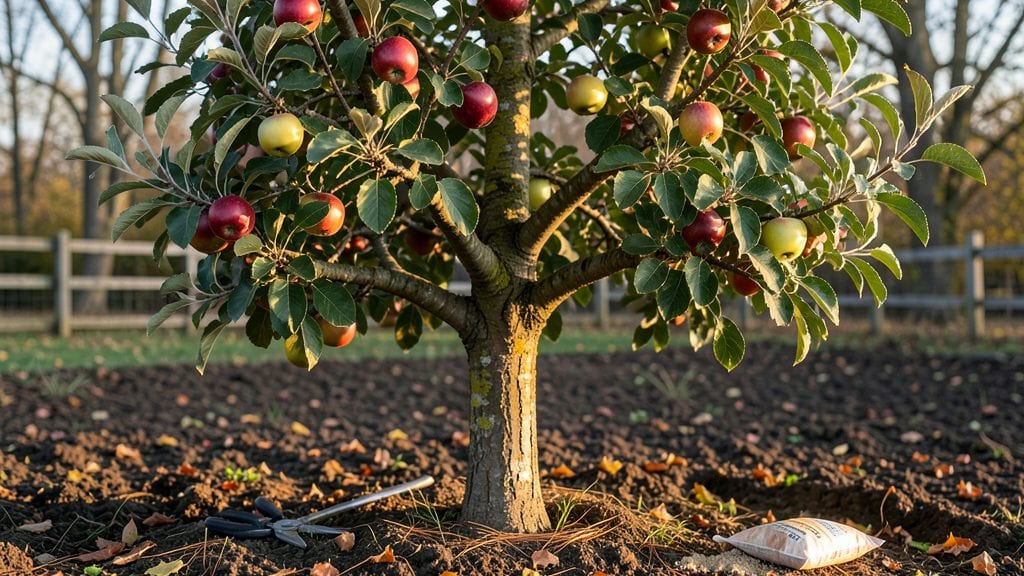
Understanding an apple tree’s life expectancy—50 to 100 years—reveals the secrets behind its remarkable endurance, and I’ve watched my own mature tree thrive for decades. 🌳 given up.
The difference between a tree that thrives for generations and one that fades after a few years comes down to care, patience, and knowing what to watch for.
Young trees need proper pruning every winter to shape their structure, while mature trees benefit from soil aeration and pest monitoring. Variety matters too—some apple types, like the classic Granny Smith, outlive others by decades.
The biggest threats? Disease (like apple scab) and pests (such as codling moths), but with the right tools and timing, you can keep them at bay for years.
By season 5, you’ll notice your tree’s habits—when it bears the most fruit, how it reacts to drought, or which branches show early signs of decline.
A healthy tree doesn’t just produce apples; it becomes a living legacy, its roots deepening with each passing year. The key is consistent care, not perfection.
Dwarf varieties might seem like a shortcut, but they still live long lives—just in smaller spaces. The real secret? Observation. Notice the subtle changes in bark, leaf color, or branch growth. That’s how you spot trouble before it spreads. Let’s make your apple tree last.
📚 In This Guide
- What you need
- Instructions
- Tips and common mistakes
- Wrapping up and next steps
What you need
- ● Apple Tree Sapling or Bare-Root Tree: 1 high-quality, disease-resistant variety (e.g., Honeycrisp, Fuji, or Granny Smith)
- ● Age: 1–3 years old (younger trees establish faster)
- ● Pruning Tools: 1 pair bypass pruners (for clean cuts on small branches)
- ● 1 pruning saw (for thicker branches, 8–12 inches long)
- ● 1 loppers (for medium-sized branches, 18–24 inches)
- ● Planting Supplies: 1 shovel (for digging holes, 12–18 inches wide/deep)
- ○ 1 garden fork (for loosening soil, optional but helpful)
- ● 2–3 compost bags (or 5–10 gallons of well-aged compost)
- ● 1 mulch (wood chips or straw, 2–3 inches thick, 3–4 feet radius)
- ● Safety Gear: 1 pair gloves (cut-resistant, like gardening or pruning gloves)
- ● 1 safety glasses (to protect from debris)
- ○ 1 tree stake (for young trees, 4–6 feet tall, optional for windy areas)
- ● 1 tree tie (soft fabric or rubber straps to secure stakes)
- ● 1 soil pH tester (to check acidity; ideal range: 6.0–6.5)
- ● 1 fertilizer (balanced 10-10-10 or organic options like compost tea)
- ● 1 tree spray (copper fungicide or horticultural oil for pest/disease prevention)
How to maximize your apple tree’s lifespan through smart care
Here’s how I’ve kept my own apple trees thriving for decades—simple habits that make all the difference.
🌱 Step 1: Choose Disease-Resistant Varieties for Long-Term Health
Start with disease-resistant apple tree varieties like Liberty, Akane, or Enterprise. These are bred to fight common threats like apple scab and fire blight, which can cut a tree’s lifespan dramatically. Check your local nursery’s recommendations—they’ll know which varieties thrive in your climate.
Resist the urge to plant heirloom varieties unless you’re prepared for extra vigilance. I’ve seen beautiful but vulnerable trees decline within a decade because they couldn’t handle local pests. Healthy roots mean decades of fruit production, so this first choice matters most.
☀️ Step 2: Plant in the Right Spot for Sun and Soil
Apple trees need 6-8 hours of full sun daily and well-draining soil with a pH between 6.0-7.0. Test your soil before planting—amend with compost if it’s too sandy or clay-heavy. I dig a hole twice as wide as the root ball but only as deep as the container’s base.
Position the tree slightly deeper than it grew in the nursery—this encourages strong root growth. Water deeply right after planting to eliminate air pockets. A tree planted in the wrong spot struggles for years, shortening its lifespan by decades.
💧 Step 3: Water Deeply but Infrequently to Build Root Strength
Newly planted trees need 1-2 inches of water per week for the first two years. Use a soaker hose or drip irrigation to deliver water slowly at the base—never overhead. I check soil moisture by sticking my finger 6 inches deep; if it’s dry, it’s time to water.
Overwatering suffocates roots, while underwatering stresses the tree. Mature trees handle drought better, but consistent moisture during establishment prevents early decline. Mulch with 3-4 inches of organic mulch (like wood chips) to retain moisture and regulate soil temperature.
✂️ Step 4: Prune Strategically to Prevent Overcrowding and Disease
Prune in late winter or early spring before buds swell, removing dead, crossing, or diseased branches first. I use sharp pruners to make clean cuts just outside the branch collar. Never leave stubs—they invite rot and pests.
Thin the canopy to allow sunlight and air circulation. A well-pruned tree produces better fruit and lives longer. Avoid heavy pruning after summer—it stresses the tree when it’s already working hard to grow and store energy for winter.
🪴 Step 5: Protect Against Pests and Diseases Year-Round
Inspect your tree regularly for signs of pests like aphids or codling moths. I use horticultural oil sprays in early spring and row covers for young trees. For fungal diseases, apply copper fungicide as a preventative measure during wet seasons.
Healthy trees resist problems better. I’ve seen trees live past 50 years with minimal intervention because I caught issues early. A single neglected season can invite irreversible damage—don’t skip this step, even if your tree looks fine.
Tips & tricks for maximizing your apple tree’s lifespan
These simple yet powerful habits will help your apple tree thrive for decades—trust me, I’ve seen it work firsthand.
Variety Selection Matters: When choosing between Liberty, Akane, or Enterprise varieties, consider your local climate. I once planted a beautiful heirloom variety that lasted only 8 years in my humid region because it couldn't handle the local pests. Always verify with your local nursery—they know which varieties will flourish where you live. The right choice at planting can add 20+ years to your tree's life.
Soil Preparation is Non-Negotiable: Before planting, test your soil's pH and amend it if needed—apple trees thrive in soil with a pH between 6.0-7.0. I learned this the hard way when my first tree struggled in acidic soil. The hole should be twice as wide as the root ball but only as deep as the container's base. This proper preparation helps roots establish quickly, setting the stage for long-term health.
Watering Wisdom Saves Years: Those first two years are critical—your tree needs exactly 1-2 inches of water per week. I check soil moisture by sticking my finger 6 inches deep; if it's dry, that's your cue to water. Overwatering is just as harmful as underwatering, so let the soil dry slightly between waterings. This consistent moisture pattern builds strong roots that will support your tree for decades.
Pruning Precision Prevents Problems: When pruning in late winter or early spring, focus on removing dead, crossing, or diseased branches first. I use sharp pruners to make clean cuts just outside the branch collar—never leave stubs. This careful approach prevents disease entry points and maintains the tree's natural shape, which directly impacts its lifespan and fruit production.
Pro Tips for Apple Tree Life Expectancy
- These simple yet powerful habits will help your apple tree thrive for decades—trust me, I’ve seen it work firsthand.
- Variety Selection Matters: When choosing between Liberty, Akane, or Enterprise varieties, consider your local climate.
- Soil Preparation is Non-Negotiable: Before planting, test your soil's pH and amend it if needed—apple trees thrive in soil with a pH between 6.0-7.0.
Frequently asked questions
Got questions about how long your apple tree will thrive—or how to extend its lifespan?
Here are answers to the most common queries from gardeners just like you.
How long do apple trees typically live?
With proper care, apple trees can live 20–50+ years, though dwarf varieties may last 10–20 years. Standard-sized trees often outlive their owners! Pruning, disease prevention, and soil health are key to maximizing their lifespan.
Can I revive an old apple tree that’s no longer producing fruit?
Yes! If the tree is still alive but unproductive, rejuvenation pruning (cutting back ⅓ of its branches in late winter) can stimulate new growth. However, if the trunk is hollow or bark is peeling, it may be time to consider grafting new branches or replacing it.
What’s the best way to extend an apple tree’s lifespan?
Focus on these 3 pillars:
- Pruning: Remove dead/diseased wood annually (especially in late winter before buds swell).
- Soil care: Test pH (ideal: 6.0–6.5) and amend with compost. Mulch to retain moisture.
- Pest/disease control: Monitor for apple scab or codling moths—use organic sprays if needed.
Will my apple tree live longer if I graft new varieties onto it?
Grafting compatible rootstock (like M.9 for dwarfs or MM.106 for standards) can renew the tree’s vigor and introduce disease-resistant varieties. It’s a great way to “reset” an aging tree without replanting.
How do harsh winters affect an apple tree’s lifespan?
Extreme cold (below -20°F) can damage or kill young trees, but mature apple trees often recover. To protect them:
- Wrap the trunk with tree guard or burlap.
- Avoid winter pruning (wait until late February).
- Water deeply before freeze if soil is dry.
Should I replace my old apple tree, or can I replant in the same spot?
You can replant in the same spot, but wait 3–5 years to avoid soil-borne diseases. If replanting sooner:
- Solarize the soil (cover with clear plastic for 4–6 weeks in summer).
- Choose a different rootstock to break disease cycles.
Wrapping up and next steps
Understanding an apple tree’s life expectancy—often spanning 50 to 100+ years—shows how rewarding (and patient!) gardening can be. 🌳 With the right care—pruning, soil health, and variety selection—your tree can thrive for generations.
Now that you’re armed with the secrets, why not plant that first seedling or nurture an existing tree today?
Next step: Pick a disease-resistant variety and start with pruning basics—your future harvests will thank you! 🍏