
Pruning
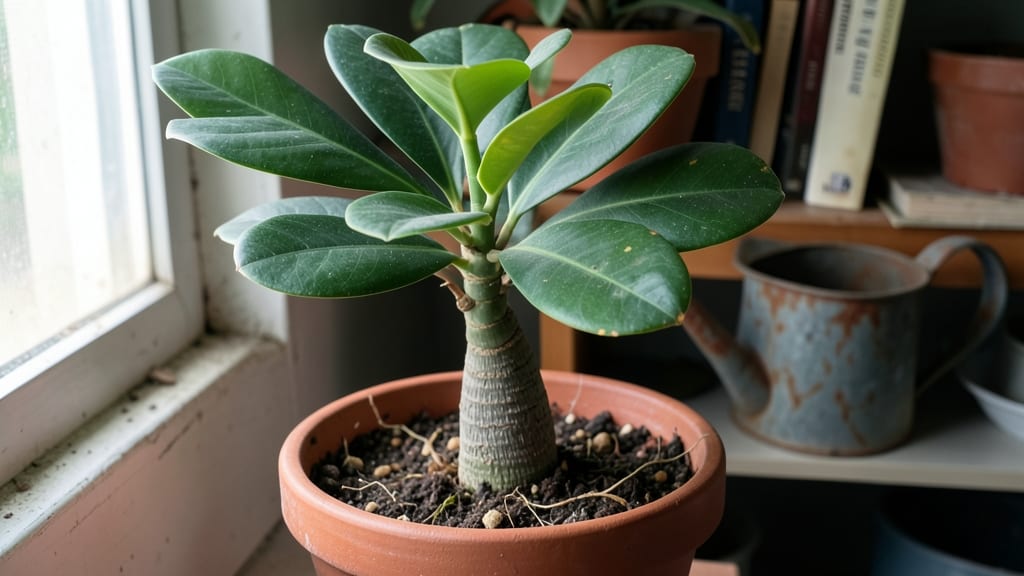
Caring for a money tree indoors unlocks a plant that feels like good luck in a pot—its glossy leaves and braided trunk bring instant energy to any space. 💚 I learned the hard way that these tropical plants aren’t as forgiving as they look, but with the right light, water, and a little patience, they’ll reward you with vibrant growth year-round.
The key is mimicking their jungle habitat: bright but indirect light, well-draining soil, and occasional misting to keep those leaves perky.
Most beginners overwater, thinking more moisture equals happier plants—nothing could be further from the truth. Let the top inch of soil dry out between waterings, and always use a pot with drainage holes to prevent root rot.
A humidity tray or pebble tray underneath helps recreate the damp air they love, especially if your home runs dry in winter. Pruning is simple too: just snip back leggy stems to encourage bushier growth, and your money tree will stay compact and full.
What you’ll end up with is a thriving plant that looks like it belongs in a botanical garden, not your living room. The leaves stay deep green and glossy, the braided trunk thickens over time, and you’ll notice new growth appearing regularly—proof you’ve cracked the code.
The best part? This care routine works whether you’re a first-time plant parent or a seasoned collector looking to keep your money tree happy for decades.
Fair warning: money trees are sensitive to drafts and sudden temperature swings, so keep them away from AC vents and cold windows. With these adjustments, you’ll avoid the most common pitfalls—yellowing leaves, droopy branches—and enjoy a plant that truly feels like a financial (and aesthetic) boon.
Ready to make yours flourish?
📚 In This Guide
- What you need
- Instructions
- Tips and common mistakes
- Wrapping up and next steps
What you need
- ● Money Tree Plant: 1 healthy specimen (potted or bare-root, depending on preference)
- ● Well-draining potting mix: 1 bag (look for a blend labeled for tropical or succulent plants)
- ● Pot with drainage holes: 1 (slightly larger than the plant’s current container)
- ● Watering can or spray bottle: 1 (with a narrow spout for precision)
- ● Houseplant fertilizer: 1 bottle (balanced, 10-10-10 or similar)
- ● Pruning shears or clean scissors: 1 pair (sterilized with rubbing alcohol)
- ○ Gloves (optional): 1 pair (to protect hands from sap or soil)
- ● Peat moss or perlite: Small amount (to improve drainage if needed)
- ● Plant food or compost: 1 packet (for nutrient boosts)
- ● Humidity tray or pebble tray: 1 (to mimic tropical conditions)
- ● Grow lights (LED or fluorescent): 1-2 (if natural light is limited)
- ● Plant labels: 1-2 (to track care routines)
Step-by-Step guide for nurturing a healthy money tree indoors
Your money tree will thrive with these simple but effective care routines—no green thumb required.
💧 Step 1: Establish a Consistent Watering Routine
The key to happy money trees is letting the soil dry out between waterings. Stick your finger 1-2 inches deep into the soil—if it feels dry, it's time to water. Overwatering is the #1 killer, so I always check before adding more moisture. Use room-temperature water to avoid shocking the roots, and water until it drains freely from the bottom.
Here's the thing—money trees store water in their thick stems, so they can handle dry spells better than soggy soil. If the leaves start curling or dropping, you're likely overwatering. I water mine every 7-10 days in winter and 5-7 days in summer, adjusting based on my home's humidity levels.
☀️ Step 2: Position for Bright, Indirect Light
Money trees love bright light but hate direct sun, which can scorch their leaves. Place yours near an east- or north-facing window where it gets gentle morning light. If you notice leaves turning yellow or brown near the edges, the light is too harsh—move it back a few feet.
Watch for these signs: If new growth is pale and leggy, it needs more light. If leaves darken and develop a dull sheen, it's getting too much direct sun. Rotate the plant quarter-turn weekly so all sides get equal light exposure. Artificial grow lights work well if natural light is limited—keep them 12-18 inches away for 12-14 hours daily.
🌿 Step 3: Maintain Humidity and Clean Leaves
Money trees love humidity—think 50-60% if you can provide it. In dry climates, I mist the leaves 2-3 times weekly or place the pot on a tray filled with pebbles and water (just make sure the pot isn't sitting directly in water). Wipe the leaves gently with a damp cloth monthly to remove dust, which helps them absorb light better.
Here's a trick: Group your money tree with other houseplants to create a mini humid microclimate. Avoid cold drafts from windows or doors—temperature swings stress the plant. If the tips of leaves turn brown and crispy, that's your sign the air is too dry. A small humidifier nearby solves this instantly.
✂️ Step 4: Prune for Shape and Health
Pruning keeps your money tree bushy and encourages new growth. Use clean, sharp scissors to trim back leggy stems just above a leaf node (where leaves grow). You can also pinch off the tips of new growth to encourage branching. I prune mine in early spring when new leaves start appearing.
Don't worry about making it perfect—money trees are forgiving. If you accidentally cut too much, new shoots will sprout from the stem nodes. After pruning, you can propagate the cuttings in water or soil if you want more plants. Just let the cuttings dry for a day first to prevent rot.
🪴 Step 5: Repot Every 2-3 Years
Money trees grow slowly, so they don't need frequent repotting. When roots start circling the pot or poking out of drainage holes, it's time to upgrade. Choose a pot just 1-2 inches larger in diameter—bigger pots hold too much moisture and risk root rot.
Use a well-draining potting mix designed for tropical plants. I like to add a handful of orchid bark to improve drainage. After repotting, water lightly and place the plant in bright, indirect light. Avoid fertilizing for 4-6 weeks to let the roots recover from the stress of repotting.
Tips & tricks for perfect money tree care indoors
These simple but game-changing tips will help your money tree grow lush and healthy with minimal effort.
Soil Check Technique: In Step 1, when checking soil moisture, press your finger about 1-2 inches deep—if the soil feels dry but not bone-dry, that's perfect. Money trees prefer the "slightly dry" feeling over soggy soil. I've learned the hard way that waiting until the soil is completely dry can stress the plant, especially in winter when growth slows.
Light Rotation Strategy: For Step 2, the quarter-turn weekly rotation isn't just about even light—it's also about preventing your money tree from growing lopsided toward the window. I notice my plants develop a natural lean toward the light source if I don't rotate them, so this simple habit keeps them balanced and bushier over time.
Humidity Hacks: In Step 3, if you don't have a humidifier, try placing your money tree's pot on a tray filled with pebbles and water (just ensure the pot isn't sitting in water). This creates natural humidity around the plant without overwatering the soil. I've also found that grouping plants together raises humidity levels naturally—just 6-8 inches between plants works well.
Pruning Timing: The early spring timing in Step 4 is ideal because that's when your money tree naturally starts its growth cycle. Pruning then encourages new, healthy growth. I've noticed that pruning at other times can sometimes result in slower recovery, so sticking to this schedule makes all the difference for a fuller plant.
Pro Tips for Care For Money Tree Indoors
- These simple but game-changing tips will help your money tree grow lush and healthy with minimal effort.
- Soil Check Technique: In Step 1, when checking soil moisture, press your finger about 1-2 inches deep—if the soil feels dry but not bone-dry, that's perfect.
- Light Rotation Strategy: For Step 2, the quarter-turn weekly rotation isn't just about even light—it's also about preventing your money tree from growing lopsided toward the window.
Frequently asked questions
How often should I water my money tree?
Water your money tree when the top 1–2 inches of soil feel dry. Typically, this means watering every 1–2 weeks in cooler months and every 1–3 weeks in warmer months. Overwatering is the #1 killer—always use a pot with drainage holes to prevent root rot.
Why are the leaves turning yellow or brown?
Yellow leaves often signal overwatering, while brown, crispy edges usually mean underwatering or low humidity. Check the soil moisture and adjust your watering schedule. If the air is dry (common indoors!), mist the leaves or place a pebble tray nearby.
Can I prune my money tree year-round?
Yes! Prune anytime, but spring or early summer is ideal for shaping and encouraging bushier growth. Use clean, sharp scissors to trim back leggy stems or yellow leaves. Just avoid heavy pruning in winter, as the plant slows down.
What’s the best light for a money tree indoors?
Money trees thrive in bright, indirect light (like near an east or north-facing window). Avoid harsh direct sun, which can scorch leaves. If leaves start stretching or losing color, it’s time to move it closer to a light source.
Are there alternatives to the money tree for low-light spaces?
Try ZZ plants, snake plants, or pothos—they’re tougher in low light and still bring good vibes (and air-purifying benefits!). Money trees need some light, but these pals do even better in shadier spots.
Wrapping up and next steps
Caring for your money tree indoors is all about balance—light, water, and a little patience go a long way! 🌱 With the right pruning, soil, and placement, you’ll soon enjoy a thriving plant that brings luck (and beauty) to your space. Don’t forget: even the pros started with a single cutting!
Ready to level up your green thumb? Start by experimenting with propagation—grow your money tree’s family and share the joy! Or, if you’re eager to dive deeper, explore advanced pruning techniques to shape your plant into a stunning focal point. Your money tree’s future is bright—get growing!